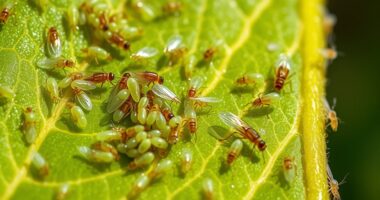
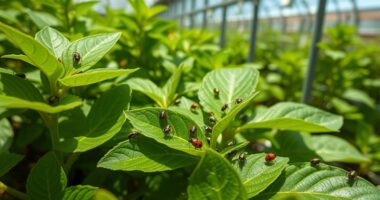
Maintaining a habit of regularly cleaning and disinfecting your greenhouse tools is one of the quickest ways to prevent half of the diseases that threaten your plants. By removing dirt, fungi, bacteria, and pests from tools after each use, you interrupt the transfer pathways of pathogens and pests. Consistent sanitation creates a healthier environment and reduces outbreak risks. Keep watching to discover simple steps to build this essential habit and protect your greenhouse’s importance.
Key Takeaways
- Regularly disinfect tools after each use to prevent pathogen transfer between plants.
- Use sterilized tools for every task to eliminate soil-borne fungi and bacteria.
- Remove plant debris and soil residues promptly before working on healthy plants.
- Store tools in a clean, dry environment to prevent recontamination.
- Incorporate a routine of cleaning and disinfecting tools into daily greenhouse practices.
Why Proper Tool Hygiene Is Critical for Preventing Greenhouse Diseases

Have you ever considered how easily diseases can spread from one plant to another? Proper tool hygiene is essential for maintaining soil health and effective pest control. Dirty tools can transfer pathogens that weaken plants and invite pests, leading to outbreaks that threaten your entire greenhouse. When you clean your tools regularly, you reduce the risk of spreading harmful bacteria and fungi that compromise soil quality and plant vitality. Sharp, sanitized tools also cut down on pest infestations by removing debris and hiding spots where pests thrive. Keeping tools clean isn’t just about hygiene; it’s a proactive step to protect your plants’ health and ensure a resilient growing environment. Proper sanitation practices are a key part of sustainable greenhouse management. Implementing effective cleaning procedures helps sustain healthy soil ecosystems and prevents disease outbreaks. Regular tool maintenance also supports soil health by preventing the transfer of soil-borne pathogens, which can be detrimental to plant roots and overall growth. Additionally, disease prevention is greatly enhanced through consistent sanitation, reducing the need for chemical interventions and promoting organic growing methods. Incorporating preventative measures such as sterilizing tools after each use can significantly reduce the incidence of outbreaks, resulting in healthier plants and higher yields. In turn, healthy soil and pest-free plants mean fewer problems and better harvests.
How Dirty Tools Spread Pests and Diseases in Your Greenhouse
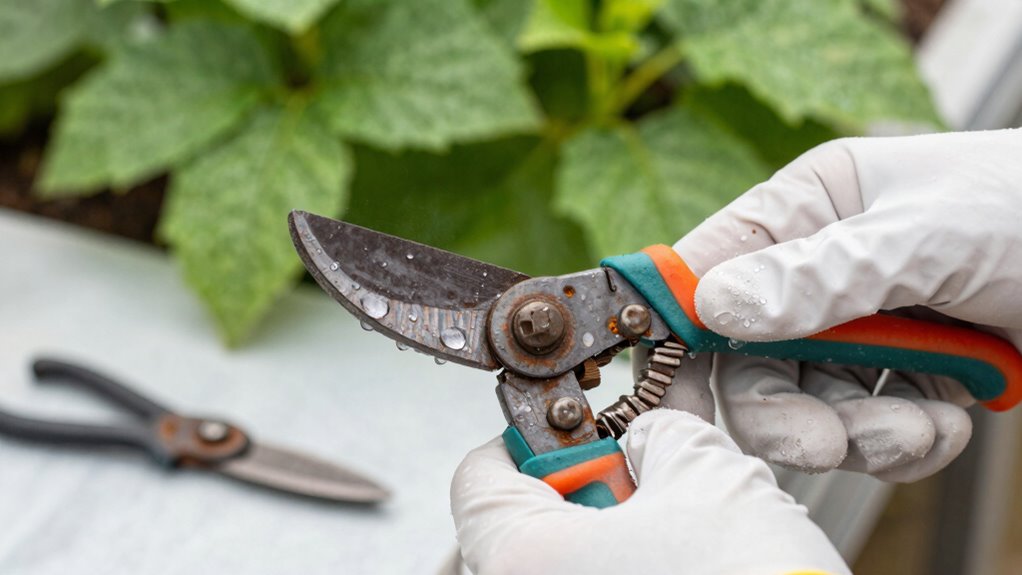
Dirty tools act as direct pathways for pests and diseases to spread throughout your greenhouse. When tools aren’t properly cleaned, they can transfer soil contamination from infected plants to healthy ones, facilitating disease spread. Pests latch onto dirty tools and hitch a ride to new areas, increasing pest transmission across your greenhouse. Soil contamination on tools often contains fungal spores, bacteria, or insect eggs, which can infect your plants upon contact. Using unclean tools repeatedly exposes your crops to these threats, making outbreaks more likely. This cycle accelerates disease development and pest infestation, jeopardizing your entire greenhouse. To keep pests and diseases at bay, it’s essential to clean and disinfect your tools regularly, breaking the transmission pathways and protecting your plants’ health. Regularly disinfecting tools can also reduce the risk of spreading airborne contaminants that may linger on surfaces.
Step-by-Step Guide: How to Clean and Disinfect Your Greenhouse Tools
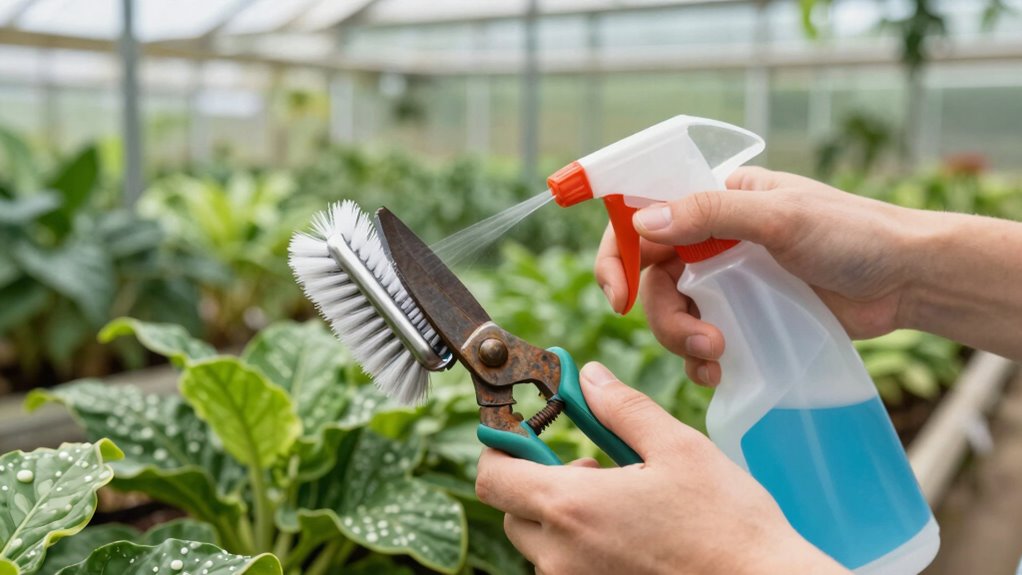
To effectively prevent the spread of pests and diseases, it’s essential to clean and disinfect your greenhouse tools after each use. Proper tool maintenance and equipment sterilization are key to reducing contamination. Start by removing dirt and plant debris with a wire brush or cloth. Next, soak tools in a disinfectant solution like a diluted bleach or commercial disinfectant for at least five minutes. Rinse thoroughly with water and dry completely. To help you stay organized, consider this quick reference:
| Step | Action | Tips |
|---|---|---|
| Clean | Remove debris and soil | Use a wire brush or cloth |
| Disinfect | Soak in sterilizing solution | Follow manufacturer’s guidelines |
| Rinse & Dry | Remove disinfectant residue | Air dry or wipe dry |
| Store Properly | Keep tools in a clean, dry place | Prevent recontamination |
Maintaining a consistent cleaning routine can significantly reduce the risk of greenhouse diseases. Incorporating regular disinfection practices into your gardening routine enhances overall plant health and productivity. Additionally, choosing the right tool sterilization methods based on your equipment type can improve effectiveness and longevity. Utilizing electric equipment like scrubber dryers or robotic cleaners can also streamline the cleaning process and ensure thorough sanitation. Exploring proper sterilization techniques can help further optimize your tool maintenance practices and prevent cross-contamination.
Establishing a Routine: Best Practices for Keeping Tools Clean and Safe
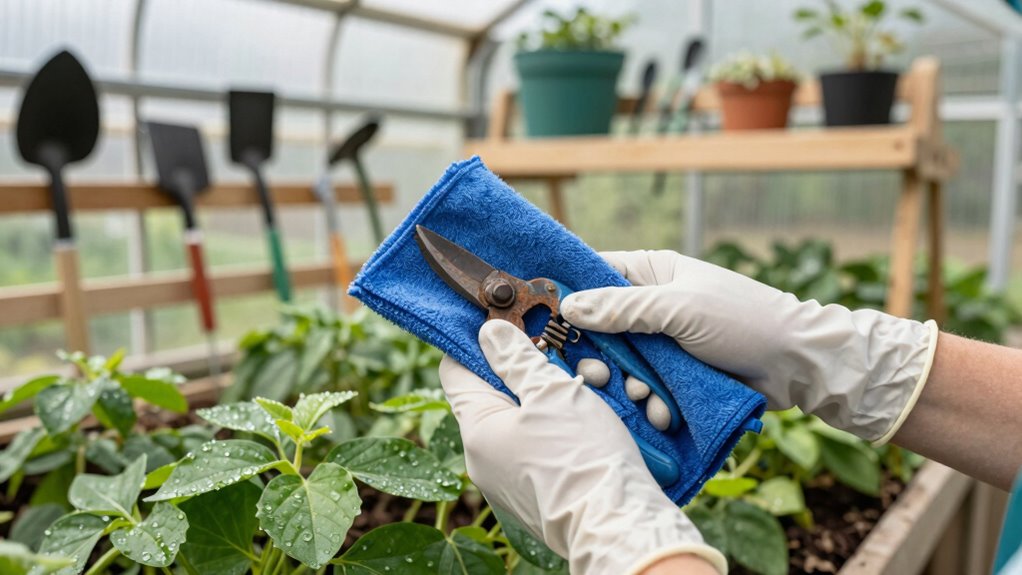
Maintaining a consistent routine for cleaning and disinfecting your greenhouse tools helps prevent the spread of pests and diseases over time. Establishing a regular schedule for tool maintenance ensures that tools stay in good condition and reduces contamination risks. Set specific times—such as after each use or daily—to clean and disinfect your tools. Use effective disinfectants and proper techniques to eliminate pathogens. Routine scheduling keeps you accountable and minimizes the chance of forgetting essential steps. Keep tools organized and stored safely to avoid cross-contamination. Incorporating natural pest control methods into your routine can further safeguard your plants from disease. Understanding cleaning appliance functions can help you select the best tools for maintaining optimal sanitation. Selecting the appropriate disinfectants based on your tools and environment enhances effectiveness. Consistent tool maintenance not only protects your plants but also extends the lifespan of your tools, making your greenhouse management more efficient and effective. Developing proper hygiene practices as part of your routine reinforces good habits and prevents accidental contamination. Implementing coaching and mentoring dynamics can also support staff in maintaining these routines effectively. By sticking to this routine, you create a proactive defense against greenhouse diseases.
Additional Strategies to Reduce Disease Risks Beyond Tool Cleaning
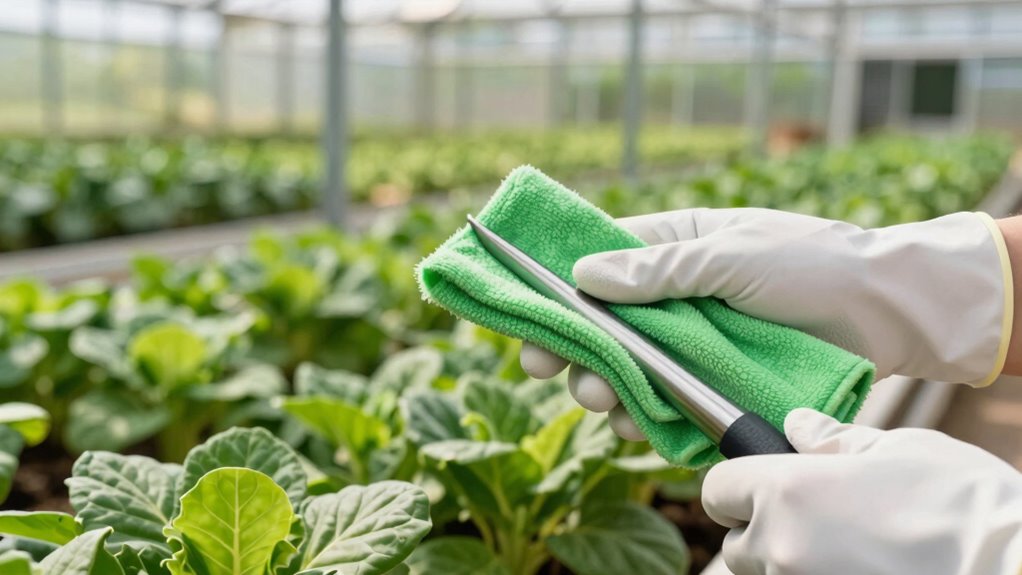
While keeping tools clean is essential, adopting additional strategies can further reduce disease risks in your greenhouse. Companion planting helps create a natural barrier against pests and diseases by pairing plants that repel or disrupt harmful organisms. This method reduces pathogen transmission by minimizing contact points between infected and healthy plants. Incorporating biological controls offers a sustainable way to manage pests and pathogens without chemicals. Introducing beneficial insects or microbes can suppress disease-causing organisms naturally. Regularly rotating crops and removing infected plant material also prevent the buildup of pathogens. Additionally, understanding the history of pinball machines highlights how technological advancements can influence recreational industries, emphasizing the importance of innovation in maintaining engaging and healthy environments. Implementing quality assurance practices in your greenhouse management can ensure consistent health standards, leading to more successful disease prevention. Using integrated pest management strategies further enhances your defense system by combining multiple control methods for more effective disease prevention. Together, these strategies create a healthier environment, markedly lowering disease risks and promoting robust plant growth in your greenhouse.
Frequently Asked Questions
How Often Should I Replace My Greenhouse Tools to Prevent Disease?
You should replace your greenhouse tools every year to prevent disease, but more frequent replacement is prudent if you notice rust, damage, or persistent contamination. Regular tool sterilization between uses helps minimize disease spread, so incorporate sterilization into your replacement schedule. By doing this, you reduce the chance of cross-contamination and ensure your tools stay effective. Staying proactive with tool maintenance keeps your greenhouse healthier and your plants thriving.
Can Using Different Disinfectants Harm Plant Health?
Using different disinfectants is like mixing chemicals in a lab; it can sometimes create harmful chemical residues that linger on your tools. This may weaken plant health or cause stress. To avoid this, make certain the disinfectants you choose are effective and compatible. Always rinse tools thoroughly after disinfecting, and stick to recommended products to maintain disinfectant effectiveness without risking damage to your plants.
Are There Eco-Friendly Options for Disinfecting Greenhouse Tools?
Yes, you can use eco-friendly options like biodegradable disinfectants and natural cleaning methods to disinfect your greenhouse tools. These alternatives are effective at killing pathogens without harming plants or the environment. Simply choose products labeled biodegradable or opt for natural solutions like hydrogen peroxide, vinegar, or soap and water. Regularly cleaning with these methods helps prevent disease spread while keeping your greenhouse sustainable and safe for your plants.
What Signs Indicate My Tools Are Contaminated Despite Cleaning?
If your tools show lingering tool residue, signs of contamination are likely present. Look for discoloration, sticky or slimy surfaces, or unexpected plant spots after cleaning. These contamination signs mean cleaning wasn’t thorough enough or tools need more attention. Always inspect your tools closely; if residue persists or new plant issues appear, re-clean and disinfect. Staying vigilant helps prevent disease spread and keeps your greenhouse healthy and productive.
How Does Tool Hygiene Impact Overall Greenhouse Crop Yield?
Maintaining good tool hygiene boosts your greenhouse crop yield by reducing tool contamination and preventing disease transmission. When your tools stay clean, you’re less likely to spread pathogens that can cause crop damage or loss. This proactive approach guarantees healthier plants, promotes faster growth, and minimizes downtime due to infections. Consistently sanitizing your tools keeps your greenhouse productive and helps maximize your overall yield, making your efforts more efficient and successful.
Conclusion
Think of your greenhouse tools as loyal guardians of your plants. When you keep them clean, you’re sharpening their swords against pests and diseases, ensuring they’re ready for battle. Neglect turns them into unwitting spreaders, like careless messengers. By maintaining this simple habit, you’re building a fortress of health around your greenhouse, allowing your plants to flourish without fear. Stay vigilant, clean often, and let your tools be the steadfast heroes of your green oasis.