TL;DR

Get garden gear delivered free with Prime
- Fast, free delivery on millions of items
- Prime Video, Amazon Music and more included
- Member-only deals all year
Amateur Gardening has published five practical ways to reduce slug and snail damage in vegetable gardens as wet weather returns: water in the morning, support garden wildlife, try physical barriers, inspect containers and consider nematodes. The advice is not a guarantee of protection, and results may vary with conditions and method.
Amateur Gardening has outlined five ways vegetable gardeners can try to limit slug and snail damage as wetter weather returns, including morning watering, wildlife-friendly habitats, physical barriers, container checks and nematodes. The advice is practical guidance rather than a guarantee: the report says results can involve trial and error.
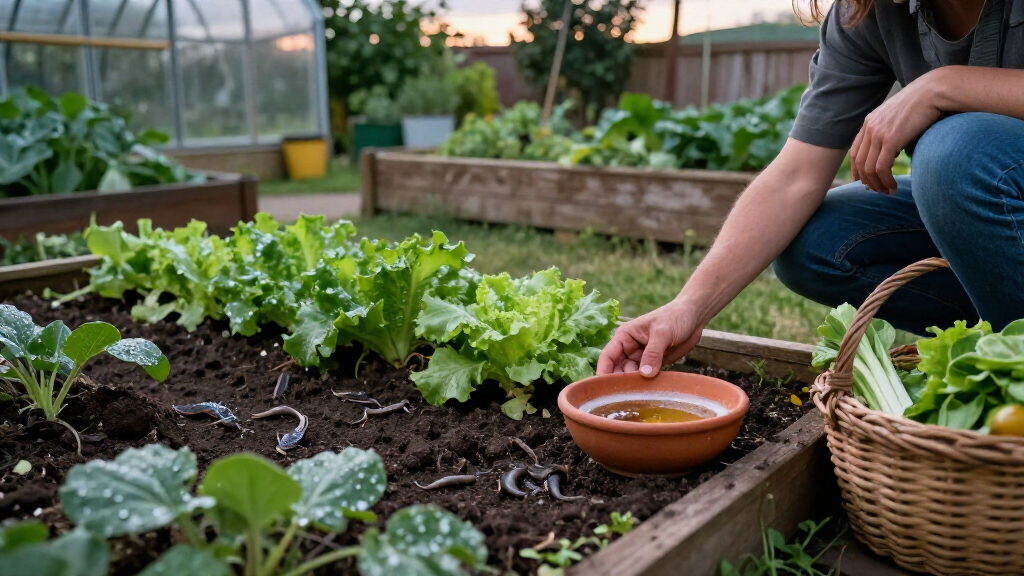
The report, written by Becky Bowden, links the seasonal return of damp conditions with greater concern about slugs and snails feeding on garden crops. It recommends watering in the morning rather than at night, so the soil has more daylight hours to dry. The article says this may make conditions less favorable for the pests and may also help reduce fungal disease by giving plants more sunlight and airflow after watering.
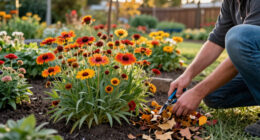
A second suggestion is to support wildlife that may prey on slugs or snails. Amateur Gardening recommends features such as log piles, ponds and rockeries, along with leaf piles placed away from the vegetable patch. It also suggests providing bird boxes, feeders and suitable places for birds to perch or nest. The article notes that hedgehogs occasionally eat slugs and snails, but does not present wildlife as a dependable pest-control method.
For barriers, the article suggests applying dry, crushed eggshells around plant bases, using untreated woodchips, or trying coffee grounds. Lawn care specialist Chrissie Handley told the magazine that eggshells should be left in small, sharp pieces rather than ground finely; she said they may also add calcium to soil as they break down. Coffee grounds may need replacing after heavy rain. The advice also includes lifting pots and trays to check for pests in damp hiding places, and using nematodes mixed with water according to the product packet.
Protecting Crops as Rain Returns
Slug and snail damage can affect seedlings and established vegetables, making seasonal prevention relevant to gardeners trying to preserve a home harvest. The tips offer several approaches that do not all depend on buying a product: changing watering time, checking hiding places and adjusting garden habitat can be tried alongside barriers or nematodes.
The recommendations also carry trade-offs. Wildlife habitats may attract predators but do not guarantee they will eat enough slugs to protect crops. Materials such as coffee grounds can wash away, while physical barriers may need upkeep. The article’s central point is that gardeners may need to combine and adapt methods rather than expect one measure to solve the problem.
Products Worth Considering

Solo Stove Ranger 2.0 15-Inch Smokeless Fire Pit with Stand

Rachio 3 Smart Sprinkler In-Ground WiFi Irrigation Controller, 8-Zone

Husqvarna Automower 550 Commercial Robotic Lawn Mower
As an affiliate, we earn on qualifying purchases.
Five Methods in the Seasonal Guide
The Amateur Gardening article describes its advice in response to anticipated wet weather following a dry spell. It presents five categories of action: alter watering times, encourage wildlife, use abrasive materials, inspect planters and apply nematodes. These are recommendations from the gardening report, not results from a controlled comparison of their effectiveness.
Container plants are not necessarily protected just because they sit above ground. Container plants expert Martine Davis told the magazine that slugs and snails can hide beneath pots and trays or among thick foliage, particularly after wet weather. The article recommends checking these locations regularly and, for gardeners willing to do so, looking for pests in the evening with a torch.
For nematodes, the report names microscopic species Phasmarhabditis californica and Phasmarhabditis hermaphrodita. It advises applying them mixed with water during the growing season, using a watering can with a coarse rose, and following the product instructions. Gardeners should check the product label for application directions and any relevant precautions.
““Crushed eggshells work well in deterring slugs and snails from eating your plants.””
— Chrissie Handley, lawn care specialist, speaking to Amateur Gardening
How Well Each Method Works
The report does not provide trial data, success rates or a comparison showing which of the five approaches works best. It describes coffee grounds as a possible slight deterrent and says barriers are not a cure-all; effectiveness may depend on rainfall, garden conditions and how consistently a method is used. It also does not specify how quickly nematodes should produce visible results.
Whether wildlife features will reduce slug numbers enough to protect a particular vegetable patch is uncertain. Gardeners should follow the instructions for any nematode product they use, as the article’s general advice does not replace product-specific directions.
Monitor Crops and Adjust Methods
The article advises gardeners to monitor their plants and test approaches suited to their gardens. That can mean watering earlier, checking containers and sheltered spots after wet weather, and replacing materials such as coffee grounds when they have been washed away. For nematodes, the next step is to follow the packet’s directions during the growing season and watch for changes in crop damage.
Amateur Gardening frames the advice as a set of measures to try, not a promise that harvests will be protected. Gardeners will need to judge whether damage is continuing and adjust their routine accordingly.
Key Questions
Why does the article recommend watering in the morning?
Amateur Gardening says morning watering gives the ground more time to dry in daylight. It argues that this may make conditions less favorable for slugs and snails than watering at night.
Do eggshells reliably stop slugs?
The report recommends dry, crushed eggshells in small shards around plant bases, but it does not cite comparative trials or guarantee protection. It describes abrasive barriers as potentially helpful, not a cure-all.
Where should gardeners look for slugs in planters?
Check underneath pots and trays and around thick foliage, where damp, dark hiding places can form. The advice comes from container plants expert Martine Davis, quoted by Amateur Gardening.
How does the article say to apply nematodes?
It says to mix them with water and apply during the growing season using a watering can with a coarse rose. Follow the specific product instructions, since application details may differ.
Source: amateurgardening.com