
TL;DR

Get garden gear delivered free with Prime
- Fast, free delivery on millions of items
- Prime Video, Amazon Music and more included
- Member-only deals all year
A Homes & Gardens gardening report recommends clearing black-spot-infected rose leaves and debris in October, when many roses are shedding foliage and entering dormancy. Rosarian Wes Harvell says the cleanup can reduce one source of reinfection; infected material should go in household trash, not a typical home compost pile.
Gardeners can reduce one source of rose black spot for next season by removing infected leaves and debris in October, according to a Homes & Gardens report citing rosarian Wes Harvell of Jackson & Perkins. The advice is timely because roses in colder climates are beginning to shed foliage and enter dormancy, while fungus can persist on fallen leaves beneath plants.
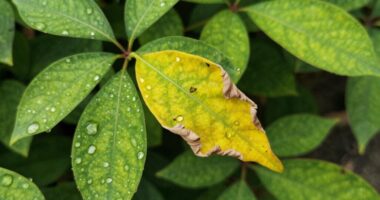
Black spot, caused by the fungus Diplocarpon rosae, can appear as dark purplish marks on rose leaves, followed by yellowing and leaf drop. Harvell says the fungus can overwinter on infected foliage and plant debris. Rain or irrigation may then splash spores from that material onto lower leaves, starting new infections.
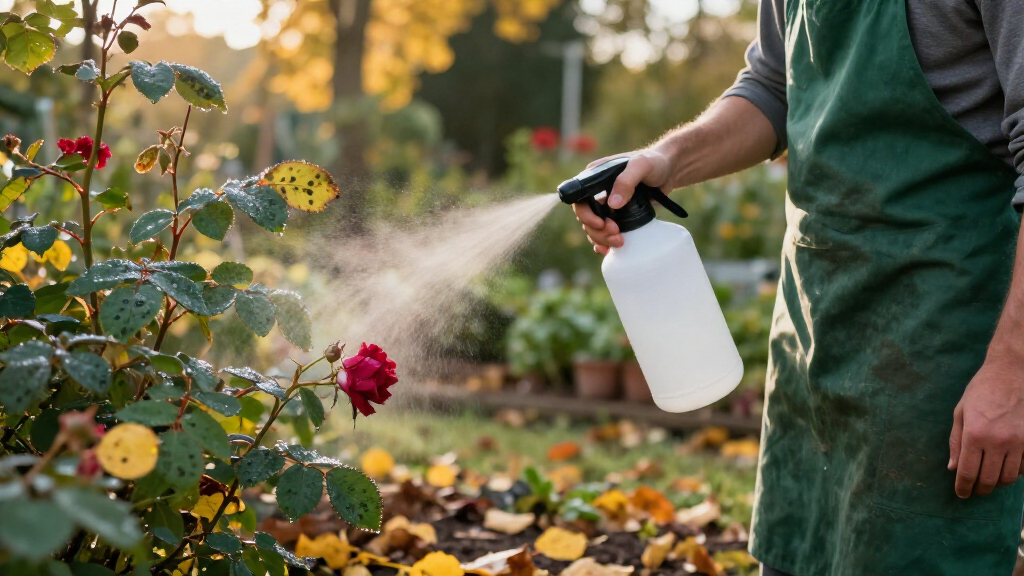
The report recommends first removing infected leaves still attached to the plant, then raking up fallen foliage and debris around its base. Do the work when the plants are dry, Harvell advises, because handling wet foliage can help the disease spread. Wear sturdy protective gloves to guard against thorns and diseased material, and wash hands after the task.
Collected leaves should be put directly in household trash rather than left in the bed or placed in a typical home compost pile, the report says. Harvell advises cleaning garden tools after use. Once debris is removed, a fresh layer of mulch may help limit soil and fungal material splashing onto foliage during rain or watering.
Reducing Spores Before Winter
Fall cleanup addresses a potential source of infection before roses enter dormancy. Removing infected foliage does not guarantee that black spot will not return, but it can reduce material beneath the plant that may carry spores through winter. That makes the task a practical part of disease management, particularly for roses that showed spotting during the growing season.
The advice also offers a way to limit spread without relying on a fungicide. A thorough cleanup, dry-weather handling and careful disposal focus on infected plant material and garden hygiene. The report does not claim that October cleanup cures an active infection or eliminates every source of spores.
Products Worth Considering

EGO POWER+ Cordless Electric Leaf Blower, 530 CFM, with 2.5Ah Battery (LB5302)

EGO Power+ LB8803-2 Cordless Leaf Blower with Two Batteries

Greenworks 40V Cordless Leaf Blower/Vacuum with 5.0 Ah Battery and Charger
As an affiliate, we earn on qualifying purchases.
Why October Cleanup Helps
Repeat-flowering roses, including Hybrid Tea and Floribunda varieties, may produce another flush of blooms in October. The Homes & Gardens report notes that cooler temperatures and moist conditions can help those flowers last longer, but gardeners may need to look closely at foliage: plants that appear healthy from a distance can still have black-spotted, yellowing leaves.
Black spot spreads through rose foliage and can weaken plants and reduce flowering. Some varieties are bred for disease resistance, but the report cautions that resistance is not a guarantee against infection. Its central recommendation is seasonal sanitation: remove infected leaves and debris, then avoid moving fungal material around on hands or tools.
“Removing and destroying infected leaves at the end of the season can reduce one of the sources that could cause a new infection to begin.”
— Wes Harvell, rosarian at Jackson & Perkins, as quoted by Homes & Gardens
Limits of Fall Sanitation
The report does not quantify how much October cleanup reduces infections, or whether the effect varies by climate, rose variety or the severity of disease. It presents cleanup as a way to reduce one source of spores, not as a complete control method. It also does not establish that every infection begins in debris under the plant; spores can spread through wind and water, according to the report.
Disposal rules differ by location. The report advises checking municipal guidance for large quantities of foliage and checking local fire rules before any burning. Its reference to burying infected material gives a depth of one foot and also gives a metric conversion that does not match; gardeners should verify local guidance rather than rely on that conflicting measurement.
Fall Cleanup and Local Rules
Gardeners with black-spotted roses can inspect plants and surrounding beds during October, remove affected foliage while it is dry, and bag it for household garbage. They should clean tools afterward, wash their hands and consider refreshing mulch around the plants. If a large volume of material needs disposal, check the municipality’s official website for collection or drop-off options.
As roses shed leaves and enter dormancy, continued removal of infected debris can help keep the area beneath plants clear. The report offers no date for a follow-up or measured results from this advice; the next relevant step is routine monitoring for new symptoms in the following growing season.
Key Questions
What does black spot look like on roses?
It can begin as dark purplish or black spots on leaves. The surrounding leaf may turn yellow and eventually fall.
Why remove infected rose leaves in October?
In colder climates, roses are beginning to shed foliage and enter dormancy. Removing infected leaves and debris may reduce one source of spores that can persist beneath plants over winter.
Can black-spot-infected leaves go in a home compost pile?
The report advises against it. It says spores may survive in fallen foliage and that typical home compost piles may not maintain the heat needed to destroy them. Put infected material in household trash or check local disposal guidance.
What precautions should I take during cleanup?
Work when the plants are dry, wear protective gloves around thorns and diseased leaves, clean tools afterward and wash your hands. Avoid using a leaf blower near infected foliage because it can spread spores.
Source: homesandgardens.com