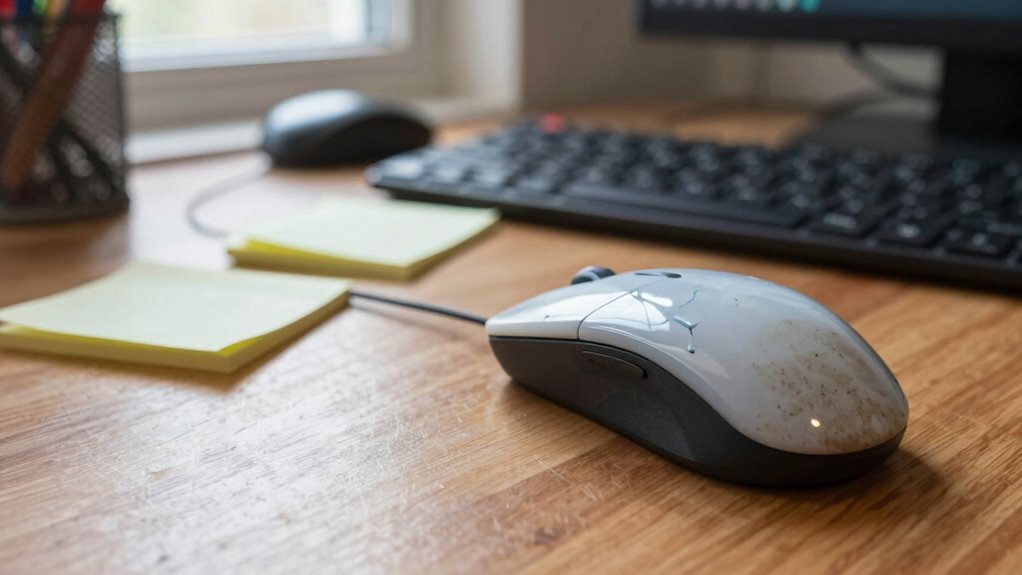

Your hands constantly touch surfaces like phones, door handles, and keyboards that can carry harmful germs. When you touch these contaminated areas, germs can transfer to your face, mouth, or eyes, increasing your risk of illness. By practicing good hygiene—such as washing hands often and disinfecting touch points—you greatly reduce the chance of germs entering your body. Continue exploring how mindful habits at your most touched objects can protect your health every day.
Open a free Amazon Business account
Business pricing, bulk buying and tax-exempt orders.
As an affiliate, we earn on qualifying purchases.
Key Takeaways
- Touch points like phones and doorknobs harbor germs that can transfer to your hands and into your body.
- Regular cleaning and disinfecting of frequently touched surfaces reduce germ survival and transmission risk.
- Hand hygiene after touching common surfaces prevents the transfer of germs to your face and mouth.
- Building habits of cleaning and handwashing at touch points creates long-term disease prevention routines.
- Understanding which surfaces harbor germs helps prioritize cleaning efforts to minimize illness.
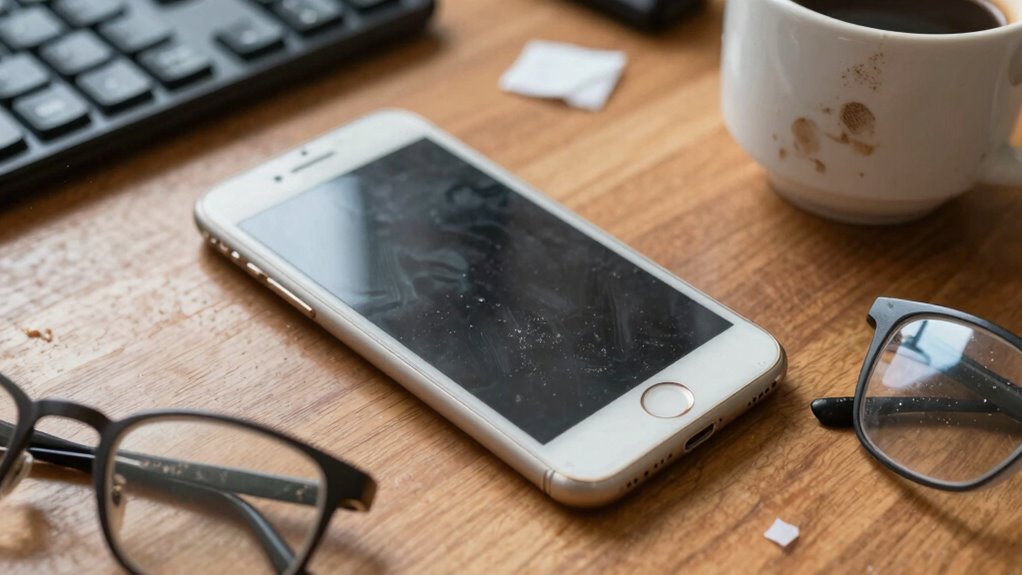
Have you ever wondered how simple actions can substantially reduce your risk of illness? It all begins with the touch points you encounter every day. The surfaces you come into contact with—your phone, door handles, keyboard, and even your workspace—can harbor germs that cause illnesses. Taking control of these touch points through proper hand hygiene and surface cleaning can markedly lower your chances of getting sick. Think of your hands as a bridge between the outside world and your body; when you touch contaminated surfaces and then touch your face, mouth, or eyes, you’re transferring germs directly into your system.
Practicing hand hygiene is one of the most effective ways to protect yourself. Washing your hands regularly with soap and water for at least 20 seconds helps remove germs physically. If soap and water aren’t available, using an alcohol-based hand sanitizer with at least 60% alcohol is a good alternative. Remember, it’s not just about washing your hands after using the bathroom or before eating—it’s essential after touching frequently used surfaces. Touch points like elevator buttons, ATM screens, or shared office equipment can carry a multitude of germs, so making hand hygiene a habit before touching your face or eating is key.
Regular hand hygiene after touching shared surfaces helps prevent the spread of germs and illness.
Surface cleaning plays an equally important role in disease prevention. Regularly disinfecting high-touch surfaces reduces the presence of germs in your environment. You don’t need specialized chemicals for this—simple disinfectants like diluted bleach solutions, alcohol-based wipes, or other EPA-approved cleaners work well. Focus on areas you touch often, such as countertops, light switches, phone screens, and keyboards. When you clean these surfaces thoroughly, you cut down the chances of germs lingering and spreading. Consistency matters here; daily cleaning of your workspace and home surfaces keeps your environment safer. Additionally, understanding that germs can survive on surfaces for hours or even days highlights the importance of frequent cleaning to prevent long-term contamination. This knowledge underscores the significance of using proper disinfection techniques to effectively eliminate germs from surfaces.
Moreover, understanding the survival time of germs on various surfaces can help you prioritize cleaning routines more effectively. Being aware of the duration germs remain active on different materials encourages more diligent hygiene practices. Knowing that pathogens can survive on surfaces for extended periods emphasizes the need for regular cleaning routines to minimize contamination. Understanding the connection between touch points and illness makes it easier to stay proactive. It’s about creating a routine that incorporates hand hygiene and surface cleaning into your daily life. When you make these practices habitual, you’re effectively minimizing the pathways germs use to enter your body. It’s not just about avoiding illness now—it’s about establishing a foundation of good habits that protect your health long-term. So, next time you reach for your phone or open a door, remember that a quick hand wash or surface wipe can make all the difference. Small, mindful actions at your touch points can markedly reduce your risk of disease and keep you healthier, every day.

Amazon Basics Disinfecting Wipes, Lemon & Fresh Air Scent, Multi-Surface, Sanitizes/Cleans/Disinfects/Deodorizes, Strong & Convenient, 320 Count (4 Packs of 80)
- Multi-surface use: Suitable for kitchens, bathrooms, and more
- Durable wipes: Strong and tough for tough messes
- One-step cleaning: Cleans and disinfects simultaneously
As an affiliate, we earn on qualifying purchases.
As an affiliate, we earn on qualifying purchases.
Frequently Asked Questions
How Often Should I Clean My Frequently Touched Items?
You should clean frequently touched items daily, especially those with smooth surface materials like doorknobs, smartphones, and countertops. Establish a regular cleaning schedule to prevent germs from spreading. Wipe down surfaces with disinfectant and wash your hands afterward. Items like keyboards and light switches need more frequent attention, ideally every day or two, to reduce the risk of illness. Consistent cleaning keeps your environment safer and healthier.
Are There Specific Disinfectants Recommended for Everyday Surfaces?
You need the superhero of disinfectants for your daily surfaces! For materials like stainless steel, plastic, or glass, go for EPA-registered disinfectant types that are effective against viruses and bacteria. Look for products labeled for everyday use, and always follow instructions. These disinfectants are specially formulated to tackle germ giants on high-touch surfaces, turning your routine cleaning into a powerful barrier against illness.
Can Touching Objects Transmit Viruses Even if They Look Clean?
Yes, touching objects can transmit viruses even if they look clean. Surface contamination is common, and viruses can linger on surfaces for hours or days, depending on the material. When you touch contaminated objects, you risk virus transmission to your hands and, eventually, your face or mouth. That’s why regular cleaning and disinfecting are essential, especially for frequently touched items, to reduce the chances of infection.
What Hand Hygiene Practices Are Most Effective After Touching Surfaces?
After touching surfaces, you should use hand sanitizer with at least 60% alcohol for quick, effective disinfection. When possible, wash your hands with soap and water for at least 20 seconds, paying attention to all areas. Additionally, regularly sterilize frequently touched surfaces in your environment. These practices help eliminate germs and reduce infection risks, keeping you healthier and safer.
How Can I Reduce Contact With Shared Public Items?
To reduce contact with shared public items, use personal protective equipment like gloves or hand sanitizer when necessary. Opt for items made of materials less prone to harboring germs, such as stainless steel or plastic, and avoid porous surfaces like fabric or wood. When touching shared objects, wash your hands thoroughly afterward, and consider using disinfectant wipes on surfaces before contact. These steps help minimize your risk of disease transmission.
Conclusion
Remember, the surfaces you touch daily are like silent messengers, quietly transferring germs from one place to another. By keeping your hands clean and regularly disinfecting your most-used objects, you’re not just protecting yourself — you’re guarding those around you. Think of your touchpoints as the gateways between health and illness; with each mindful act, you’re closing the door on disease. Don’t just hope for safety—take control, because prevention truly begins with what you touch most often.
Back to school Picks
back to school
As an affiliate, we earn on qualifying purchases.