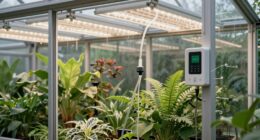
To stop disease spread in your greenhouse, you should implement an integrated workflow combining early pathogen detection, environmental management, and sanitation practices. Regularly inspect plants, use diagnostic tools, and track environmental data to spot issues early. Manage airflow and humidity through automated systems, disinfect tools and equipment, and establish quarantine zones for suspect plants. By combining these strategies, you create a proactive defense that minimizes outbreaks; exploring these steps further can help you build a resilient greenhouse.

Get garden gear delivered free — and shop member deals
- Fast, free delivery on millions of items
- Access to Prime Big Deal Days deals on October 6–7
- Prime Video, Amazon Music and more included
Key Takeaways
- Implement regular plant inspections and early pathogen detection methods to prevent disease spread.
- Automate environmental controls to maintain optimal humidity and airflow, reducing pathogen favorable conditions.
- Enforce strict sanitation protocols for tools, equipment, and quarantine procedures for infected plants.
- Use environmental monitoring systems to identify and address conditions that promote disease development.
- Integrate all workflows—disease detection, environmental management, and sanitation—for a proactive disease prevention strategy.
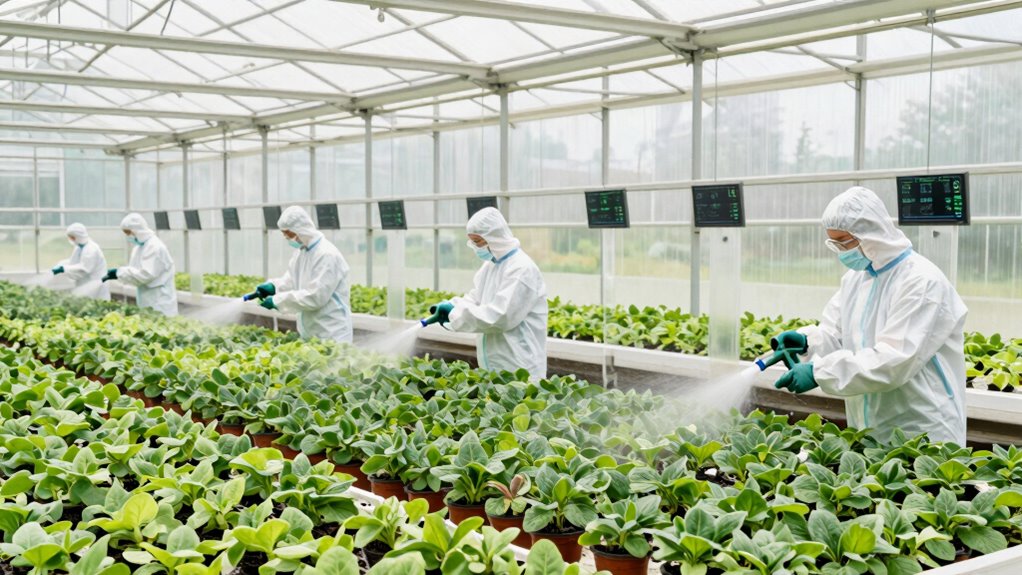
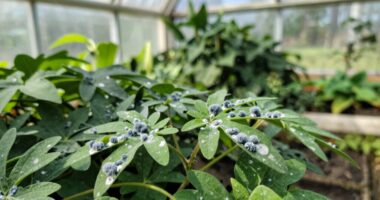
To effectively prevent the spread of diseases in your greenhouse, implementing streamlined workflows is crucial. One of the most critical steps is accurate plant pathogen identification. By promptly recognizing signs of infection—such as unusual spots, wilting, or discoloration—you can catch problems early before they spread to healthy plants. Regular inspection routines should be integrated into your daily workflow, focusing on both mature plants and new transplants. Using diagnostic tools like microscopy or pathogen testing kits helps confirm the presence of specific pathogens, enabling you to target treatment efforts efficiently. This proactive approach minimizes unnecessary pesticide use and reduces the risk of widespread outbreaks.
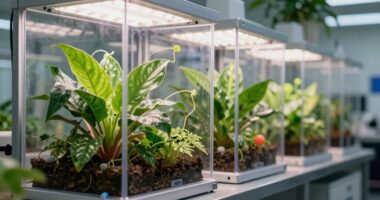
Automated ventilation plays an essential role in maintaining a healthy environment and preventing disease transmission. When airflow is properly managed, humidity levels stay consistent, and excess moisture that fosters fungal or bacterial growth gets removed. Incorporate automated systems that adjust ventilation based on real-time temperature and humidity data. This automation ensures your greenhouse remains within ideal conditions without requiring constant manual adjustments, reducing human error and oversight. Proper airflow also discourages stagnant air pockets that can harbor pathogens, limiting their ability to infect plants. Together with plant pathogen identification, automated ventilation creates a proactive defense, lowering the likelihood of disease outbreaks. Regular monitoring of environmental conditions using digital record-keeping is also vital for early detection of potential issues, as it helps you identify environmental fluctuations that could favor pathogen development. Incorporating environmental monitoring systems can further enhance your ability to maintain optimal conditions. Additionally, understanding disease-prone conditions can help you modify environmental parameters proactively. Implementing early detection techniques can further improve your ability to catch issues before they escalate.
Your workflow should also include strict sanitation protocols. Disinfect tools, trays, and other equipment regularly, especially after working with infected plants. Establish clear procedures for handling diseased specimens—remove and isolate them immediately to prevent contamination. Implementing a color-coded or labeled system for quarantining suspect plants helps keep infections contained. Training your staff to recognize early disease symptoms and follow sanitation procedures ensures everyone contributes to disease prevention. These steps, combined with routine cleaning, considerably decrease the chances of pathogens spreading via tools, hands, or contaminated surfaces. Consistent sanitation practices are fundamental to maintaining a disease-free environment.
Furthermore, integrating digital record-keeping into your workflows allows you to track disease patterns, treatment responses, and environmental conditions over time. Data analysis can reveal trends or recurring issues, prompting you to adjust your management practices accordingly. Automated systems can also alert you to environmental anomalies that favor pathogen development, enabling quick intervention. By streamlining these workflows—covering pathogen identification, environmental control, sanitation, and record-keeping—you create a thorough defense against disease spread. This approach not only safeguards your plants’ health but also improves overall productivity and reduces costs associated with disease management. Staying consistent with these practices ensures your greenhouse remains a healthy, thriving environment for your crops.
greenhouse environmental monitoring system
As an affiliate, we earn on qualifying purchases.
As an affiliate, we earn on qualifying purchases.
Frequently Asked Questions
How Often Should Greenhouse Sanitation Protocols Be Updated?
You should update your greenhouse sanitation protocols at least once a year, or more often if you notice pest control issues or signs of disease. Regularly reviewing protocols guarantees soil sterilization methods remain effective and adapt to new pests. Keep an eye on your greenhouse environment, and adjust your sanitation practices accordingly. Frequent updates help prevent disease spread, maintain healthy plants, and optimize pest control strategies, keeping your greenhouse productive and disease-free.
What Are the Signs of Disease Early Detection in Plants?
Think of your plants as a finely tuned orchestra; early disease signs are the subtle discordant notes. Watch for disease symptoms like discolored leaves, spots, or wilting, which signal trouble. Recognize plant vulnerability by observing slowed growth or unusual markings. Catching these early signs allows you to act swiftly, preventing disease from spreading throughout your greenhouse. Regular monitoring helps keep your plant community healthy and thriving.
Can Automation Improve Disease Management Workflows?
Yes, automation can considerably improve disease management workflows. You can implement automated pest monitoring systems that detect pests early, allowing quick action before outbreaks occur. Digital disease tracking tools help you monitor plant health in real time, making it easier to identify and respond to issues promptly. These technologies streamline your workflow, reduce manual effort, and enhance your ability to prevent disease spread effectively.
How Do Weather Conditions Influence Disease Spread?
They say “a little rain must fall,” and in greenhouses, weather patterns considerably influence disease spread. You need to monitor humidity control closely because high humidity fosters fungal and bacterial growth. Sudden weather changes can increase disease risk, so adjusting ventilation and watering schedules accordingly is essential. By staying vigilant about weather conditions, you can prevent outbreaks and keep your plants healthy and productive.
What Training Is Necessary for Staff on Disease Prevention?
You need to train your staff on pest control and nutrient management to prevent disease spread effectively. Make sure they understand proper sanitation, pest identification, and timely intervention. Teach them how to manage nutrients to promote healthy plant growth, reducing vulnerability. Regularly update training to include new methods and best practices. Empower your team to recognize early signs of disease and respond quickly, keeping the greenhouse environment healthy and productive.
Conclusion
By following these greenhouse workflows, you can effectively prevent disease spread and keep your plants healthy. Think of it like a well-orchestrated dance—each step, from sanitizing tools to monitoring humidity, plays an essential role. Skipping even one step can let disease slip through unnoticed. So, stay vigilant, stick to your routines, and picture your greenhouse as a fortress of healthy plants, thriving because every action works together to keep threats at bay.
Fall Picks
fall essentials
As an affiliate, we earn on qualifying purchases.