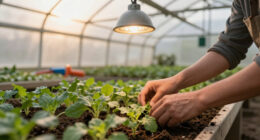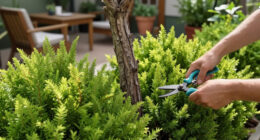
Plant spacing is a crucial care practice because it directly impacts your plants’ health and growth. Proper spacing guarantees roots have enough room to access nutrients and water, preventing competition that can stunt growth. It also improves airflow, reducing the risk of pests and diseases. When you space plants correctly, maintenance becomes easier, and your garden looks better. Keep exploring to discover how thoughtful spacing can help your garden thrive in the long run.
Open a free Amazon Business account
Business pricing, bulk buying and tax-exempt orders.
As an affiliate, we earn on qualifying purchases.
Key Takeaways
- Proper spacing ensures roots have adequate access to nutrients and water, directly affecting plant health and growth.
- Adequate spacing improves airflow, reducing the risk of pests and diseases that can harm plants.
- Spacing facilitates easier maintenance, watering, pruning, and harvesting, promoting overall plant care.
- It supports healthy development of plant roots and foliage, preventing overcrowding and associated problems.
- Thoughtful spacing enhances long-term plant vitality, garden sustainability, and aesthetic appeal.
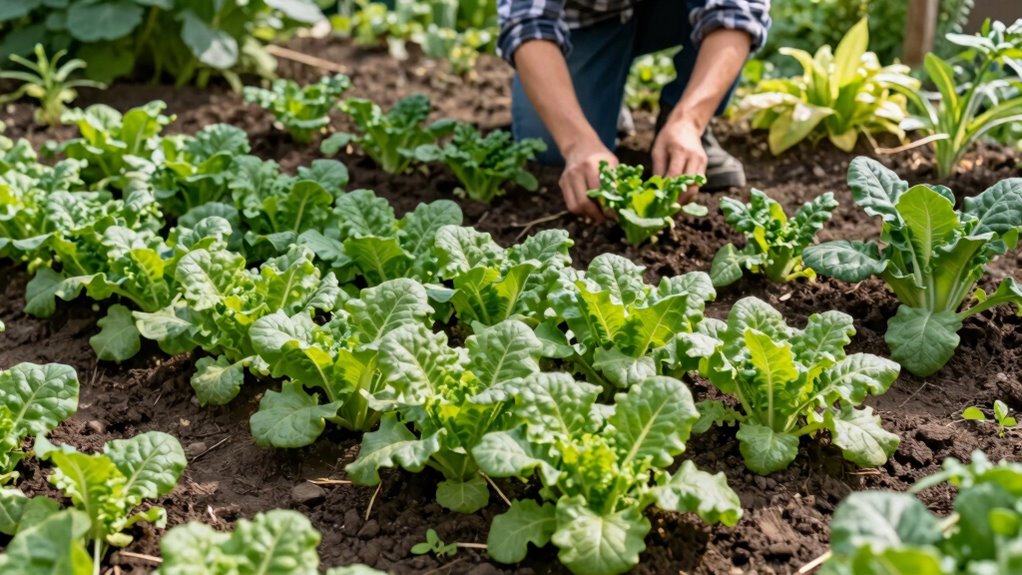
Proper plant spacing is essential for healthy growth and easier maintenance, yet it’s often overlooked by gardeners. When you plant too close together, root competition becomes a serious issue. Roots need space to expand and access nutrients and water from the soil. Overcrowded plants struggle to get what they need, which stunts their growth and weakens their overall health. You might notice smaller leaves, fewer flowers, or delayed flowering—signs that the roots are fighting each other for resources. Spacing correctly ensures each plant has enough room to develop a strong root system, leading to vigorous, healthy growth. Paying attention to long-term plant health by providing proper spacing can prevent many common problems before they start. Proper spacing also encourages plants to develop a more resilient structure, making them better equipped to withstand environmental stresses. Additionally, adequate spacing allows for better nutrient uptake, which is vital for overall plant vitality. Beyond root competition, proper spacing plays a crucial role in pest prevention. When plants are crowded, airflow between them decreases, creating a damp environment that pests and diseases love. Poor air circulation makes it easier for fungi, mold, and bacteria to settle in, and pests can hide more easily on densely packed foliage. By giving your plants enough space, you improve airflow, which helps keep leaves dry and reduces the likelihood of infestations. This proactive approach to spacing can save you time and effort in pest control later on, and it promotes healthier plants overall. In addition, proper spacing can improve the overall aesthetic appeal of your garden, making it more inviting and easier to enjoy. Spacing also simplifies maintenance tasks like watering, pruning, and harvesting. When plants are too close, you may find it difficult to reach into the middle or the back of the bed without damaging other plants. Properly spaced plants make it easier to water thoroughly, ensuring each plant receives adequate moisture without over-saturating neighboring ones. Pruning becomes less cumbersome, and you can better monitor each plant’s health. Additionally, harvesting is more efficient when plants are accessible, reducing the risk of damaging fruits or flowers during collection. Good garden design principles support efficient care and help prevent overcrowding over time. In the long run, paying attention to plant spacing isn’t just about aesthetics; it’s about giving your garden the best chance to thrive. When you consider root competition, you’re ensuring your plants develop strong, deep roots that support healthy growth. By preventing overcrowding, you also reduce the risk of pest problems and disease spread, which can devastate a densely packed garden. Proper spacing is an investment in your plants’ health, making maintenance simpler and more effective. It also encourages better air circulation, which further reduces the risk of disease. Neglecting proper spacing can lead to tangled growth and difficulty in managing your garden effectively. Ultimately, thoughtful spacing isn’t just a layout concern; it’s a core element of your garden’s vitality.
As an affiliate, we earn on qualifying purchases.
Frequently Asked Questions
How Does Plant Spacing Affect Pest Prevention?
Plant spacing directly impacts pest prevention by promoting healthy growth and reducing vulnerability. When you space plants properly, you allow for better soil aeration, which keeps roots healthy and discourages pests. Incorporate companion planting to naturally deter pests, as some plants repel harmful insects. Proper spacing guarantees airflow and makes it harder for pests to establish, helping your garden stay healthier and reducing the need for chemical interventions.
Can Improper Spacing Lead to Disease Spread?
Yes, improper spacing can lead to disease spread. When plants are too close, root competition increases, weakening their resistance and making it easier for diseases to spread. Overcrowding also hampers airflow, creating moist conditions that promote fungal growth. Additionally, poor spacing can cause soil erosion around roots, exposing them to pathogens. Ensuring proper plant spacing helps maintain healthy roots, reduces disease risk, and promotes better soil stability.
What Signs Indicate Plants Need More Space?
Think of your garden as a bustling city; crowded streets signal the need for more space. When plants exhibit stunted growth, yellowing leaves, or poor airflow, it’s a sign of plant crowding. These issues threaten health and aesthetics, as tight spacing hampers growth and invites disease. By giving plants room to breathe, you enhance their beauty and resilience, ensuring your garden remains vibrant and healthy.
How Does Spacing Influence Watering Needs?
Proper spacing directly impacts your watering needs because it influences root development and sunlight exposure. When plants are too close, roots compete for water, making watering less efficient and potentially overwatering or underwatering them. Adequate spacing allows roots to grow freely, ensuring better water absorption. It also improves sunlight exposure, which helps plants use water more effectively, reducing the frequency and amount of watering needed for healthy growth.
Is Crop Yield Impacted by Plant Spacing?
Research shows that ideal plant spacing can boost crop yield by up to 20%. When you consider companion planting and aesthetic design, proper spacing guarantees plants have enough room to grow, access nutrients, and resist pests. This directly impacts productivity. By carefully planning spacing, you enhance yield potential and create a visually appealing garden, making your efforts both fruitful and beautiful.
Conclusion
Think of plant spacing as the gentle hand that guides your garden’s growth, not just the lines on a map. When you give each plant room to breathe, you’re watering their roots with care and patience. It’s like creating a symphony where every instrument has space to shine. By paying attention to spacing, you’re nurturing a thriving, vibrant garden—where each plant’s success is a proof of your attentive, loving care.
Flea & tick season Picks
flea and tick prevention
As an affiliate, we earn on qualifying purchases.