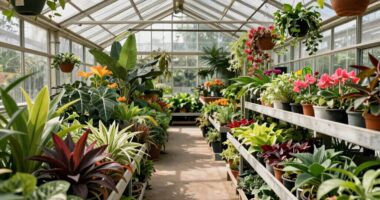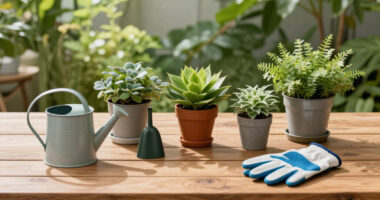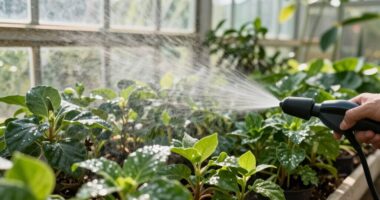
Using better benches and trays helps you create a more controlled environment for seed starting, boosting success. Elevating trays improves light exposure, promotes airflow, and prevents diseases like damping-off. Trays with individual cells allow precise moisture regulation, while sturdy, eco-friendly materials guarantee durability and sustainability. Organizing your setup makes watering, monitoring, and adjusting easier, leading to healthier seedlings. To discover how optimizing your seed-starting space can yield even better results, keep exploring these strategies.

Get garden gear delivered free — and shop member deals
- Fast, free delivery on millions of items
- Access to Prime Big Deal Days deals on October 6–7
- Prime Video, Amazon Music and more included
Key Takeaways
- Elevate trays to optimize light exposure, promoting healthy, stocky seedling growth.
- Use organized benches to improve environmental control and reduce seedling stress.
- Proper trays with individual cells ensure precise moisture regulation, enhancing germination rates.
- Better ventilation and drainage on benches prevent disease and root rot.
- Eco-friendly, durable trays support sustainability and consistent seedling development over seasons.
Have you ever wondered how to guarantee your garden gets a strong start? One of the keys lies in how you set up your seed starting area, especially with the right benches and trays. These tools aren’t just placeholders; they influence vital factors like soil moisture and lighting conditions, both of which directly impact seed germination and early growth. When you choose better benches, you create a more controlled environment that can help maintain consistent soil moisture. Proper drainage is essential here—benches with good airflow prevent excess water from pooling, reducing the risk of damping-off disease and root rot. When soil stays evenly moist, seeds are less likely to dry out or become waterlogged, giving them the best conditions to sprout.
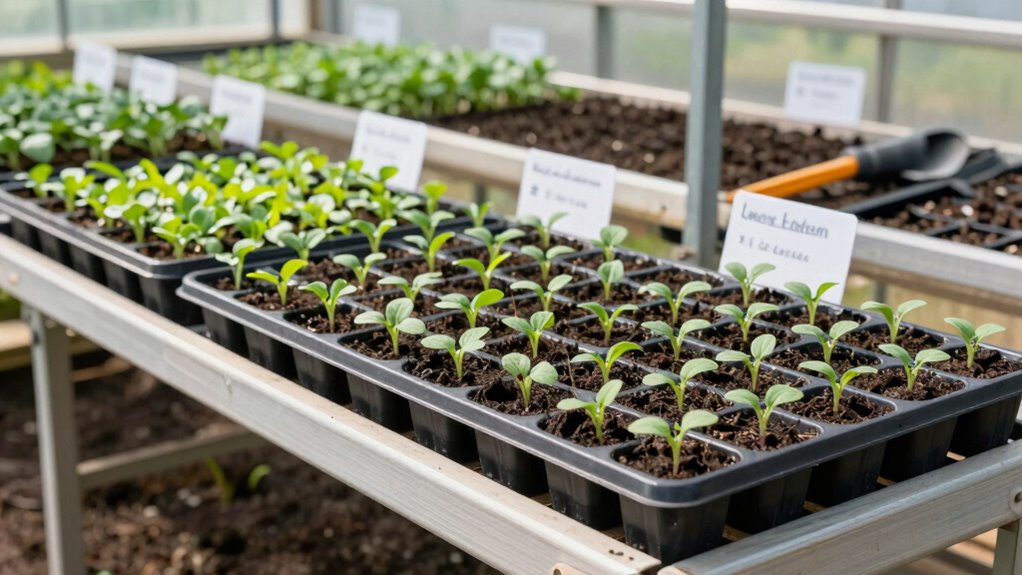
Trays also play an essential role. Using trays with individual cells or compartments allows you to regulate soil moisture more precisely. You can water each section just enough without over-saturating, which helps prevent mold and fungal issues. Plus, trays that are sturdy and well-designed ensure even distribution of moisture and make handling easier. When your trays are of high quality, they’re less likely to crack or warp, which means you can reuse them season after season, maintaining consistency in your seed-starting process. Additionally, choosing trays made from durable, eco-friendly materials can further improve your sustainability efforts. Proper environmental control is crucial for creating optimal conditions for seedlings to develop strong roots and healthy stems.
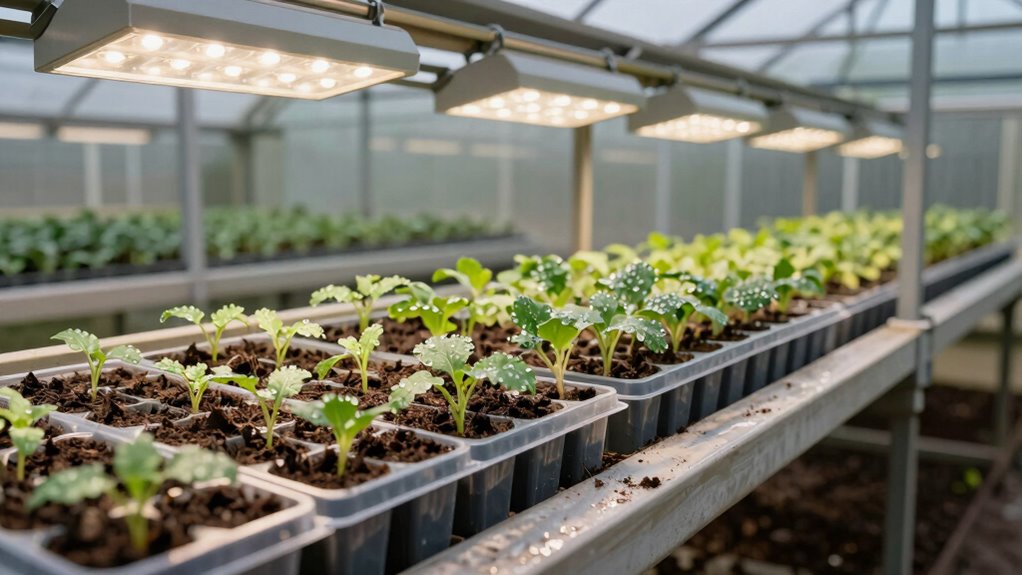
Lighting conditions are equally important, and better benches can facilitate improved lighting setup. Elevated or well-ventilated benches help position your trays closer to natural light sources or grow lights, ensuring your seedlings receive adequate brightness. When seedlings get enough light, they grow strong and stocky, reducing leggy, weak plants that often flop over. Properly designed benches can also prevent shadows from falling on your trays, maximizing light exposure. If your setup allows for adjustable height, you can fine-tune the distance between the light source and your seedlings as they grow, promoting healthier, more vigorous plants.
In addition, a good bench system often helps with organization. You can designate specific areas for different types of seeds, making watering, monitoring, and adjusting lighting much simpler. This organization reduces the chances of neglecting certain trays or mixing up plants, which can lead to uneven growth. When your seed starting setup is efficient and well-thought-out, it minimizes stress on your seedlings and makes the entire process more manageable. Using appropriate equipment can enhance your control over environmental factors, leading to better germination rates. Proper lighting and ventilation, supported by quality benches, can also help regulate temperature and humidity levels, further supporting healthy growth.
seed starting trays with individual cells
As an affiliate, we earn on qualifying purchases.
As an affiliate, we earn on qualifying purchases.
Frequently Asked Questions
What Materials Are Best for Building Seed Starting Benches?
You should choose sturdy materials like treated wood, metal, or durable plastic for building seed starting benches. These materials guarantee good bench durability, supporting your trays over time. Opt for a seed material that’s lightweight yet strong, making assembly easier and benches more resilient. Avoid flimsy or untreated wood that may warp or decay, as solid, weather-resistant materials help maintain a stable, long-lasting setup for successful seed starting.
How Do Trays Impact Seedling Health and Growth?
Trays directly impact seedling health and growth by ensuring proper seedling nutrition and meeting light requirements. When you use well-designed trays, seedlings receive consistent moisture and nutrients, promoting strong root development. They also help position seedlings to maximize light exposure, which is essential for healthy growth. By choosing the right trays, you create an environment that supports vigorous seedlings, leading to higher success rates in your starting process.
Can DIY Benches Be as Effective as Commercial Ones?
DIY benches can be just as effective as commercial ones if you prioritize seed tray organization and bench portability. You can customize your setup to fit your space and needs, ensuring trays are easily accessible and well-organized. Using simple, sturdy materials, you’ll create a functional workspace that’s portable enough to move around as needed. With some effort, your DIY bench can support healthy seedling growth just like a commercial one.
What Maintenance Is Needed for Seed Starting Trays and Benches?
You should clean your seed trays and benches regularly, ideally after each use, to prevent disease spread. Use mild soap and water, then disinfect with a diluted bleach solution to reduce pests and fungi. Check fertilizer requirements for your seedlings, as over- or under-fertilizing can weaken plants. Regular maintenance boosts success rates, with studies showing well-maintained trays increase germination by up to 30%. Proper care keeps pests at bay and guarantees healthy growth.
How Does Bench Height Affect Seedling Development?
You’ll find that bench height considerably impacts seedling development by influencing lighting conditions and air circulation. When your benches are too low, seedlings may get insufficient light, stretching and weakening. Higher benches improve light exposure and promote even air circulation, reducing disease risk. Adjusting bench height ensures seedlings grow strong, healthy, and well-developed, making the most of your lighting setup and maintaining ideal airflow for robust growth.
Conclusion
By upgrading your benches and trays, you’re planting the roots of success. Think of your setup as the sturdy branches that support vibrant blooms; each element holds the promise of growth. As you nurture your seedlings, these tools become your guiding stars, leading them toward sunlight and strength. With better trays and benches, you’re not just starting seeds—you’re cultivating a future filled with lush, thriving gardens. Let your vision blossom with every careful step forward.
Fall Picks
fall essentials
As an affiliate, we earn on qualifying purchases.