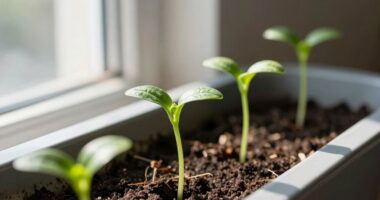
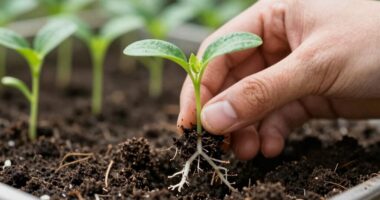
Growing strawberries and berries in your greenhouse gives you a controlled environment to produce fresh, tasty fruits year-round. You can extend your growing season, shield plants from pests and harsh weather, and improve fruit ripening consistency. To succeed, focus on maintaining healthy soil, organic pest control, and proper watering. Creating a resilient, well-managed space will boost your harvest quality and quantity. Keep going to discover more tips for thriving berry cultivation in your greenhouse.
Key Takeaways
- Maintain well-drained, organic-rich soil with a slightly acidic pH for healthy strawberry and berry growth.
- Use environmental controls like ventilation and humidity management to optimize greenhouse conditions.
- Implement organic pest control methods, including beneficial insects and physical barriers, to protect crops.
- Ensure consistent watering practices to prevent overwatering and root issues.
- Provide year-round care with proper pruning, fertilization, and disease prevention for high-quality yields.
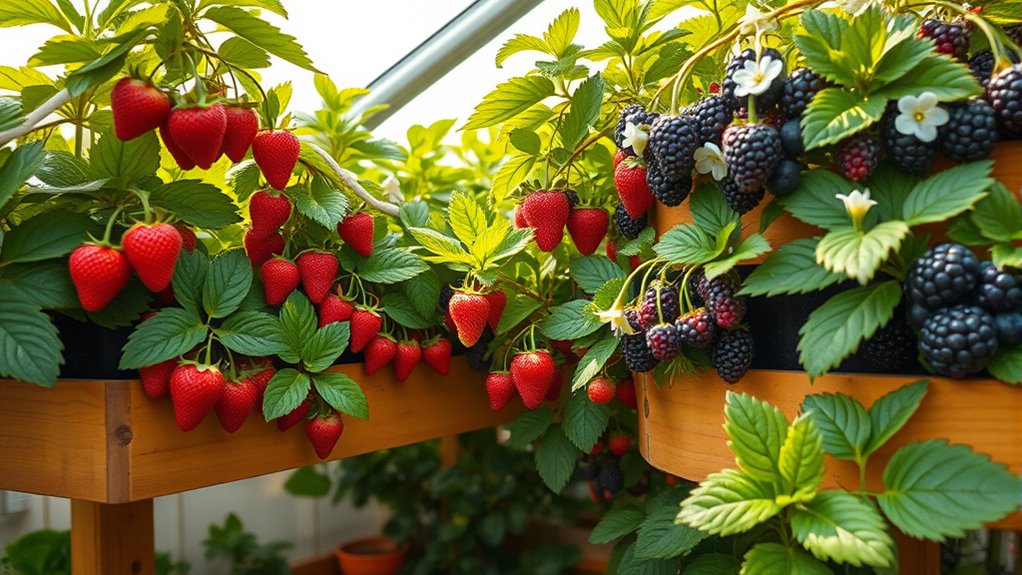
Growing strawberries and berries in your greenhouse offers a fantastic way to enjoy fresh, ripe fruit year-round. Unlike outdoor cultivation, a greenhouse provides a controlled environment, allowing you to extend your growing season and protect your plants from pests and harsh weather. To maximize your success, you need to focus on maintaining healthy soil nutrition and implementing effective organic pest control methods. These elements are essential in ensuring your berries flourish without relying on chemical inputs.
First, pay close attention to soil nutrition. The health of your plants hinges on the quality of the soil you provide. Start with a well-draining, fertile medium rich in organic matter. Incorporate compost or organic amendments to boost nutrient levels naturally. Regularly test your soil to monitor pH and nutrient content, adjusting as needed to keep it within ideal ranges for berries, typically slightly acidic. Proper soil nutrition encourages vigorous growth, better fruit production, and disease resistance. Remember, healthy soil supports strong root systems, which are necessary for your plants to absorb nutrients efficiently, especially in a greenhouse setting where pests and diseases can spread rapidly. Additionally, choosing hydrogen energy technologies can contribute to sustainable practices by powering greenhouse systems with clean energy, reducing your environmental footprint.
Prioritize soil health with organic matter, regular testing, and balanced pH to support thriving greenhouse berries.
Organic pest control is equally essential. Since you’re growing in a controlled environment, you have the advantage of managing pests without harmful chemicals. Start by maintaining cleanliness—remove plant debris and weeds that can harbor pests. Introduce beneficial insects like ladybugs or predatory mites to naturally keep aphids and spider mites in check. You can also use organic sprays such as neem oil or insecticidal soaps, which are safe for plants and your environment. Regular inspections help you catch pest problems early before they become severe. Creating a healthy, resilient plant ecosystem reduces the likelihood of pest outbreaks and minimizes the need for interventions.
Moreover, consider physical barriers like row covers or netting to protect berries during critical growth periods. Proper watering practices also play a role; avoid overwatering to prevent root rot and fungal issues. When combined with organic pest control strategies and well-maintained soil nutrition, your greenhouse becomes an ideal space for thriving strawberries and berries.

Maotong 240FT Drip Irrigation System Kit New Quick-Connect, Automatic Garden Watering Misting System for Greenhouse, Yard, Lawn, Plant with 1/2 inch Hose 1/4 inch Distribution Tubing and Accessories
Effortless Setup with Quick Connect Design: Say goodbye to tedious setups! Our upgraded 4-way connector, tee, and emitter...
As an affiliate, we earn on qualifying purchases.
Frequently Asked Questions
What Are the Best Strawberry Varieties for Greenhouse Cultivation?
You should choose day-neutral or everbearing strawberry varieties like Albion, Seascape, or Tristar for greenhouse cultivation. To guarantee healthy growth, prepare your soil with proper drainage and organic matter. Enhance pollination by using fans or introducing pollinators like bumblebees. These varieties produce fruit steadily, and good soil prep combined with effective pollination techniques will maximize your yield and fruit quality in the greenhouse environment.
How Do I Control Pests in My Greenhouse Strawberries?
Imagine your greenhouse as a safe haven, untouched by pests. To control pests, you should implement biological pest control by introducing beneficial insects like ladybugs or predatory mites that naturally feast on harmful pests. Additionally, use organic pesticides that target pests without harming your strawberries or the environment. Regularly inspect your plants, keep the environment clean, and maintain proper humidity to prevent pest outbreaks, ensuring your berries stay healthy and delicious.
What Is the Ideal Humidity Level for Greenhouse Berry Growth?
You should aim for a humidity level between 60-70% to optimize berry growth. Proper humidity control helps prevent mold and fungal issues, which can damage your plants. Keep an eye on moisture levels with a hygrometer and use ventilation or dehumidifiers as needed. Maintaining this balance guarantees healthy berries, reduces disease risk, and promotes vigorous growth in your greenhouse.
How Often Should I Fertilize My Greenhouse Strawberries?
In the age of enlightenment, you’ll want to fertilize your greenhouse strawberries every 4 to 7 days during the growing season. This guarantees your plants receive consistent soil nutrients, promoting healthy growth and fruit production. Adjust your fertilizer schedules based on plant needs and environmental conditions. Remember, over-fertilizing can harm your berries, so monitor their health and soil quality regularly to maintain ideal growth.
Can I Grow Strawberries Year-Round in a Greenhouse?
Yes, you can grow strawberries year-round in a greenhouse with proper seasonal planting and thoughtful greenhouse design. By maintaining ideal temperature, light, and humidity levels, you create the perfect environment for continuous growth. Adjust your greenhouse setup to accommodate seasonal changes, like adding shading or heating, ensuring strawberries thrive throughout the year. This way, you enjoy fresh berries regardless of the season, making your greenhouse a year-round strawberry haven.

Black Calla Lily Bulbs for Planting – Zantedeschia Elegant Dark Purple Blooms – Premium Flowering Bulbs for Garden, Patio & Indoor Pots – Easy to Grow Summer Bloomers (1 Bulb)
🖤 Striking Deep Black Blooms – Dramatic, velvety dark purple to near-black trumpet-shaped flowers create a bold statement...
As an affiliate, we earn on qualifying purchases.
Conclusion
Imagine stepping into your greenhouse, sunlight filtering through lush leaves, the sweet aroma of ripe strawberries filling the air. With careful tending, your berries flourish in this cozy haven, bursting with vibrant color and juicy flavor. As you pick each ripe fruit, you’ll feel a satisfying connection to your garden’s growth. Growing strawberries and berries in your greenhouse isn’t just a project—it’s a delicious journey that brings fresh, flavorful rewards right to your fingertips.

3 Yellow Calla Lily Bulbs – Elegant Trumpet-Shaped Blooms – Vibrant Summer Flowers – Easy to Grow Perennial Garden Plants – Great for Containers & Cut Flowers (3 Bulbs)
🌼 Elegant Golden Blooms: Produces stunning yellow calla lilies with smooth, trumpet-shaped flowers that add a touch of...
As an affiliate, we earn on qualifying purchases.

3 Pink Passion Calla Lily Bulbs for Planting – Elegant Perennial Flowers – Deer Resistant, Easy to Grow – Perfect for Gardens, Borders, Containers & Cut Flower Bouquets (3 Bulbs)
Elegant Blooms – Classic Calla Lilies add timeless beauty and sophistication to any garden or floral arrangement.
As an affiliate, we earn on qualifying purchases.