TL;DR
Some plant enthusiasts suggest watering indoor plants with summer rain as a natural refresh method. Experts warn that outdoor rain can pose risks like cold damage and pests, making indoor lukewarm showers safer.
Recent discussions among plant enthusiasts and experts question whether summer rain can serve as a natural, beneficial ‘spa’ for indoor plants. While some advocate for the practice, recent testing and expert advice highlight potential risks associated with outdoor watering during unpredictable summer showers.

Get garden gear delivered free with Prime
- Fast, free delivery on millions of items
- Prime Video, Amazon Music and more included
- Member-only deals all year
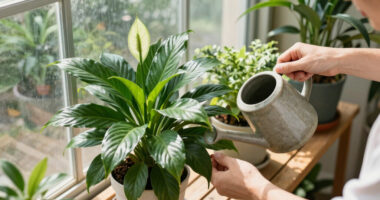
Indoor plants often suffer from dust accumulation, mineral deposits, and stale air due to prolonged indoor stays. Some suggest that exposing plants to warm summer rain can help wash away dust, refresh leaves, and simulate outdoor conditions. The proposed method involves waiting for warm, mild weather, placing plants outside protected from wind, and allowing them to enjoy a 20-minute rain shower before returning indoors.
However, recent firsthand testing revealed that British summer showers are often colder and more unpredictable than ideal for sensitive indoor plants. One tropical plant, a Calathea, developed dark patches after exposure to a chilly rain, while others, like a Monstera, showed signs of being knocked about. Experts warn that cold rain can cause chill damage, and waterlogged soil from heavy rain can lead to root rot, especially in potted plants without proper drainage. Additionally, outdoor pests such as vine weevils and slugs can hitch a ride back inside on the pots, posing further risks.
Why It Matters
This discussion matters because many indoor gardeners seek natural, chemical-free ways to maintain plant health. While rain might seem a gentle solution, the potential for damage, pest transfer, and unpredictable weather makes it a risky approach. Understanding these factors helps gardeners make safer choices, ensuring their indoor plants thrive without unintended harm.
Products Worth Considering

Orbit B-hyve XR 8-Zone Indoor/Outdoor Smart Sprinkler Controller

Orbit B-hyve 12-Zone Indoor/Outdoor Wi-Fi Sprinkler Controller
Orbit B-hyve XR 16-Zone Indoor/Outdoor Smart Sprinkler Controller
As an affiliate, we earn on qualifying purchases.
Background
Indoor plants can benefit from periodic cleaning and refreshment, but outdoor watering methods vary in safety. Recent advice from horticultural experts emphasizes caution, especially in regions with unpredictable weather. The practice of using summer rain gained popularity as a natural alternative to indoor watering, but recent experiments and expert opinions highlight the need for careful consideration of local climate conditions and plant sensitivity.
“British summer showers are often too cold and unpredictable, risking damage to sensitive indoor plants. A lukewarm indoor shower is safer and just as effective.”
— Horticultural expert Jane Smith
“While rain can help wash dust and refresh plant leaves, the risks of cold damage and pest transfer outweigh the benefits in most cases.”
— Botanist Dr. Alan Green
What Remains Unclear
It remains unclear whether specific plant species or local climate conditions could make outdoor rain more beneficial or safer. Further controlled testing and regional assessments are needed to determine if this practice can be safely recommended on a wider scale.
What’s Next
Experts suggest that gardeners should monitor weather conditions closely and prefer indoor lukewarm showers for cleaning and refreshing plants. Future research may explore specific plant types or climates where outdoor rain could be safely used.
Key Questions
Is it safe to water my indoor plants with summer rain?
Experts advise caution. While rain can help clean leaves, cold rain and pests pose risks. A lukewarm indoor shower is generally safer.
Can outdoor rain damage my indoor plants?
Yes, especially if the rain is cold or heavy, which can cause chill damage or waterlogging, and pests can hitch a ride back inside.
What are the benefits of using rain for indoor plants?
Rain can wash dust from leaves and provide a natural watering source, mimicking outdoor conditions.
How should I safely refresh my indoor plants?
Use a lukewarm, gentle shower indoors, avoiding prolonged exposure to outdoor rain, especially in unpredictable weather.
Are there any plants that tolerate outdoor rain better than others?
Some hardy plants may withstand outdoor rain better, but most indoor plants are sensitive to cold and pests, so caution is advised.
Source: Guardian Life