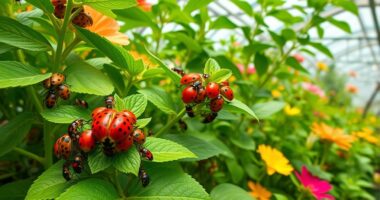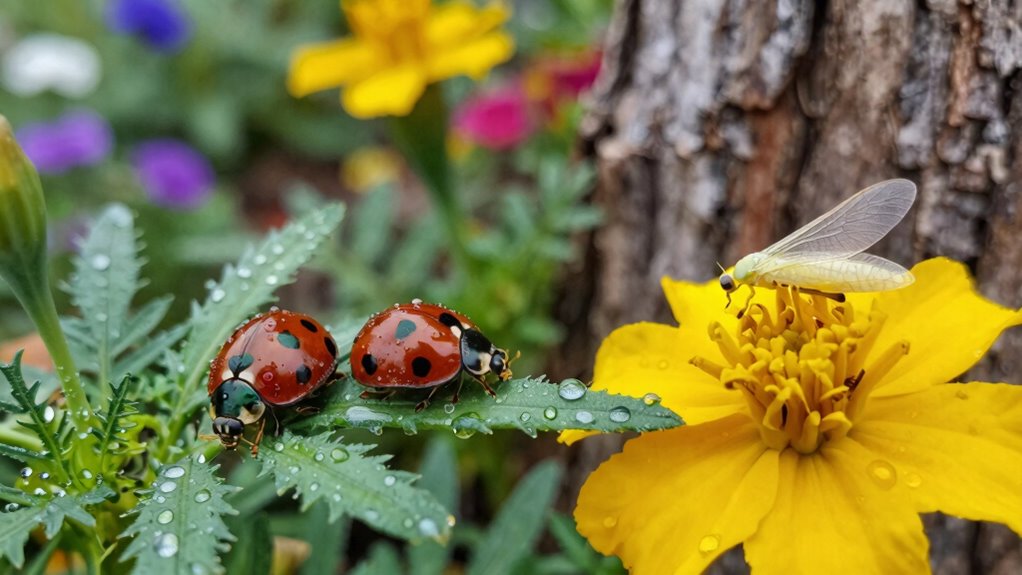

To support beneficial insects and prevent their sudden decline, create a diverse, pesticide-free garden with native plants that bloom at different times. Provide shelter, access to water, and trap crops to attract helpful bugs like ladybugs and pollinators. Regularly monitor insect activity using simple tools. By understanding their habits and needs, you can foster a thriving ecosystem that naturally controls pests and supports pollination—more tips ahead to help keep them safe and flourishing.

Get garden gear delivered free with Prime
- Fast, free delivery on millions of items
- Prime Video, Amazon Music and more included
- Member-only deals all year
Key Takeaways
- Create a diverse, native plant-rich garden with continuous bloom periods to provide food and habitat for beneficial insects.
- Avoid or reduce pesticide use to prevent harming helpful bugs and supporting their natural populations.
- Provide shelter options like bare soil, plant debris, or insect hotels to shelter and reproduce.
- Incorporate trap crops and water sources to attract and sustain beneficial insects naturally.
- Regularly monitor insect activity with tools like sticky traps and record populations to maintain a balanced ecosystem.
beneficial insect hotel for garden
As an affiliate, we earn on qualifying purchases.
As an affiliate, we earn on qualifying purchases.
What Are Beneficial Insects and Why Do They Matter?
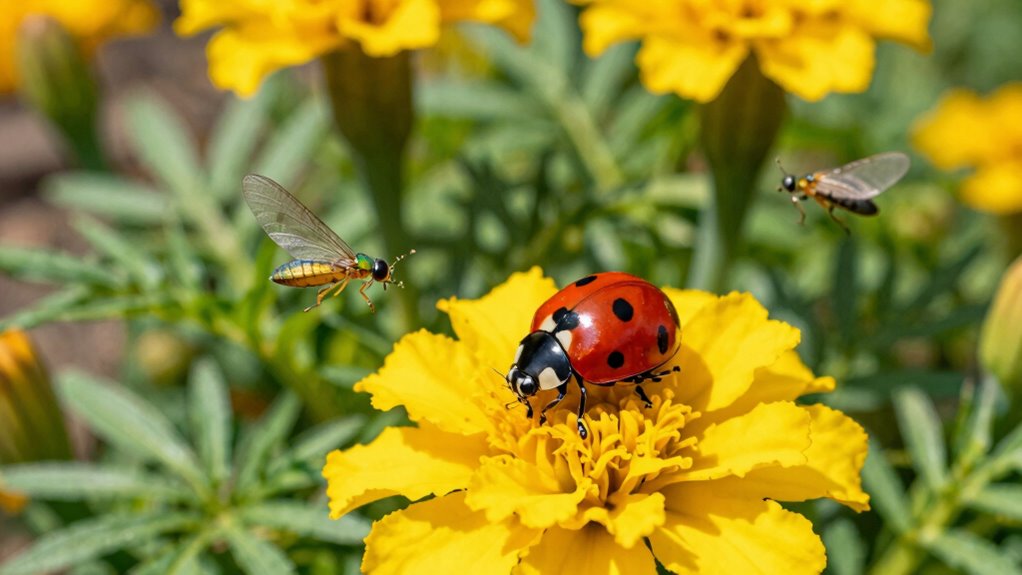
Have you ever wondered which insects help keep your garden healthy? Beneficial insects play a crucial role in maintaining pollinator diversity, which is essential for healthy plant growth and fruit production. These insects include bees, butterflies, ladybugs, and lacewings, all working behind the scenes to support your garden’s ecosystem. Their presence encourages insect conservation, ensuring these helpful creatures don’t disappear due to pesticide use or habitat loss. Beneficial insects not only pollinate flowers but also control pest populations naturally, reducing the need for chemical interventions. Additionally, understanding their lifecycles and habits can help you create a more supportive environment for these beneficial species. By understanding their importance, you can take steps to create a welcoming environment, fostering a thriving, balanced garden. Protecting these insects guarantees ongoing pollination and pest control, essential for sustainable gardening.
Which Beneficial Insects Are in Your Garden?

Take a look around your garden and see which beneficial insects are already helping out. Recognizing common allies like ladybugs, lacewings, and pollinators can make a big difference. Identifying these helpful insects allows you to support and attract more of them to keep your garden thriving. Utilizing natural pest control methods can further encourage these beneficial insects to flourish.
Common Beneficial Insects
Ever wonder which beneficial insects are buzzing around your garden? You’re likely seeing a mix of pollinator diversity and helpful predators. Bees, especially native varieties, are key pollinators, helping fruits and vegetables thrive. Ladybugs are common beneficial insects known for their appetite for aphids, while lacewings also hunt pest eggs and larvae. Hoverflies mimic wasps but are harmless; their larvae devour aphids and thrips. Parasitoid wasps, tiny and often overlooked, lay eggs inside pests, controlling populations naturally. Beneficial insect behavior varies—some gather nectar, while others hunt pests or lay eggs for future control. Recognizing these common insects helps you appreciate their roles and encourages their presence in your garden, ensuring a balanced, pest-free environment.
Identifying Garden Allies
To identify the beneficial insects in your garden, start by observing their distinctive appearances and behaviors. Look for pollinator diversity, such as bees, butterflies, and hummingbirds, which actively visit flowers for nectar. These insects often have bright colors and are seen fluttering or buzzing around plants. Additionally, recognize pest predator strategies: ladybugs, lacewings, and predatory beetles hunt aphids and other pests, often moving swiftly or clustering on infested plants. Pay attention to their habits—some are slow-moving, while others dart quickly between leaves. By understanding these visual cues and behaviors, you can better distinguish beneficial insects from pests and support their role in maintaining a healthy garden ecosystem. Understanding insect behavior can further help in effectively supporting these important garden allies.
How Do Habitat Loss and Pesticides Harm Beneficial Insects?
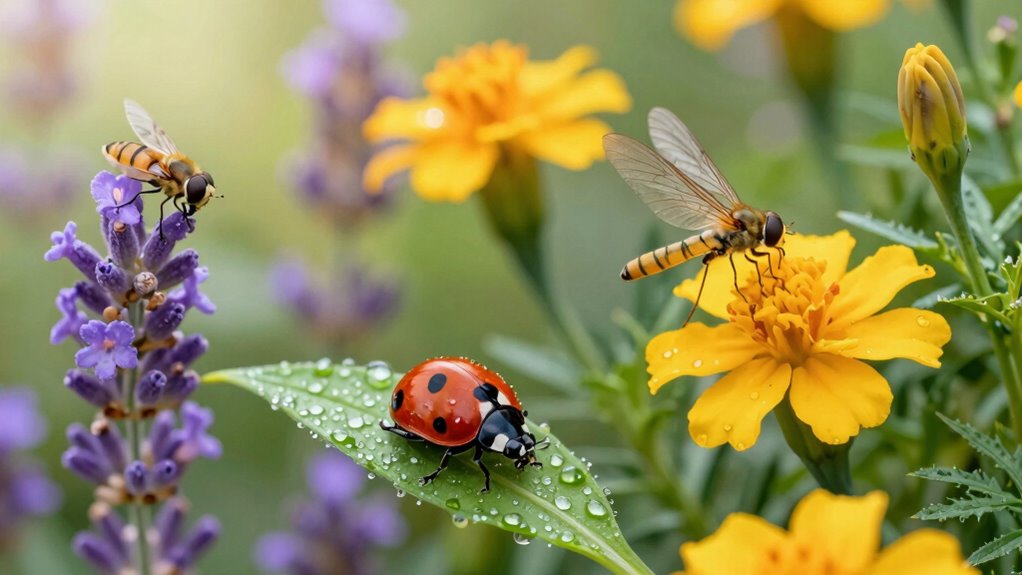
Habitat loss from development or agriculture reduces the safe spaces beneficial insects rely on, making it harder for them to survive and reproduce. Pesticides, especially those that are toxic, can directly harm or kill these helpful insects. Together, habitat fragmentation and chemical exposure threaten the delicate balance they help maintain in your garden. Understanding the specific Gold IRA markets can also help investors choose secure and reputable options for their retirement savings.
Habitat Fragmentation Effects
Habitat loss and pesticide use directly threaten beneficial insects by disrupting their environments and reducing their populations. Urban development fragments natural habitats, making it harder for beneficial insects to find food, mates,, and shelter. Monoculture planting further isolates insect populations by creating large, uniform areas that lack biodiversity. This fragmentation limits their movement and access to diverse resources, essential for survival and reproduction. When habitats are broken into smaller patches, beneficial insects struggle to maintain stable populations, increasing their risk of local extinction. Without connected habitats, they can’t easily migrate to new areas for resources or refuge. Promoting habitat connectivity and reducing monoculture planting are key strategies to support beneficial insects, along with preventing urban sprawl from further fragmenting their homes.
Pesticides and Toxicity
Habitat loss often makes beneficial insects more vulnerable to pesticides, increasing their risk of harm. When their habitats shrink, these insects are exposed to higher pesticide concentrations, leading to toxicity issues. Pesticides can kill beneficial insects directly or weaken their immune systems, making them more susceptible to diseases. To reduce harm, consider pesticide alternatives such as biological controls or organic methods. Choosing products with lower toxicity and applying them carefully can also support beneficial insect populations. Here’s a quick comparison:
| Pesticide Type | Impact on Beneficial Insects |
|---|---|
| Chemical pesticides | High toxicity, harmful if misused |
| Biological controls | Lower toxicity, more targeted |
| Organic pesticides | Moderate toxicity, safer option |
| Pesticide alternatives | Support beneficial insects, reduce toxicity |
In addition, understanding the role of beneficial insects in ecosystems helps emphasize the importance of minimizing pesticide use. Reducing toxicity helps maintain healthy beneficial insect populations essential for your garden.
How Can You Make Your Garden Insect-Friendly?

Ever wondered how to transform your garden into a haven for beneficial insects? Start by creating pollinator gardens filled with native plants that attract bees, butterflies, and other helpful bugs. Use diverse flowers that bloom at different times to provide a steady food source. Avoid pesticides, which harm beneficial insects, and instead, focus on natural, organic methods. Learning beneficial insect identification helps you recognize and encourage helpful species in your yard. Incorporate native plants that support their life cycles and provide shelter, like bare soil or plant debris. Providing water sources, such as shallow dishes or birdbaths, also attracts beneficial insects. Additionally, understanding integrated pest management techniques can help you control pests without harming beneficial species. With these simple steps, you’ll create a vibrant, insect-friendly environment that promotes a healthy, balanced ecosystem in your garden.
Natural Pest Control Strategies to Support Helpful Insects
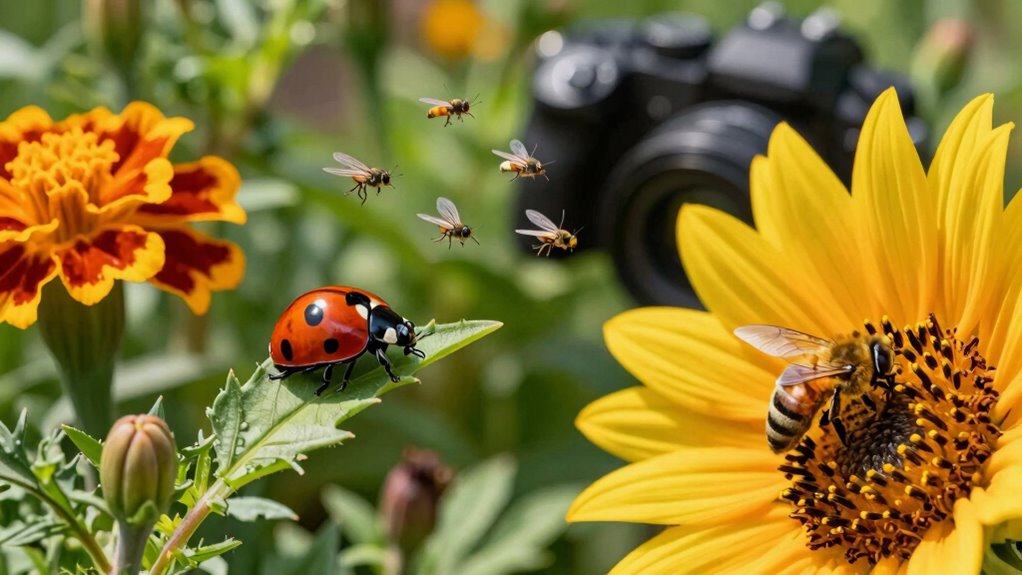
Creating a garden that supports beneficial insects also means managing pests naturally to protect these helpful creatures. By adopting insect conservation strategies, you can reduce chemical use and foster healthy pollinator partnerships. These strategies include planting pest-repelling plants, encouraging natural predators, and avoiding broad-spectrum pesticides that harm beneficial insects. When you implement these methods, you create an environment where helpful insects thrive, naturally controlling pests. Remember, supporting pollinator partnerships benefits your entire garden ecosystem. Here’s a snapshot of effective pest control strategies:
| Strategy | Impact | Emotional Benefit |
|---|---|---|
| Plant pest-repelling herbs | Deters harmful pests naturally | Peace of mind |
| Introduce ladybugs | Prey on aphids, protect plants | Satisfaction of natural control |
| Avoid pesticides | Preserves insect diversity | Hope for a balanced ecosystem |
| Plant diverse flowers | Attracts beneficial insects | Joy in a vibrant garden |
Additionally, understanding the sound vibrations that influence insect behavior can help you create a more harmonious garden environment, encouraging beneficial insects to thrive naturally.
How to Attract and Monitor Beneficial Insect Populations
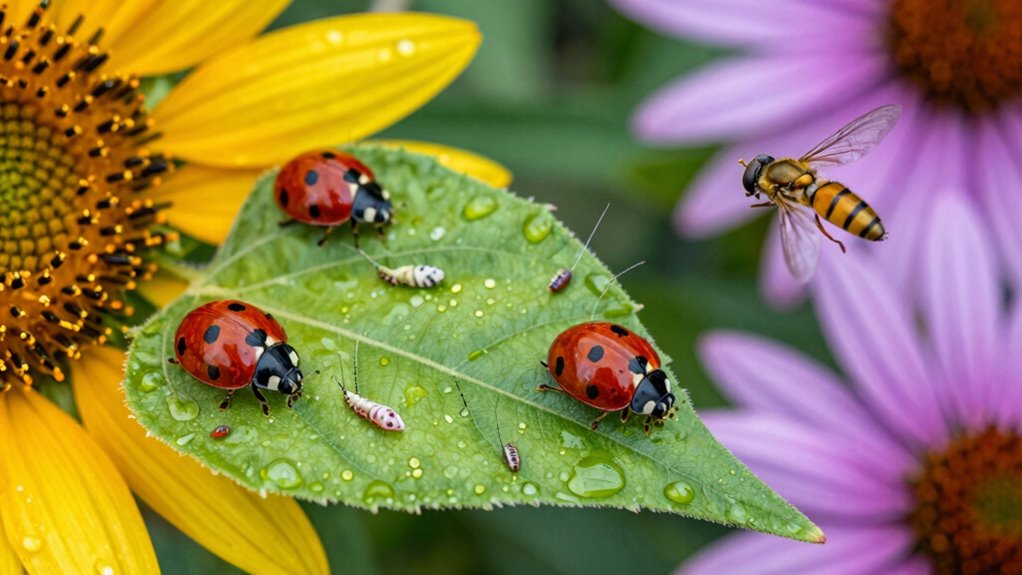
To effectively attract and monitor beneficial insect populations, you need to make your garden inviting and easy to observe. Use trap crops like mustard or buckwheat to lure pests away from your main plants, encouraging beneficial insects to stay and feed. These plants act as landing pads and feeding sites, increasing insect presence. Regular insect monitoring, such as checking trap crops and noting beneficial activity, helps you understand which insects are thriving. Use a simple magnifying glass or sticky traps to identify beneficials like ladybugs and parasitic wasps. Incorporating plant diversity in your garden can further attract a variety of beneficial insects, promoting a balanced ecosystem. By creating a welcoming environment and keeping a close eye on insect populations, you’ll support beneficial insects naturally, ensuring they stay in your garden longer and keep pests in check.
Frequently Asked Questions
How Can Urban Environments Be Made More Insect-Friendly?
You can make urban environments more insect-friendly by reducing pesticide use and increasing habitat diversity. Opt for organic gardening and avoid chemicals that harm beneficial insects. Plant a variety of native flowers, shrubs, and trees to provide food and shelter. Create small green spaces or gardens that serve as refuges. These efforts encourage beneficial insects to thrive, helping maintain ecological balance and ensuring they don’t disappear overnight.
Are There Specific Plants That Attract Beneficial Insects Year-Round?
Imagine a garden alive with a constant dance of beneficial insects; native plants with seasonal blooms draw them in all year. You should plant species like coneflowers, bee balm, and goldenrod, which bloom in different seasons. These plants provide nectar and pollen, ensuring year-round attraction. By creating a diverse, native plant landscape, you make your garden a perpetual haven for helpful insects, keeping their population steady and thriving.
How Do Beneficial Insects Impact Local Ecosystems Beyond Pest Control?
Beneficial insects boost local ecosystems by pollinating plants and supporting biodiversity beyond pest control. You can help by avoiding pesticide effects that harm these insects and reducing habitat fragmentation, which isolates populations. When you create continuous, diverse habitats, beneficial insects thrive, ensuring healthy ecosystems. Your actions directly influence their survival, helping maintain ecological balance and ensuring these essential creatures continue to support your environment naturally.
Can Beneficial Insects Become Invasive or Problematic?
Beneficial insects can become invasive or problematic if introduced improperly or in excess, disrupting the ecological balance. Invasive species threaten native insects and plants by competing for resources or spreading diseases. To prevent this, you should carefully select and source beneficial insects from reputable suppliers, avoid releasing non-native species without guidance, and monitor their impact regularly. This proactive approach helps maintain a healthy, balanced ecosystem without risking invasive problems.
What Are the Signs of a Healthy Beneficial Insect Population?
Your garden bursts with life, signaling a healthy beneficial insect population. You notice diverse pollinator species fluttering around, thriving in well-preserved habitats. Bees, ladybugs, and butterflies are active, with plenty of flowering plants supporting pollinator diversity. If populations grow steadily, with insects appearing regularly and ecosystems remaining balanced, it’s a clear sign you’re doing a fantastic job maintaining habitat preservation—ensuring beneficial insects flourish and keep your garden thriving.
Conclusion
By creating a welcoming habitat, you’re not just helping beneficial insects survive—they thrive and multiply, naturally keeping pests at bay. Think of your garden as a delicate oasis, where each insect plays a essential role like tiny guardians guarding your plants. When you support these helpful allies, you’re planting seeds for a balanced, resilient ecosystem. Imagine a vibrant, buzzing garden full of life—proof that small actions can truly make a big difference.
Halloween Picks
halloween
As an affiliate, we earn on qualifying purchases.