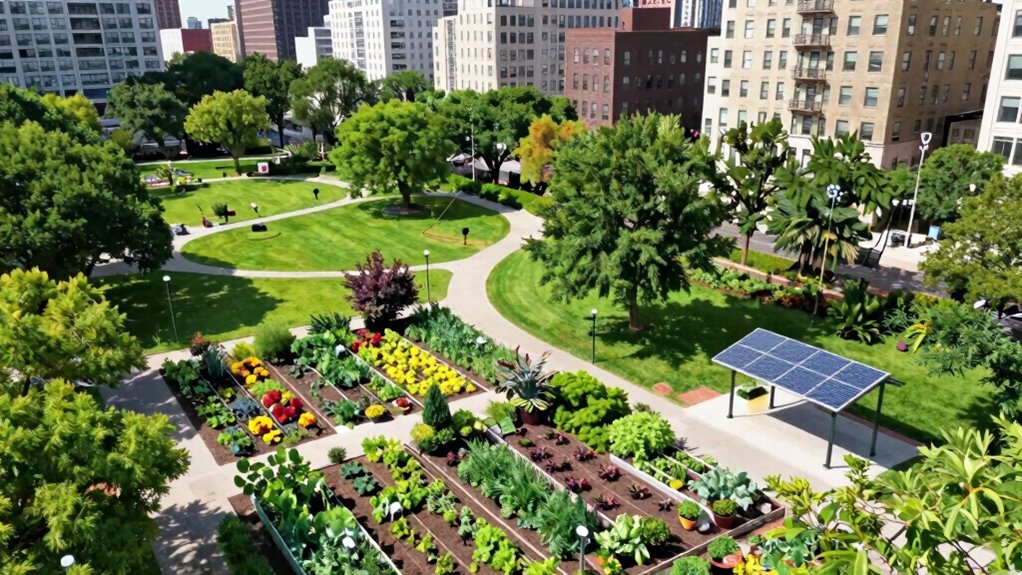

Better planning is one of the greenest actions you can take because it reduces environmental harm and conserves resources. When urban areas are thoughtfully designed, they support green spaces, promote eco-friendly transportation, and incorporate green infrastructure that helps manage stormwater and heat. This kind of planning minimizes emissions, reduces pollution, and creates healthier communities. By understanding its benefits, you’ll see how smarter development can make a lasting positive difference—if you keep exploring, you’ll uncover even more ways planning benefits the environment.
Key Takeaways
- Sustainable urban planning reduces environmental impact and preserves green spaces, supporting biodiversity and ecosystems.
- Promoting eco-friendly transportation decreases greenhouse gases, air pollution, and traffic congestion.
- Integrating green infrastructure enhances climate resilience and manages stormwater effectively.
- Compact, mixed-use development minimizes urban sprawl and reduces vehicle emissions.
- Better planning creates healthier, more resilient communities with improved quality of life.
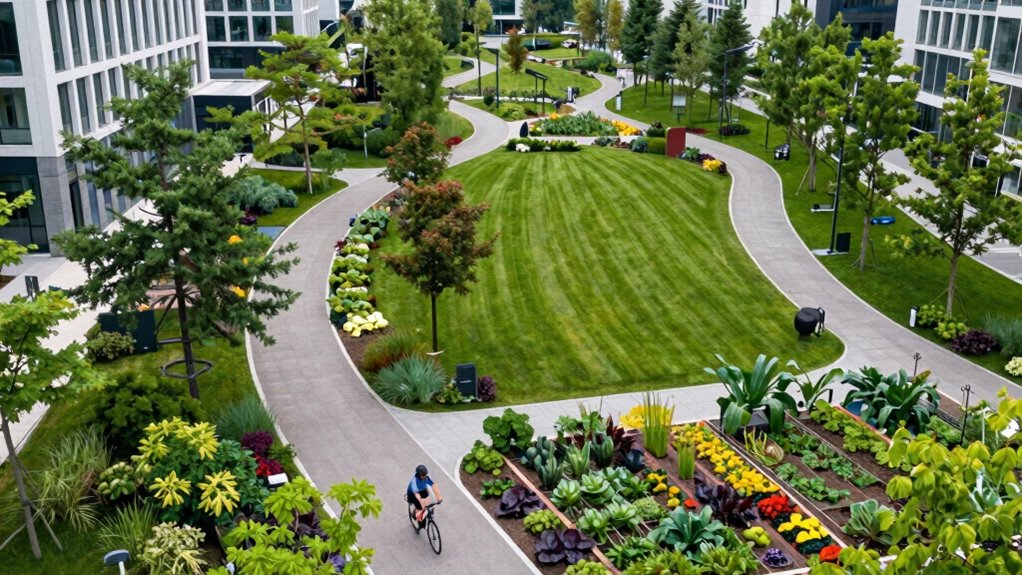
Have you ever considered how smarter planning can notably reduce environmental impact? When you focus on better planning, you’re actively contributing to sustainable urban development and making choices that benefit the planet. Thoughtful planning ensures cities grow in ways that preserve green spaces, reduce pollution, and make life more efficient for everyone. It’s not just about creating more buildings or roads; it’s about designing communities that work harmoniously with nature. With better planning, you can help reduce the carbon footprint of urban areas and improve overall quality of life. Incorporating biodiversity considerations into urban planning can further enhance these efforts by supporting diverse ecosystems within cities.
One of the most effective ways to do this is by emphasizing eco-friendly transportation options. When cities prioritize sustainable transportation, they encourage walking, biking, and the use of public transit over personal cars. This shift greatly cuts down greenhouse gas emissions, decreases air pollution, and lessens traffic congestion. As someone invested in a greener future, supporting policies or initiatives that expand bike lanes, improve transit systems, and promote walkability makes a tangible difference. These choices aren’t just convenient—they’re essential for reducing environmental impact.
Sustainable urban development hinges on integrating green infrastructure into city planning. This includes parks, green roofs, and natural waterways that absorb stormwater, filter air, and provide habitats for wildlife. When you advocate for or participate in planning processes that incorporate these features, you help create resilient, eco-friendly spaces within urban environments. green infrastructure also plays a crucial role in adapting cities to climate change by managing stormwater and reducing heat. These elements also lower urban heat island effects, making cities cooler and more livable during hot weather. Every decision to preserve or add green spaces contributes to a healthier environment and improves community well-being.
Moreover, better planning involves optimizing land use to reduce sprawl. Compact, mixed-use neighborhoods minimize the need for long commutes, further supporting eco-friendly transportation and reducing vehicle emissions. It also preserves rural and undeveloped land from development pressure, maintaining biodiversity and natural landscapes. When you support policies that encourage higher-density living and smarter zoning, you’re helping to create more sustainable communities that require fewer resources to sustain.
Ultimately, your role in promoting smarter planning can make a notable difference. Whether you’re involved in local government, community projects, or simply advocating for smarter city designs, your actions steer urban development toward sustainability. Every decision that favors eco-friendly transportation, green infrastructure, and efficient land use moves us closer to cities that are not only more livable but also kinder to the environment. Better planning isn’t just a technical choice; it’s one of the greenest things you can do to protect our planet’s future.
Green Cities: Designing Sustainable Urban Spaces for the Future: A Comprehensive Guide to Eco-Friendly Architecture and Urban Planning (Future Urban Design Series)
As an affiliate, we earn on qualifying purchases.
As an affiliate, we earn on qualifying purchases.
Frequently Asked Questions
How Does Planning Reduce Overall Resource Consumption?
Planning reduces your resource consumption by boosting resource efficiency and cutting waste. When you plan carefully, you use only what’s needed, avoiding excess and unnecessary purchase or use. This targeted approach minimizes waste, conserving materials and energy. By organizing your efforts beforehand, you optimize processes, lower costs, and lessen environmental impact. Good planning guarantees you make the most of resources, helping you live sustainably and reduce your ecological footprint.
Can Better Planning Lower Long-Term Environmental Costs?
Better planning can lower long-term environmental costs by preventing urban sprawl and promoting renewable integration. Imagine a city carefully designed like a balanced ecosystem, where green spaces and transit options minimize emissions. When you plan wisely, you reduce unnecessary resource use, saving money and the environment. Over time, this proactive approach curbs pollution and preserves natural habitats, proving that thoughtful planning creates a sustainable future with fewer environmental costs.
What Role Does Technology Play in Sustainable Planning?
Technology plays a vital role in sustainable planning by enabling you to use smart technology and data analytics effectively. These tools help you analyze environmental impacts, optimize resource use, and make informed decisions. With smart technology, you can automate processes and reduce waste. Data analytics allows you to identify patterns and areas for improvement, ensuring your planning is efficient, environmentally friendly, and adaptable for future needs.
How Can Individuals Contribute to Greener Planning Efforts?
You can be a catalyst for change, like a spark igniting a fire of sustainable action. Get involved in community efforts and advocate for eco-friendly policies, shaping a greener future. Attend local meetings, support sustainable initiatives, and voice your concerns. By actively participating, you help steer planning efforts toward environmental responsibility, making a tangible difference in your community’s impact and encouraging others to follow suit in building a more sustainable world.
What Are Common Planning Mistakes That Harm the Environment?
You often harm the environment through planning mistakes like encouraging urban sprawl, which spreads development into natural areas, and neglecting land degradation risks. These actions lead to habitat loss, increased pollution, and reduced green spaces. By avoiding unchecked expansion and prioritizing sustainable land use, you can help protect ecosystems. Thoughtful planning promotes compact growth, preserves natural habitats, and minimizes environmental damage, making your efforts essential for a greener future.

Hydrogen Economy: Supporting Clean Energy, Green Hydrogen Production, Fuel Cell Vehicles, Decarbonizing Industry, Hydrogen Infrastructure, and Energy Storage
As an affiliate, we earn on qualifying purchases.
As an affiliate, we earn on qualifying purchases.
Conclusion
By prioritizing proactive planning, you pave the path for a greener planet. Thoughtful time and resource management reduces waste, refines routines, and rekindles respect for our environment. When you consciously craft a clear course, you cut costs and carbon footprints alike. So, seize the power of planning—practice patience, prepare prudently, and promote a planet that’s pristine and protected. Remember, small steps in strategic scheduling considerably sculpt a sustainable and shining future.

Thule Elite Van XT Bike Rack – Platform Bike Rack for Vans Carries 2 Bikes – No Drilling Required – Easy to Install & Remove – Adjustable Height – Locks Included
2 bikes, not extendable
As an affiliate, we earn on qualifying purchases.
As an affiliate, we earn on qualifying purchases.

Design and Construction of Urban Stormwater Management Systems (20) (Manual of Practice)
As an affiliate, we earn on qualifying purchases.
As an affiliate, we earn on qualifying purchases.