
To spot hidden waste in your greenhouse, start by observing your routines closely—look for signs of overwatering or underwatering, which waste water and stress plants, and check if your composting process is efficient or causing odors. Monitor equipment usage and energy consumption to catch unnecessary running devices. Keep track of inventory to avoid overstocking and spoilage. Small inefficiencies often add up, but focusing on these areas can reveal where you’re losing resources—if you keep exploring, you’ll find ways to improve further.

Get garden gear delivered free with Prime
- Fast, free delivery on millions of items
- Prime Video, Amazon Music and more included
- Member-only deals all year
Key Takeaways
- Regularly review water, energy, and material usage data to identify unexplained increases or inefficiencies.
- Conduct routine inspections for leaks, equipment malfunctions, and improper storage practices.
- Track and analyze environmental conditions to ensure proper composting, watering, and ventilation procedures.
- Monitor plant health and growth patterns for signs of resource misallocation or neglect.
- Audit inventory levels and ordering patterns to detect overstocking, spoilage, or unnecessary surplus.

Even if you think your greenhouse routine is efficient, hidden waste can still be draining your resources without you realizing it. Small inefficiencies often add up over time, quietly reducing your overall productivity and increasing costs. One common area where waste sneaks in is composting. If your composting process isn’t optimized, you might be discarding valuable organic material that could be turned into nutrient-rich soil. Poor composting efficiency means you’re missing out on recycling waste and enriching your plants naturally. To improve, check whether your compost pile has the right balance of green and brown materials, proper aeration, and sufficient moisture. Neglecting these factors leads to slow decomposition or foul odors, indicating wasted composting potential. Regularly turning your compost can also help accelerate decomposition and prevent odors, ensuring you get the most out of your organic waste.
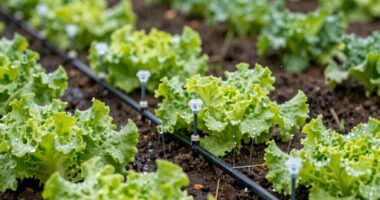
Water conservation is another critical aspect often overlooked. Even if you’re watering your plants regularly, you may be doing so inefficiently. Overwatering not only wastes water but also risks root rot and other issues. On the other hand, under-watering can stress your plants and stunt growth. Consider installing drip irrigation systems or soaker hoses, which deliver water directly to the roots with minimal runoff. Catching rainwater and using it in your routine also helps reduce reliance on municipal water sources. Regularly inspecting hoses, fittings, and watering schedules ensures you’re not losing water through leaks or applying more than necessary. Small adjustments, like watering early in the morning or late in the evening, can greatly improve water use efficiency. Implementing water-saving techniques can further reduce waste and improve overall sustainability. Additionally, monitoring your water usage through efficient irrigation practices can help identify hidden wastage.
Beyond composting and watering, look at your daily routines for hidden waste. Are you leaving grow lights on longer than needed? Are fans running unnecessarily, wasting electricity? These small energy leaks can accumulate, increasing your utility bills without providing any benefit. Tracking your equipment usage and turning off devices when they’re not in use can make a significant difference in reducing energy waste. Additionally, evaluate your plant pruning and harvesting processes. Excessive trimming or premature harvesting can lead to waste and reduce yields. Proper timing and precise cuts help maximize plant health and productivity. Keeping track of energy consumption and equipment efficiency is crucial for identifying energy waste and optimizing operational costs. Consider also scheduling maintenance to ensure all equipment runs efficiently and consumes less power.
Finally, pay attention to your inventory management. Overstocking or improper storage causes plant materials and supplies to go bad, leading to unnecessary replacements. Keeping a detailed record of what you use and need, and adjusting your orders accordingly, reduces surplus and waste. This practice also supports sustainable resource use, ensuring your inputs are utilized effectively. By actively evaluating these areas—composting, water use, energy consumption, and inventory—you’ll uncover hidden waste in your routine. Addressing these inefficiencies not only conserves resources but also boosts overall productivity, making your greenhouse more sustainable and cost-effective in the long run.
drip irrigation system for greenhouse
As an affiliate, we earn on qualifying purchases.
As an affiliate, we earn on qualifying purchases.
Frequently Asked Questions
How Often Should I Review My Greenhouse Waste Management Practices?
You should review your greenhouse waste management practices at least quarterly. Regular reviews help you identify inefficiencies, implement cost-saving strategies, and reduce environmental impact. By consistently evaluating waste levels and disposal methods, you stay proactive in minimizing excess materials and energy use. This ongoing process ensures your greenhouse remains eco-friendly and financially sustainable, preventing hidden waste from accumulating and boosting overall efficiency.
What Tools Can Help Identify Hidden Waste in My Routine?
You can’t rely on guesswork to find hidden waste. Sensor monitoring and data analysis tools are your best allies. They automatically track resource usage and highlight inefficiencies, revealing waste that’s invisible to the naked eye. Ironically, the most advanced tech often uncovers what manual checks overlook. Embrace these tools to get a clear, real-time picture of your routine, helping you cut waste and boost your greenhouse’s efficiency.
Are There Specific Signs Indicating Inefficient Resource Use?
You can identify resource inefficiency through waste indicators like inconsistent plant growth, rising energy bills, or frequent equipment breakdowns. Pay attention to uneven watering patterns, excessive fertilizer use, or prolonged heating periods. These signs often point to underlying waste. Monitoring your routine closely helps you catch inefficiencies early, allowing you to optimize resource use, reduce waste, and improve overall greenhouse productivity.
How Can I Involve Staff in Waste Reduction Efforts?
You can boost staff engagement by involving your team in waste reduction efforts through targeted training programs. Encourage open communication, ask for their ideas, and assign specific waste reduction tasks. By providing ongoing training, you empower staff to identify inefficiencies and implement sustainable practices. When your team feels responsible and informed, they’re more likely to actively participate, making waste reduction a shared priority in your greenhouse routine.
What Are Common Overlooked Sources of Waste in Greenhouses?
Did you know that up to 30% of greenhouse waste often goes unnoticed? You might overlook inefficient composting techniques and water recycling practices, which can lead to significant resource waste. Regularly review your composting methods to guarantee proper breakdown and minimal material loss. Also, optimize water recycling systems to reduce runoff and conserve water, cutting costs and environmental impact. Addressing these hidden waste sources boosts both sustainability and productivity.
Conclusion
By spotting hidden waste, you streamline your routine, save resources, and boost productivity. Recognize inefficiencies, eliminate excess, and optimize your greenhouse practices. Track your habits, challenge your assumptions, and refine your processes. When you stay vigilant, you prevent waste from sneaking in, preserve your environment, and sustain your success. In doing so, you create a thriving, efficient greenhouse where every action counts, every resource matters, and every plant flourishes.
Halloween Picks
halloween
As an affiliate, we earn on qualifying purchases.