
To prevent damping-off in reusable trays, you need to clean them thoroughly after each use. Remove all soil and debris, then wash plastic trays with warm, soapy water and dry well. For metal trays, disinfect with a diluted bleach solution, rinse, and air dry completely. Store trays in a cool, dry, ventilated area, avoiding stacking wet ones. Proper cleaning, drying, and storage markedly reduce disease risk—continue exploring to learn more about maintaining healthy seedlings.
Key Takeaways
- Clean trays thoroughly with soap or disinfectant after each use to remove organic debris and prevent microbial buildup.
- Ensure trays are completely dry before storage to inhibit mold and damping-off pathogens.
- Use proper drying techniques, like fans or dehumidifiers, to promote airflow and prevent moisture retention.
- Store trays in a cool, dry, well-ventilated area, avoiding stacking to reduce dampness and contamination risks.
- Regularly inspect for signs of mold or disease and sanitize trays to eliminate pathogens before reuse.

Burpee SuperSeed Seed Starting Tray | 36 Cell Reusable Seed Starter Tray | for Starting Vegetable, Flower & Herb Seeds | Indoor Grow Kit for Plant Seedlings | for Germination Success
- Easy Seed Starting: 36 flexible pop-out cells for simple planting
- Labeled Rows: Alphanumeric labels and Plant-o-Gram guide
- Optimized Drainage: Corner slots improve water drainage and aeration
As an affiliate, we earn on qualifying purchases.
As an affiliate, we earn on qualifying purchases.
What Is Damping-Off Disease and Why It Matters
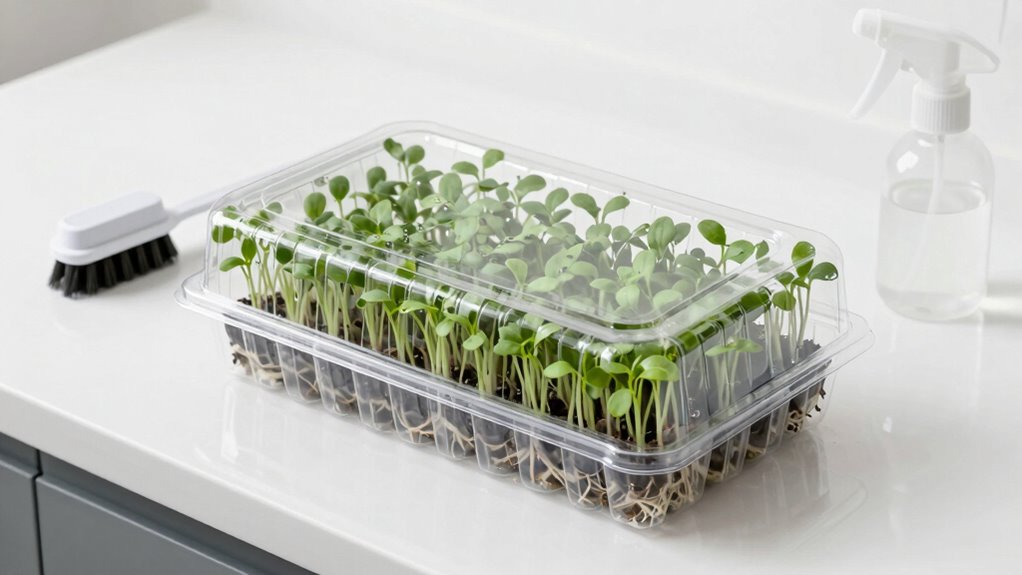
Damping-off disease is a common fungal infection that affects seedlings, causing them to wilt and collapse unexpectedly. It spreads quickly in moist environments, making fungus prevention essential. The disease can destroy young plants before they even get a chance to grow, which is why understanding its causes matters. The tray material you choose plays a role in prevention; plastic trays with good drainage help reduce excess moisture that fungi thrive on. Proper sanitation, like cleaning and disinfecting trays after each use, also curbs fungal growth. Recognizing damping-off early and maintaining a clean, dry environment ensures healthier seedlings. By paying attention to tray material and hygiene, you can effectively prevent this detrimental disease and promote strong, resilient plants. Incorporating sustainable materials into tray selection can further reduce environmental impact and support eco-friendly gardening practices.
How Dirty Trays Help Spread Damping-Off
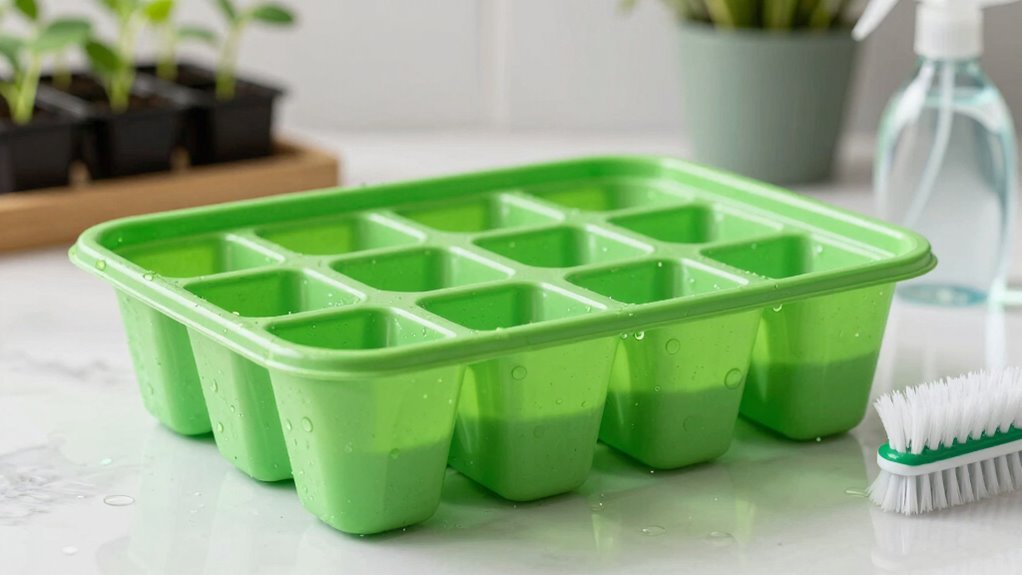
When trays stay dirty, bacteria and mold can quickly build up, increasing the risk of damping-off disease. These microorganisms can spread easily from one tray to another, contaminating healthy seedlings. Keeping trays clean is essential to prevent cross-contamination and protect your plants’ health. Regular sanitation practices are similar to maintaining pinball machine hygiene, ensuring that no harmful debris or pathogens remain on the surfaces.
Bacteria Accumulation Risks
Dirty trays can harbor bacteria and fungi that thrive in damp, unclean conditions. These trays become bacterial hotspots, where microorganisms multiply rapidly if not cleaned properly. Over time, biofilm formation occurs, creating a slimy layer that shields bacteria from cleaning efforts and promotes persistent contamination. This buildup increases the risk of damping-off, as pathogenic bacteria can infect seedlings through contaminated surfaces. When you reuse unclean trays, you inadvertently provide a breeding ground for harmful bacteria and fungi, making it easier for diseases to spread. Regular cleaning and sanitizing break up biofilms and eliminate bacterial hotspots, reducing the chance of damping-off and ensuring healthier seedlings. Neglecting proper hygiene turns your trays into reservoirs of pathogens that threaten your plants’ success. Additionally, using proper sanitation practices can significantly reduce the prevalence of these microorganisms and protect your seedlings from disease.
Mold Growth Hazards
Biofilms on unclean trays not only harbor bacteria but also create the perfect environment for mold growth. Mold spores settle into these damp, nutrient-rich areas, multiplying rapidly if not properly cleaned. When trays remain dirty, mold can develop unnoticed, contaminating your seedlings and increasing the risk of damping-off. Mold spreads through spores that easily become airborne, making contamination control difficult once mold is established. Regular cleaning removes organic debris and reduces moisture, preventing mold spores from taking hold. Keeping trays dry and sanitized disrupts mold growth cycles and minimizes health hazards. By maintaining cleanliness, you effectively reduce the chances of mold spreading, ensuring a healthier start for your plants and protecting your growing environment from unseen microbial threats.
Cross-Contamination Spread
Unclean trays serve as a breeding ground for pathogens that can easily spread to healthy seedlings. When trays aren’t properly sanitized, disease-causing fungi can hitch a ride on residual debris, infecting new seedlings. This spread hampers seedling nutrition by weakening plants and stunts growth. Poor watering techniques, like overwatering or water pooling, create moist environments that promote damping-off. To prevent this, always disinfect trays after each use. Consider how your watering habits influence disease spread:
| Watering Technique | Effect on Pathogens | Impact on Seedlings |
|---|---|---|
| Overwatering | Promotes fungal growth | Weakens roots |
| Drip irrigation | Reduces splashing and spread | Keeps surface dry |
| Uniform watering | Prevents pooling | Ensures healthy growth |
Regularly maintaining cleanliness of trays and proper watering practices reduces disease spread, creating a healthier environment for seedlings to thrive.
How to Properly Clean and Disinfect Seed Trays
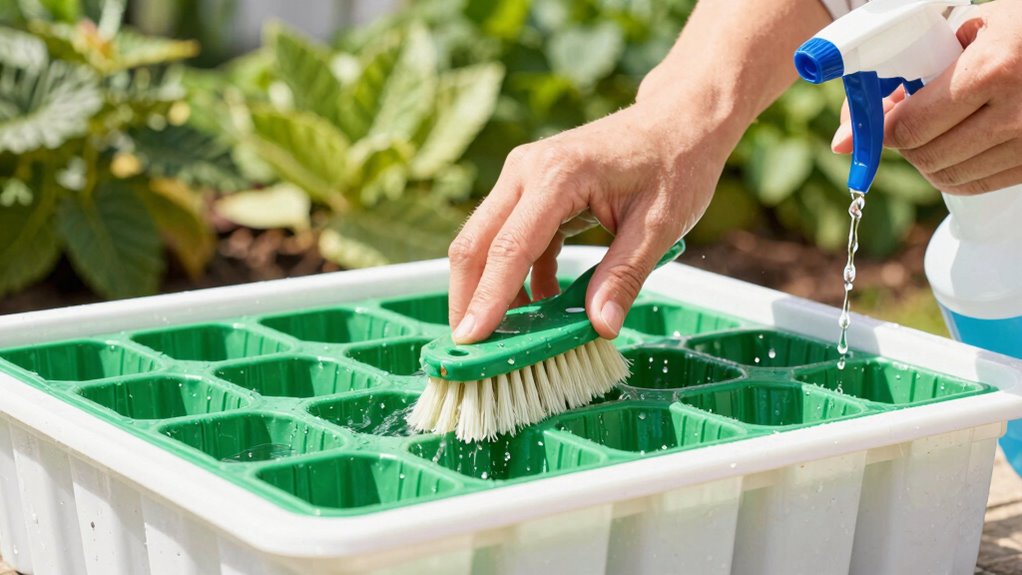
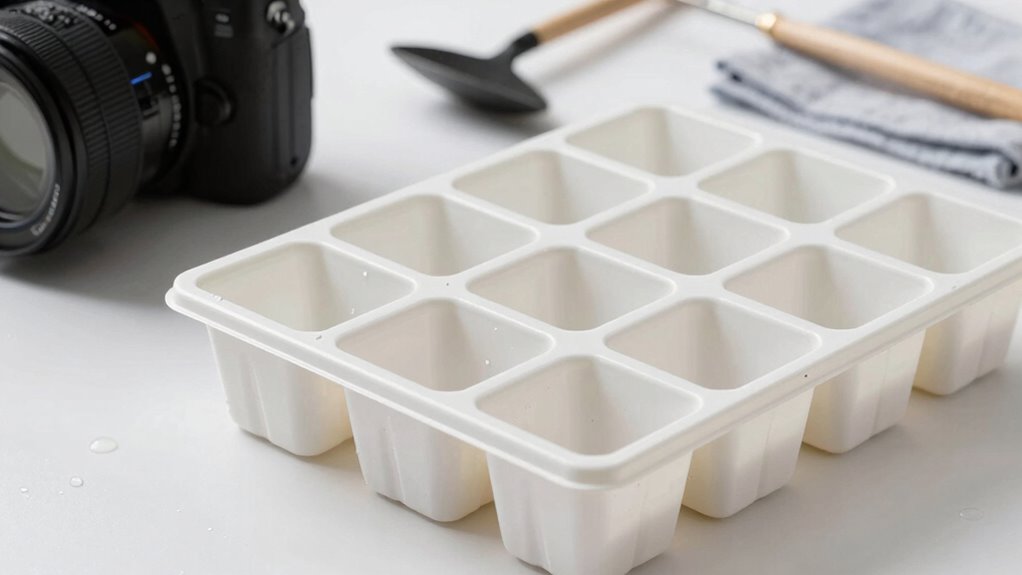
To guarantee your seed trays remain safe and free from contaminants, it’s essential to clean and disinfect them thoroughly after each use. Start by removing any remaining soil or plant debris. Consider the seed tray materials—plastic, wood, or metal—since cleaning methods may vary slightly. For plastic trays, wash with warm, soapy water and scrub thoroughly. Wooden trays may require a gentle scrub and careful drying to prevent mold. Metal trays can be disinfected with a diluted bleach solution. Make sure to rinse well to remove any residue. Maintain a regular cleaning frequency—ideally after every planting cycle—to prevent the buildup of pathogens. Proper cleaning not only prolongs tray life but also creates a healthier environment for your seedlings. Additionally, using appropriate disinfectants can help eliminate stubborn germs and fungi that may cause damping-off disease.
Best Products and Tools for Sanitizing Trays
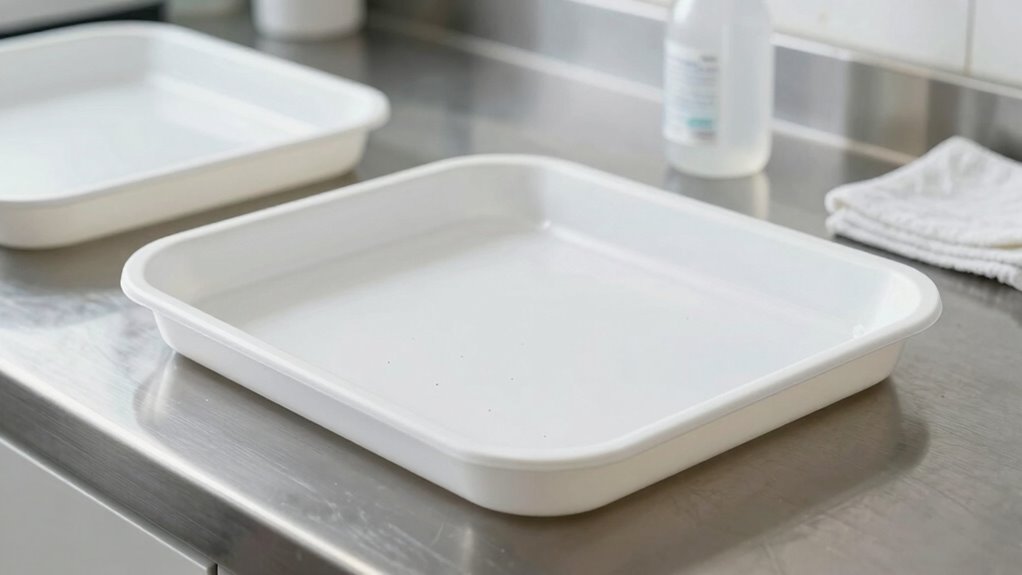
Choosing the right products and tools is essential for effectively sanitizing your seed trays. Start with a commercial-grade disinfectant, such as hydrogen peroxide or diluted bleach, to eliminate pathogens without harming tray materials. For trays made of plastic or other porous materials, opt for gentle scrub brushes or soft scrub pads to remove residues without damage. Avoid harsh abrasive tools that could compromise tray integrity. When selecting cleaning agents, consider how they might affect seedling nutrition—some chemicals can leave residues that impact plant growth. Using the appropriate tools ensures thorough cleaning while preserving tray lifespan. Always follow manufacturer instructions for cleaning solutions and test on a small area first, especially if your trays are made from delicate or recycled materials. Additionally, understanding the proper cleaning techniques can help prevent damping-off and promote healthy seedling development.
Drying and Storing Trays to Keep Them Disease-Free
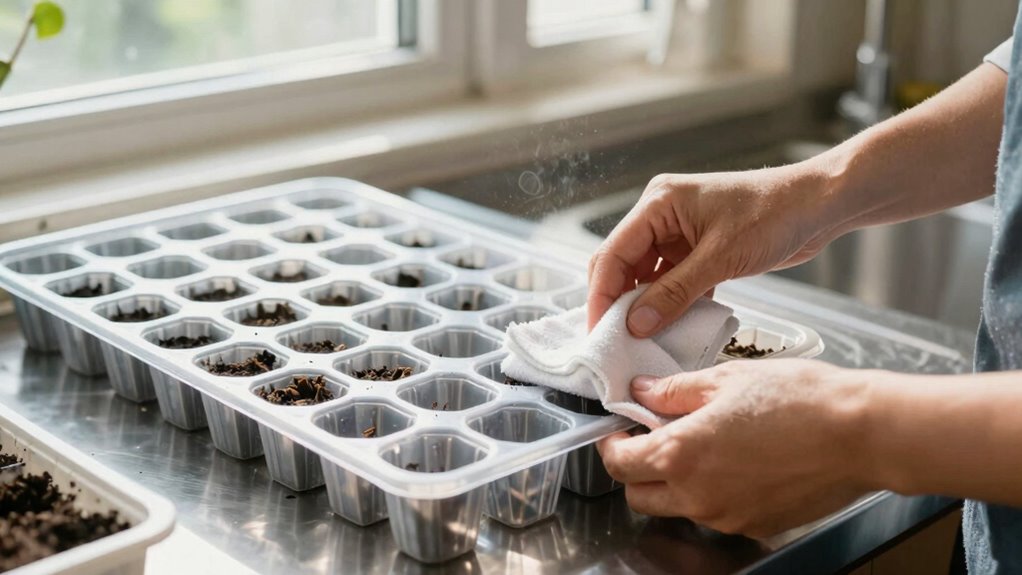
After cleaning your trays, it’s essential to dry them thoroughly using proper techniques to prevent mold growth. Store them in a cool, dry place to maintain their cleanliness and avoid contamination. Regular maintenance, like checking for moisture and replacing trays when needed, helps keep them disease-free. Additionally, inspecting your trays periodically for signs of damping-off disease can help catch issues early and ensure their longevity.
Proper Drying Techniques
Have you ever wondered how proper drying can prevent bacteria buildup on reusable trays? The key is moisture control. Ensuring trays are thoroughly dry reduces the risk of mold and disease. After washing, use a clean cloth or air-dry the trays in a well-ventilated area. Effective airflow management is essential—position trays so air circulates freely around them, preventing damp spots. Avoid stacking trays while wet, as trapped moisture fosters bacteria growth. Consider using fans or dehumidifiers in enclosed spaces to speed up drying. Make sure all surfaces are completely dry before storing, as residual moisture invites damping-off pathogens. Incorporating Free Floating strategies into your drying process can further improve airflow and reduce humidity. Proper drying techniques help keep your trays hygienic, extending their lifespan and ensuring a healthy environment for your plants.
Optimal Storage Conditions
To keep your reusable trays disease-free, proper storage conditions are essential. After cleaning and drying, store your trays in a cool, dry, well-ventilated area to prevent moisture buildup that can promote damping-off. Choose tray materials that resist moisture and mold, such as plastic or composite, which are easier to keep dry and clean. Proper storage helps preserve seedling nutrition by preventing fungal growth that can compromise nutrient uptake. Avoid stacking trays directly on the ground or in humid environments, as this increases the risk of contamination. Instead, store them on elevated shelves or racks, ensuring airflow around each tray. This approach keeps your trays in ideal condition, ready for reuse without risking disease transfer or compromising seedling health. Ensuring good air circulation around stored trays is key to preventing moisture-related issues.
Routine Maintenance Practices
Ensuring your trays remain disease-free requires consistent drying and proper storage practices. After cleaning, dry your trays thoroughly to prevent moisture buildup that can lead to damping-off. The tray material influences drying time; plastic trays dry faster than wooden or metal ones. Once dry, stack the trays carefully to promote airflow and avoid trapping moisture between them. Proper tray stacking helps prevent mold and bacterial growth, which can cause infections. Store trays in a cool, dry, and well-ventilated area away from direct sunlight. Regularly inspect stored trays for any signs of dampness or contamination. Maintaining these routine practices guarantees your trays stay clean, dry, and ready for reuse, reducing the risk of disease transmission and extending their lifespan.
Common Mistakes That Can Undermine Your Cleaning Efforts

Many common mistakes can sabotage your cleaning efforts and leave your trays less than spotless. Overwatering issues often lead to trapped moisture, creating a damp environment that encourages mold and damping-off. Make sure you’re not oversaturating your trays, as excess water can be hard to dry thoroughly and promote fungal growth. Improper ventilation is another critical mistake; without sufficient airflow, moisture lingers, increasing the risk of damping-off and mold. Always ensure your trays are cleaned in a well-ventilated area and allow them to dry completely before reuse. Neglecting these factors can undermine your cleaning efforts, leaving behind residual moisture and harmful pathogens. Avoid rushing the drying process or using inadequate cleaning methods, as these mistakes can compromise your trays’ cleanliness and your seedlings’ health. Additionally, understanding the importance of contrast ratio can help you assess how well your trays or workspace lighting conditions support proper drying and visibility during cleaning.
Regular Maintenance Tips to Prevent Damping-Off
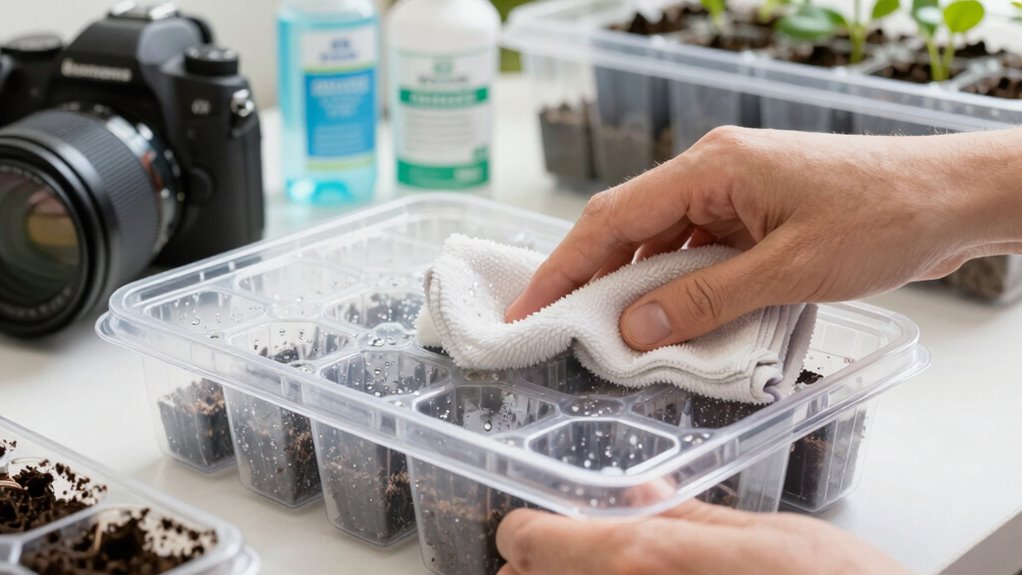
Regular maintenance of your trays plays a vital role in preventing damping-off and keeping your seedlings healthy. To do this effectively, incorporate good garden design practices by ensuring trays are stored in a clean, dry area away from excess moisture, which can promote fungal growth. Regularly inspect your trays for any signs of mold or disease, and clean them thoroughly after each use with a disinfectant solution. Proper pest control is also essential; pests can carry pathogens that contribute to damping-off. Maintain proper airflow around your trays and avoid overwatering, as damp conditions foster fungal development. By staying vigilant with routine cleaning, monitoring for pests, and practicing good garden design, you considerably reduce damping-off risks and promote robust seedling growth.
Frequently Asked Questions
Can Homemade Cleaning Solutions Effectively Disinfect Seed Trays?
Yes, homemade cleaning solutions can effectively disinfect seed trays if you use DIY disinfectants with natural sterilization properties. You might mix vinegar and water or use hydrogen peroxide for natural sterilization, which kills pathogens without harsh chemicals. Make sure to scrub thoroughly, then rinse well. These DIY disinfectants help prevent damping-off and keep your trays clean, safe, and ready for healthy seedling growth.
How Often Should I Sanitize Reusable Trays During Planting Season?
You should sanitize your trays after every planting cycle and at least once a week during busy periods. It might seem overkill, but consistent tray sterilization prevents disease buildup. Regular sanitation frequency keeps your trays fresh and your seedlings healthy. Don’t wait until damping-off strikes—stay ahead with diligent cleaning. It’s a small effort that saves you from big headaches, proving that clean trays are the secret to successful planting.
Are Certain Tray Materials More Resistant to Damping-Off?
Some tray materials offer better damping-off resistance than others. For instance, plastic trays with smooth, non-porous surfaces are more resistant because they don’t harbor moisture or fungi as easily. Avoid porous materials like wood or untreated cardboard, which can retain moisture and promote damping-off. Choosing trays made from durable, non-porous plastics and cleaning them thoroughly after each use can markedly reduce damping-off risks and improve plant health.
What Are Signs That Cleaning Methods Are Insufficient?
Did you know contaminated surfaces can increase damping-off risks by 60%? If you notice mold, a foul odor, or persistent surface residues on your trays, your cleaning methods might be insufficient. These signs indicate contamination risks that can promote fungal growth. To prevent damping-off, verify thorough cleaning, paying attention to hidden areas, and use proper sterilization techniques. Regular inspections help catch these issues early and keep your trays safe for reuse.
How Do Environmental Conditions Influence Damping-Off Prevention?
Environmental conditions play a vital role in damping-off prevention. You should control humidity levels carefully, avoiding excessive moisture that fosters fungal growth. Enhancing airflow around your trays helps reduce stagnant, damp conditions that promote damping-off. By maintaining proper humidity control and ensuring good airflow, you create an environment less conducive to pathogens, giving your seedlings a healthier start and substantially lowering damping-off risks.
Conclusion
By thoroughly cleaning, disinfecting, and properly maintaining your trays, you’ll create an almost impenetrable fortress against damping-off disease. Skipping these steps is like inviting a tiny army of pathogens to sabotage your seedlings’ success. Keep your trays dry, store them carefully, and stay vigilant with routine checks. With these practices, you’ll ensure your gardening efforts flourish, turning your trays into a disease-free sanctuary where healthy plants thrive like a lush jungle—resistant to damping-off’s destructive grasp.