
TL;DR

Get garden gear delivered free with Prime
- Fast, free delivery on millions of items
- Prime Video, Amazon Music and more included
- Member-only deals all year
Chop-and-drop gardening means cutting suitable plants into small pieces and leaving the cuttings on the soil rather than removing them. Homes & Gardens describes it as a lower-effort way to mulch beds and return organic matter to the soil, though the material can look untidy and may shelter slugs and snails. Avoid plants such as hostas and agapanthus, whose cuttings can become slimy.
Homes & Gardens has highlighted chop-and-drop gardening, a method of cutting suitable plants into small pieces and leaving them on the bed rather than carrying the debris away. The approach can save gardeners cleanup and hauling time while allowing cuttings to break down in place and add organic matter to soil, although it can leave beds looking less tidy and may provide cover for slugs and snails.
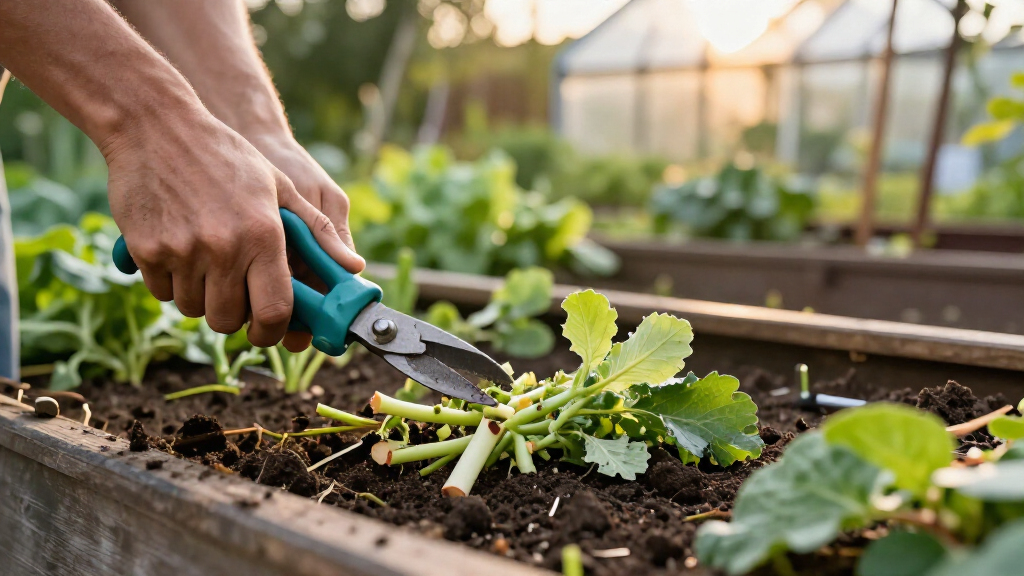
The method is a simple alternative to removing garden cuttings, composting them elsewhere and later returning finished compost or mulch to the bed. Gardeners cut plants back, chop the stems and foliage into smaller sections, then spread the pieces on the soil. The report recommends sections around 2 to 4 inches long for a neater appearance and quicker breakdown than leaving long stems intact.
Homes & Gardens says the method can be used when cutting back perennials in fall or spring, during a late-spring trim sometimes known as the Chelsea Chop, and when deadheading flowers in summer. It also applies to soft growth from routine jobs such as trimming lavender or edging a lawn. The report names hardy geraniums, persicaria, catmint, astilbe, aster, phlox and ornamental grasses as suitable examples.
As the material decays, the report says, earthworms, fungi and microbes help incorporate it into the soil. It can contribute organic matter and cover bare ground. The report advises against using hosta and agapanthus cuttings, which it says can become a slimy, unattractive layer. The source does not provide measured results or a quantified estimate of time saved.
Less Cleanup, More Ground Cover
The practical appeal is that cutting and mulching happen in one step. Gardeners who would otherwise haul debris to a compost pile and later transport material back to the beds can avoid that extra handling. Leaving suitable cuttings in place also keeps organic material on the ground while it decomposes.
The report says a layer of plant debris can help shield soil from wind and rain, reducing erosion and the loss of nutrient-rich topsoil. It may also moderate soil temperature and reduce moisture evaporation, which could mean less frequent watering. These are described as potential gardening benefits, not as outcomes quantified by comparative trials in the source.
There is a trade-off in appearance and habitat. Cuttings can make a border look untidy to people who prefer a manicured finish, while the same cover can shelter garden wildlife. It may also hide slugs and snails, so gardeners need to weigh soil cover and habitat against the possibility of pest problems in their beds.
As an affiliate, we earn on qualifying purchases.
A Bedside Alternative to Composting
Traditional bed cleanup removes plant material and often sends it to a compost heap or garden-waste collection. Composting elsewhere can produce useful material, but it requires handling the cuttings again if the finished compost is later returned to the garden. Chop-and-drop instead leaves selected debris where it was cut, allowing it to decompose on the bed.
The report presents the technique as an option for several seasonal jobs, rather than a rule that every plant should be left in place. It recommends using sharp pruning tools and cutting material into short pieces. The approach can be used in beds of different sizes, but plant choice matters: some cuttings are more suitable than others, and the source specifically cautions against hosta and agapanthus debris.
Limits and Garden Conditions
The source is a gardening-advice report, not a controlled study. It does not quantify how much time chop-and-drop saves, how much nutrients the cuttings return, or how much soil moisture or erosion changes. Those outcomes can depend on the plant material, the amount left on the bed and local conditions.
It is also not clear from the report how the technique affects pest levels across different gardens. It flags slugs and snails as a possible concern but does not provide data on whether leaving cuttings increases their numbers. Gardeners may need to observe their own beds and adjust how much material they leave, especially where tidiness or pest management is a priority.
Try It During the Next Trim
Gardeners interested in the method can test it during their next suitable pruning or deadheading job. Use sharp pruners or shears, cut eligible stems into short sections of about 2 to 4 inches, and distribute them over the bed rather than leaving large, long piles. Start with plants identified as suitable in the report and keep hosta and agapanthus cuttings out of the layer.
Afterward, check how the bed looks and whether slugs or snails become a concern. The source describes chop-and-drop as usable through the year when trimming appropriate growth; it does not announce a formal program or a scheduled next development. The likely next step for readers is practical: assess the results in their own garden and decide whether the reduced hauling and added ground cover suit their beds.
Key Questions
What does chop-and-drop gardening mean?
It means cutting suitable plants back, chopping the cuttings into small pieces and leaving them on the soil to decompose, instead of removing them for composting elsewhere.
When can I use the technique?
The report describes using it during fall or spring perennial cutbacks, late-spring trimming, summer deadheading and routine trimming of soft growth. Suitability depends on the plant and the material being left behind.
Which plants does the report recommend?
Examples include hardy geraniums, persicaria, catmint, astilbe, aster, phlox and ornamental grasses. The report cautions against hosta and agapanthus cuttings because they can become slimy.
What are the main disadvantages?
Cuttings can make beds appear messier than a cleared or manicured border. The layer may also offer cover for slugs and snails, so gardeners should monitor their beds.
How small should I cut the stems?
The report recommends pieces about 2 to 4 inches long. Shorter pieces look neater than long stems and are described as breaking down more quickly.
Source: rss
Halloween Picks
halloween
As an affiliate, we earn on qualifying purchases.