
TL;DR

Get garden gear delivered free with Prime
- Fast, free delivery on millions of items
- Prime Video, Amazon Music and more included
- Member-only deals all year
An Ideal Home report outlines five October garden practices recommended by wildlife and veterinary experts: clean feeders, leave leaf litter and twigs, offer suitable supplementary food, provide clean water, and retain seed heads and rough vegetation. The advice is seasonal guidance, not a report of measured outcomes, and feeding recommendations include a warning about disease risk through October.
Ideal Home has published five expert-recommended ways to support garden birds in October, including cleaning feeders, leaving fallen leaves, providing fresh water and retaining natural food sources. The guidance is aimed at people hoping to help robins, finches and other songbirds as autumn temperatures fall and food availability changes.
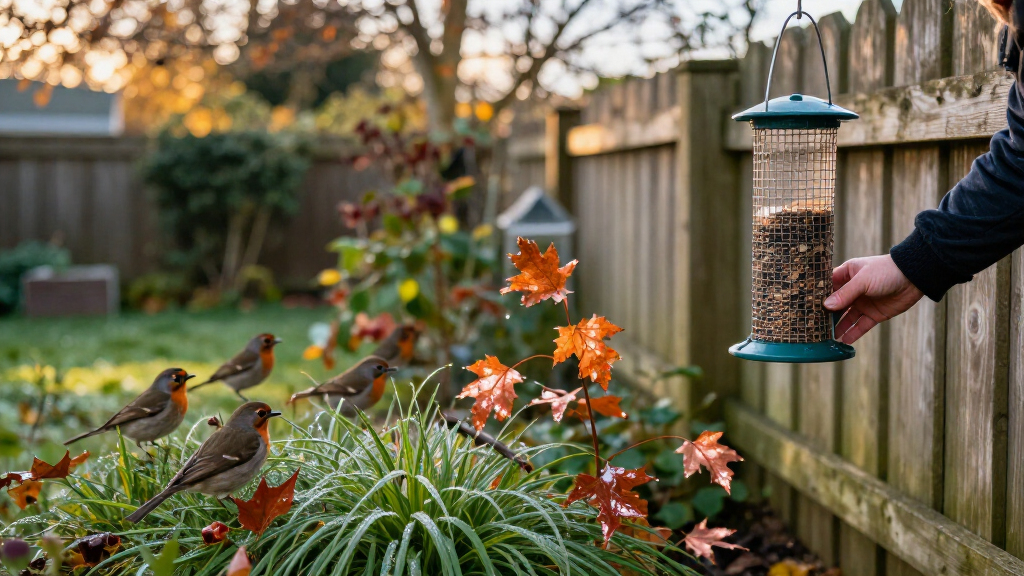
The first recommendation is to clean feeders at least weekly. James Ewens, a bird specialist at Green Feathers, told Ideal Home that birds gathering at a shared feeding point can spread disease. He advises removing old food and droppings, washing feeders with hot, soapy water, rinsing them thoroughly and moving them periodically to prevent contaminated material building up below.
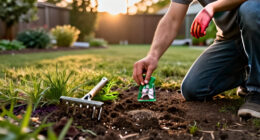
The report also recommends leaving leaf litter and small twigs rather than clearing every fallen leaf. Nicola Bryden, a veterinarian and member of the Royal College of Veterinary Surgeons, said leaf cover can help protect insects in the soil, while twigs and leaves create small habitats. Ground-feeding birds such as robins eat insects, spiders and worms, according to Bryden.
For supplementary feeding, Ewens recommends small, regular amounts of high-energy food, such as mealworms or suet, as colder weather raises birds’ energy needs. His advice includes a seasonal caveat: because of increased trichomonosis risk from May through October, he says to hold off on seeds and peanuts until the end of October, when those foods may become more useful as natural supplies decline.
Small Garden Changes for Autumn Birds
The recommendations focus on food, water, shelter and hygiene—practical parts of garden care that can affect the resources available to birds as weather turns colder. Leaving vegetation and leaf litter also spreads potential food sources around the garden, rather than concentrating visiting birds at one feeder, Ewens told Ideal Home.
These are expert recommendations, not evidence that any particular garden intervention will increase local bird numbers. Still, they give gardeners specific ways to reduce avoidable risks, such as dirty feeding equipment, while keeping natural food and habitat available. The advice is relevant to households that want to help birds without turning the garden into a heavily managed feeding site.
As an affiliate, we earn on qualifying purchases.
Why October Care Differs
October falls between the warmer months and winter conditions, and the report describes it as a period when natural food may become scarcer and frosts can arrive. Bryden said autumn leaf cover helps maintain insect habitat, while birds that feed on invertebrates can use those food sources as they prepare for colder weather.
Water remains part of the advice even when temperatures begin to drop. Bryden told Ideal Home that birds use water to drink and bathe, and that clean feathers help with insulation. She suggests checking shallow water sources for early ice and keeping a birdbath clean. The report does not provide local weather forecasts or specify how advice may vary by region.
“The number one priority is hygiene!”
— James Ewens, bird specialist at Green Feathers, as quoted by Ideal Home
Limits of the October Advice
The report does not cite field data measuring the effect of these five actions on bird survival or local populations, and it does not specify how recommendations differ across climates or species. Its feeding guidance also sets a specific timing distinction around seeds and peanuts: Ewens advises waiting until the end of October because of trichomonosis risk from May through October. The article does not give further detail on how that risk varies by location or feeding setup.
Gardeners should also distinguish general advice from local guidance. The source does not provide a complete list of suitable foods, feeder-cleaning products or disease symptoms, nor does it describe a monitoring system for assessing whether the measures are helping birds in an individual garden.
Practical Steps Through Autumn
Gardeners following the advice can begin with a weekly feeder clean, remove spoiled food, and check water sources regularly for dirt or ice. They can leave some leaves and twigs in a suitable corner, retain seed heads and berries, and avoid clearing all rough vegetation before winter.
As October ends and temperatures continue to change, the report’s experts recommend reassessing supplementary food and water while maintaining feeder hygiene. The source sets out no formal follow-up study or next announcement; the immediate next step is routine seasonal garden care, adjusted to local conditions.
Key Questions
What are the five ways to help birds in October?
The report recommends cleaning feeders weekly, leaving leaf litter and small twigs, offering suitable supplementary food, providing clean water, and keeping some seed heads, berries and rough vegetation in the garden.
How often should bird feeders be cleaned?
James Ewens recommends cleaning feeders at least once a week. Remove old food and droppings, wash with hot, soapy water, rinse thoroughly and move the feeder periodically.
Should I put out seeds and peanuts in October?
Ewens advises holding off on seeds and peanuts through October because of increased trichomonosis risk from May to October. He says they may be more useful from the end of October as natural food supplies decline.
What should I do if a birdbath freezes?
Bryden recommends melting solid ice with warm water. The report says not to use salt or chemical de-icers.
Why leave fallen leaves in the garden?
Bryden says leaf litter can help protect insects in the upper soil, providing habitat and potential food for insect-eating birds such as robins. A small, less-tidy garden area can retain this resource without leaving the whole garden unmanaged.
Source: rss
Fall yard work Picks
leaf blowers
As an affiliate, we earn on qualifying purchases.