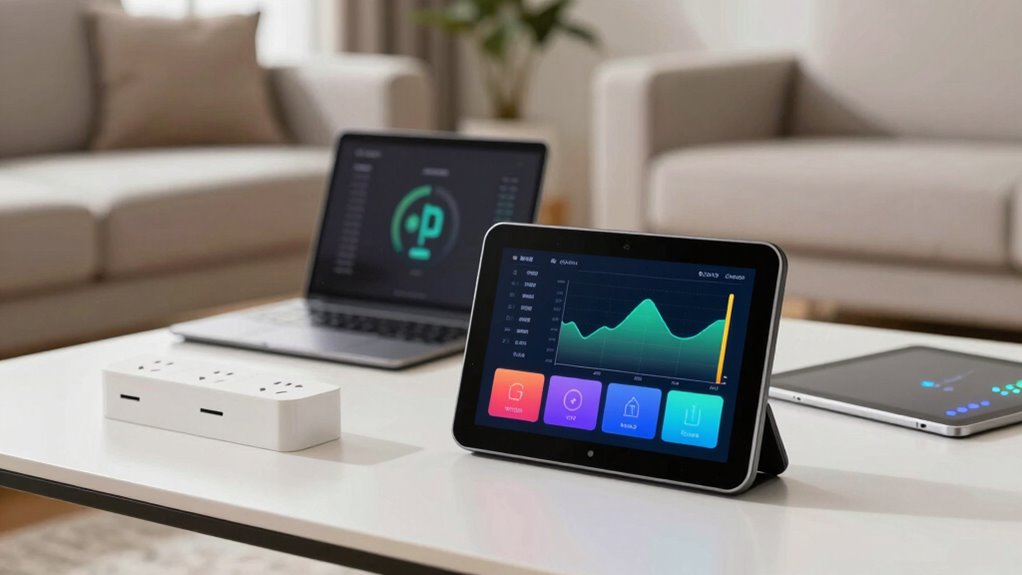

To find your home’s silent electricity hogs in a weekend, start by installing simple energy monitors like plug-in devices or clamp meters on your main panel. Track your overall usage and identify high-consuming appliances, especially those running when you’re not using them. Unplug or switch off hidden loads, then compare data after a few days. Keep experimenting with these tips to uncover more savings along the way—and learn how to optimize your home’s energy use effectively.
Play games included with Prime
Start a Prime free trial and play with Amazon Luna on your devices.
As an affiliate, we earn on qualifying purchases.
Key Takeaways
- Use a whole-house smart energy monitor to track real-time consumption and identify hidden power drains over a weekend.
- Turn off all appliances, then systematically turn on devices to observe which ones cause spikes or high baseline usage.
- Use plug-in meters on suspected appliances to pinpoint those with unexpectedly high energy consumption.
- Check for standby power by measuring devices in “off” mode to find silent energy hogs.
- Review consumption patterns during the weekend to identify appliances that operate continuously or unexpectedly draw power.
As an affiliate, we earn on qualifying purchases.
Why Monitoring Your Home’s Energy Use Matters
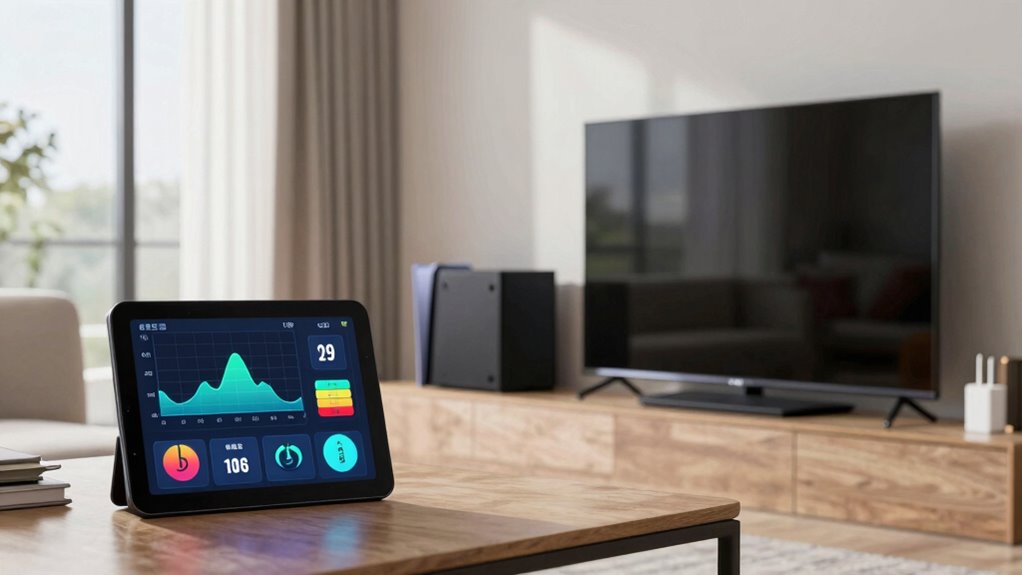
Monitoring your home’s energy use is essential because it helps you identify where energy is being wasted and how you can reduce costs. By tracking consumption, you can make smarter decisions about integrating renewable energy sources, like solar panels, into your home. Understanding your energy patterns allows you to optimize your usage, especially during peak times, and take advantage of a smarter grid that dynamically adjusts to supply and demand. This proactive approach not only lowers your utility bills but also supports sustainability efforts. With detailed insights into your energy habits, you can find opportunities to reduce waste and increase efficiency. Additionally, AI tools can assist in analyzing your energy data to identify patterns and optimize usage further. Ultimately, monitoring empowers you to make informed choices that benefit both your wallet and the environment.
Choosing the Right Tools to Detect Power Hogs
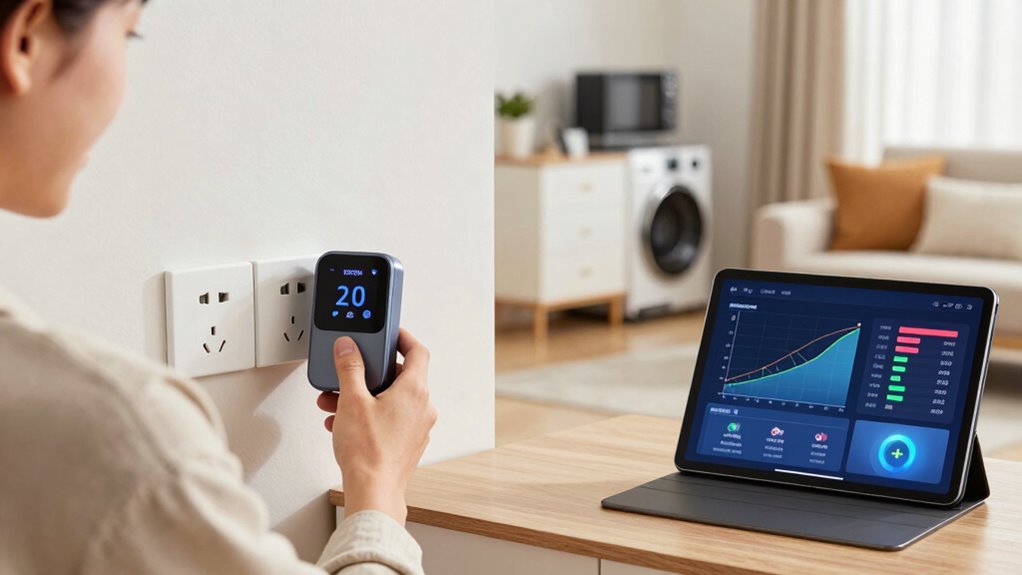
Picking the right tools to identify power hogs is essential for effective energy monitoring. You’ll want to contemplate different types of energy monitors and their key features to find the best fit for your home. Additionally, understanding installation and usage tips can help you get accurate readings and optimize your energy savings.
Types of Energy Monitors
Choosing the right energy monitor is essential for effectively identifying power-hungry appliances in your home. Different monitors offer unique ways to track energy use and reveal hidden energy thieves. Here are four options to contemplate:
- Smart meters: Installed by your utility, they provide real-time data and help you see your overall consumption.
- Clamp-on meters: Attach directly to the breaker panel, measuring current without disconnecting wires.
- Wireless sensors: Place on appliances to monitor individual device energy use remotely.
- Plug-in monitors: Insert into outlets to track power consumption of specific devices.
Each type offers distinct advantages, from exhaustive household data to pinpointing the biggest energy hogs. Choosing the right tool depends on your goals and setup, and understanding energy efficiency can help you make smarter choices in reducing power consumption.
Key Features to Consider
When selecting an energy monitor, understanding its key features helps guarantee you get the most accurate and useful data. Look for smart meters that offer real-time tracking, detailed breakdowns, and easy-to-read displays. These features make it simpler to identify which appliances consume the most power. Additionally, consider tools that support thorough energy audits, allowing you to analyze your overall consumption and pinpoint inefficiencies. Some monitors provide alerts for unusual activity or high usage, helping you catch power hogs quickly. Compatibility with your home’s electrical system and the ability to track multiple circuits can also enhance your monitoring experience. Ultimately, choosing a device with these features ensures you gather precise insights to make smarter energy-saving decisions at home. Advanced features can further improve your monitoring capabilities and help optimize your energy efficiency.
Installation and Usage Tips
To effectively detect power hogs in your home, selecting the right tools is essential. First, choose a clamp meter that can measure high loads from appliances, including those connected to solar panels or battery storage systems. Second, invest in a smart energy monitor to track real-time consumption and identify unusual spikes. Third, use a plug-in power meter to evaluate individual devices’ energy use, revealing hidden culprits. Fourth, consider a whole-house energy monitor for an extensive overview that helps you optimize solar panels and battery storage systems. These tools empower you to pinpoint energy-drilling devices, maximize solar efficiency, and reduce costs. Properly integrating European cloud servers and energy management solutions can further enhance monitoring capabilities. With the right equipment, you’ll confidently uncover and eliminate silent power hogs, transforming your home’s energy habits.
How to Set Up a Basic Home Energy Monitoring System
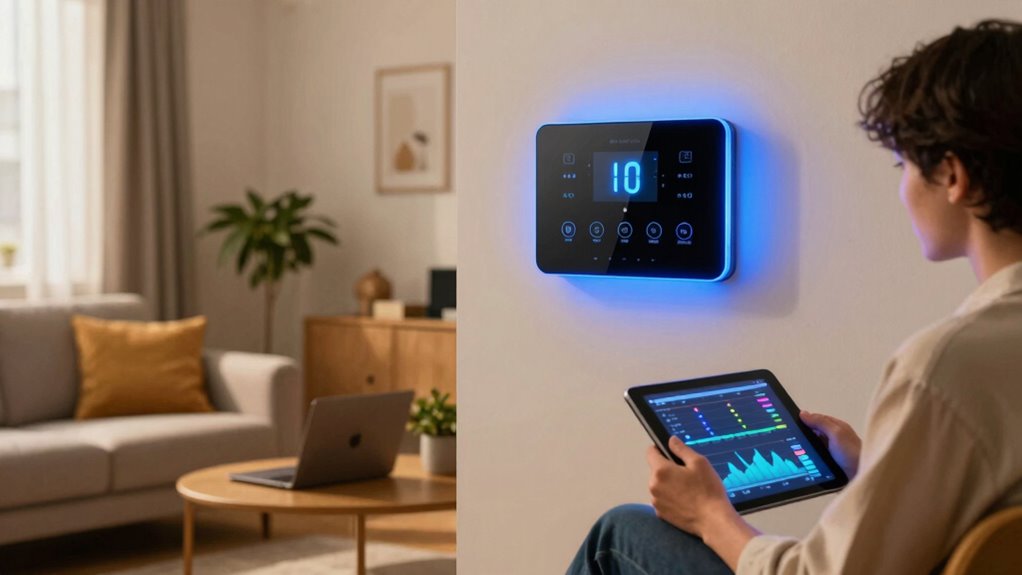
Setting up a basic home energy monitoring system starts with choosing the right equipment that fits your needs. Make sure you install sensors correctly to get accurate readings, and then learn how to interpret the data to identify energy-saving opportunities. With these steps, you’ll gain clear insights into your energy use and can make smarter choices. Additionally, understanding home energy integration helps optimize how your EV and other appliances interact with your overall energy system.
Choosing the Right Equipment
Choosing the right equipment is essential for setting up an effective home energy monitoring system. It helps you identify where your energy goes and take control. Consider these options:
- A smart thermostat that learns your habits and optimizes comfort while saving energy.
- Power meters that give you real-time data on individual appliances’ consumption.
- Whole-home energy monitors that track total usage at your main panel.
- Mobile apps that allow remote monitoring and instant alerts.
Implementing energy efficiency tools can make it easier to pinpoint waste and improve your home’s overall performance. These tools empower you to make smarter decisions, cut waste, and save money. Smart thermostats and power meters are especially impactful because they provide immediate feedback and automation, transforming your home into an energy-efficient haven. Pick equipment that fits your lifestyle and goals.
Installing Sensors Properly
Ever wondered how to guarantee your energy monitoring sensors work accurately and effectively? Proper sensor placement is vital; position them where they can best detect energy flow, such as near the main breaker or individual circuits you want to monitor. Ensure sensors are securely attached and aligned correctly to avoid measurement errors. Calibration techniques are essential for accuracy—use a known load or reference to fine-tune your sensors. Follow the manufacturer’s instructions carefully, and double-check connections to prevent false readings. Keep sensors away from electromagnetic interference and extreme temperatures, which can distort data. Regularly verify calibration settings to maintain precision over time. Correct installation and calibration are the foundation for reliable data, helping you identify where your home’s energy is truly going. For optimal results, consider integrating Free Floating sensor systems that do not require direct wiring, simplifying setup and reducing potential errors.
Interpreting Data Effectively
To interpret your home energy data effectively, start by familiarizing yourself with the readings your monitoring system provides. Clear data visualization helps you see patterns and identify unusual spikes. Once you understand the basics, you can:
- Spot inconsistent data points that hint at troubleshooting anomalies.
- Recognize peak usage times to target specific appliances.
- Track daily and weekly trends to gauge your progress.
- Detect sudden jumps in consumption indicating potential issues.
- Understanding the culinary principles behind data interpretation can enhance your ability to make informed decisions about energy use.
Identifying Your Home’s Most Energy-Consuming Appliances
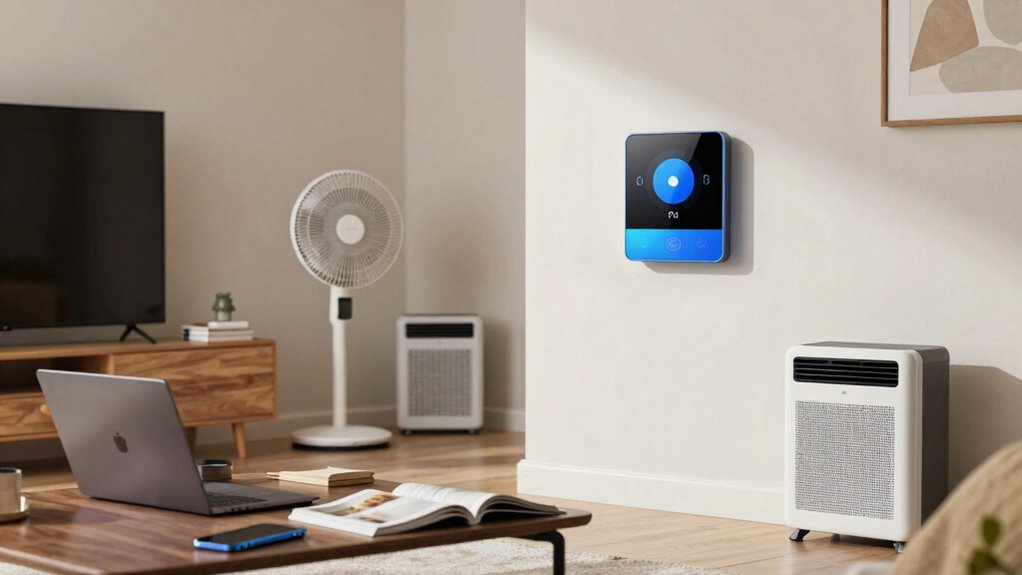
Understanding which appliances use the most energy in your home is essential for effective monitoring and savings. Start by examining appliance labeling to identify energy-efficient models and compare their consumption. Using simple energy audit techniques, you can pinpoint high-usage devices. Turn off or unplug appliances when not in use and track their energy use over time with a meter or smart plugs. Focus on large appliances like refrigerators, HVAC systems, washers, and dryers, as they typically consume the most power. Keep a list of these appliances and note their energy ratings. This way, you’ll know where to target your efforts for savings. Recognizing the biggest energy hogs helps you prioritize upgrades and adjust usage habits for maximum impact. Additionally, understanding energy consumption ratings can help you make informed decisions about appliance replacements and upgrades.
Analyzing Usage Patterns to Find Hidden Electricity Drain
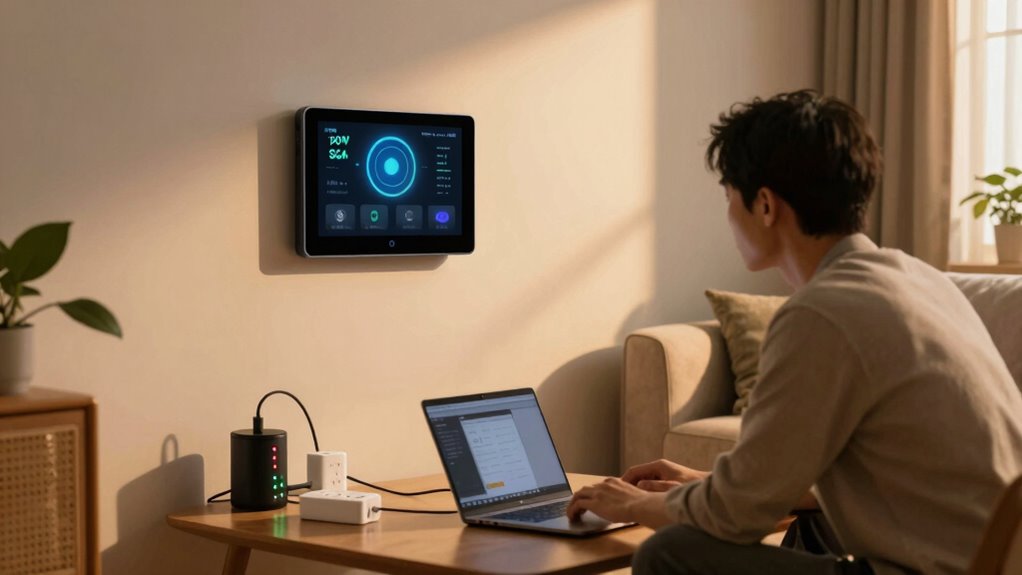
After identifying your home’s major energy-consuming appliances, the next step is to analyze how and when you use them. A smart meter can help you track real-time energy data, revealing unexpected patterns. Use appliance profiling to understand which devices run inefficiently or unnecessarily. Look for clues like:
- Surges in energy use during odd hours
- Appliances consuming power even when off
- Consistent high usage during certain times
- Hidden drains from devices you rarely consider
Understanding energy consumption patterns can help you identify inefficient or phantom loads that contribute to higher bills.
Practical Tips to Reduce Power Waste From Silent Appliances
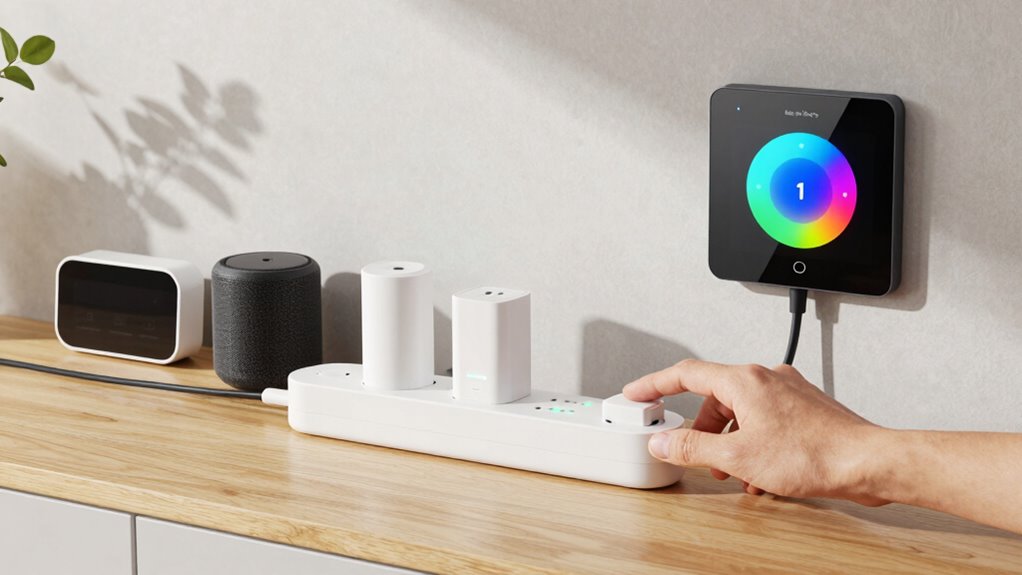
Have you ever noticed how some appliances seem to draw power even when they’re turned off? These silent appliances contribute to phantom loads, quietly wasting electricity and increasing your bills. To cut this waste, unplug devices when you’re not using them, especially chargers, entertainment systems, and smart devices. Use power strips with switches so you can easily turn off multiple appliances at once. Consider investing in smart power strips that automatically cut power when devices are idle. Adjust settings on devices to prevent standby modes from consuming unnecessary energy. Regularly check for hidden or forgotten appliances plugged in, and remove them from outlets. These small steps can considerably reduce phantom loads, helping you save money and energy without sacrificing comfort or convenience.
How to Track Your Progress and Measure Savings Over the Weekend
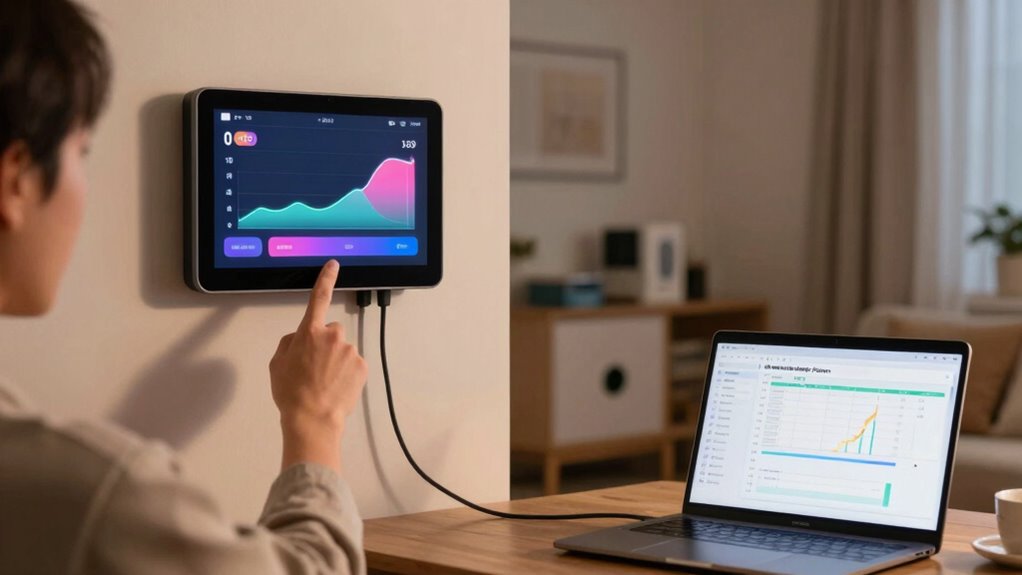
Tracking your energy savings over the weekend helps you see how effective your efforts to reduce phantom loads have been. To do this, use smart meters to monitor your energy consumption before and after unplugging appliances. Here’s how you can measure your progress:
- Record your baseline energy usage at the start of the weekend.
- Use smart meters to track real-time energy consumption throughout.
- Turn off or unplug devices you suspect are wasting power.
- Compare your initial and final readings to see your total energy savings.
Seeing clear data on your energy savings fuels motivation to keep cutting waste. It also helps you identify which appliances truly consume power even when idle. With consistent monitoring, you’ll turn your home into a more energy-efficient space.
Common Mistakes to Avoid When Monitoring Home Energy
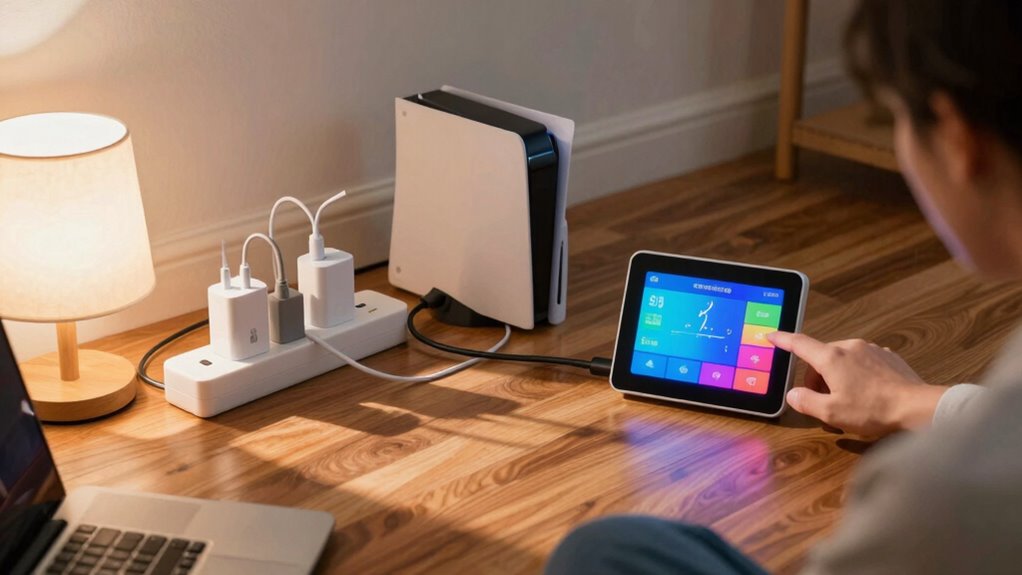
One common mistake is relying solely on a single reading or measurement to assess your energy usage. This can lead to inaccurate conclusions if you overlook calibration issues with your meters or sensors. Always double-check that devices are properly calibrated to ensure precise readings. Another mistake is neglecting safety precautions; working with electrical systems without proper knowledge or protective gear can be dangerous. Never ignore manufacturer instructions or safety warnings when installing or adjusting monitoring equipment. Additionally, avoid assuming one measurement reflects your entire home’s energy use—conditions can change, and different devices may skew results. Regularly verify your tools are functioning correctly and calibrated, and always prioritize safety to get accurate insights and prevent accidents.
Next Steps for Maintaining an Energy-Efficient Home
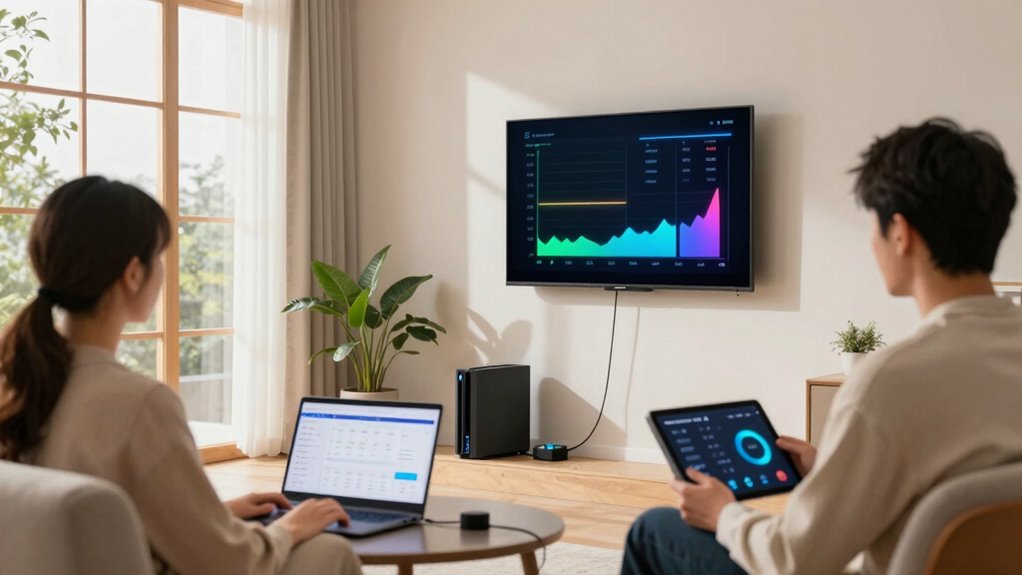
To maintain an energy-efficient home, you should establish ongoing practices that promote conservation and monitor your progress regularly. Embrace renewable integration by installing solar panels or wind turbines to reduce reliance on fossil fuels. Connect your home to a smart grid to optimize energy use, receive real-time updates, and adjust consumption accordingly. Here are four steps to keep your home efficient:
Maintain energy efficiency through ongoing conservation, renewable sources, smart grid integration, and periodic reassessment.
- Continuously track energy consumption to identify new opportunities for savings.
- Invest in renewable sources to lower your carbon footprint and save long-term costs.
- Use smart grid technology to automate energy adjustments and improve efficiency.
- Reassess your energy plan periodically, updating devices and practices for ongoing improvement.
Staying proactive guarantees your home remains eco-friendly, cost-effective, and resilient.
Frequently Asked Questions
Can I Monitor Energy Use Without Professional Help?
Yes, you can monitor your energy use without professional help by setting up a DIY energy monitor. You just need a simple device like a smart plug or a clamp meter to track individual appliances. This approach allows you to identify hidden energy hogs easily. However, for a thorough assessment or complex systems, a professional evaluation might be better. But for most homeowners, DIY methods work well and save money.
How Often Should I Check My Energy Consumption?
You should check your energy consumption at least once a month to identify cost comparison trends and make certain you’re not wasting power. Regular monitoring helps you spot changes early, especially after device installation or upgrades. If you notice increased energy use, you can take action swiftly. Consistent checks keep your energy habits in check, saving you money and ensuring your devices operate efficiently.
Are There Apps That Simplify Energy Monitoring?
Yes, there are smartphone apps that make energy monitoring easy. You can connect them to your smart meters or energy dashboards, giving you real-time data on your electricity use. These apps often feature user-friendly interfaces, helping you identify high-consuming appliances and track your savings. With just a few taps, you’ll gain better control over your energy habits, making it simpler to cut costs and reduce waste.
What Are the Costs of Home Energy Monitoring Devices?
You’ll find that home energy monitoring devices typically cost between $50 and $300, depending on features and compatibility. Conduct a cost comparison to see which device fits your budget, and verify it’s compatible with your existing electrical system for easy installation. While some models are budget-friendly, more advanced options offer detailed insights. Consider your needs and budget to choose a device that effectively helps you identify energy hogs without overspending.
How Long Does It Take to See Real Savings?
You can start seeing real savings within a few weeks after improving appliance efficiency and conducting energy audit methods. By identifying and addressing silent electricity hogs, you optimize your energy use quickly. Monitoring devices help you pinpoint high-consuming appliances, so you can adjust habits or upgrade to more efficient models. Consistent efforts and smart choices lead to noticeable reductions in your energy bills, often in just one or two billing cycles.
Conclusion
In just a weekend, you can uncover silent energy hogs hiding in your home—those sneaky appliances draining power without your notice. Imagine saving money while reducing your carbon footprint, all without major renovations. It’s a simple, empowering step that reveals the hidden costs behind everyday devices. Don’t wait for high bills to surprise you; take control now and enjoy a more efficient, eco-friendly home that works smarter, not harder.
NFL season / tailgating Picks
team gear
As an affiliate, we earn on qualifying purchases.