
To preserve your peak harvest during busy weeks, harvest crops at their ripest using proper techniques, handle them carefully, and cool them quickly to retain freshness. Choose preservation methods like freezing, canning, or drying based on your crops and available space. Store produce properly in cool, dark, and well-ventilated areas, and monitor conditions regularly. For tips on mastering these steps and handling challenges, continue exploring how to keep your harvest fresh all year.
Key Takeaways
- Harvest crops at peak ripeness using proper techniques and sharp tools, then handle gently to prevent bruising.
- Cool produce promptly post-harvest and sort out damaged items immediately to extend freshness.
- Use appropriate preservation methods like freezing, drying, or canning based on crop type and storage space.
- Maintain optimal storage conditions—32-40°F and 85-95% humidity—with breathable containers and regular environment monitoring.
- Keep storage areas clean, pest-free, and well-organized; record harvest and storage data to streamline busy weeks.
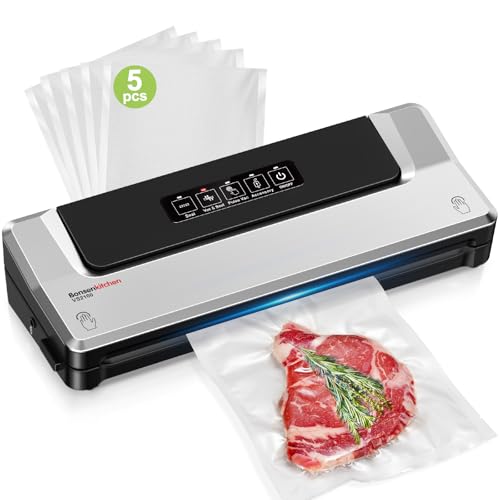
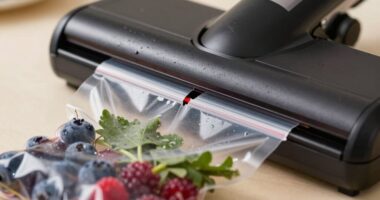
Bonsenkitchen Vacuum Sealer Machine | Compact Food Sealer for Kitchen Storage & Meal Prep | Multiple Modes | External Vacuum System | 5 Bags, Silver
- Modes: Four vacuum and sealing modes
- Automatic Vacuum: One-touch 'Vac & Seal' mode
- Manual Control: 'Pulse Vac' for soft/moist foods
As an affiliate, we earn on qualifying purchases.
As an affiliate, we earn on qualifying purchases.
How to Harvest and Prepare Your Garden Bounty Quickly
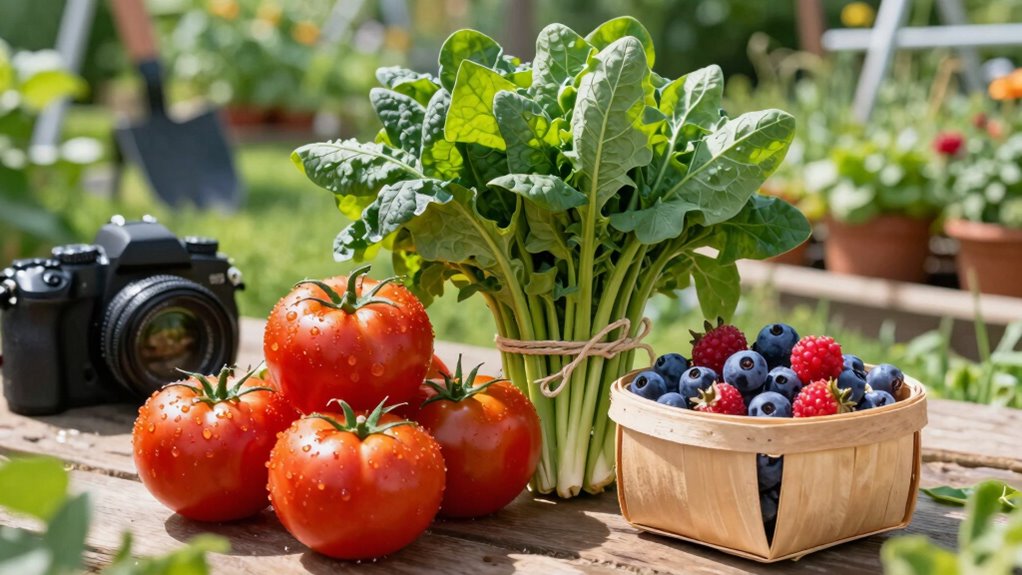
When it’s time to harvest your garden bounty, acting swiftly guarantees you preserve freshness and flavor. Begin by inspecting plants carefully, using sharp, well-maintained garden tools to make clean cuts that minimize damage. Proper garden tool maintenance ensures your tools cut efficiently, reducing plant stress. As you harvest, stay mindful of pest management strategies; removing affected or infested parts prevents pests from spreading. Handle produce gently to avoid bruising, which can accelerate spoilage. Gather crops in clean, breathable containers to keep them fresh during transport. Quickly removing debris and dead foliage helps prevent disease. Keeping your harvesting process efficient and organized reduces waste and ensures your harvest remains at peak quality, setting a strong foundation for successful preservation later.
Choosing the Right Preservation Method for Your Crops

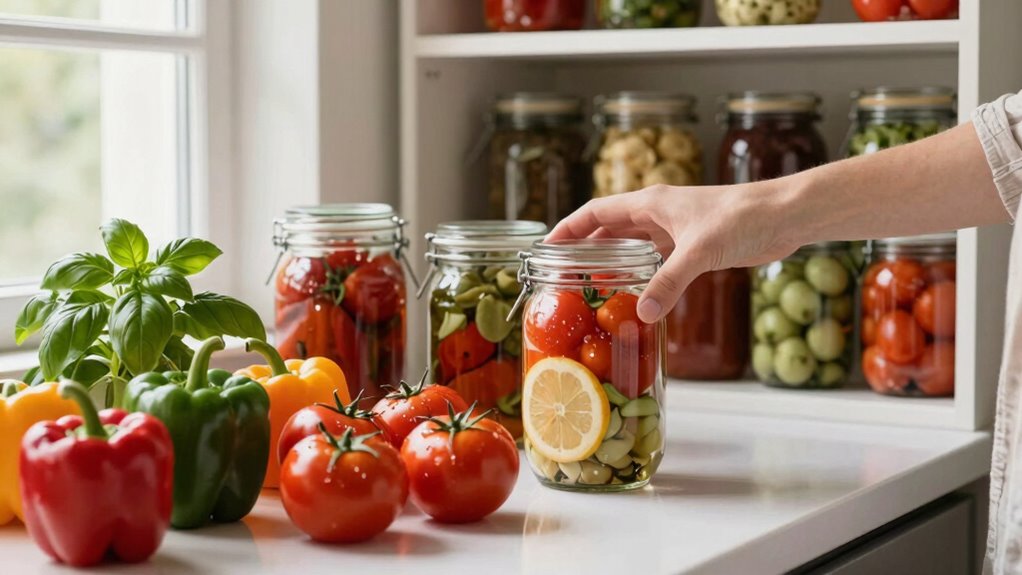
Selecting the appropriate preservation method depends on your crop type, intended use, and storage space. For crops like leafy greens or herbs, freezing or drying works well and preserves flavor. Root vegetables and hardy produce might be better suited for canning or fermenting. When planning preservation, consider crop rotation to prevent soil depletion and reduce pest management issues; rotating crops reduces the risk of pests and diseases that can compromise stored produce. If pests are a concern, choose methods like freezing or drying to eliminate infestations before storage. Proper preservation aligns with your garden’s layout and your schedule, ensuring you can enjoy your harvest longer without sacrificing quality or safety. Incorporating natural pool features into your backyard can also create a more sustainable environment for your garden and outdoor space. Picking the right method keeps your harvest fresh, reduces waste, and simplifies your busy weeks.
Easy Preservation Techniques (Canning, Freezing, Drying) for Beginners
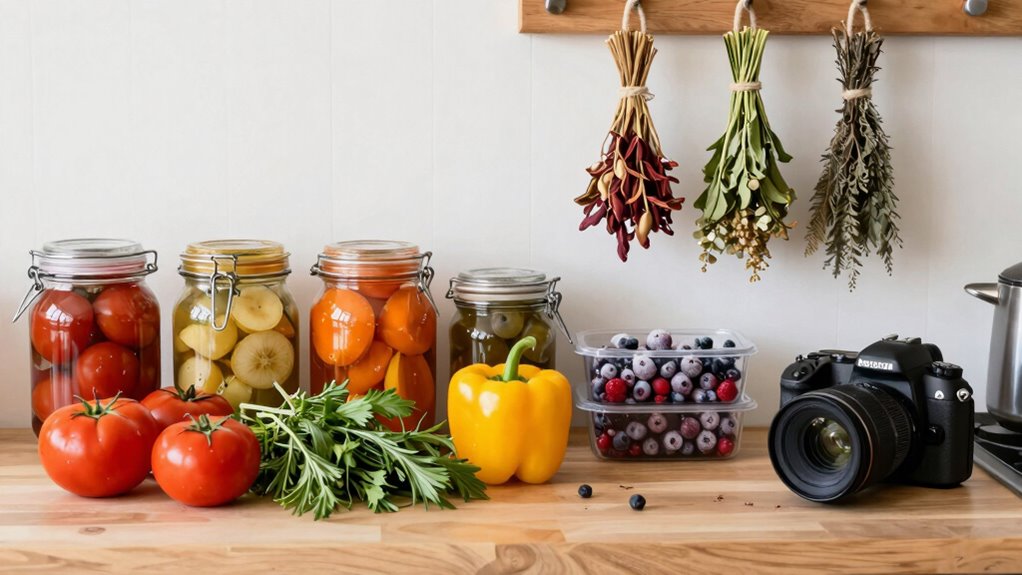
Getting started with simple preservation techniques like canning, freezing, and drying is a great way to enjoy your harvest long after the growing season ends. For beginners, understanding fermentation basics helps when making fermented foods like sauerkraut or pickles. Drying herbs using herbal drying techniques preserves flavor and aroma efficiently. Freezing is quick and retains nutrients, perfect for berries and greens. Canning, while slightly more involved, offers long-term storage with minimal effort once mastered. Here’s a quick comparison:
| Technique | Best For | Key Tip |
|---|---|---|
| Canning | Juices, jams, vegetables | Use proper jars and sterilize |
| Freezing | Berries, greens, herbs | Keep airtight to prevent freezer burn |
| Drying | Herbs, mushrooms, fruits | Use low heat and good airflow |
| Fermentation | Sauerkraut, kimchi | Maintain proper salt levels |
| Herbal Drying | Herbs for tea or seasoning | Hang in a warm, dry place |
Additionally, choosing the right preservation method can depend on the contrast ratio of your storage setup, ensuring your preserved foods stay fresh and flavorful over time.
Best Storage Tips for Long-Lasting Freshness
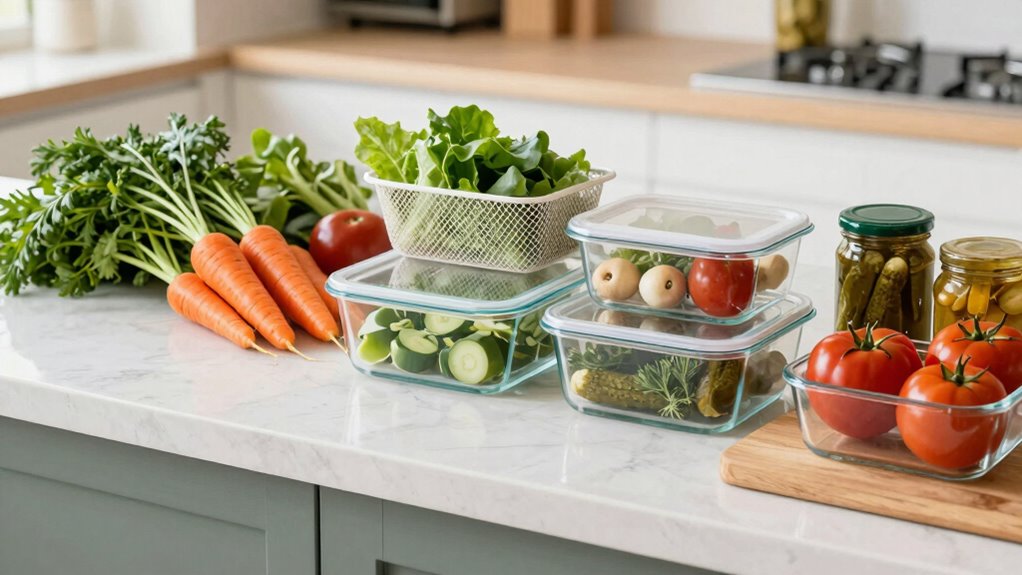
To keep your harvest fresh longer, focus on creating ideal storage conditions like proper temperature and humidity. Handling your produce carefully during harvest prevents damage that can lead to spoilage, while applying preservation techniques can extend its shelf life. By combining these strategies, you can enjoy your harvest at its peak longer. Ensuring optimal sleep environments can also help your recovery and overall well-being during busy weeks.
Optimal Storage Conditions
Maintaining the right storage environment is key to keeping your peak harvest fresh for as long as possible. Focus on climate control and humidity management to prevent spoilage. Keep produce in a cool, dark place with consistent temperatures, ideally between 32-40°F. Use a hygrometer to monitor humidity levels; most fruits and vegetables prefer 85-95% humidity. Proper airflow prevents mold and decay. Consider using breathable containers or perforated bags to maintain suitable conditions. Here’s a quick guide:
| Produce Type | Ideal Temp | Humidity Level |
|---|---|---|
| Leafy greens | 32-36°F | 95% |
| Root vegetables | 35-40°F | 85-90% |
| Berries | 32-34°F | 90-95% |
Adjust storage based on these guidelines to maximize freshness. Additionally, understanding proper storage practices can further enhance the longevity of your harvest.
Proper Harvest Handling
Handling your produce properly at harvest is the first step toward ensuring it stays fresh longer. Pay close attention to harvest timing; picking fruits and vegetables at their peak ripeness maximizes flavor and shelf life. During post harvest handling, gently handle the produce to avoid bruising or damage, which can accelerate spoilage. Remove any damaged or diseased items immediately, as they can affect others nearby. Keep your harvest cool and dry, avoiding unnecessary exposure to sunlight or heat. Properly cleaning and sorting your produce right after harvest also helps maintain freshness. Additionally, maintaining proper storage conditions such as temperature and humidity levels is crucial for prolonging freshness. Remember, the key to long-lasting freshness begins in how you handle your harvest—careful timing and gentle post harvest handling make all the difference.
Use of Preservation Techniques
Using effective preservation techniques is essential for extending the freshness of your harvest. Understanding fermentation basics helps you create tangy, probiotic-rich foods that last longer. For example, fermentation can conserve vegetables naturally without added preservatives, maintaining flavor and nutrients. Pickling essentials are also valuable; by submerging produce in vinegar or brine, you inhibit spoilage and add a delicious tang. Proper storage methods, such as airtight jars and cool, dark spaces, further boost shelf life. Always guarantee your equipment is sanitized to prevent unwanted bacteria. Combining fermentation and pickling techniques allows you to diversify your preserved foods while maximizing freshness. Additionally, proper storage techniques are vital for preventing spoilage and maintaining quality over time. These methods are straightforward once you grasp the fundamentals, making it easier to enjoy your harvest throughout the year.
Troubleshooting Common Preservation Challenges
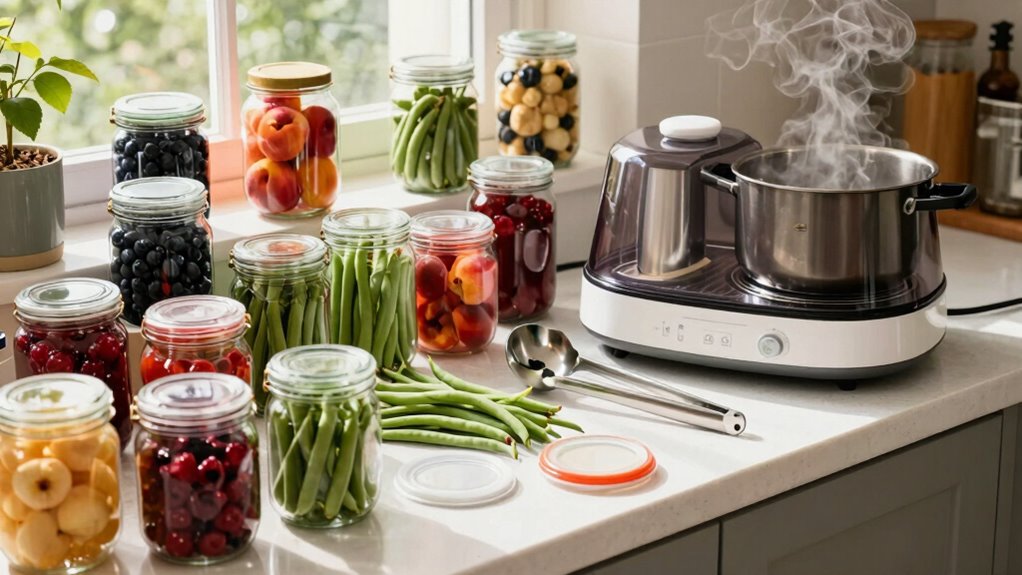
When preserving your harvest, unexpected issues can arise that threaten the quality and safety of your produce. Common challenges include pest infestation, spoilage, improper sealing, and texture changes. To address pest control, ensure your storage area is clean and sealed tightly, preventing insects from contaminating your preserved goods. Spoilage prevention starts with using fresh produce and proper sterilization of jars. If jars don’t seal properly, reprocess them or discard the contents to avoid risks. Texture issues may occur due to incorrect processing times or temperature fluctuations. Regularly check stored jars for signs of spoilage, like mold or off-odor, and handle problems promptly. Staying vigilant and troubleshooting these challenges helps maintain the quality and safety of your harvest. Additionally, utilizing air purifiers in your storage area can help reduce airborne contaminants that might contribute to spoilage.
Quick Tips to Keep Your Harvest Fresh All Year
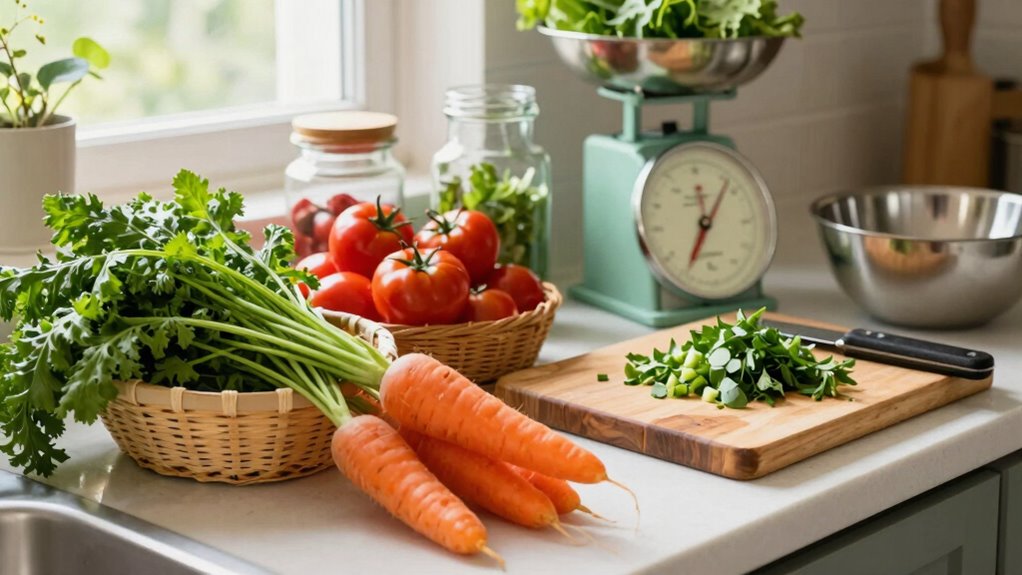
To keep your harvest fresh all year, start with proper harvesting techniques and timely processing. A well-planned garden layout makes harvesting easier and ensures crops are picked at peak ripeness, which extends freshness. Keep pests under control by regularly inspecting plants and using natural deterrents or barriers, preventing damage that accelerates spoilage. After harvesting, cool produce promptly and sort out any damaged items to prevent rot from spreading. Store fruits and vegetables in appropriate conditions—cool, dark, and well-ventilated areas—adjusting for different crop needs. Maintaining a clean storage space minimizes mold and pests, preserving freshness longer. Regular file organization of your harvest records and storage notes can streamline your preservation process and reduce waste. Consistent pest control and strategic layout planning are key to reducing damage and maximizing the longevity of your harvest throughout the year.
Frequently Asked Questions
How Can I Organize My Harvest Schedule Efficiently?
To organize your harvest schedule efficiently, plan around ideal harvest timing by monitoring plant maturity closely. Create a detailed calendar to track harvest dates and prioritize crops needing immediate attention. Use proper storage techniques, like cooling and airtight containers, to preserve freshness. Batch similar tasks together to save time, and set reminders for each stage. This approach ensures a smooth workflow, reduces waste, and keeps your harvest at its peak quality.
What Safety Precautions Should I Follow During Preservation?
Imagine a bustling kitchen where safety and cleanliness take center stage. You should always follow food safety guidelines and sanitation practices to prevent contamination. Wear gloves when handling produce, wash everything thoroughly, and sterilize equipment regularly. Keep your workspace organized and free of hazards. By prioritizing these precautions, you protect your harvest and ensure your preserved foods remain safe and delicious for weeks to come.
Are There Eco-Friendly Preservation Options Available?
Yes, eco-friendly preservation options are available. You can use compostable packaging, which reduces plastic waste and is biodegradable. Additionally, organic preservatives like vinegar, lemon juice, or honey help extend shelf life naturally, without harmful chemicals. These options are safe for the environment, help you reduce waste, and maintain the freshness of your harvest. Incorporate them into your workflow for a sustainable, effective preservation method.
How Do I Identify Ripe Produce at Harvest?
Pinpoint produce by paying close attention to color indicators and texture assessment. You’ll notice ripe fruits and veggies often boast vibrant hues and firm, yet yielding, textures. For instance, ripe tomatoes are deep red and slightly soft, while crispness signals readiness in cucumbers. To avoid under- or over-harvesting, gently squeeze and observe color changes. Trust your senses—visual clues and tactile feedback are your best guides for perfect picking.
Can Preserved Crops Be Used in Recipes Later?
Yes, preserved crops are incredibly versatile and can definitely be used in future recipe ideas. You can incorporate canned or frozen produce into soups, stews, salads, or even baked dishes, expanding your culinary options. Preserved crop versatility means you don’t have to worry about seasonal limits, allowing you to enjoy the flavors of your harvest anytime. Just make sure to store them properly to keep their quality for your upcoming recipes.
Conclusion
Don’t let your busy schedule stop you from enjoying your garden’s bounty. With simple methods and quick tips, you can preserve your harvest effortlessly and savor it all year long. Even if you worry about losing freshness or wasting produce, these easy techniques will boost your confidence. Remember, your garden’s gifts are worth the effort—preserve them today and enjoy your hard work long after the season ends. You’ve got this!