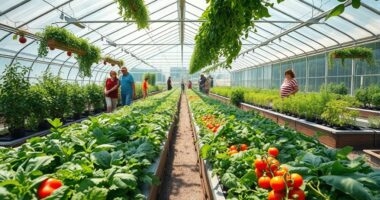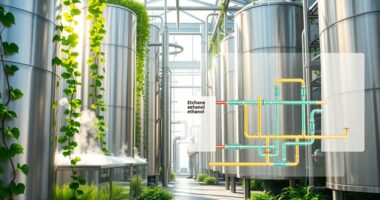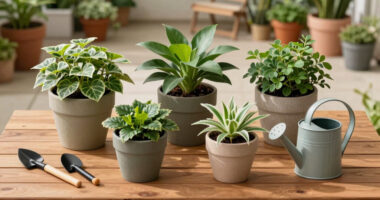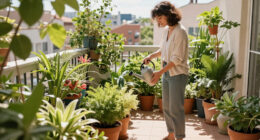

Living off-grid in a greenhouse with renewable energy is an effective way to guarantee food security while reducing your environmental footprint. By harnessing solar power for lighting, ventilation, and appliances, you gain a consistent energy source even in remote locations. Combining this with water conservation techniques like rain harvesting and drip irrigation helps maintain a sustainable system. Keep exploring to discover more ways to create a resilient, eco-friendly living space that supports long-term food independence.
Open a free Amazon Business account
Business pricing, bulk buying and tax-exempt orders.
As an affiliate, we earn on qualifying purchases.
Key Takeaways
- Solar panels provide renewable energy to power greenhouse systems, ensuring continuous operation off-grid.
- Rainwater harvesting and drip irrigation optimize water use, supporting sustainable food production.
- Battery storage maintains consistent internal conditions regardless of weather, enhancing food security.
- Passive solar heating and solar water heaters improve energy efficiency and reduce reliance on external utilities.
- Smart resource management and composting toilets create a self-sufficient, eco-friendly living and growing environment.

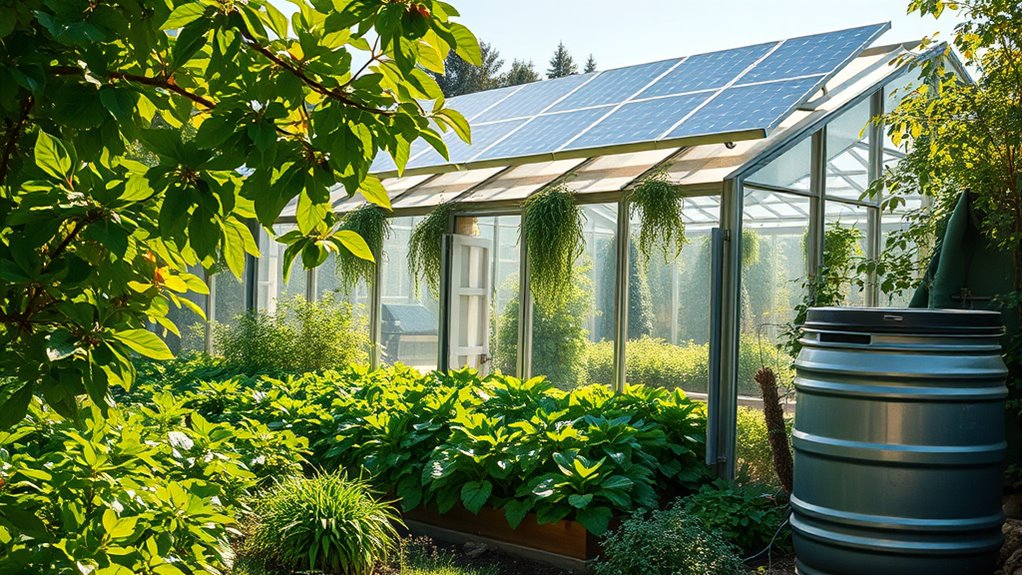
Living off-grid in a greenhouse offers a sustainable way to grow your own food while reducing reliance on traditional utilities. With the right setup, you can harness solar power to generate electricity, making your lifestyle more eco-friendly and self-sufficient. Solar panels installed on your greenhouse’s roof can capture sunlight during the day, converting it into usable energy to power lighting, fans, and small appliances. This renewable energy source not only minimizes your carbon footprint but also ensures that your greenhouse remains operational even when grid access isn’t available. As you plan your off-grid greenhouse, prioritize a reliable solar power system, including batteries for energy storage, so you can maintain consistent conditions inside your greenhouse, regardless of weather or time of day. Incorporating solar energy systems into your design can also help you reduce overall energy costs in the long run.
Water conservation becomes a critical aspect of off-grid living, especially when you’re minimizing your reliance on municipal water supplies. Implementing rainwater harvesting systems allows you to collect and store water from your greenhouse roof, providing a sustainable water source for irrigation and other needs. Pair this with drip irrigation systems, which deliver water directly to plant roots, reducing waste and evaporation. Using moisture sensors to monitor soil conditions helps you water only when necessary, further conserving this essential resource. Additionally, recycling greywater from sinks or washing areas can supplement your water supply, creating a closed-loop system that maximizes efficiency. Incorporating water conservation techniques into your setup ensures that you make the most of limited water resources while maintaining healthy plant growth.
Incorporating solar power and water conservation strategies into your greenhouse design requires some upfront planning, but the long-term benefits are well worth the effort. You’ll enjoy a steady supply of fresh produce, even in remote locations, while substantially reducing your environmental impact. The combination of renewable energy and efficient water use enables you to maintain a thriving garden and a sustainable lifestyle without dependency on traditional utilities. As you gain experience, you might explore additional energy-saving technologies such as passive solar heating, composting toilets, or solar water heaters, all of which complement your off-grid greenhouse setup. With dedication and smart resource management, you’ll create a resilient, eco-friendly space that provides food security and peace of mind, no matter where you choose to live off-grid.
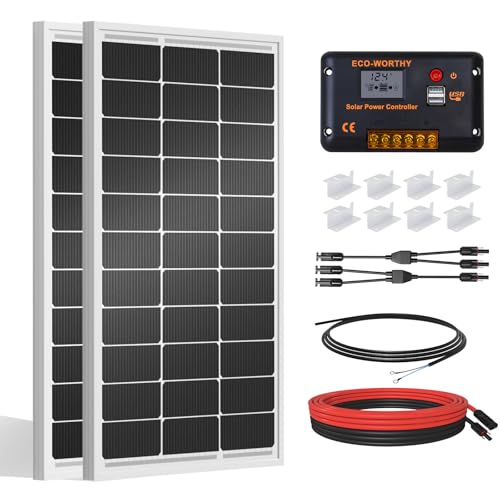
ECO-WORTHY 200 Watts 12 Volt/24 Volt Solar Panel Kit with High Efficiency Monocrystalline Solar Panel and 30A PWM Charge Controller for RV, Camper, Vehicle, Caravan and Other Off Grid Applications
- Wide Application: Suitable for RV, Marine, Off-Grid use
- High Efficiency Cells: Up to 21.5% efficiency with monocrystalline cells
- Durable Construction: Corrosion-resistant aluminum frame, IP65 rated
As an affiliate, we earn on qualifying purchases.
As an affiliate, we earn on qualifying purchases.
Frequently Asked Questions
What Are the Initial Costs of Setting up an Off-Grid Greenhouse?
When considering the initial setup of an off-grid greenhouse, you should focus on cost estimation and financial planning. The expenses include greenhouse materials, renewable energy systems like solar panels, water collection setups, and climate control equipment. Costs vary based on size and technology choices, so budgeting carefully helps you plan effectively. Expect to spend several thousand dollars initially, but investing wisely guarantees long-term food security and energy independence.
How Do Off-Grid Greenhouses Handle Extreme Weather Conditions?
You can handle extreme weather in your off-grid greenhouse through climate adaptability measures. Use insulation techniques like double glazing or thermal curtains to retain heat during cold snaps, and install ventilation or shading to prevent overheating in hot weather. These strategies help maintain a stable environment, protecting your plants from severe conditions. By prioritizing insulation and climate adaptability, you guarantee your greenhouse remains productive regardless of weather extremes.
What Maintenance Is Required for Renewable Energy Systems?
Did you know that proper maintenance can boost renewable system efficiency by up to 25%? You’ll need to regularly check your batteries, guaranteeing they’re properly charged and free of corrosion, and clean your solar panels to maximize sunlight absorption. Additionally, inspect wiring and connections for wear or damage. Routine maintenance keeps your system running smoothly, extends lifespan, and ensures your off-grid greenhouse stays powered and productive year-round.
Can Off-Grid Greenhouses Support Year-Round Food Production?
Yes, off-grid greenhouses can support year-round food production. By implementing season extension techniques and choosing diverse crops, you can maximize your harvest throughout the year. Proper insulation and renewable energy systems guarantee consistent conditions, reducing reliance on external sources. With thoughtful planning, your off-grid greenhouse becomes a reliable food source in any season, providing fresh produce and enhancing your food security all year long.
What Are the Legal Regulations for Off-Grid Greenhouse Living?
Think of legal regulations as the invisible fence guiding your off-grid greenhouse adventure. You need to check zoning restrictions and obtain building permits before planting your dreams. These rules vary widely by location, so it’s essential to contact local authorities. Staying compliant ensures your off-grid greenhouse remains a sustainable, legal haven, allowing you to grow food freely without the risk of fines or shutdowns.
Conclusion
Embracing off-grid greenhouse living gently guides you toward a more self-sufficient and resilient lifestyle. By harnessing renewable energy and nurturing your own food sources, you create a sanctuary of sustainability and peaceful independence. It’s a quiet journey of harmony with nature, where every harvest and sunset deepens your connection to the earth’s gentle rhythms. Step into this sustainable chapter, and discover a fulfilling balance between simplicity and abundance, all while nurturing your soul and the planet.
Fall Picks
fall essentials
As an affiliate, we earn on qualifying purchases.