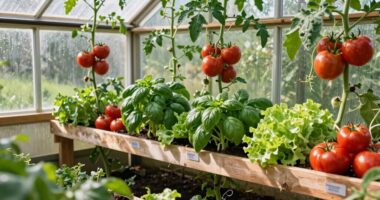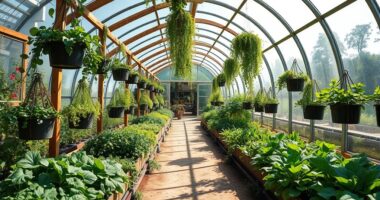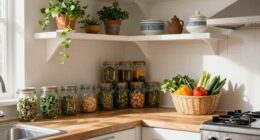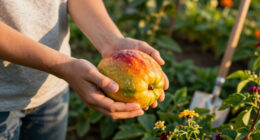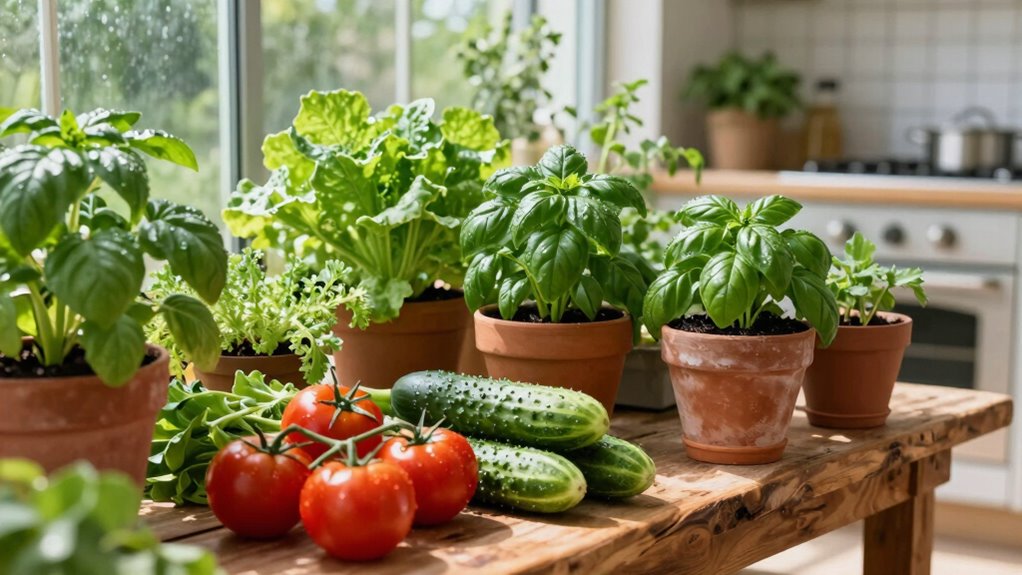
A greenhouse-to-kitchen flow helps you use fresh, local produce efficiently, reducing waste and ensuring food isn’t forgotten. By shortening the supply chain, you get produce at peak flavor and nutrients, which encourages better meal planning. Controlled environments allow year-round access to seasonal ingredients, while sustainable practices protect the environment. This system promotes responsible consumption and maximizes food use. If you want to discover how this process can transform your approach to food, keep exploring.
Listen free for 30 days with Audible
Thousands of audiobooks and originals — cancel anytime.
As an affiliate, we earn on qualifying purchases.
Key Takeaways
- Shortening supply chains through greenhouse-to-kitchen flow reduces food spoilage and ensures fresher, more usable produce.
- Controlled environments extend growing seasons, providing reliable ingredients and minimizing waste from unused or overripe produce.
- Local sourcing supports seasonal consumption, encouraging consumers to utilize ingredients at peak freshness and reduce waste.
- Technology-driven climate control maintains produce quality, preventing spoilage before reaching the kitchen.
- Responsible purchasing and meal planning optimize ingredient use, preventing food from being forgotten or discarded.
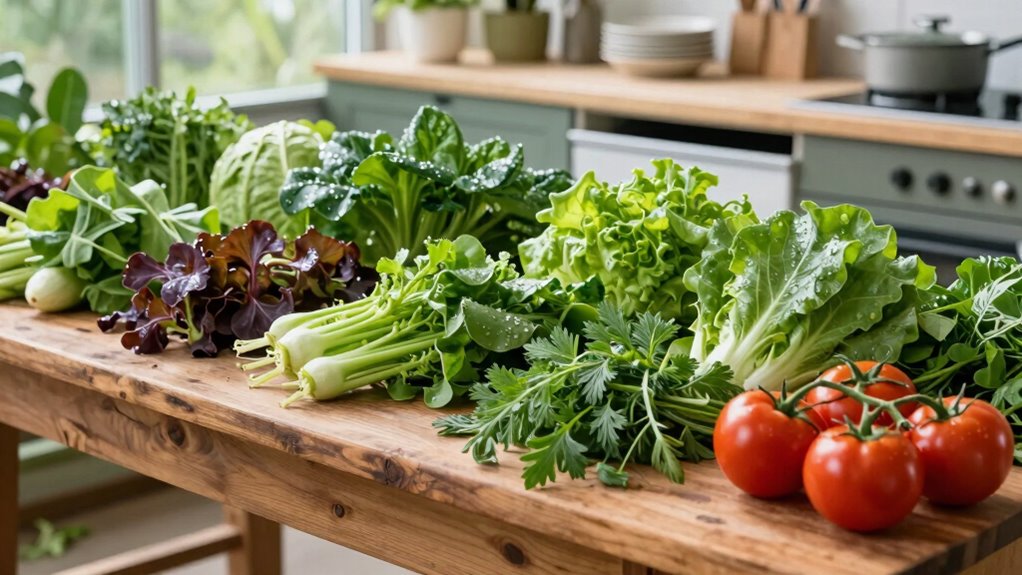
Imagine a world where fresh, sustainable produce travels directly from the greenhouse to your kitchen, reducing transportation emissions and guaranteeing peak flavor. This isn’t just a dream—it’s a growing reality fueled by innovative farming methods that prioritize efficiency and environmental responsibility. As you explore the benefits of the greenhouse-to-kitchen food flow, you’ll see how sustainable farming practices, like crop rotation, play a vital role in keeping food fresh, nutritious, and less wasteful.
Fresh, local produce from greenhouse to kitchen reduces emissions and enhances flavor naturally.
Sustainable farming focuses on cultivating crops in ways that protect the environment, conserve resources, and support long-term food security. When you source your produce from greenhouses that use sustainable practices, you’re encouraging methods that minimize chemical use, reduce water waste, and promote soil health. Crop rotation, a key component of sustainable farming, involves changing the types of crops grown in a specific area each season. This technique naturally enhances soil fertility, prevents pest buildup, and reduces the need for chemical inputs. When greenhouses implement crop rotation strategies, they maintain ideal growing conditions, resulting in healthier plants and higher yields. This means the produce reaching your kitchen is not only fresher but also grown with fewer harmful interventions.
By shortening the supply chain through direct greenhouse-to-kitchen delivery, you substantially cut down on transportation emissions and reduce food spoilage. Fresh produce that travels fewer miles arrives at your home with more nutrients and flavor intact. This streamlined process minimizes the chances of food being forgotten or wasted in transit or storage. Instead of large-scale distribution centers and long-haul trucks, your local greenhouse supplies your meals directly, making it easier to plan meals around seasonal and fresh ingredients. Additionally, greenhouses often utilize controlled environments, which allow for year-round production, further reducing reliance on imports and long-distance transportation. Incorporating local sourcing also supports community resilience and reduces the carbon footprint associated with food transportation. Using advanced agricultural technology can further enhance sustainable practices, ensuring that environmentally friendly methods are consistently applied.
Moreover, this sustainable approach promotes better food utilization. When you buy produce that’s grown specifically for local consumption, you’re more likely to use what you purchase before it spoils. You become more conscious of your consumption patterns, reducing waste and making the most of each ingredient. Greenhouses also allow for controlled environments, which extend the growing season and provide reliable supplies of fresh vegetables and herbs year-round. This stability helps prevent over-purchasing and ensures that your food gets used, not forgotten.
Ultimately, the greenhouse-to-kitchen food flow embodies a more mindful way of eating—one that values sustainability, freshness, and responsible consumption. By supporting farms that prioritize sustainable farming methods like crop rotation, you’re contributing to a system that keeps food resources in use, lessens environmental impact, and ensures you enjoy the best flavors from seed to plate.
greenhouse fresh produce storage containers
As an affiliate, we earn on qualifying purchases.
As an affiliate, we earn on qualifying purchases.
Frequently Asked Questions
How Can Consumers Identify Fresh Produce From the Greenhouse?
You can identify fresh greenhouse produce by looking for signs of harvest freshness, like vibrant color, firmness, and a clean appearance. Check for a longer shelf life, which indicates recent harvesting. Avoid produce with dull spots or wrinkles. Smell the produce—fresh items often have a natural, earthy aroma. Trust your senses; fresh greenhouse vegetables and fruits will feel firm, smell inviting, and look bright and healthy.
What Are the Environmental Benefits of Greenhouse-To-Kitchen Food Flow?
Think of the greenhouse-to-kitchen flow as a green arrow pointing toward sustainability. By reducing transportation distances, you cut down on the climate impact and save resources like fuel and water. This approach promotes resource efficiency and lowers carbon emissions, helping protect the environment. When you choose locally grown greenhouse produce, you’re directly supporting a system that minimizes waste and maximizes eco-friendly practices, making your food choices greener and more sustainable.
How Does Greenhouse Farming Reduce Food Waste in Households?
Greenhouse farming reduces household food waste through post-harvest preservation techniques that keep produce fresh longer. As a consumer, you benefit from access to seasonal, high-quality food, reducing spoilage at home. Additionally, greenhouse farmers often provide consumer education on proper storage and usage, helping you plan meals better and avoid unnecessary waste. This cycle encourages mindful consumption, ensuring more food gets used rather than discarded.
Are There Specific Foods Better Suited for Greenhouse Cultivation?
Certain foods, like leafy greens and herbs, are better suited for greenhouse cultivation because they grow quickly and adapt well to controlled environments. Hydroponic varieties excel here, offering efficient, space-saving options. Pest-resistant crops are also ideal, reducing the need for chemicals. These choices guarantee consistent yields, quality, and minimal waste, making greenhouse farming a smart way to grow fresh, sustainable food directly for your kitchen.
What Innovative Technologies Support Greenhouse-To-Kitchen Food Sustainability?
You can leverage vertical farming and smart sensors to boost greenhouse-to-kitchen food sustainability. Vertical farming maximizes space and reduces resource use by stacking crops vertically, while smart sensors monitor environmental conditions, ensuring ideal growth and minimal waste. These innovations allow you to grow fresh, local produce efficiently, cut down transportation emissions, and promote sustainable practices, making your food supply chain more eco-friendly and resilient from greenhouse to kitchen.
Conclusion
So, next time you toss that wilted lettuce or forgotten herbs, remember the journey from greenhouse to kitchen. It’s ironic how these often-overlooked gems can transform your meals, yet we sometimes ignore them, wasting precious resources. Embrace this flow, and you’ll find that what’s overlooked can be the most flavorful. After all, in a world craving sustainability, it’s amusing how the simplest shift in perspective can make all the difference—don’t let good food go to waste!
Fall yard work Picks
leaf blowers
As an affiliate, we earn on qualifying purchases.