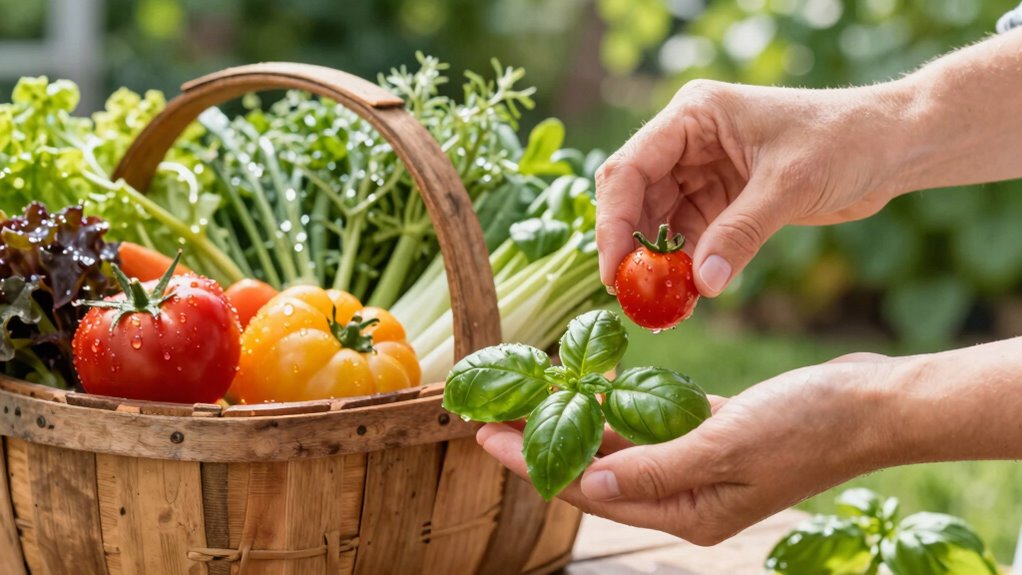
Creating a 15-minute harvest habit helps you enjoy fresh homegrown produce effortlessly by keeping your garden organized and well-maintained. With quick daily routines, you can spot ripe vegetables and herbs early, harvest cleanly, and address pests or issues before they worsen. Proper planning, regular upkeep, and efficient tools make the process smooth and rewarding. Stick with these simple habits, and you’ll discover how easy it is to enjoy your garden freely—there’s more to optimize your routine ahead.
Key Takeaways
- Implement a daily 15-minute routine to quickly identify and harvest ripe produce, ensuring freshness and reducing waste.
- Prepare your garden with organized, accessible layouts to streamline harvesting and minimize time spent searching for ready crops.
- Regularly prune, monitor for pests, and maintain healthy foliage to promote quick, easy harvests and continuous productivity.
- Use sharp tools and proper techniques to harvest efficiently, preserving produce quality and encouraging healthy plant growth.
- Address garden issues promptly during quick maintenance sessions to prevent pests and diseases from complicating harvests.
Why the 15-Minute Harvest Can Transform Your Homegrown Eating
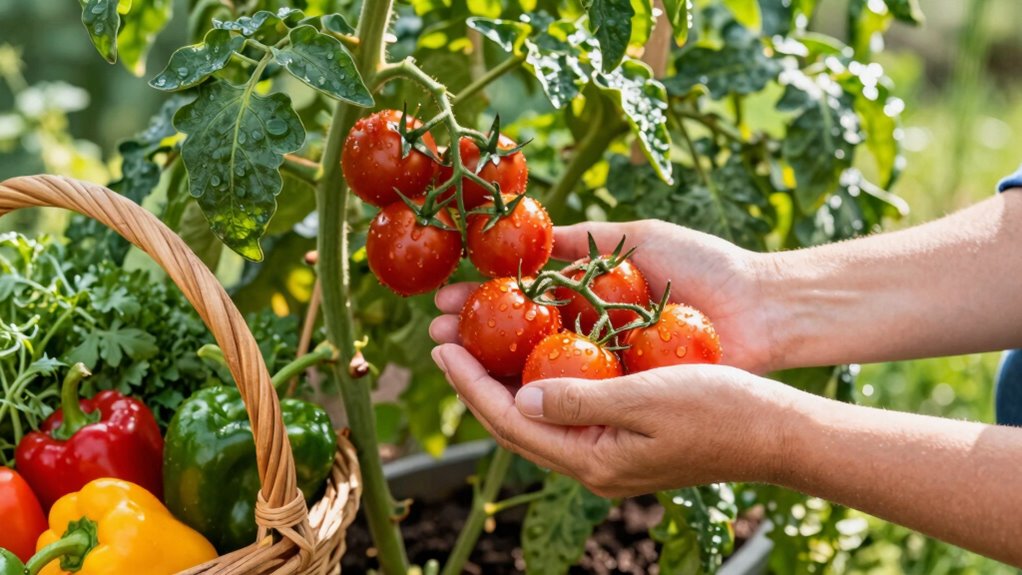
Even a quick 15-minute harvest can substantially change the way you enjoy your homegrown produce. It encourages better garden planning, helping you identify ripe vegetables and fruits quickly. When you dedicate time regularly, you catch pests early, improving pest management without chemicals. Efficient tools can further streamline your harvesting process, saving time and effort. Consistent harvesting keeps plants healthy and productive, reducing the risk of disease and overripe produce attracting bugs. This simple habit boosts your confidence in managing your garden and ensures you enjoy fresh, flavorful food. Using proper harvesting techniques can also help preserve the quality of your produce and extend shelf life. Plus, it makes the process feel less overwhelming, turning harvest time into a quick, rewarding routine. Incorporating energy-efficient tools into your routine can further streamline your harvest and promote sustainable gardening practices. Developing a harvesting routine helps you stay consistent and mindful of your garden’s needs, ensuring ongoing success. Staying attentive to air quality in your gardening space can also improve plant health and growth. With just a small daily commitment, you’ll see your garden thrive and your meals become more delicious and homegrown.
How to Set Up a Small Garden for Quick, Easy Harvests
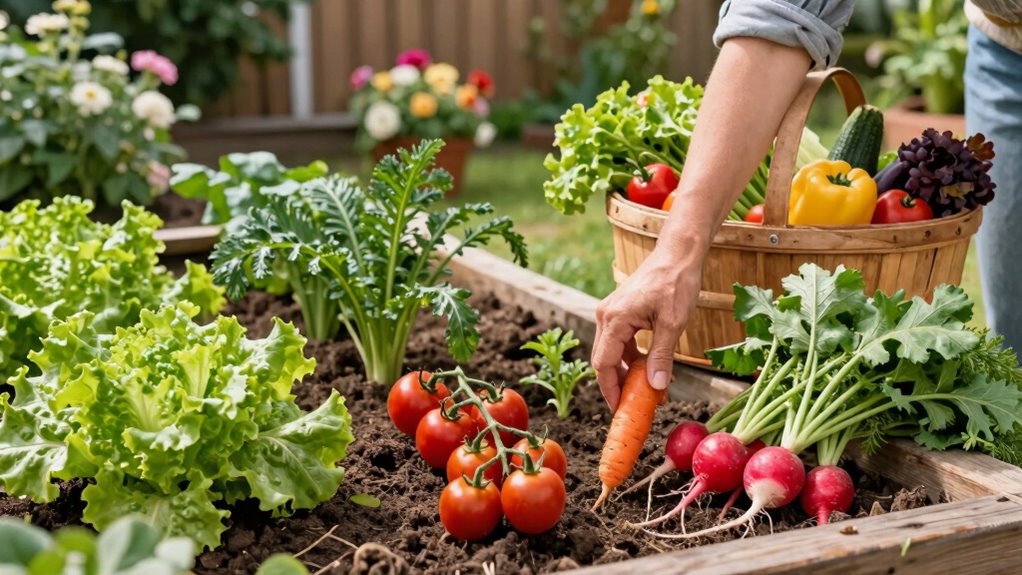
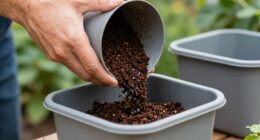
Setting up a small garden for quick, easy harvests starts with choosing the right location—ideally a spot with ample sunlight and good drainage. A well-planned garden layout ensures your plants grow efficiently and are easy to access. Keep your garden close to a water source and avoid shaded areas. Next, focus on soil preparation: loosen the soil, remove weeds, and enrich it with compost or organic matter. Healthy soil promotes vigorous growth, leading to faster harvests. Use raised beds or containers if your soil isn’t ideal, ensuring proper drainage and soil quality. Keep your garden simple—group similar plants together and plan for easy maintenance. Proper setup minimizes effort and maximizes your harvest potential, making your gardening routine quick and rewarding. Incorporating soil health practices can further enhance plant growth and yield. Paying attention to soil fertility can significantly boost your garden’s productivity and shorten the time to harvest. Additionally, selecting innovative planters designed for efficient watering can optimize plant development and reduce maintenance time. Regularly rotating your crops also helps maintain soil nutrients, ensuring ongoing productivity and quick returns.
Simple Techniques for Harvesting Vegetables and Herbs in 15 Minutes
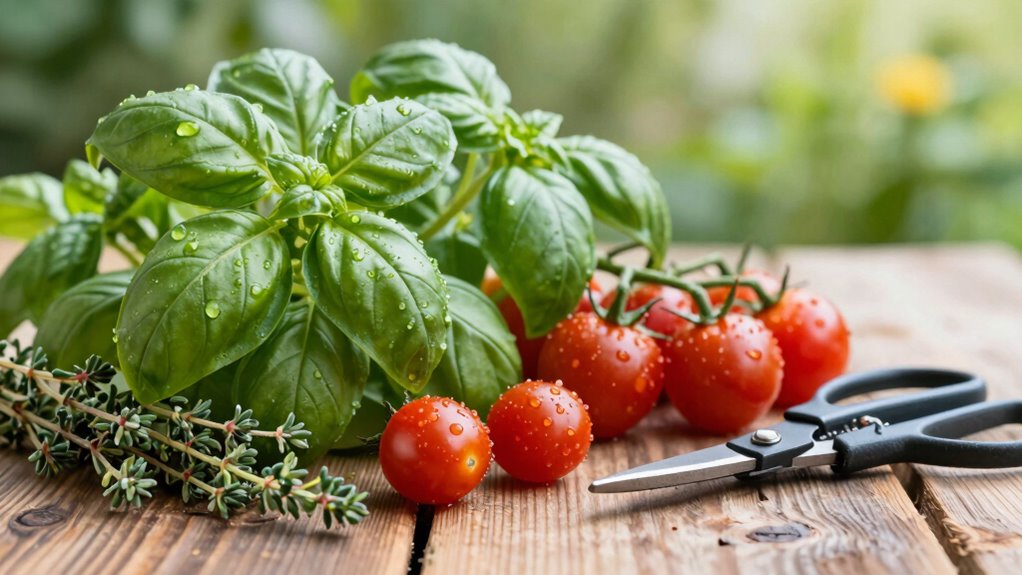
Once your garden is ready and plants are growing steadily, harvesting efficiently becomes key to maintaining productivity. To save time, develop a routine that targets ripe vegetables and herbs quickly. Use sharp scissors or harvest knives for clean cuts, which promote plant health. Keep your tools handy and organize your harvest area for speed. Focus on these techniques:
- Pick herbs regularly to encourage new growth
- Harvest vegetables at peak ripeness for better flavor
- Use companion planting to identify ripe produce easily
- Enrich soil between harvests to boost plant vigor
- Additionally, monitoring color accuracy in your garden lighting can help you better identify ripe produce under different conditions, especially in free floating environments where lighting may vary. Paying attention to regional culinary trends can also guide you in choosing the best harvest times for flavorful, market-ready vegetables. Incorporating plant maturity indicators into your routine can further streamline the harvesting process and ensure peak freshness. Being aware of piercings may seem unrelated, but wearing jewelry that doesn’t interfere with your gardening, like lightweight Bioflex, can make harvesting more comfortable and efficient.
Tips for Maintaining Your Garden to Ensure Fast, Reliable Yields
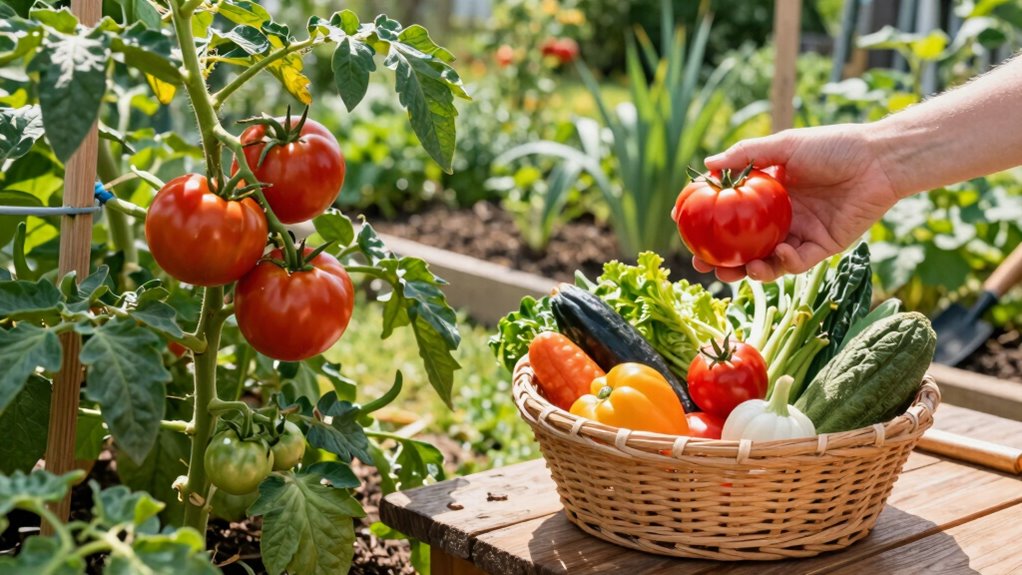
To guarantee fast and reliable yields, you need to prioritize consistent garden maintenance. Start by practicing companion planting; pairing plants like tomatoes with basil can boost growth and deter pests naturally. Regular soil testing is vital—knowing your soil’s pH and nutrient levels helps you amend it properly, ensuring ideal conditions for your crops. Keep weeds under control, as they compete for nutrients and water, slowing growth. Water deeply and consistently, preferably early in the day, to promote healthy roots. Mulching also helps retain moisture and suppress weeds. Understanding soil health is key to achieving consistent yields and maintaining a thriving garden. Additionally, utilizing innovative planters can enhance your gardening efficiency by providing optimal growing conditions and reducing maintenance efforts. Paying attention to watering practices ensures your plants receive the right amount of moisture without overwatering, which can lead to root rot. Maintaining proper soil fertility is essential for quick growth and dependable harvests. Monitoring pest management is also crucial to prevent infestations that can damage your crops. By staying on top of these practices, you create a balanced environment that supports quick growth and dependable harvests, making your 15-minute routine more effective and your garden more productive.
Troubleshooting Common Challenges in Your 15-Minute Harvest Garden
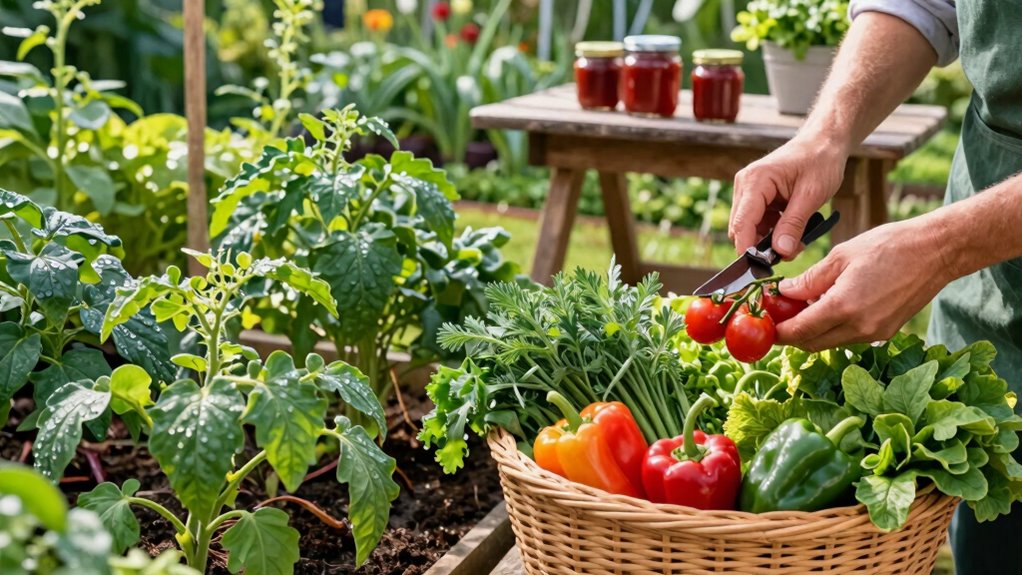
Even in a well-maintained garden, challenges can still arise that threaten your harvest. Pests can quickly damage plants if not controlled early. To keep pests at bay, regularly inspect your plants and implement pest control methods like manual removal or natural repellents. Additionally, sticking to a consistent watering schedule is crucial; uneven watering can stress plants and make them more vulnerable. Maintaining precious metal investment options can also serve as a reminder to diversify your strategies and protect your overall garden success. Regularly monitoring cultural beliefs surrounding astrology and beauty can provide insights into plant care practices rooted in tradition. Understanding global chaos – Microsoft outage highlights the importance of having backup plans for unexpected disruptions in your gardening routine. Proper ventilation considerations are essential for maintaining healthy plant environments and preventing issues like mold or fungal growth. Incorporating plant-specific soil requirements can help optimize growth conditions and prevent nutrient deficiencies. Here are some tips to troubleshoot common issues:
- Check for signs of pests or disease regularly.
- Adjust your watering schedule to prevent over- or under-watering.
- Use organic pest control solutions when needed.
- Prune damaged leaves to promote healthy growth.
Addressing these challenges promptly keeps your garden thriving and ensures your 15-minute harvest remains productive.
Frequently Asked Questions
What Are the Best Vegetables for Quick Harvests?
You should focus on fast-growing vegetables like radishes, lettuce, spinach, and green onions for quick harvests. To maximize your yield, practice companion planting and guarantee proper soil preparation, which helps boost growth and prevent pests. These vegetables often mature in just a few weeks, so with consistent watering and good soil, you can enjoy fresh, homegrown produce in no time. Keep an eye on their growth stages for a quick harvest.
How Often Should I Harvest to Maximize Yield?
You should harvest frequently, ideally every few days, to keep your plants productive and prevent overripening. Ironically, less is more—regular harvesting encourages new growth, boosting yields. Remember to practice crop rotation and pest management, so your plants stay healthy and fruitful. By staying attentive and consistent, you’ll maximize your harvest and enjoy fresh produce longer, turning your garden into a continuous bounty of homegrown goodness.
Can I Grow a 15-Minute Harvest Garden Indoors?
Yes, you can grow a 15-minute harvest garden indoors. To succeed, make sure you provide adequate indoor lighting, like grow lights, to mimic sunlight. Choose containers that suit your plants’ root systems and allow for proper drainage. Regularly monitor and water your plants, and select fast-growing, compact varieties. With the right setup, you’ll enjoy fresh, homegrown greens and herbs in just minutes each day.
What Tools Are Essential for Quick Harvesting?
Think of your tools like a chef’s knives—sharp, precise, and ready. For quick harvesting, you’ll need scissors or pruning shears, a small basket or container, and gloves to protect your hands. Organize your tools close to your garden layout for fast access. With these essentials, you can efficiently pick your greens and herbs, making your 15-minute harvest smooth and enjoyable.
How Do Seasons Affect the 15-Minute Harvest Method?
Seasons considerably influence your 15-minute harvest routine by dictating seasonal planting and harvest timing. In warmer months, you’ll often harvest more frequently, aligning with peak growth periods. Conversely, cooler seasons may slow growth, requiring you to adjust your harvesting schedule accordingly. Staying attentive to seasonal cues helps you optimize your quick harvest, ensuring you enjoy fresh produce at its best, no matter the time of year.
Conclusion
Embracing the 15-minute harvest habit gently guides you toward a more effortless, rewarding gardening experience. With a few mindful routines and a touch of patience, you’ll find yourself savoring fresh flavors without the fuss. Over time, your garden becomes a quiet sanctuary of abundance, quietly nourishing both body and spirit. By nurturing these small moments, you reveal a world where simplicity and growth dance in graceful harmony, enriching your daily life with every harvest.