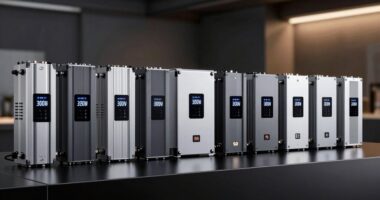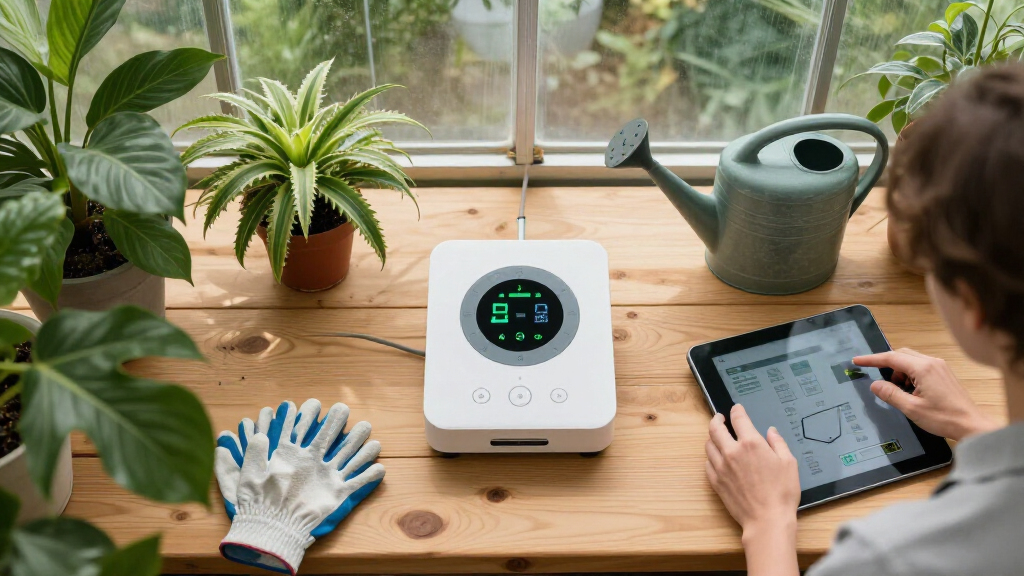

Automated greenhouse climate control ranges from a simple $30 thermostat plug to a modular system that manages temperature, humidity, CO2, and lighting from your phone — and the right choice depends entirely on how much of your greenhouse you want to automate. For most growers, the TrolMaster Hydro-X HCS-1 lands the best balance of expandability, sensor accuracy, and app control, which is why it takes my best overall spot. If budget is the constraint, the Inkbird ITC-308 delivers reliable two-stage heating and cooling for a fraction of the price, while the TrolMaster HCS-3 Hydro-X Plus is the pick for serious growers who want CO2 dosing and multi-zone control on one platform. The main tradeoff in this category is cost versus coverage: cheap controllers handle one variable, while pro systems handle everything but require device modules and a steeper setup. Read on for the full breakdown of all 11 options.
Prime for Young Adults — start your free trial
Fast free delivery, streaming and member deals for eligible 18–24 year olds.
Try it freeAs an affiliate, we earn on qualifying purchases.
Complete the kit


Key Takeaways
- Sensor count is the biggest divider in this lineup: single-probe thermostat controllers like the Inkbird ITC-308 and Dewenwils manage temperature only, while the TrolMaster and AC Infinity units track 3–4 environmental variables and can act on all of them.
- Every TrolMaster controller needs separately purchased device modules to actually switch your fans, heaters, and CO2 gear — the sticker price understates the true system cost.
- App reliability separated the winners from the also-rans: VIVOSUN and MARS HYDRO both offer polished apps, but AC Infinity’s Controller AI+ automation logic felt the most hands-off of the mid-range options.
- Roll-up motor controllers like the UYGALAXY only make sense for tunnel-style greenhouses with motorized vents — they’re the wrong buy for fan-and-shutter setups.
- The bare-bones WH2408 proves that memory function and WiFi cost extra for a reason: it’s accurate but dumb, with no data logging or remote alerts.
| Dewenwils Smart Temperature Controller, 15A WiFi Thermostat with Memory |  | Best Budget Smart Controller | Voltage: 120 volts | Wattage: 1800 watts | Temperature Range: -40°F to 210°F | VIEW LATEST PRICE | See Our Full Breakdown |
| UYGALAXY Greenhouse Roll-Up Motor Intelligent Thermostat Controller |  | Best for Roll-Up Side Ventilation | VIEW LATEST PRICE | See Our Full Breakdown | |||
| TrolMaster GCS-1 Green-X Controller with 4-in-1 Sensor |  | Best Premium Expandable System | Sensor Types: Temperature, Humidity, CO2, Light | Design: Ultra-slim | Included: Controller, 4-in-1 sensor, cable set | VIEW LATEST PRICE | See Our Full Breakdown |
| Inkbird WiFi ITC-308 Digital Temperature Controller Thermostat |  | Best for Beginners | Control Type: Heating and cooling, dual relay outputs | Connectivity: WiFi with iOS/Android app | Voltage: 110 volts | VIEW LATEST PRICE | See Our Full Breakdown |
| VIVOSUN E42A+ GrowHub Environmental Controller |  | Best Smart Grow Automation Hub | Model: GH-E42A | Sensors: Built-in temperature and humidity | Automation: Customizable lighting, ventilation, and environment settings | VIEW LATEST PRICE | See Our Full Breakdown |
| AC Infinity Controller AI+ Environment Controller for Grow Tents and Rooms |  | Best for Large, Multi-Device Setups | Device Compatibility: Up to 32 devices (smart fans, grow lights, humidifiers, heaters, A/Cs, outlets) | Monitoring: Dual-zone temperature, humidity, and VPD | Automation: AI-powered learning from environmental data | VIEW LATEST PRICE | See Our Full Breakdown |
| MARS HYDRO iControl Controller for Grow Tent Bundle with Environmental Sensor | 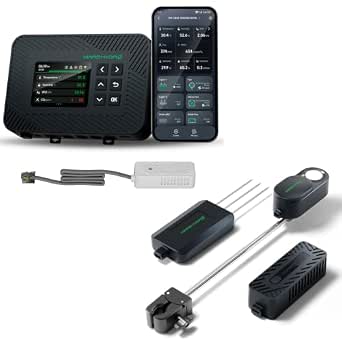 | Best for Growth-Stage Automation | Environmental Control: Temperature and humidity with real-time VPD monitoring | Automation: Stage-based lighting and climate strategies by growth phase | Included Sensor: Environmental sensor for temp/humidity | VIEW LATEST PRICE | See Our Full Breakdown |
| TrolMaster Hydro-X HCS-1 Controller with 3-in-1 Temp, Humid, Light Sensor and Phone App |  | Best Professional Foundation System | Sensor Type: 3-in-1 temperature, humidity, light | Control Channels: 2 lighting channels | Display: LCD interface | VIEW LATEST PRICE | See Our Full Breakdown |
| TrolMaster HCS-3 Hydro-X Plus Controller with 4-in-1 Sensor (Temp / Humid / CO2 / Light) and Cable Set |  | Best Premium All-in-One Sensing | Sensor Type: 4-in-1 (temperature, humidity, CO₂, light) | Included Accessories: Cable set | App: Free phone app included | VIEW LATEST PRICE | See Our Full Breakdown |
| WH2408 Temperature Controller 10A 1200W |  | Best Budget Pick for Simple Control | Power Rating: 10A / 1200W | Voltage: 120V | Control Resolution: 0.1°F | VIEW LATEST PRICE | See Our Full Breakdown |
| MARS HYDRO iControl Controller for Grow Tent Plant Cycle with App Control |  | Best for Stage-Based Grow Automation | Included in Box: iControl device, Temp/Humid/Light sensor, power supply, RJ12 splitters and cords, hanging kits, user manual | Supported Sensors: PPFD, soil moisture, CO₂ (sold separately) | Connectivity: App control, data logging, smart alerts | VIEW LATEST PRICE | See Our Full Breakdown |
More Details on Our Top Picks
Dewenwils Smart Temperature Controller, 15A WiFi Thermostat with Memory
For growers who want app-based climate control without a premium price, this Dewenwils controller delivers the fundamentals well. Its 1800W load capacity beats the Inkbird ITC-308’s 1100W ceiling, which matters if you’re running a beefy greenhouse heater alongside ventilation fans. The memory function is a quiet advantage — after a power outage, your temperature settings come back exactly as configured, so an unexpected storm doesn’t reset your greenhouse to defaults.
The tradeoff is scope. Where the TrolMaster GCS-1 tracks humidity, CO2, and light, this unit handles temperature alone. That’s fine for a simple heat-and-vent setup, but growers chasing full environmental automation will outgrow it. WiFi is required for remote control, and the absent warranty information adds a small risk to the low price.
Pros:- 1800W capacity handles larger heaters and fans than most budget controllers
- Memory function restores settings after power outages
- Six control modes including combined cooling-plus-timer operation
- Wide -40°F to 210°F range with 0.1°F precision
Cons:- Temperature-only control with no humidity or CO2 monitoring
- No published warranty details
- Remote features depend entirely on WiFi availability
Best for: Hobby greenhouse growers who need reliable heating and cooling switching at higher wattages on a tight budget
Not ideal for: Growers who want humidity or CO2 automation — this is a temperature-only controller with no environmental expansion
- Voltage:120 volts
- Wattage:1800 watts
- Temperature Range:-40°F to 210°F
- Accuracy:0.1°F
- Control Modes:Cooling, Heating, Cooling + Timer, Heating + Timer, Timer, OFF
- Connectivity:WiFi app control
- Memory Function:Yes — restores settings after power loss
Our verdict“A sensible pick if you want big-controller wattage at a small-controller price and temperature is all you need to automate.”
UYGALAXY Greenhouse Roll-Up Motor Intelligent Thermostat Controller
Most climate controllers on this list switch plugs on and off; this one does something different — it drives roll-up motors directly, cracking greenhouse side curtains open and closed as temperatures rise and fall. That makes it the only option here purpose-built for the roll-up ventilation systems common in polytunnels and commercial hoophouses. The built-in transformer and controller keep installation refreshingly simple compared to rigging an Inkbird ITC-308 to a motor relay, which involves extra wiring and guesswork.
The limitations are structural. It runs 1-2 motors up to 100W, so a long multi-bay greenhouse will need more capacity, and there’s no app or remote monitoring — unlike the Dewenwils or VIVOSUN options, you set it and trust it. For mechanical venting on a budget, though, that simplicity is part of the appeal.
Pros:- Directly operates roll-up ventilation motors without external relays
- Built-in controller and transformer simplify wiring
- Automatic temperature-based venting for greenhouses, poultry, and livestock housing
- Handles two motors for dual-side venting setups
Cons:- 100W motor ceiling limits larger or multi-bay greenhouses
- No app, WiFi, or remote monitoring capability
- Requires AC110V-to-DC24V voltage compatibility
Best for: Polytunnel and hoophouse growers with motorized roll-up sides who want automatic, set-and-forget vent control
Not ideal for: Tech-focused growers who want app alerts and remote monitoring — this is a standalone, local-only controller
Our verdict“The right choice when your climate control problem is literally rolling a curtain up a wall — and the wrong one if you want smartphone oversight.”
TrolMaster GCS-1 Green-X Controller with 4-in-1 Sensor
This is the pick for growers building toward a whole-greenhouse command center. The included 4-in-1 sensor tracks temperature, humidity, CO2, and light in one package — data the Dewenwils and Inkbird controllers simply can’t see. DLI management lets the system accumulate light exposure over the day and adjust shading or supplemental lighting intelligently rather than just switching things on and off, and the weather-station module option adds forecast-based anticipation that plug-in thermostats lack.
Compared with the TrolMaster Hydro-X HCS-1 elsewhere in this roundup, the GCS-1 adds CO2 sensing out of the box, making it the stronger starting point for enriched growing environments. The catch: full functionality requires buying expansion modules, so the sticker price understates the real cost of a complete system. Hobbyists with a single fan and heater should start smaller and cheaper.
Pros:- 4-in-1 sensor covers temperature, humidity, CO2, and light out of the box
- DLI management enables smarter cumulative light control
- Expandable with modules including a weather station for forecasting
- Ultra-slim design saves space in tight control areas
Cons:- Core features require purchasing additional modules, raising total cost
- Limited published information on third-party compatibility
- No clear app connectivity details in base documentation
Best for: Serious growers and commercial operators planning a modular, multi-sensor climate system with CO2 enrichment
Not ideal for: Casual hobbyists — the module-based expansion and premium price are overkill for one heater and one fan
- Sensor Types:Temperature, Humidity, CO2, Light
- Design:Ultra-slim
- Included:Controller, 4-in-1 sensor, cable set
- Light Management:Daily Light Integral (DLI) tracking
- Expandability:Add-on modules including weather station
- Application:Advanced garden and greenhouse management
Our verdict“The most future-proofed controller here, provided you’re committed to growing into its ecosystem module by module.”
Inkbird WiFi ITC-308 Digital Temperature Controller Thermostat
If the TrolMaster GCS-1 is a system you grow into, the Inkbird ITC-308 is the one you plug in and use within ten minutes. Dual relay outputs mean one unit runs a heater and an exhaust fan simultaneously with independent trigger points — a genuine two-device climate loop for the price of a basic thermostat. The high/low-temperature alarms add a safety net the UYGALAXY roll-up controller lacks entirely, alerting you before a stuck heater cooks your seedlings.
Its weaknesses are about scale, not design. The 1100W maximum load falls well short of the Dewenwils’ 1800W, so larger greenhouse heaters are off the table, and it’s limited to 110V circuits. It also monitors temperature only — humidity and CO2 stay invisible, as they do on the Dewenwils. For a small greenhouse or seed-starting setup, those limits rarely bite.
Pros:- True plug-and-play setup with no wiring required
- Dual relays run heating and cooling devices from one unit
- High and low-temperature alarms protect against equipment failure
- Free iOS/Android app for remote monitoring and scheduling
Cons:- 1100W maximum load restricts larger heaters
- 110V-only power limits versatility
- Temperature control only — no humidity or CO2 sensing
Best for: First-time greenhouse growers and hobbyists who want plug-and-play heating and cooling control with phone alerts
Not ideal for: Larger greenhouses with high-wattage heaters — the 1100W cap and 110V-only design will bottleneck bigger equipment
- Control Type:Heating and cooling, dual relay outputs
- Connectivity:WiFi with iOS/Android app
- Voltage:110 volts
- Max Load:1100 watts
- Alarms:High and low temperature alerts
- Display:Digital, 6.7-inch screen
- Mounting:Wall mount
- Power Source:Corded electric
Our verdict“The easiest entry point into automated greenhouse climate control, ideal until your equipment outgrows its wattage ceiling.”
VIVOSUN E42A+ GrowHub Environmental Controller
The VIVOSUN GrowHub sits in a useful middle ground between the Inkbird ITC-308 and the TrolMaster ecosystem. Like the ITC-308 it’s approachable and app-driven, but it adds built-in humidity sensing alongside temperature, plus automation for lighting and ventilation in one device — giving it a broader climate picture than any plug-in thermostat in this lineup. The customizable automation rules mean fans, lights, and environmental triggers work as a coordinated system rather than independent gadgets, and installation needs no extra brackets or hardware.
Tradeoffs are real, though. It leans heavily on app-based control, so growers who prefer physical dials — or the UYGALAXY’s zero-config approach — may find the setup process fiddly, and some users report the learning curve is steeper than expected. Compatibility details across non-VIVOSUN grow equipment are thin, so mixed-brand setups deserve caution before buying.
Pros:- Monitors both temperature and humidity with built-in sensors
- Unified automation for lighting, ventilation, and environmental triggers
- Remote control and monitoring via WiFi app
- Tool-free installation with integrated mounting
Cons:- App-centric design frustrates users who prefer physical controls
- Setup complexity reported by some owners
- Limited documented compatibility with non-VIVOSUN equipment
Best for: Indoor growers and greenhouse hobbyists already comfortable with app ecosystems who want lighting, ventilation, and climate rules in one hub
Not ideal for: Growers who dislike app-dependent control or run mostly third-party equipment with unverified compatibility
- Model:GH-E42A
- Sensors:Built-in temperature and humidity
- Automation:Customizable lighting, ventilation, and environment settings
- Connectivity:WiFi smart app control
- Installation:Bracket-free direct mounting
- Customer Rating:4.5/5
Our verdict“A strong middle path for app-comfortable growers who want multi-device automation without TrolMaster-level investment.”
AC Infinity Controller AI+ Environment Controller for Grow Tents and Rooms
Where most controllers in this roundup top out at a handful of connected devices, the Controller AI+ manages up to 32, spanning fans, lights, humidifiers, heaters, and A/C units. That scale is what sets it apart from options like the MARS HYDRO iControl, which is built around a single tent ecosystem. The headline feature is its AI-driven automation: instead of manually programming trigger points, it learns from accumulated environmental data and adjusts equipment behavior over time. Dual-zone monitoring with VPD tracking means it can manage two distinct climate areas from one hub.
The tradeoff is modularity at a price. CO₂, hydro, and soil sensors are sold separately, so the out-of-box experience covers basics only, and the depth of the settings menu can overwhelm a first-time grower. Compared with the plug-and-play WH2408, this is a system you invest in and grow into, not one you set up in ten minutes.
Pros:- Supports up to 32 devices across fans, lights, humidifiers, heaters, and A/C units
- AI learns from environmental data to refine automation over time
- Dual-zone temperature, humidity, and VPD monitoring from one controller
- Full remote control and alerts through the Wi-Fi app
Cons:- CO₂, hydro, and soil sensors are optional add-ons that raise the total cost
- Deep settings and automation logic can frustrate beginners
- No listed price makes budgeting the full system difficult
Best for: Serious growers running large grow rooms or multi-tent setups who want one hub to automate every piece of climate equipment
Not ideal for: Hobbyists with a single small greenhouse and one or two devices — the capacity goes unused and the setup complexity isn’t worth it
- Device Compatibility:Up to 32 devices (smart fans, grow lights, humidifiers, heaters, A/Cs, outlets)
- Monitoring:Dual-zone temperature, humidity, and VPD
- Automation:AI-powered learning from environmental data
- Connectivity:Wi-Fi with mobile app control and alerts
- Expandability:Optional CO₂, hydro, and soil sensors (sold separately)
- Environment:Grow tents and grow rooms
Our verdict“If you’re automating a dozen or more devices and want climate control that improves itself over time, this is the hub to build around — everyone else can spend less.”
MARS HYDRO iControl Controller for Grow Tent Bundle with Environmental Sensor
Most controllers here treat climate as a static target; the iControl treats it as a moving one. Its stage-based automation shifts lighting and climate strategies as plants move from propagation through flower, which is something neither the TrolMaster HCS-1 nor the AC Infinity AI+ offers out of the box in quite the same turnkey way. Real-time VPD monitoring pairs with temperature and humidity control, and the app handles data logging and smart alerts so you can see trends rather than snapshots.
The friction points are real, though. Some functions require an RJ12 connection, which adds wiring constraints the Wi-Fi-only controllers avoid, and PPFD, soil moisture, and CO₂ sensors are optional extras that can quietly inflate the bill. Compared with the simpler WH2408, setup takes longer — but you get an automation brain rather than a thermostat.
Pros:- Stage-based automation adjusts climate and lighting by growth phase
- Real-time VPD monitoring alongside temperature and humidity
- App-based remote access with data logging and smart alerts
- Expandable with PPFD, soil moisture, and CO₂ sensors
Cons:- Some features require an RJ12 wired connection
- Optional sensors add meaningful extra cost
- Setup curve is steep for first-time controller users
Best for: Seed-to-harvest growers who want climate and lighting targets to change automatically with each growth phase
Not ideal for: Casual greenhouse hobbyists who just want a temperature floor and ceiling — the stage logic will feel like unused complexity
- Environmental Control:Temperature and humidity with real-time VPD monitoring
- Automation:Stage-based lighting and climate strategies by growth phase
- Included Sensor:Environmental sensor for temp/humidity
- Optional Sensors:PPFD, soil moisture, and CO₂
- Remote Access:App control with data logging and alerts
- Wiring:RJ12 connection required for some features
Our verdict“This pick makes the most sense for growers who want the controller to adapt to the plant’s life cycle rather than hold one fixed setting all season.”
TrolMaster Hydro-X HCS-1 Controller with 3-in-1 Temp, Humid, Light Sensor and Phone App
The Hydro-X HCS-1 earns its place as the professional-grade foundation of this lineup. Its included 3-in-1 sensor covers temperature, humidity, and light out of the box, and the daisy-chain architecture lets you bolt on CO₂, smoke, and water detectors as your operation grows. Compared with the AC Infinity AI+, the HCS-1 trades machine learning for deterministic, professional-grade control — you set the rules, and it executes them reliably, which many commercial growers actually prefer.
The LCD interface gives it a leg up on app-only controllers when your phone isn’t handy, and two lighting channels handle most greenhouse lighting schemes. The catch is expansion cost: the CO₂, smoke, and water sensors are not included, and full functionality demands them. If you want CO₂ sensing on day one, the HCS-3 Hydro-X Plus below bundles it — this model is for buyers who’d rather build incrementally.
Pros:- Professional-grade control platform with proven reliability
- Includes a 3-in-1 temp, humidity, and light sensor in the box
- Daisy-chain expandability for CO₂, smoke, and water detectors
- LCD display plus phone app for local and remote operation
Cons:- CO₂, smoke, and water detectors sold separately
- Full functionality requires a meaningful investment in add-on sensors
- Two lighting channels may limit very large multi-zone lighting designs
Best for: Commercial or serious greenhouse operators who want a proven expandable platform and will add sensors over time
Not ideal for: Budget-conscious buyers — the base unit plus the sensors needed for full coverage adds up fast
- Sensor Type:3-in-1 temperature, humidity, light
- Control Channels:2 lighting channels
- Display:LCD interface
- Expandability:Daisy-chain sensors (CO₂, smoke, water detectors not included)
- Remote Access:Phone app
- Grade:Professional indoor and greenhouse
Our verdict“Buy this if you want a commercial control backbone you can expand sensor by sensor; skip it if you want everything included on day one.”
TrolMaster HCS-3 Hydro-X Plus Controller with 4-in-1 Sensor (Temp / Humid / CO2 / Light) and Cable Set
Think of the HCS-3 Hydro-X Plus as the HCS-1 with the upgrade already installed. Instead of paying later for a separate CO₂ sensor, the bundled 4-in-1 sensor reads temperature, humidity, CO₂, and light from a single unit, and the included cable set means fewer surprise purchases at checkout. For growers running CO₂ enrichment — where temperature, humidity, and CO₂ interplay directly affects VPD and growth rates — having all four variables on one sensor is the whole point, not a convenience.
Compared with the MARS HYDRO iControl, which charges extra for its CO₂ add-on, the bundled approach simplifies both cost and wiring. The drawbacks: full functionality leans on the smartphone app, so it’s a poor fit for anyone who prefers standalone knobs like the WH2408 offers, and published specs are thin, which makes pre-purchase planning harder than it should be at this price tier.
Pros:- 4-in-1 sensor covers temp, humidity, CO₂, and light out of the box
- Cable set included, reducing hidden setup costs
- Free phone app for monitoring and control
- Shares the TrolMaster professional platform and expandability
Cons:- Requires a smartphone for full functionality
- Limited published product details complicate comparison shopping
- Premium positioning makes it overkill for non-CO₂ setups
Best for: CO₂-enriched grow rooms that want temperature, humidity, CO₂, and light managed by one controller from day one
Not ideal for: Growers who avoid app-dependent gear or run basic setups without CO₂ — the bundled sensor’s value goes to waste
- Sensor Type:4-in-1 (temperature, humidity, CO₂, light)
- Included Accessories:Cable set
- App:Free phone app included
- Control Scope:Temperature, humidity, CO₂, and light management
- Platform:TrolMaster Hydro-X Plus ecosystem
- Environment:Indoor gardens and grow rooms
Our verdict“If CO₂ enrichment is part of your climate plan, this all-in-one sensor bundle saves money and wiring headaches compared with piecemeal alternatives.”
WH2408 Temperature Controller 10A 1200W
Amid a lineup of app-driven systems, the WILLHI WH2408 wins by refusing to complicate things. Physical intuitive knobs set your temperature targets in seconds — no account, no Wi-Fi, no firmware updates — and the 0.1°F resolution across a -58°F to 230°F range is precision that rivals controllers costing several times more. For a hobby greenhouse that just needs a heater or vent fan switched at a setpoint, this is the honest answer, whereas the AC Infinity AI+ would be paying for a brain you’ll never use.
The tradeoffs follow from the simplicity. It controls temperature only — no humidity, no VPD, no CO₂ — so it can’t manage a full grow environment the way the MARS HYDRO iControl can. Safety is also on you: the resettable fuse and fire-retardant shell are welcome, but the probe is water-resistant rather than waterproof, and it shouldn’t serve as the sole safety layer for heating or cooling equipment.
Pros:- Knob-based setup that works in seconds with no app or account
- 0.1°F control resolution across a very wide temperature range
- ETL certified with fire-retardant shell and resettable fuse
- Versatile enough for greenhouse, aquarium, and food-prep use
Cons:- No humidity, VPD, or multi-device automation capability
- Shell is not waterproof and the probe is water-resistant only
- Requires separate safety devices for heating or cooling systems
Best for: Budget-minded hobbyists who need reliable single-variable temperature switching for a heater, fan, or vent in a small greenhouse
Not ideal for: Growers who need humidity, VPD, or multi-device automation — this controls temperature and nothing else
- Power Rating:10A / 1200W
- Voltage:120V
- Control Resolution:0.1°F
- Temperature Range:-58°F to 230°F
- Ambient Range:-4°F to 140°F
- Probe Length:1.5 inches
- Safety Features:Fire-retardant shell, resettable fuse
- Certification:ETL
Our verdict“For under-the-radar simplicity and precise single-setpoint control at a low price, this beats every smart controller here — as long as temperature is all you need to manage.”
MARS HYDRO iControl Controller for Grow Tent Plant Cycle with App Control
Where the Inkbird ITC-308 stops at basic temperature switching, the MARS HYDRO iControl treats your grow tent like a multi-phase project, adjusting fans, humidifiers, dehumidifiers, and lighting around the growth stage your plants are actually in. That stage-based logic is what separates it from simpler thermostats — a seedling and a flowering plant need wildly different conditions, and this controller shifts targets automatically instead of forcing you to reprogram everything by hand. The included temp/humidity/light sensor covers the basics out of the box, and the app adds data logging and smart alerts so you can spot trends remotely. Compared with the AC Infinity Controller AI+, this option leans harder into horticultural staging, though its RJ12 splitters and cabling feel less polished. Budget for the optional CO₂ and soil sensors, because full automation is sold piecemeal.
Pros:- Stage-based automation tailors temperature, humidity, and lighting to each growth phase automatically
- Remote app control with data logging and smart alerts lets you monitor conditions away from the tent
- Expandable sensor platform supports PPFD, soil moisture, and CO₂ for detailed environmental control
- Coordinates multiple device types — fans, humidifiers, dehumidifiers, and lighting — from one hub
- Two-year warranty backs the investment
Cons:- Key sensors like CO₂, PPFD, and soil moisture are sold separately, so full automation costs extra
- RJ12 cables and splitters create a cluttered, somewhat complex wiring setup
- Initial configuration is technical enough to frustrate first-time controller users
Best for: Grow tent hobbyists running full plant cycles who want conditions tuned to each growth stage without manual reprogramming
Not ideal for: Beginners or greenhouse owners wanting one-purchase simplicity — the base kit lacks CO₂ and soil sensors, and RJ12 wiring plus technical setup adds friction
- Included in Box:iControl device, Temp/Humid/Light sensor, power supply, RJ12 splitters and cords, hanging kits, user manual
- Supported Sensors:PPFD, soil moisture, CO₂ (sold separately)
- Connectivity:App control, data logging, smart alerts
- Automation:Adjusts fans, humidifiers, dehumidifiers, and lighting based on stage and real-time data
- Control Logic:Stage-based automation per growth phase
- Best Use:Grow tents and indoor grow spaces
- Warranty:2 years
Our verdict“Buy this if you run staged grow cycles and want a controller that thinks in plant phases rather than raw temperatures — just budget for add-on sensors.”
How We Picked
I ranked these controllers on four factors that actually change the growing outcome: sensor coverage (temperature alone versus temp, humidity, CO2, and light), automation logic (dead-simple on/off thresholds versus scheduled, conditional, and adaptive routines), expandability (how many devices the system can grow into), and total cost of ownership — including any modules, sensors, or subscriptions required to reach the advertised functionality. Reliability features like power-loss memory and offline operation also weighed heavily, since a greenhouse controller that forgets its settings after an outage can cook your crops.
That logic drives the ordering. The TrolMaster Hydro-X family leads because it treats a greenhouse as a system rather than a plug, while mid-tier app controllers like the AC Infinity and VIVOSUN rank high for growers who want smart control without modular wiring. Simple thermostats sit lower not because they’re poorly made, but because they only solve one part of climate management — I ranked them by how well they execute that narrower job.
Factors to Consider When Choosing Automated Greenhouse Climate Control
Before committing to a controller, it helps to understand what separates a working automation setup from an expensive thermostat on a shelf. These are the factors that most often make or break the purchase.How Many Variables Do You Actually Need to Control?
The most common mistake I see is buying a temperature-only controller for a greenhouse that really has a humidity problem. Temperature and humidity interact — venting to cool the space also drops humidity, and a controller that can’t see both will fight itself. If you run a sealed or semi-sealed greenhouse with CO2 enrichment, you need a controller that monitors CO2 and can pause enrichment when vents open, or you’ll waste gas constantly. Light sensing matters mainly if you want shade or blackout automation. Be honest about which of these four variables you’ll act on within the next year; buying sensor coverage you’ll never wire up is money spent for nothing, but under-buying usually means replacing the controller within a season.
True System Cost Versus Sticker Price
Professional controllers like the TrolMaster Hydro-X are sold as a brain plus separately purchased device modules, so a $450 controller can become an $800 system once you add fan, heater, and CO2 modules. Budget thermostat controllers look like a bargain until you realize you may need several of them — one for heating, one for venting — and they still can’t coordinate. Before buying, list every device you want automated and price the modules or extra controllers needed to switch each one. This is the single best way to avoid the surprise upgrade bill. Also check whether the app is free or subscription-gated, because recurring fees change the value math over a three-year horizon.
Fail-Safe Behavior and Power-Loss Memory
Greenhouses fail dangerously, not just inconveniently — a controller that loses its settings after a power flicker can leave a heater running full blast or vents closed on a sunny afternoon. Look for non-volatile memory that restores programs automatically, and think through what each connected device does when power returns or the controller loses its sensor signal. Some pro controllers support fail-safe states that default equipment to a safe position. If your area has unreliable power, an uninterruptible power supply for the controller itself is a cheap insurance policy. This factor is invisible in product listings but decides whether automation is a risk reduction or a new single point of failure.
Wiring, Voltage, and Load Capacity
Match the controller to your equipment’s electrical reality before anything else. A 10A thermostat can run a small heater or fan, but greenhouse exhaust fans, roll-up motors, and HID lighting often draw more than a plug-in controller can switch safely. Motorized vent openers like the UYGALAXY are a completely different category from thermostat plugs — they output rotational control for tubular motors, not switched outlets. If you’re automating high-draw equipment, the correct answer is usually a controller triggering a relay or contactor rather than switching the load directly. Undersizing here doesn’t just trip breakers; it melts relay contacts and creates a genuine fire hazard in a structure full of dry plant material.
App Quality, Alerts, and Offline Operation
Remote monitoring is the feature that sells most people on automation, but app quality varies enormously between brands, and a clunky app turns daily use into a chore. Prioritize controllers that send push alerts when conditions leave your set range — that’s what lets you actually leave the property. Just as key is what happens when WiFi drops: the controller must continue running its programs locally rather than waiting for the cloud. Read recent app store reviews rather than the product page, because firmware updates can improve or break the experience after launch. A great controller with an abandoned app is worse than a mediocre controller with no app at all.
Room to Grow
Growers consistently underestimate how their automation needs expand. The hobbyist who buys a single-outlet thermostat for one heater often adds exhaust fans, circulation fans, and maybe CO2 within two seasons — at which point a modular system would have been cheaper than accumulating standalone units. Modular platforms let you add device modules one at a time as budget allows, all controlled from one schedule and one app. If you’re on the fence, my advice is to size up one tier beyond your current setup if the budget stretches, because controllers hold their usefulness far longer than the specific equipment they’re switching. The exception is the truly small hobby greenhouse, where a two-stage thermostat genuinely covers everything and extra capability is dead weight.
Frequently Asked Questions
Can I start with a cheap thermostat controller and upgrade to a TrolMaster system later?
Yes, and it’s a reasonable path for many growers. A two-stage controller like the Inkbird ITC-308 can run your heating and venting for a season while you learn your greenhouse’s behavior, and it stays useful afterward for propagation benches, seedling mats, or a spare room. The catch is that nothing carries over — sensor placement knowledge and setpoint experience transfer, but no hardware does, so treat the budget unit as tuition rather than an investment. If you already know you’ll want CO2 control, humidity-based venting, or more than three automated devices within the year, buying the modular system first is usually cheaper than buying twice.
Do I need CO2 monitoring if I’m not injecting CO2?
Not really, and paying for it is a common over-buy. Ambient CO2 monitoring only changes your actions if you’re enriching, or if you run such a tightly sealed greenhouse that plants can deplete CO2 below ambient on sunny days — a real but niche scenario. If you’re venting regularly for temperature control, CO2 levels reset constantly and the sensor data is mostly decorative. That’s why I ranked the TrolMaster HCS-3, with its 4-in-1 CO2 sensor, as a premium pick rather than a default recommendation. Save the money unless enrichment is genuinely on your roadmap.
Will these controllers keep working if my WiFi or the brand’s app goes down?
The better ones will, but it varies enough to check before buying. Controllers like the Inkbird ITC-308 and the TrolMaster Hydro-X line store their programs onboard and keep executing them locally whether or not they can reach the cloud — the app becomes a remote control, not the brain. Some budget WiFi units are more dependent on connectivity and behave erratically during outages, which is why power-loss memory and offline operation factored into my ranking. If your property has unreliable internet, treat local operation as non-negotiable rather than a nice-to-have. For any controller, verify what state your heater and vents default to when the sensor cable gets unplugged, since that’s a more common failure than WiFi loss.
What’s the difference between a roll-up motor controller and a fan thermostat?
They control different mechanical systems, and mixing them up is an expensive mistake. A roll-up motor controller like the UYGALAXY drives tubular motors that wind up the plastic film sides of a tunnel greenhouse, with limit-stop logic that knows how far to open and close the vent. A fan thermostat like the Dewenwils or Inkbird simply switches power to exhaust fans and intake shutters. If your greenhouse uses roll-up sides, a fan thermostat does nothing for you; if it uses fans and shutters, a motor controller is the wrong tool. Some larger operations use both on the same controller platform, which is where modular systems like the Hydro-X earn their premium.
How many devices can one controller realistically manage?
For plug-style thermostat controllers, expect two — typically one heating and one cooling device, which is exactly what the Inkbird ITC-308’s two-outlet design provides. Mid-range environment controllers like the AC Infinity Controller AI+ and VIVOSUN GrowHub typically handle four to eight devices through a combination of ports and the brand’s own ecosystem of fans and lights. Modular systems like the TrolMaster Hydro-X scale to dozens of devices across multiple zones, limited only by how many device modules you buy. Count your current equipment plus everything on your wish list before deciding, because running out of channels forces awkward workarounds like timer plugs that defeat the purpose of centralized automation.
Conclusion
The right pick here depends less on price and more on how much of your greenhouse you want to hand over to automation. Best overall goes to the TrolMaster Hydro-X HCS-1 — it’s the most expandable platform that still makes sense for a single greenhouse, and it grows with you instead of getting replaced. Best value is the Inkbird ITC-308, which handles heating and cooling reliably for under $40 and beats pricier options on simplicity per dollar. Best premium is the TrolMaster HCS-3 Hydro-X Plus for serious growers running CO2 enrichment and multiple zones; the AC Infinity Controller AI+ is the smarter premium choice if you prefer an all-in-one unit over modular wiring. For beginners, the Dewenwils WiFi thermostat offers gentle entry into app-based control with memory protection, while the WH2408 suits anyone who just wants dumb, dependable switching. Tunnel-greenhouse owners with motorized roll-up vents should go straight to the UYGALAXY, and anyone building around a matching ecosystem of fans and lights will be happiest with the VIVOSUN GrowHub or MARS HYDRO iControl. Whatever tier you choose, size for the greenhouse you’ll have next year, not just the one you have today.
Fall yard work Picks
leaf blowers
As an affiliate, we earn on qualifying purchases.