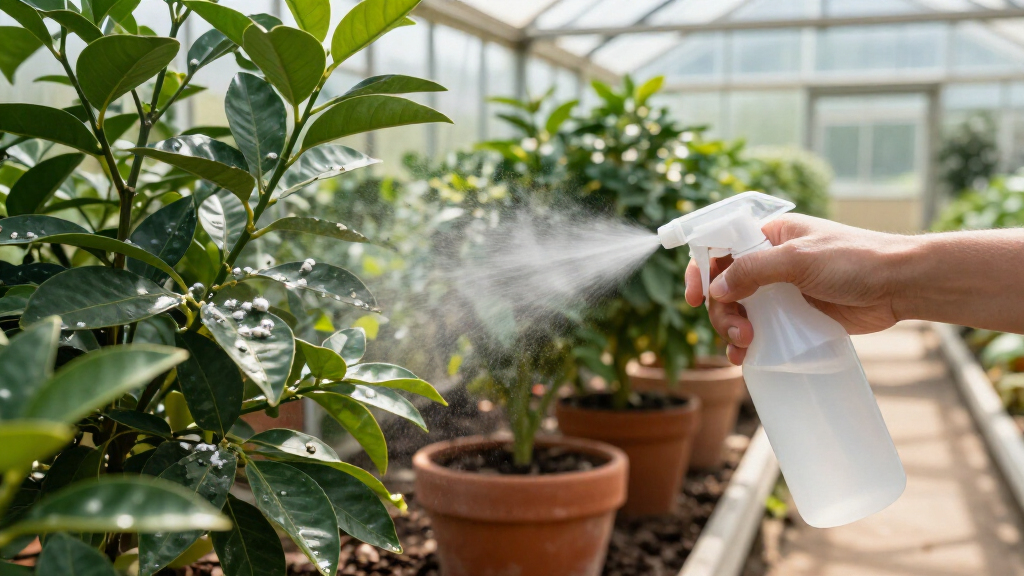

The best mealybug control products combine fast knockdown with safety for the plants you’re treating, and after comparing fourteen options, Bonide Systemic Houseplant Insect Control Granules stand out as the best overall pick because they protect plants from the inside out for weeks without repeated spraying. For an immediate contact kill, Bonide Captain Jack’s Insecticidal Super Soap delivers visible results on contact and is gentle enough for most houseplants, while Atticus Talak Bifenthrin Concentrate is the heavy-duty choice for severe outdoor infestations. The main tradeoff in this category is between contact sprays, which work instantly but require thorough repeat applications, and systemic treatments, which take longer to work but protect new growth mealybugs love to attack. Organic gardeners and pet owners will want to lean toward soaps and neem oil, while those battling a stubborn outdoor outbreak may accept a stronger synthetic. Keep reading for the full breakdown of all fourteen products and which one fits your situation.

Get garden gear delivered free — and shop member deals
- Fast, free delivery on millions of items
- Access to Prime Big Deal Days deals on October 6–7
- Prime Video, Amazon Music and more included
Complete the kit


Key Takeaways
- Systemic options (Bonide Granules, SNS-209) outperformed sprays for recurring infestations because mealybugs hide in leaf axils and soil where contact sprays can’t reach.
- Ready-to-use soaps from Bonide, Garden Safe, and Natria performed similarly on contact kill, so the real differentiators were price per ounce, spray nozzle quality, and label flexibility for edibles.
- Neem oil products (Captain Jack’s, BioAdvanced Organics) double as fungicides and miticides, making them the best two-in-one value if your plants face more than just mealybugs.
- Atticus Talak bifenthrin is the only pick strong enough for landscape-level outdoor outbreaks, but it is restricted from edibles and requires careful handling, making it wrong for most houseplant owners.
- Concentrates like Safer Brand and SNS-209 cost less per gallon over time but demand accurate mixing, so beginners are better served by ready-to-use sprays despite the higher per-ounce cost.
| Bonide Captain Jack’s Neem Oil Ready-to-Use Spray, 32 oz |  | Best Overall | Volume: 32 oz | Form: Ready-to-use trigger spray | Active ingredient: Clarified hydrophobic extract of neem oil | VIEW LATEST PRICE | See Our Full Breakdown |
| ARBER Organic Insecticide Spray for Indoor and Outdoor Plants, 16 oz |  | Best Value Concentrate | Volume: 16 oz | Form: Liquid concentrate | Use: Indoor and outdoor plants | VIEW LATEST PRICE | See Our Full Breakdown |
| Bonide Captain Jack’s Insecticidal Super Soap Ready-to-Use Spray, 32 oz |  | Best for Outdoor Gardens | Volume: 32 oz | Form: Ready-to-use spray | Intended use: Outdoor residential use | VIEW LATEST PRICE | See Our Full Breakdown |
| Bonide Insecticidal Soap Ready-to-Use Spray, 32 oz |  | Best for Beginners | Brand: Bonide | Volume: 32 oz | Form: Ready-to-use spray | VIEW LATEST PRICE | See Our Full Breakdown |
| EcoVenger Garden Insect Control Spray, 16 oz |  | Best Plant-Based Pick for Pet Households | Volume: 16 oz | Use: Indoor and outdoor plants | Application: Spray foliage and stems; treat soil for eggs and fungus gnats | VIEW LATEST PRICE | See Our Full Breakdown |
| Garden Safe Insecticidal Soap Insect Killer Spray, 32 oz |  | Best Ready-to-Use Soap for Edibles | Volume: 32 oz | Form: Ready-to-use spray | Active ingredients: Fatty acid salts (soaps) | VIEW LATEST PRICE | See Our Full Breakdown |
| Natria Insecticidal Soap, Ready-to-Use, 24 oz |  | Best for Houseplant Collections | Volume: 24 fl oz | Form: Ready-to-use spray | Active ingredient: Potassium salts of fatty acids, 1% | VIEW LATEST PRICE | See Our Full Breakdown |
| Earth’s Ally 3-in-1 Plant Spray for Pests and Disease, 32 fl oz |  | Best Dual-Purpose Pick | Volume: 32 fl oz | Formula: Thyme, rosemary, clove, and peppermint oils | Use: Indoor and outdoor plants | VIEW LATEST PRICE | See Our Full Breakdown |
| Bonide Systemic Houseplant Insect Control Granules, 8 oz |  | Best Long-Lasting Protection | Form: Ready-to-use granules | Size: 8 oz | Application: Mix into soil and water in | VIEW LATEST PRICE | See Our Full Breakdown |
| NatureStop Mealy Bug Killer for Indoor Plants, 16 oz |  | Best Mealybug-Specialist Spray | Volume: 16 oz | Formula: Natural oil-based | Target pest: Mealybugs | VIEW LATEST PRICE | See Our Full Breakdown |
| BioAdvanced Organics Neem Oil Spray, 24 fl oz |  | Best for Edible Gardens | Volume: 24 fl oz | Form: Ready-to-use trigger spray | Active ingredient: Clarified hydrophobic extract of neem oil, 0.9% | VIEW LATEST PRICE | See Our Full Breakdown |
| Sierra Natural Science SNS-209 Systemic Concentrate, 1 Pint |  | Best Rosemary-Derived Systemic Option | Volume: 1 pint | Active ingredient: Rosmarinic acid from rosemary | Product type: Systemic pest-control concentrate | VIEW LATEST PRICE | See Our Full Breakdown |
| Safer Brand Insect Killing Soap Concentrate for Plants, 16 fl oz |  | Best Concentrate for Direct Mealybug Treatment | Volume: 16 fl oz | Active ingredient: Potassium salts of fatty acids | Form: Concentrate | VIEW LATEST PRICE | See Our Full Breakdown |
| Atticus Talak 7.9% Bifenthrin Insecticide Concentrate, 32 oz |  | Best for Broad-Spectrum Perimeter Pest Control | Volume: 32 fl oz | Form: Liquid concentrate | Active ingredient: Bifenthrin, 7.9% | VIEW LATEST PRICE | See Our Full Breakdown |
| mealybug control product | Volume | Form | Active ingredient |
|---|---|---|---|
| Bonide Captain Jack’s Neem Oil | 32 oz | Ready-to-use trigger spray | Clarified hydrophobic extract of neem oil |
| ARBER Organic Insecticide Spra | 16 oz | Liquid concentrate | — |
| Bonide Captain Jack’s Insectic | 32 oz | Ready-to-use spray | — |
| Bonide Insecticidal Soap Ready | 32 oz | Ready-to-use spray | Potassium salts of fatty acids |
| EcoVenger Garden Insect Contro | 16 oz | — | — |
| Garden Safe Insecticidal Soap | 32 oz | Ready-to-use spray | — |
| Natria Insecticidal Soap | 24 fl oz | Ready-to-use spray | Potassium salts of fatty acids, 1% |
| Earth’s Ally 3-in-1 Plant Spra | 32 fl oz | — | — |
| Bonide Systemic Houseplant Ins | — | Ready-to-use granules | — |
| NatureStop Mealy Bug Killer fo | 16 oz | — | — |
| BioAdvanced Organics Neem Oil | 24 fl oz | Ready-to-use trigger spray | Clarified hydrophobic extract of neem oil, 0.9% |
| Sierra Natural Science SNS-209 | 1 pint | — | Rosmarinic acid from rosemary |
| Safer Brand Insect Killing Soa | 16 fl oz | Concentrate | Potassium salts of fatty acids |
| Atticus Talak 7.9% Bifenthrin | 32 fl oz | Liquid concentrate | Bifenthrin, 7.9% |
More Details on Our Top Picks
Bonide Captain Jack’s Neem Oil Ready-to-Use Spray, 32 oz
For a mealybug problem that keeps coming back, neem oil’s ability to hit eggs, larvae, and adults is what separates this pick from contact-only sprays. Where Bonide Insecticidal Soap only kills what the spray physically touches, Captain Jack’s neem disrupts the pest’s life cycle, which matters because mealybugs hide in leaf axils and under cottony wax where a single pass rarely reaches them. The three-in-one fungicide, insecticide, and miticide action also makes it a smart choice if your infested plant is already stressed by secondary problems. The tradeoff is pace and residue: neem works more slowly than soap, can leave an oily sheen on glossy houseplant foliage, and needs reapplication every 7–14 days to break the cycle.
Pros:- Targets eggs, larvae, and adult insects, not just what the spray touches
- Doubles as a fungicide and miticide for stressed plants
- Approved for organic gardening and usable up to harvest day
- Ready-to-use bottle eliminates dilution guesswork
Cons:- Works slowly compared to contact insecticidal soaps
- Oily residue can dull the appearance of glossy-leaved houseplants
- Requires reapplication every 7–14 days to fully break the cycle
Best for: Plant owners with recurring mealybug infestations who want to break the pest life cycle rather than just killing visible adults
Not ideal for: Anyone wanting instant knockdown of a heavy infestation — neem acts gradually and requires repeat applications over weeks
- Volume:32 oz
- Form:Ready-to-use trigger spray
- Active ingredient:Clarified hydrophobic extract of neem oil
- Uses:Fungicide, insecticide, and miticide
- Reapplication interval:Every 7–14 days as needed
- Organic gardening:Approved; usable up to day of harvest
Our verdict“This is the pick for anyone battling repeat mealybug outbreaks who needs life-cycle control, not just a one-time kill.”
ARBER Organic Insecticide Spray for Indoor and Outdoor Plants, 16 oz
Concentrates cost more per bottle but far less per gallon, and that math is what makes this ARBER option appealing for anyone treating a large plant collection or recurring infestations. Compared with Captain Jack’s Neem Oil, which arrives pre-mixed and runs out quickly on a big collection, this 16 oz concentrate yields many refills once diluted. The flexibility to adjust dilution strength by plant type and pest severity is genuinely useful — a light mix for delicate calatheas, a stronger one for a badly infested succulent. The catch is effort: you’ll need a separate sprayer, measuring, and patience with mixing. It also treats foliage and soil, unlike outdoor-only soaps such as Captain Jack’s Insecticidal Super Soap, giving it an edge against pests laying eggs in the potting mix.
Pros:- Concentrate format delivers far more total spray per dollar than pre-mixed bottles
- Dilution can be tailored to plant sensitivity and infestation severity
- Treats both foliage and soil, reaching eggs and soil-dwelling pests
- Low-odor, dye-free formula suited to indoor living spaces
Cons:- Must be diluted before every use, adding time and equipment
- No residual action — coverage and repeat treatments depend entirely on the user
Best for: Plant collectors with many indoor and outdoor plants who want the lowest cost per treatment and don’t mind mixing their own spray
Not ideal for: Casual owners with one or two houseplants — the concentrate format, mixing, and separate sprayer add hassle a ready-to-use bottle avoids
- Volume:16 oz
- Form:Liquid concentrate
- Use:Indoor and outdoor plants
- Application:Dilute with water and spray foliage and soil
- Pests targeted:Fungus gnats, aphids, whiteflies, mealybugs, spider mites, foliage-feeding beetles, fruit flies
- Features:Low-odor, dye-free, organic gardening
Our verdict“The smart buy for multi-plant households that will actually use up a concentrate and want adjustable treatment strength.”
Bonide Captain Jack’s Insecticidal Super Soap Ready-to-Use Spray, 32 oz
When mealybugs spread from houseplants to outdoor ornamentals or greenhouse benches, this Super Soap earns its slot with a dual killing method: it works on direct contact and when leaf-feeding insects ingest treated foliage. That ingestion pathway is unusual for a soap-class product and gives it a leg up on the standard Bonide Insecticidal Soap, which only kills whatever the spray physically hits. Coverage is broad — gardens, lawns, ornamentals, and greenhouses — and it’s organic-approved. The limitation is clear-cut, though: this is built for outdoor residential use, so houseplant growers dealing with a windowsill infestation should steer toward the indoor-safe options above instead. It also shares soap’s general weakness of needing thorough, repeat coverage on pests that hide under cottony wax.
Pros:- Kills by direct contact and by ingestion of treated foliage
- Broad coverage across gardens, lawns, ornamentals, and greenhouses
- Approved for organic gardening
- Ready-to-use bottle with no mixing required
Cons:- Outdoor-only labeling rules it out for houseplant infestations
- Contact-based action still requires thorough coverage of hidden mealybugs and repeat spraying
Best for: Outdoor gardeners and greenhouse growers fighting mealybugs and mixed pests on ornamentals, lawns, and vegetables
Not ideal for: Indoor houseplant owners — the formula is designed and labeled for outdoor residential use
- Volume:32 oz
- Form:Ready-to-use spray
- Intended use:Outdoor residential use
- Suitable for:Home gardens, lawns, ornamentals, and greenhouses
- Pest control method:Direct contact and ingestion
- Organic gardening:Approved
Our verdict“The right choice when the fight moves outdoors and you want soap simplicity with an added ingestion kill pathway.”
Bonide Insecticidal Soap Ready-to-Use Spray, 32 oz
If you’ve just spotted white cottony clumps on a first houseplant, this is the least intimidating entry point in the lineup. The potassium salts of fatty acids kill on contact with no residual chemicals, which means you can treat herbs and vegetables right up to the day of harvest without worry. Compared with ARBER’s concentrate, there’s nothing to measure or mix — point and spray. And unlike Captain Jack’s Super Soap, it’s labeled for indoor use, so it works on the windowsill where most mealybug problems actually start. The honest tradeoff: contact-only kill means mealybugs tucked into stem crevices or under wax survive a lazy pass, so success depends on your thoroughness with repeat treatments rather than any long-lasting action from the product itself.
Pros:- No mixing or equipment — ready to spray straight from the shelf
- Safe for vegetables, fruit, and flowers up to harvest day
- Plant-derived active ingredient suitable for organic gardening
- Gentle enough for regular indoor use on houseplants
Cons:- Only kills insects the spray directly contacts
- No egg or larval activity, so repeated applications are mandatory
Best for: First-time plant owners and edible gardeners who want a gentle, no-mixing first response to a light mealybug sighting
Not ideal for: Anyone with an established, heavy infestation — contact-only action won’t reach hidden nymphs and eggs without exhaustive repeat spraying
- Brand:Bonide
- Volume:32 oz
- Form:Ready-to-use spray
- Active ingredient:Potassium salts of fatty acids
- Use:Indoor and outdoor plants
- Organic gardening:Suitable
Our verdict“The easiest first line of defense for new plant owners tackling a light, early mealybug problem.”
EcoVenger Garden Insect Control Spray, 16 oz
Botanical chemistry is this spray’s whole identity: a blend of citronella, geraniol, and cedarwood oils formulated to be safe around children, pets, birds, and fish — a profile none of the synthetic or soap-based options in this roundup can match. For households where a cat chews houseplant leaves or a birdcage sits nearby, that margin matters more than raw kill power. Compared with Bonide Insecticidal Soap, EcoVenger adds soil treatment to its repertoire, targeting eggs and fungus gnats in the potting mix rather than just foliage. The tradeoffs are real: delicate plants require a five-times dilution and a test spray first, cutting into the convenience of a ready-to-use bottle, and the smaller 16 oz size runs out faster than the 32 oz competitors when treating a full collection. The pleasant scent is a pleasant surprise for anyone used to chemical odors.
Pros:- Botanical formula described as safe around children, pets, birds, and fish
- Treats foliage, stems, and soil, reaching eggs and fungus gnats
- Pleasant botanical scent instead of chemical odor
- Works on indoor and outdoor plants with a broad pest list
Cons:- Delicate plants require 5x dilution and a test spray before use
- Smaller 16 oz bottle runs out faster than 32 oz competitors on multi-plant treatments
- Nozzle can arrive damaged in transit or fail with improper use
Best for: Pet owners, bird keepers, and families with young kids who need a plant-based spray they can use confidently near curious animals
Not ideal for: Owners of sensitive plants like ferns or calatheas, and anyone treating a large collection — dilution requirements and the small bottle make it slow going
- Volume:16 oz
- Use:Indoor and outdoor plants
- Application:Spray foliage and stems; treat soil for eggs and fungus gnats
- Dilution for delicate plants:Dilute 5 times with water
- Ingredients:Citronella oil, geraniol, cedarwood oil, sodium lauryl sulfate, glyceryl dicaprylate, silica hydrate, glyceryl monooleate, water
- Pests targeted:Aphids, spider mites, gnats, armyworms, whiteflies
Our verdict“The clear choice for safety-first households where botanical ingredients matter more than maximum chemical punch.”
Garden Safe Insecticidal Soap Insect Killer Spray, 32 oz
Garden Safe earns its spot as the workhorse pick for gardeners who want a spray they can use on tomatoes and herbs right up to harvest day. The fatty acid soap formula kills mealybugs on contact without leaving residues that force you to wait before eating. Compared with the Natria Insecticidal Soap, this bottle gives you more volume at the same convenience level, though Natria’s dedicated houseplant formula can be a friendlier size for indoor-only growers. The tradeoff is real: because soap only kills what it touches, a mealybug hiding in a leaf crevice or under a leaf will survive a lazy pass. Thorough coverage is the price of admission, and repeat applications are part of the deal.
Pros:- No mixing required — spray straight from the bottle
- Can be applied to edibles up to the day of harvest
- Works across vegetables, fruit trees, ornamentals, and houseplants
- Controls a wide list of soft-bodied pests beyond mealybugs
Cons:- Contact-only formula means pests must be sprayed directly
- Requires thorough coverage including leaf undersides, which is tedious on dense plants
Best for: Vegetable and fruit gardeners who need a contact spray safe for edibles through harvest day
Not ideal for: Growers with heavy, established mealybug infestations hiding in stem crevices, since contact-only control demands meticulous coverage
- Volume:32 oz
- Form:Ready-to-use spray
- Active ingredients:Fatty acid salts (soaps)
- Application:Indoor, outdoor, and greenhouse use
- Suitable plants:Vegetables, fruit trees, ornamentals, shrubs, and flowers
- Target pests:Aphids, mealybugs, mites, leafhoppers, psyllids, scale, thrips, whiteflies
- Model number:HG-93216
Our verdict“If you grow food and want a no-residue mealybug spray you can trust on harvest day, this is the bottle to grab.”
Natria Insecticidal Soap, Ready-to-Use, 24 oz
This option stands out for indoor growers with smaller plant collections who don’t want a giant bottle crowding the shelf. Natria’s 24 oz size and trigger sprayer make it easy to work through a row of pothos and succulents without dragging out mixing equipment. Its 1% potassium salts of fatty acids formula mirrors the approach of Garden Safe’s spray, but the bottle format leans houseplant-first — flowers, roses, fruits, and vegetables are all covered, and it’s also cleared for use through harvest day. Where it gives ground to larger bottles is economy: ounce for ounce, the 24 oz format costs more per application, so someone treating an outdoor bed of infested shrubs will burn through it quickly.
Pros:- Ready-to-use bottle with no dilution math
- Gentle enough for houseplants, roses, and edibles alike
- Cleared for use up to and including harvest day
- Familiar soap chemistry targets mealybugs, aphids, mites, and whiteflies
Cons:- Smaller volume means higher cost per ounce than larger soap sprays
- Contact kill requires direct spraying of every insect
Best for: Houseplant owners managing a modest indoor collection who want grab-and-go convenience
Not ideal for: Gardeners treating large outdoor infestations, who will find the smaller bottle runs out fast
- Volume:24 fl oz
- Form:Ready-to-use spray
- Active ingredient:Potassium salts of fatty acids, 1%
- EPA registration:67702-21-92564
- Suitable plants:Flowers, roses, fruits, vegetables, houseplants
- Target pests:Aphids, mealybugs, mites, whiteflies, and other listed pests
- Model number:706230A
Our verdict“A sensible pick for indoor plant parents who value convenience and shelf space over bulk value.”
Earth’s Ally 3-in-1 Plant Spray for Pests and Disease, 32 fl oz
Mealybugs rarely show up alone — and Earth’s Ally attacks both the bugs and the fungal problems that often ride along with stressed plants. Its blend of thyme, rosemary, clove, and peppermint oils handles soft-bodied pests while doubling as a disease control, something no other spray in this lineup offers; the Garden Safe soap covers more pest species but does nothing for powdery mildew or leaf spot. What makes this pick stand apart is its independent bee-safety testing, a meaningful distinction for anyone spraying flowering plants where pollinators visit. The flip side is focus: botanical oils are less forgiving of pest variety than soap chemistry, so a garden dealing with hard-shelled beetles or other non-soft-bodied invaders will need a different tool.
Pros:- Controls pests and common plant diseases in one bottle
- Botanical oil formula of thyme, rosemary, clove, and peppermint
- Independently tested for bee safety
- Ready to use on both indoor and outdoor plants
Cons:- Limited to soft-bodied insects — not a solution for every pest problem
- Oil sprays can phytotoxic-burn sensitive plants in hot direct sun
Best for: Gardeners battling mealybugs alongside fungal issues on flowering plants where pollinator safety matters
Not ideal for: Growers dealing with pests beyond soft-bodied insects, since the botanical oil formula has a narrower target list
- Volume:32 fl oz
- Formula:Thyme, rosemary, clove, and peppermint oils
- Use:Indoor and outdoor plants
- Target pests:Spider mites, aphids, whiteflies, mealybugs, leaf rollers, scale
- Secondary use:Common plant disease control
- Bee safety:Independently tested
- Manufacturer:Sarasota Green Group
Our verdict“The right call when your mealybug problem comes bundled with disease pressure and pollinators are in the picture.”
Bonide Systemic Houseplant Insect Control Granules, 8 oz
Every spray in this roundup shares one weakness: you have to hit the insect. Bonide’s granules sidestep that entirely — sprinkle them into the potting soil, water in, and the plant itself becomes the pesticide for up to eight weeks. That makes this the strongest choice for mealybugs tucked into leaf axils and node crevices where sprays like Natria’s simply can’t reach. The protection is also water-resistant, so there’s no reapplying after every watering or rinse. Two honest limitations shape who should buy it: the systemic action only kills insects that feed on the plant, and it is off-limits for anything edible. This is an ornamental-houseplant tool, full stop.
Pros:- Up to 8 weeks of protection from a single application
- Reaches insects hiding where sprays can’t
- Water-resistant — no loss after watering
- No mixing or spraying equipment needed
Cons:- Not intended for edible plants of any kind
- Only affects insects that feed on plant tissue
- Slower to act than a direct contact spray
Best for: Houseplant owners with recurring mealybug problems on ornamentals who are tired of weekly spray routines
Not ideal for: Anyone growing herbs, vegetables, or fruit trees — the systemic chemistry is explicitly not for edible plants
- Form:Ready-to-use granules
- Size:8 oz
- Application:Mix into soil and water in
- Protection duration:Up to 8 weeks
- Water resistance:Yes
- Target pests:Aphids, whiteflies, mealybugs, scale, and other listed insects
- Model number:951
Our verdict“For chronic mealybug infestations on ornamental houseplants, this is the set-and-forget option sprays can’t match.”
NatureStop Mealy Bug Killer for Indoor Plants, 16 oz
Most products here treat mealybugs as one item on a long pest list; NatureStop builds the whole bottle around them. That single-minded focus suits the buyer whose problem is specifically the cottony white clusters on indoor succulents and tropicals, since the oil-based formula and direct-to-node application guidance match how mealybugs actually live. Compared with a generalist like Earth’s Ally 3-in-1, you give up disease control and multi-pest coverage but gain a product tuned to one job. The honest caveat: no specific active ingredients are disclosed, and there’s no stated reapplication schedule, so you’re relying on the label’s directions alone and trusting the formula without the transparency a soap spray offers. It’s also the smallest bottle in this batch at 16 oz.
Pros:- Purpose-formulated specifically for mealybugs
- Natural oil-based formula
- Simple direct-spray application on leaves, stems, and nodes
- Works on both indoor and outdoor plants
Cons:- Active ingredients are not disclosed on the listing
- No stated application frequency or treatment duration guidance
- Smallest bottle size in this batch at 16 oz
Best for: Plant owners with a confirmed mealybug-only problem who want a product purpose-built for that pest
Not ideal for: Careful buyers who want disclosed active ingredients and clear reapplication intervals before treating prized plants
- Volume:16 oz
- Formula:Natural oil-based
- Target pest:Mealybugs
- Application:Spray directly on affected leaves, stems, and nodes
- Suitable for:Indoor and outdoor plants
- Made in:USA
Our verdict“A focused niche pick for mealybug-specific infestations, best for growers comfortable with a less transparent label.”
BioAdvanced Organics Neem Oil Spray, 24 fl oz
For gardeners treating both pests and plant disease, this ready-to-use neem spray combines insecticide, miticide, and fungicide uses in one bottle. Its label covers a range of ornamental and edible plants, and it may be applied up to the day of harvest. Compared with Safer Brand Insect Killing Soap Concentrate, which targets mealybugs and other listed pests on contact, BioAdvanced adds listed fungal disease control, so it suits mixed garden problems better. The tradeoff is that neem is not a one-and-done treatment: listed fungal diseases call for applications every 7–14 days, and pest control is limited to organisms named on the label. I’d choose it for broad garden use, while a soap treatment is the more direct pick when mealybugs are the main concern.
Pros:- Ready-to-use trigger spray needs no mixing
- Combines listed insecticide, miticide, and fungicide uses
- Labeled for ornamental and edible plants
- May be used up to the day of harvest
Cons:- Listed fungal diseases require repeat applications every 7–14 days
- Coverage is limited to pests and diseases named on the label
Best for: Gardeners with edible and ornamental plants who want one ready-to-use product for listed pests and fungal diseases.
Not ideal for: Plant owners seeking a mealybug-only treatment or who cannot repeat applications as directed.
- Volume:24 fl oz
- Form:Ready-to-use trigger spray
- Active ingredient:Clarified hydrophobic extract of neem oil, 0.9%
- Uses:Fungicide, insecticide, and miticide
- Fungal disease schedule:Every 7–14 days for listed fungal diseases
- Harvest use:May be applied up to the day of harvest
- EPA registration number:70051-13-92564
Our verdict“Choose this for convenient, multi-purpose treatment across edible and ornamental plants; choose insecticidal soap when direct mealybug targeting is the priority.”
Sierra Natural Science SNS-209 Systemic Concentrate, 1 Pint
SNS-209 takes a systemic approach: plants take up rosmarinic acid from rosemary, which is described as affecting insects when they feed. That sets it apart from Safer Brand Insect Killing Soap Concentrate, which is expressly listed for mealybugs and works on contact. SNS-209 may appeal to growers who prefer a plant-uptake approach, but the supplied product details do not identify which insects it controls or explain how to apply it. For a mealybug problem, that missing information makes it harder to judge fit than the soap concentrate, whose target list names mealybugs directly. I’d treat SNS-209 as a possible broader pest-management option only after checking its full label for mealybug coverage and directions; the rosemary origin alone does not establish that it controls this specific pest.
Pros:- Uses rosmarinic acid derived from rosemary
- Plant uptake offers a systemic pest-control approach
- Designed to affect insects when they feed
Cons:- Provided details do not identify controlled insect species
- Provided details give no application directions
Best for: Growers interested in a rosemary-derived systemic product who can consult the full label for pest coverage and application directions.
Not ideal for: Buyers who need clearly documented mealybug control or straightforward application instructions from the product details.
- Volume:1 pint
- Active ingredient:Rosmarinic acid from rosemary
- Product type:Systemic pest-control concentrate
- Described action:Plant uptake; affects insects when they feed
Our verdict“Consider this only if the full label confirms mealybug coverage and gives usable directions; Safer Brand is the clearer choice for a named mealybug target.”
Safer Brand Insect Killing Soap Concentrate for Plants, 16 fl oz
Mealybugs are named on the target list, making this insecticidal soap a clear choice for buyers who want a product explicitly aimed at the pest. It kills soft-bodied insects on contact and the 16 fl oz concentrate makes up to 6 gallons of spray, so it can cover repeated treatments across a collection of plants. Compared with BioAdvanced Organics Neem Oil Spray, Safer Brand is more specifically positioned around insect control and offers a stated dilution yield; BioAdvanced also covers listed fungal diseases and comes ready to spray. The tradeoffs here are mixing and repeat applications: the supplied specs give both a 5–7 day interval while insects are present and a 7–10 day interval, so follow the product label for the correct schedule. Avoid spraying in peak heat or above 90°F to reduce leaf damage risk.
Pros:- Mealybugs are explicitly listed among target pests
- Concentrate makes up to 6 gallons of spray
- OMRI Listed for organic gardening
- Labeled for houseplants, ornamentals, fruits, and vegetables
Cons:- Requires dilution before application
- Repeat applications may be needed, with supplied intervals differing
- Peak heat or temperatures above 90°F can raise leaf damage risk
Best for: Plant owners treating mealybugs on multiple houseplants, herbs, or garden plants who are comfortable mixing concentrate and following label directions.
Not ideal for: Buyers who want a ready-to-spray bottle or cannot avoid applications during peak heat.
- Volume:16 fl oz
- Active ingredient:Potassium salts of fatty acids
- Form:Concentrate
- Coverage:Makes up to 6 gallons of spray
- Listed pests:Includes mealybugs, aphids, whiteflies, mites, and soft scales
- Application interval:Every 5–7 days while insects are present; product description also says every 7–10 days
- Organic gardening:OMRI Listed
- Use sites:Houseplants, ornamental foliage, flowering plants, fruits, and vegetables
- Harvest use:May be used up to the day of harvest
Our verdict“Pick this concentrate for named mealybug coverage across many plants; choose BioAdvanced if you want a ready-to-use spray that also addresses listed fungal diseases.”
Atticus Talak 7.9% Bifenthrin Insecticide Concentrate, 32 oz
Broad coverage is the defining feature here: Talak is described for indoor and outdoor use against more than 75 pests, with residual control up to three months when used as directed. That makes it a different kind of choice from Safer Brand Insect Killing Soap Concentrate, which specifically names mealybugs and is intended for plants. Talak’s product details do not name mealybugs or describe plant use, so I would not select it as a plant-treatment substitute without confirming the label permits that use and covers the pest. Its concentrate also needs dilution, while BioAdvanced Neem Oil is ready to spray on labeled plants. This option makes more sense for buyers addressing a range of household or outdoor insects; the label and listed state restrictions narrow where and how it can be used.
Pros:- Targets more than 75 listed pests
- Described for indoor and outdoor use
- May provide residual control for up to three months
- Water-based formula is described as drying clear without odor or residue
Cons:- Must be diluted and applied according to label instructions
- Provided details do not specifically identify mealybugs or plant treatment uses
- Not available for sale in Connecticut, New York, or Vermont
Best for: Buyers seeking a concentrate for broad indoor and outdoor control of listed household or perimeter pests.
Not ideal for: Plant owners looking for a clearly labeled mealybug treatment on houseplants, fruits, or vegetables.
- Volume:32 fl oz
- Form:Liquid concentrate
- Active ingredient:Bifenthrin, 7.9%
- Pest range:More than 75 pests
- Coverage:Indoor and outdoor use
- Residual control:Up to 3 months
- Application:Dilute and apply according to label instructions
- Weight:2 lb
- UPC:810117111397
Our verdict“Choose Talak for broad listed indoor and outdoor pest control, but use a product such as Safer Brand when you need mealybugs explicitly named for plant treatment.”

How We Picked
I evaluated each product through the lens of a single question: how quickly and reliably does it clear a mealybug infestation without harming the plant? That meant weighing kill mechanism (contact vs. systemic), ease of use (ready-to-use vs. concentrate), plant and people safety (organic certification, edible-crop labels, pet considerations), and value over a full treatment cycle, since mealybugs almost always require repeat applications to break their egg-laying cycle.
Ranking favored products that match realistic use cases over raw potency. A systemic granule earned the top spot because mealybugs’ habit of hiding in crevices makes spray-only approaches prone to relapse. Sprays were ranked by nozzle quality, label breadth, and gentleness on tender foliage, while the synthetic concentrate placed lower for general buyers despite its power, because its restrictions make sense only for a narrow outdoor-use audience.
| mealybug control product | Form | Active ingredient |
|---|---|---|
| Bonide Captain Jack’s Neem Oil | Ready-to-use trigger spray | Clarified hydrophobic extract of neem oil |
| ARBER Organic Insecticide Spra | Liquid concentrate | — |
| Bonide Captain Jack’s Insectic | Ready-to-use spray | — |
| Bonide Insecticidal Soap Ready | Ready-to-use spray | Potassium salts of fatty acids |
| EcoVenger Garden Insect Contro | — | — |
| Garden Safe Insecticidal Soap | Ready-to-use spray | — |
| Natria Insecticidal Soap | Ready-to-use spray | Potassium salts of fatty acids, 1% |
| Earth’s Ally 3-in-1 Plant Spra | — | — |
| Bonide Systemic Houseplant Ins | Ready-to-use granules | — |
| NatureStop Mealy Bug Killer fo | — | — |
| BioAdvanced Organics Neem Oil | Ready-to-use trigger spray | Clarified hydrophobic extract of neem oil, 0.9% |
| Sierra Natural Science SNS-209 | — | Rosmarinic acid from rosemary |
| Safer Brand Insect Killing Soa | Concentrate | Potassium salts of fatty acids |
| Atticus Talak 7.9% Bifenthrin | Liquid concentrate | Bifenthrin, 7.9% |
Factors to Consider When Choosing Best Mealybug Control Products
Choosing a mealybug product is less about finding the strongest chemical and more about matching the treatment to where your plants live, how bad the infestation is, and who else shares your home. These are the factors that actually change outcomes.Contact Sprays vs. Systemic Treatments
Mealybugs protect themselves with a waxy cottony coating that repels lightly applied sprays, which is why contact products need direct, thorough coverage to work. Sprays kill only what they touch, meaning any mealybug tucked into a leaf joint or root crown survives to restart the infestation within two weeks. Systemic products, whether soil granules or root-absorbed concentrates, turn the plant itself toxic to pests and reach hidden insects sprays miss. The catch is speed: systemics take days to a couple of weeks to build protection, so a bad infestation often needs both approaches at once. A common mistake is treating once and declaring victory — mealybug eggs and juveniles hatch in waves, so plan on treatments at seven-to-ten-day intervals for at least a month regardless of which type you choose.
Indoor vs. Outdoor Use
The label matters more than the active ingredient here. Products like Atticus Talak bifenthrin are formulated for landscape use and carry restrictions that make them a poor fit for enclosed spaces, where spray drift lingers on furniture and in the air. Indoor gardeners should prioritize low-odor, ready-to-use formulas such as soaps and botanical oils that can be applied on a windowsill without gloves-and-goggles ceremony. Outdoor growers with ornamental beds have more freedom and often need it, since ants actively farm mealybugs and will move them back onto treated plants. If you see ants alongside your infestation outdoors, controlling both at once is the only way break the cycle permanently.
Organic vs. Synthetic Chemistry
Organic options — insecticidal soaps, neem oil, and botanical blends — degrade quickly, are safe on most edibles up to harvest day, and pose minimal risk to pets once dry. Their limitation is persistence: rain, watering, and new plant growth all erase their protection within days. Synthetics like bifenthrin last weeks on the plant but come with restrictions on edible crops and higher toxicity to beneficial insects and aquatic life. A useful rule of thumb: go organic for houseplants, herbs, and anything children or pets touch; reserve synthetics for ornamental landscape plants with infestations that organic products have already failed to control. Don’t assume organic means harmless to plants, though — soaps and oils can scorch foliage applied in full sun or high heat.
Ready-to-Use vs. Concentrate
Ready-to-use bottles cost more per ounce but remove the single biggest failure point in pest control: mixing errors. An over-concentrated soap spray burns leaves, and an under-concentrated one does nothing, and both mistakes are common with measuring-spoon chemistry at the kitchen sink. Concentrates like Safer Brand soap and SNS-209 pay off once you’re treating a dozen or more plants or a whole garden bed, cutting cost per treatment dramatically. If you go the concentrate route, invest in a dedicated measuring device and a separate sprayer you never use for herbicides — residue from weed killers can devastate the plants you’re trying to save. For a single infested houseplant, ready-to-use is almost always the smarter buy.
Plant Sensitivity and Phytotoxicity
Some plants are notoriously sensitive to soaps and oils, including ferns, succulents with farina coatings, African violets, and certain dracaenas. Before treating an entire plant, test on a few leaves and wait 48 hours for damage to appear. Neem and other oils compound the risk in heat: applications above 85°F or in direct sun can cause leaf burn worse than the pest damage itself. Products with broad label clearance across many plant types, like the major-brand soaps in this roundup, have been tested on more species than boutique formulas, which is a quiet advantage worth checking. Also avoid mixing your own soap spray from dish detergent — household detergents contain degreasers and fragrances that strip plant cuticles and frequently kill leaves outright.
Cost Per Full Treatment, Not Per Bottle
Mealybug control is a multi-application project, so the honest cost comparison is price per treatment across four to six applications, not the sticker price of one bottle. A 32-ounce ready-to-use spray that lasts two applications on a large plant may cost more over a full cycle than a concentrate that yields gallons. At the same time, buying a large synthetic concentrate for one houseplant wastes money and leaves hazardous product sitting in storage. Match the package size to the scale of your infestation, and factor in whether you’ll realistically complete follow-up treatments — the most expensive product is the one that fails because the second and third rounds never happened.
Frequently Asked Questions
Why do mealybugs keep coming back after I spray?
Relapse usually has three causes: incomplete coverage, unhatched eggs, and hidden populations in the soil. Mealybugs wedge themselves into leaf axils, undersides of leaves, and root crowns where spray barely reaches, so survivors restart the colony within two weeks. Their eggs and early nymphs also survive treatments that kill adults, which is why every credible product label calls for repeat applications at seven-to-ten-day intervals. If you’ve sprayed diligently three or more times and still see fresh cottony spots, the mealybugs are likely living in the root zone, and a systemic soil treatment like granules or a root-drench concentrate is the missing piece. Always check neighboring plants too — infestations spread quietly between pots on the same shelf.
Is neem oil or insecticidal soap better for mealybugs?
For pure knockdown of visible mealybugs, insecticidal soap works slightly faster because it dissolves the insect’s outer membrane on contact. Neem oil kills on contact too, but its bigger advantage is disruption of feeding and reproduction in survivors, plus activity against the fungus gnats and mites that often accompany mealybug infestations. Soap is the gentler choice for tender foliage and can be sprayed closer to harvest on edibles, while neem carries more risk of leaf scorch in heat or on sensitive plants. A practical approach many growers use is soap for the first two knockdown sprays, then neem as the maintenance treatment. Neither works well against deep root-zone infestations, so match the tool to where the insects actually are.
Are systemic insecticide granules safe for pets and kids?
Systemic granules like Bonide’s houseplant formula are designed to be absorbed into plant tissue, which means the chemical is inside the plant rather than sitting on its surface — that’s safer for touch contact after the soil dries, but it makes the plant itself toxic if eaten. Homes with cats that chew leaves, dogs that dig pots, or toddlers who touch everything should either place treated plants well out of reach or stick with contact sprays instead. The granules also list restrictions on edible plants, so never use them on herbs or vegetables you plan to eat. If you do use systemics, scratch granules into the topsoil and water in thoroughly so nothing sits on the surface where paws can reach. Read the label’s re-entry and waiting periods before deciding.
Can I use one product on all my plants, or do I need different ones?
Most name-brand insecticidal soaps and neem products carry broad labels covering vegetables, fruits, houseplants, and ornamentals, but broad labels don’t mean universal plant safety. Ferns, succulents with powdery farina, African violets, and some dracaenas are known to be sensitive to soaps and oils, so a single-spray-everything approach can trade a pest problem for a leaf-damage problem. The safest habit is a 48-hour patch test on one or two leaves of each unfamiliar plant species before a full application. Also check whether the label permits edible crops if you grow herbs — synthetic concentrates like bifenthrin do not, while soaps and neem generally do. Keep at least one gentle product on hand for sensitive plants even if you use something stronger on tough landscape ornamentals.
When should I give up on a plant instead of treating it?
Cut your losses when a plant is more than roughly half defoliated, shows sticky honeydew and black sooty mold across most of its stems, or has failed to improve after four to five complete treatment cycles. Severely weakened plants rarely recover their form, and keeping them around acts as a mealybug nursery that reinfects everything on the same shelf. Before discarding, isolate any new or infested plants from your collection — a two-week quarantine away from healthy plants prevents more losses than any spray will. If the plant has sentimental value, take clean cuttings from unaffected growth, root them in fresh soil, and discard the mother plant. Bag and trash infested material rather than composting it, since compost piles rarely get hot enough to kill mealybugs and eggs.
Conclusion
The right pick depends on where your infestation lives and how much repeat spraying you’ll realistically do. For best overall, Bonide Systemic Houseplant Insect Control Granules solve the hidden-mealybug problem that defeats sprays and keep protecting new growth for weeks. The best value pick is Safer Brand Insect Killing Soap Concentrate, which turns a small bottle into gallons of treatment for whole collections, while Bonide’s own Insecticidal Soap Ready-to-Use is the best choice for beginners thanks to no-mix application and a forgiving formula. For a premium combined approach, Sierra Natural Science SNS-209 offers systemic protection with an organic-friendly profile, and Earth’s Ally 3-in-1 earns a spot for gardeners who want pest, disease, and mite control in a single bottle. If you’re facing a severe outdoor outbreak on ornamentals, Atticus Talak bifenthrin is the specialist tool that justifies its handling requirements. Whatever you choose, commit to the full multi-week treatment schedule — consistency, not chemistry, is what finally clears a mealybug infestation.
Fall yard work Picks
leaf blowers
As an affiliate, we earn on qualifying purchases.