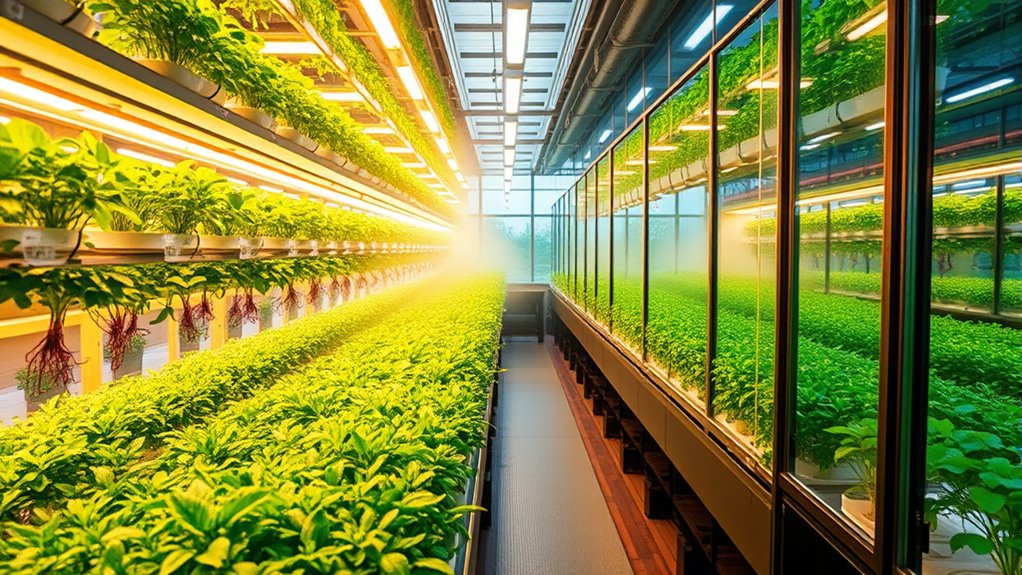

Choosing among hydroponic greenhouse systems means deciding how you want plants arranged, not just how many sites a kit lists. My strongest all-around pick is the 14-layer Hydroponic Tower for its 70 slots, 20-liter reservoir, and indoor-or-outdoor flexibility. The Carpathen tower is a better fit for a small indoor garden that needs integrated lights and meters, while the VEVOR 8-bucket DWC kit suits growers who prefer separate, roomy root zones. The main tradeoff is between vertical space efficiency, individual bucket growing, and high site counts that may demand more planning and assembly. None of these is a complete greenhouse enclosure; each is a hydroponic growing system to use within an appropriate protected or indoor space.

Get garden gear delivered free with Prime
- Fast, free delivery on millions of items
- Prime Video, Amazon Music and more included
- Member-only deals all year
Complete the kit


Key Takeaways
- The 14-layer tower combines 70 planting slots with a 20-liter reservoir and is the only listed system described for both indoor and outdoor use.
- Carpathen is the most self-contained indoor option, adding timed full-spectrum lighting, a pump, pH and TDS meters, and seedling supplies in a footprint under three square feet.
- VEVOR’s eight 5-gallon DWC buckets give roots separate, substantial reservoirs, but the floor space and electrical air pump differ from compact tower layouts.
- The 108-site VEVOR UPVC system offers the highest stated site count, but its indoor-only, three-tier pipe layout needs room and some assembly.
- Plant-site totals are not the same as practical harvest capacity: match the system to crop size, available light, maintenance time, and electrical access.


| hydroponic greenhouse system | Placement | Water tank |
|---|---|---|
| Hydroponic Tower 14-Layer Grow | Indoor and outdoor use | 20 liters (5.3 gallons) |
| Carpathen Hydroponic Tower Gro | — | 10 liters |
| VEVOR DWC Hydroponic System | Indoor and outdoor use | — |
| VEVOR Hydroponics Growing Syst | Indoor garden | — |
More Details on Our Top Picks
Hydroponic Tower 14-Layer Growing System Kit with 70 Slots, 20L Water Tank, and Pump for Indoor and Outdoor Use
I rank this tower first because it balances 70 planting slots with a substantial 20-liter reservoir and stated indoor-and-outdoor suitability. Its 14-layer vertical arrangement makes more sense than a broad pipe installation when floor space is limited, and it gives buyers more room to scale up than Carpathen’s 30-plant indoor tower. The timed pump circulates water from top to bottom, making a shared watering system the core of its setup rather than a collection of independently managed buckets.
That shared layout also defines the tradeoff. A pump is required, so the system needs a reliable electrical connection, and setup may be harder for a first-time grower than its compact footprint suggests. The listed capacity is aimed at small to medium-sized plants, not large crops that need extensive root or canopy space. Unlike Carpathen, it does not list integrated lights or pH and TDS meters, so an indoor grower may need to supply lighting and monitoring separately. Compared with VEVOR’s eight-bucket DWC kit, this tower uses vertical space more efficiently but offers less separation between plant reservoirs.
For a protected greenhouse or suitable outdoor location, the indoor/outdoor designation makes it the most adaptable pick here. I would choose it when a high site count and a vertical footprint matter more than having every monitoring tool bundled in. Buyers should confirm that their chosen location has power and appropriate light, and should not mistake this growing tower for a greenhouse enclosure.
Pros:- 70 slots use vertical space rather than requiring a wide growing bed.
- 20-liter tank reduces the need for frequent reservoir refills compared with smaller listed tanks.
- Timed top-to-bottom circulation distributes water through the tower.
- Listed for both indoor and outdoor use.
Cons:- Assembly may be complex for beginners.
- The pump requires electricity, and grow lights or nutrient meters are not listed.
- Slot size limits the system to small and medium-sized plants.
Best for: Growers who want many small-to-medium plants in a vertical system that can be placed indoors or outdoors.
Not ideal for: Beginners seeking a fully equipped indoor kit with integrated grow lights and meters, or anyone growing large plants that need more room.
- Layers:14
- Plant slots:70
- Water tank:20 liters (5.3 gallons)
- Watering:Timed pump with top-to-bottom circulation
- Placement:Indoor and outdoor use
- Growing method:Soilless hydroponic tower
Our verdict“I’d choose this tower for the strongest blend of capacity, vertical efficiency, and placement flexibility, provided its pump-dependent setup and crop-size limits fit your plan.”
Carpathen Hydroponic Tower Growing System, Indoor Gardening for 30 Plants
Carpathen is the most complete small-room choice in this group. Its six-level tower holds up to 30 plants and fits in under three square feet, while its full-spectrum LED lights include a timer. The package also lists pH and TDS meters, a pump, 35 grow sponges, and net pots. Those additions matter for an indoor grower: unlike the 70-slot tower, this model includes lighting and basic nutrient-monitoring tools rather than leaving those parts to source separately.
The tradeoff is a firm indoor focus and a lower stated capacity than either VEVOR option. Its 10-liter reservoir is half the volume of the 14-layer tower’s tank, and its 30-plant limit is less appealing for a grower planning a larger harvest. The supplied description says it recycles 95% of water, but that figure should be treated as a stated product claim, not a promise of identical savings in every setup. Although the included equipment makes the package approachable, putting together a hydroponic tower and managing its nutrient solution can still take learning.
Compared with VEVOR’s 108-site pipe kit, Carpathen gives up planting capacity for a more compact, bundled indoor setup. Compared with the 14-layer tower, it is easier to picture in a small home because the lights and meters are included, but it cannot match that tower’s listed indoor/outdoor flexibility. I would select Carpathen for herbs or compact vegetables under artificial light, not for an outdoor greenhouse plan or a large planting operation.
Pros:- Under-three-square-foot footprint suits compact indoor growing areas.
- Timed full-spectrum LED lighting is included.
- Includes a pump, pH and TDS meters, grow sponges, and net pots.
- Water-recycling design is specified by the manufacturer.
Cons:- Listed for indoor use only.
- Its 30-plant capacity and 10-liter tank are smaller than the 70-slot tower’s.
- Setup and nutrient management may still challenge complete beginners.
Best for: Indoor growers with limited floor space who want a tower with timed grow lights, pH and TDS meters, and starter supplies included.
Not ideal for: Outdoor growers, buyers who need more than 30 sites, or those who already have lighting and prefer paying attention to reservoir volume and capacity instead.
- Plant capacity:Up to 30 plants
- Tower layout:Six levels
- Grow lights:Full-spectrum LED with timer
- Water tank:10 liters
- Water recycling:Listed as recycling 95% of water
- Included monitoring:pH and TDS meters
- Footprint:Fits in under 3 square feet
- Starter supplies:35 grow sponges and net pots
Our verdict“I’d pick Carpathen over the higher-capacity systems when compact indoor convenience and included lighting matter more than outdoor use or maximum planting sites.”
VEVOR DWC Hydroponic System, 5 Gallon 8 Buckets, Deep Water Culture Growing Kit with Pump, Air Stone, Water Level Device
This VEVOR kit takes a different route from the towers: instead of stacking planting sites, it provides eight separate 5-gallon buckets in a deep water culture layout. That makes it a stronger fit for growers who want more reservoir volume around each plant and the ability to treat individual bucket positions as distinct growing units. The kit includes a 10-watt air pump, air stones, water-level devices, check valves, clay pebbles, and an instruction manual, giving buyers more of the core DWC hardware than the tower kits list.
The air pump and stones oxygenate the nutrient solution, but they also create an ongoing dependence on electricity. The system needs room for eight buckets, so it is less space-efficient than a vertical tower and may be awkward in a narrow greenhouse or small indoor corner. Assembly can be challenging for beginners, despite the included manual. This is a bucket-based system rather than a greenhouse structure, and it does not list integrated lights; indoor users will need an appropriate lighting plan.
Compared with the 14-layer tower, DWC offers more distinct root reservoirs but sacrifices compact vertical placement and the tower’s stated indoor/outdoor format. Compared with VEVOR’s 108-site UPVC pipe kit, this model has fewer planting positions but gives each plant a much larger bucket. I would favor it when the growing plan suits DWC and bucket access matters more than packing a high number of small plants into a limited footprint.
Pros:- Eight 5-gallon buckets provide substantial individual reservoirs.
- Air pump and stones are supplied for solution aeration.
- Water-level devices help users monitor the buckets.
- Clay pebbles, check valves, and other core accessories are included.
Cons:- Eight buckets take more floor space than either tower design.
- The air pump requires an electrical supply.
- Assembly may be complex, and no grow lights are listed.
Best for: Growers who want a DWC setup with eight individual 5-gallon buckets and included aeration hardware.
Not ideal for: People with very limited floor space, buyers who need integrated grow lights, or beginners who want the simplest assembly.
- System type:Deep water culture
- Buckets:8
- Bucket capacity:5 gallons each
- Material:PP plastic
- Air pump:10W, AC 120V 60Hz
- Air flow:25 L/min
- Included equipment:Air stones, water-level devices, check valves, clay pebbles, and manual
- Placement:Indoor and outdoor use
Our verdict“I’d choose this VEVOR kit over the towers when separate, large DWC reservoirs matter more than a compact layout or a high count of small planting sites.”
VEVOR Hydroponics Growing System Kit, 3-Tier 108 Sites UPVC Pipe Hydroponic Grow Kit with Timed Irrigation, Indoor Garden
If your priority is fitting the most listed planting positions into a tiered system, this VEVOR pipe kit leads the group with 108 sites across three tiers. Its UPVC pipes and timed irrigation pump suit a planned indoor installation where a grower wants many planting locations connected to a shared watering setup. The 4-watt pump and timer offer a degree of automation, while the product description says the pipe connections are factory-glued and leak-resistant.
The high site count should not be confused with room for 108 full-sized plants. The provided details do not specify site spacing or crop-size limits, so I would match the layout to compact crops and confirm that the available room and light cover all tiers. The kit is listed for indoor use only, unlike the 14-layer tower and DWC kit, both of which are described for indoor and outdoor settings. It also still needs assembly, and its shared pipe layout gives less individual reservoir separation than VEVOR’s bucket-based system.
Compared with the 70-slot tower, this model offers more listed sites but a three-tier pipe arrangement rather than a tall column; that may suit growers with room for a structured indoor installation. Compared with Carpathen, it emphasizes site count and timed irrigation over bundled grow lights and nutrient meters. I’d put it fourth overall because its capacity is compelling but its indoor-only specification and limited included detail make it less versatile for buyers who have not already planned their growing space.
Pros:- 108 planting sites provide the largest stated capacity in this lineup.
- Three-tier layout organizes many sites in an indoor system.
- Timed irrigation is included.
- UPVC pipes and factory-glued connections are described as leak-resistant.
Cons:- Listed for indoor use only.
- Some assembly is still required.
- No grow lights, reservoir capacity, or plant-size guidance is specified.
Best for: Indoor growers with room for a three-tier pipe layout who want the highest listed number of planting sites in this group.
Not ideal for: Outdoor greenhouse growers, buyers who need integrated lighting or monitoring tools, and anyone who wants independently managed plant reservoirs.
- Tiers:3
- Planting sites:108
- Pipe material:UPVC
- Water pump:4W
- Irrigation:Timed
- Connections:Described as factory-glued and leak-resistant
- Placement:Indoor garden
- Assembly:Some assembly required
Our verdict“I’d choose this kit for a planned indoor grow where site count leads the decision, but not when outdoor flexibility, lighting, or per-plant reservoirs are priorities.”

How We Picked
I ranked these systems by how well their stated features support distinct growing situations, rather than treating the largest planting-site number as an automatic win. For a roundup focused on hydroponic greenhouse systems, I looked at layout, stated capacity, reservoir or bucket design, water movement, lighting, included supplies, and whether the product is listed for indoor, outdoor, or both settings.
I gave extra weight to features that change the day-to-day growing setup. A built-in light and meters can help a small indoor grower manage a system without sourcing as many core components. A larger tank can mean fewer refills, while separate DWC buckets let growers tend individual plant reservoirs. I also considered practical drawbacks: pumps need power, pipe and tower kits require assembly, and compact site spacing can restrict crop size.
The supplied descriptions do not establish yields, long-term durability, greenhouse compatibility, or the growing conditions each kit can support. I do not assume those outcomes. The order reflects versatility and breadth of useful features first, then specialization: the 14-layer tower leads for flexible placement and capacity, Carpathen for compact indoor completeness, VEVOR’s DWC kit for bucket-based growing, and VEVOR’s pipe kit for growers prioritizing site count in an indoor installation.
| hydroponic greenhouse system | Placement |
|---|---|
| Hydroponic Tower 14-Layer Grow | Indoor and outdoor use |
| Carpathen Hydroponic Tower Gro | — |
| VEVOR DWC Hydroponic System | Indoor and outdoor use |
| VEVOR Hydroponics Growing Syst | Indoor garden |
Factors to Consider When Choosing Hydroponic Greenhouse Systems
I would start by matching the growing method and location to your crops, then compare the site counts. A hydroponic kit is not automatically a greenhouse: it supplies a way to grow plants without soil, while the surrounding structure, lighting, climate control, and placement conditions are separate decisions.Choose a layout that suits the space
Towers save floor space by stacking planting positions vertically. The 14-layer model makes the most sense when a narrow footprint and indoor-or-outdoor placement matter; Carpathen takes a smaller, indoor-focused approach. A three-tier pipe system spreads its sites across a broader structure, while eight DWC buckets need room on the floor. Measure not only the system footprint but also access space for refilling, cleaning, and reaching plants.
Read site counts alongside crop size
A number such as 108 sites or 70 slots describes possible planting positions, not guaranteed harvest size. Small leafy crops and herbs are a better match for dense towers or pipes than plants with broad canopies or large root systems. The DWC kit has fewer buckets than the tower systems have sites, but each bucket holds five gallons. Think about the mature size of your intended crops before treating a high count as an advantage.
Account for light, power, and monitoring
Every listed pump-based option needs electricity for its water movement or aeration. For indoor growing, also ask whether you already have suitable light. Carpathen includes timed LEDs and pH and TDS meters; the other kits do not list those tools. Outdoor placement may provide natural light, but the system still needs conditions appropriate for the plants and access to a power source. Do not assume a timer replaces regular checks of water and plant health.
Compare water management styles
The tower and UPVC pipe kits use circulation or timed irrigation through shared layouts, while VEVOR DWC gives each plant a bucket of nutrient solution aerated by stones. A larger shared tank can reduce refill frequency, but it does not remove routine monitoring. Individual buckets take more room and require attention to several reservoirs; shared circulation can be more compact but ties the layout to its pump and plumbing. Choose the approach you are prepared to maintain.
Check what comes in the package
Included accessories affect how quickly you can set up a usable growing area. Carpathen lists lights, meters, seedling supplies, and a pump; VEVOR DWC includes air stones, check valves, clay pebbles, and water-level devices. The 14-layer tower specifies a tank and pump, while the UPVC kit lists timed irrigation. Confirm what you already own before deciding that a kit is complete for your needs, especially for lighting, nutrients, and environmental control.
Treat assembly and maintenance as part of the fit
Each option involves equipment that needs installation and upkeep. The product descriptions flag setup complexity for the tower systems and DWC kit, and the UPVC kit still requires some assembly despite pre-assembled components. Pumps, water paths, buckets, and grow sites all need access for inspection and cleaning. If this is your first hydroponic setup, a lower site count with bundled tools may be easier to manage than a large system with many planting positions.
Frequently Asked Questions
Are these complete greenhouse systems?
No. These products are hydroponic growing kits, not greenhouse enclosures. They provide arrangements such as towers, buckets, or pipes for growing without soil, and some include pumps or lights. You will need to provide the suitable surrounding space and, depending on the model and location, lighting, power, and environmental protection.
Which system is best for a small indoor space?
Carpathen is the most clearly specified compact indoor choice: it fits in under three square feet and includes a timed LED light, pump, and pH and TDS meters. The 14-layer tower also uses a vertical layout, but its description does not list grow lights or nutrient meters. Choose based on whether included indoor equipment or higher stated capacity matters more.
Does the system with 108 sites grow more than the 70-slot tower?
It has more listed planting positions, but the supplied information does not establish comparative harvest volume. Crop type, spacing, light, root room, and maintenance all affect what can grow successfully. The 108-site VEVOR kit is an indoor three-tier pipe system, while the 70-slot tower is a vertical system described for indoor and outdoor use.
Which option is most suited to outdoor use?
The 14-layer tower and VEVOR DWC kit are both described for indoor and outdoor use. Carpathen and the 108-site VEVOR pipe system are specified for indoor gardening. Outdoor suitability does not remove the need to plan for power, weather exposure, and the needs of the crops you intend to grow.
Do these hydroponic kits need electricity?
The listed systems include powered components: pumps circulate water in the towers and pipe kit, while the DWC kit uses an air pump. Carpathen also includes LED grow lights. Plan for a safe, practical power connection at the growing site, and remember that the lighting needs of an indoor crop may extend beyond the equipment included with a particular kit.
Conclusion
My recommendation depends on the job you need the system to do. For a broad mix of capacity, vertical efficiency, and indoor/outdoor flexibility, I’d start with the 14-layer tower. For a small indoor setup where lights and monitoring tools matter, Carpathen is the more self-contained choice. Pick VEVOR’s eight-bucket DWC kit if separate five-gallon reservoirs fit your growing method and floor space. Choose the 108-site UPVC kit only when a high site count in an indoor pipe layout outweighs the need for outdoor flexibility or bundled lighting. Before buying, match the crop size, available light, assembly tolerance, and power access to the system—not just its headline capacity.
Fall Picks
fall essentials
As an affiliate, we earn on qualifying purchases.