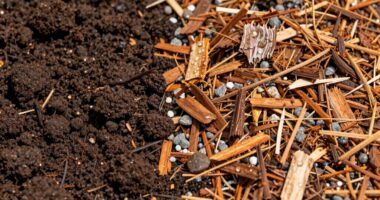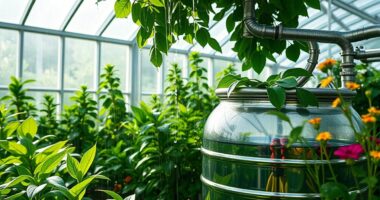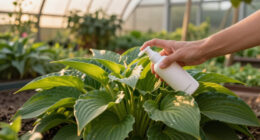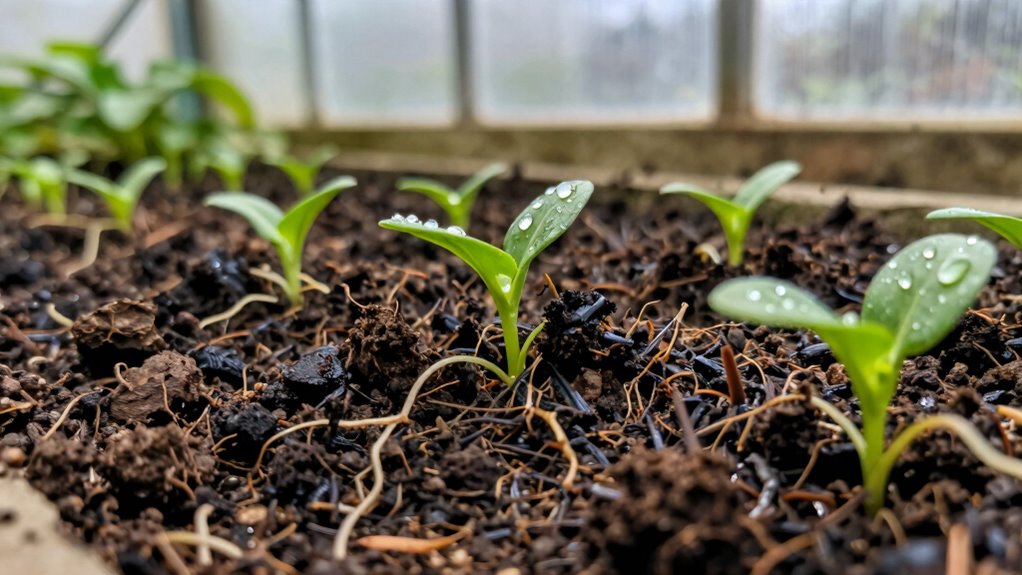

To support a stronger greenhouse, adopt good compost, soil, and water habits. Compost organic waste regularly to create rich fertilizer that improves soil structure, boosts nutrients, and enhances water retention. Test your soil often to adjust nutrients properly, preventing runoff and promoting plant health. Water deeply but infrequently, using mulching and rainwater collection to conserve water and maintain moisture. Keep these habits in mind, and you’ll discover how to build a resilient, thriving greenhouse ecosystem.
Listen free for 30 days with Audible
Thousands of audiobooks and originals — cancel anytime.
As an affiliate, we earn on qualifying purchases.
Key Takeaways
- Regularly test and adjust soil nutrients to optimize plant growth and soil health.
- Incorporate compost rich in organic matter to improve soil structure and supply essential nutrients.
- Use deep, infrequent watering combined with rainwater collection to conserve water and promote strong roots.
- Mulch to retain moisture, regulate soil temperature, and suppress weeds, supporting plant resilience.
- Prioritize natural pest control and sustainable practices to maintain a healthy, balanced greenhouse ecosystem.
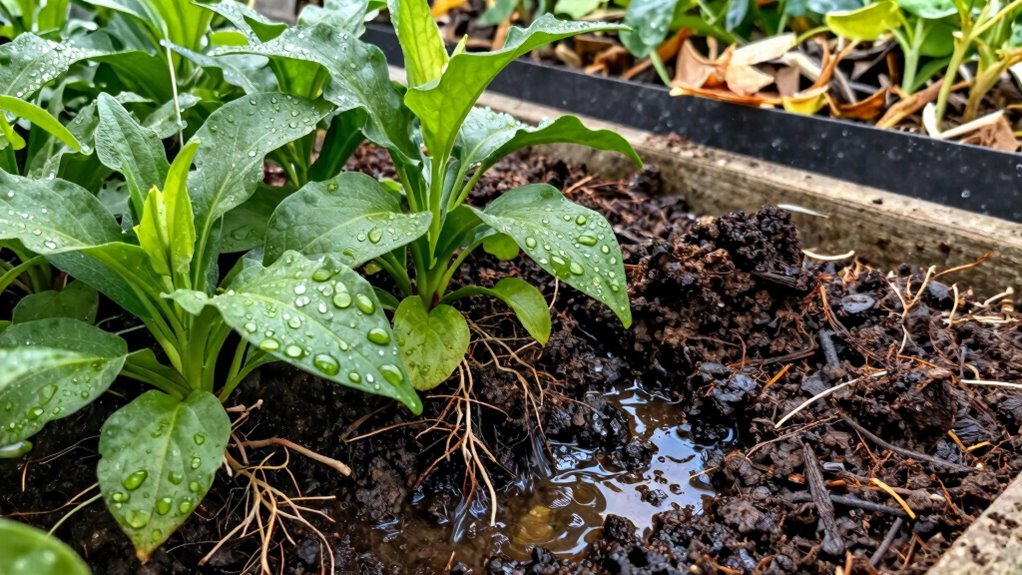
Have you ever wondered how small changes in your daily habits can make a big difference for the environment? When it comes to supporting a stronger greenhouse, your approach to compost, soil, and water habits plays an essential role. By adopting effective plant nutrient management and pest control strategies, you not only improve plant health but also reduce environmental impact. These habits help create a sustainable cycle that benefits your greenhouse and the planet.
Starting with compost, you can turn organic waste into a rich, natural fertilizer. This reduces landfill waste and supplies your plants with vital nutrients, reducing the need for chemical fertilizers. Proper composting also improves soil structure, increasing its ability to retain water and aerate roots. When you manage compost effectively, you’re actively supporting soil health, which is fundamental for a thriving greenhouse. Additionally, composting can help sequester carbon in the soil, contributing to climate change mitigation. Incorporating compost into your routine isn’t just about recycling; it’s about building a resilient ecosystem for your plants.
Turning organic waste into compost boosts soil health and reduces landfill waste for a thriving greenhouse ecosystem.
Furthermore, composting can be enhanced by understanding the carbon sequestration process to maximize environmental benefits. Additionally, composting can help sequester carbon in the soil, contributing to climate change mitigation.
Soil health is at the core of a productive greenhouse. You should focus on plant nutrient management to guarantee your plants get the right nutrients at the right time. This means testing your soil regularly and adjusting your amendments accordingly. Over-application of fertilizers can lead to runoff, polluting nearby water sources, so precise nutrient management is vital. Healthy soil also acts as a natural barrier against pests and diseases. When you maintain ideal soil conditions, you’re less reliant on chemical pest control strategies, which can harm beneficial insects and the environment. Instead, you can encourage natural pest regulation by fostering a diverse soil microbiome, which suppresses harmful pests and promotes plant vigor. Additionally, practicing sustainable gardening methods can further enhance soil resilience.
Water habits are equally important. Responsible water use means watering deeply and infrequently, encouraging strong root growth and reducing water waste. Collecting rainwater is an excellent way to supplement your watering needs without relying solely on municipal sources. Using mulch helps retain moisture, moderates soil temperature, and suppresses weeds. When you practice mindful watering, you’re conserving water, lowering your utility bills, and preventing runoff that could carry pollutants into local waterways. Incorporating water conservation techniques can further reduce your environmental footprint.
Together, these habits form a complete approach to maintaining a healthy greenhouse. Implementing effective plant nutrient management reduces the need for chemical inputs, while pest control strategies that prioritize natural enemies and cultural practices keep pests in check without harmful chemicals. Compost, soil, and water habits aren’t isolated actions; they work in tandem to support a resilient, productive green environment. By making these small yet deliberate changes, you’re contributing to a greener future—one plant, one watering, and one compost bin at a time.

Utopia Kitchen Countertop Compost Bin 1.3 Gallon, Stainless Steel, Silver
- Capacity: 1.3 Gallon stainless steel bin
- Durable Material: Made from scratch-resistant stainless steel
- Odor Control: Includes charcoal filters for smell management
As an affiliate, we earn on qualifying purchases.
As an affiliate, we earn on qualifying purchases.
Frequently Asked Questions
How Often Should I Turn My Compost Pile?
You should turn your compost pile about once a week to maintain proper compost turning frequency. This helps guarantee good compost pile aeration, preventing odors and speeding up decomposition. Regular turning mixes the materials, introduces oxygen, and balances moisture levels, which is vital for healthy composting. If your pile heats up or smells, increase the frequency of compost turning to keep the process efficient and produce rich, healthy soil faster.
What Are Signs of Nutrient Deficiency in Soil?
If you notice yellowing leaves, stunted growth, or poor flowering, your soil might have nutrient deficiencies. To confirm, perform soil testing to identify specific lacking nutrients. Based on results, you can provide targeted nutrient supplementation, like adding compost, organic fertilizers, or mineral amendments. Regular testing helps you monitor soil health, ensuring your plants get the right nutrients to thrive and preventing deficiencies before they become serious.
How Can I Reduce Water Evaporation in My Greenhouse?
To reduce water evaporation in your greenhouse, try using mulching techniques like straw or wood chips around your plants. These help retain moisture and keep the soil cooler. Additionally, implement water retention methods such as drip irrigation or cover the soil with plastic sheeting during hot days. These strategies guarantee your plants get consistent moisture, reduce water loss, and promote healthier growth inside your greenhouse.
Is Rainwater Suitable for Watering Plants?
Yes, rainwater is suitable for watering your plants. Using rainwater harvesting helps you collect natural, chemical-free water, promoting water conservation. It’s an eco-friendly choice that reduces your reliance on municipal water sources and minimizes runoff. Make sure to filter the rainwater to remove debris and contaminants before use. Incorporating rainwater into your watering routine supports healthier plant growth and contributes to sustainable gardening practices.
How Do I Prevent Soil Compaction Over Time?
Did you know soil compaction can reduce plant growth by up to 50%? To prevent this, focus on soil aeration by avoiding heavy foot traffic and machinery on your beds. Incorporate organic matter regularly to improve structure, and use mulch to maintain moisture and prevent crusting. Rotate crops and avoid working the soil when it’s wet, as these habits help in compaction prevention and keep your soil healthy over time.
Conclusion
By adopting simple compost, soil, and water habits, you can greatly boost your greenhouse’s health. For instance, imagine a gardener who started composting kitchen scraps and watering wisely—soon, her plants grew stronger and yielded more. You can do the same by enriching your soil and conserving water, creating a thriving environment. Small changes make a big difference, helping your greenhouse flourish and supporting a sustainable, healthy future for your plants.
Flea & tick season Picks
flea and tick prevention
As an affiliate, we earn on qualifying purchases.