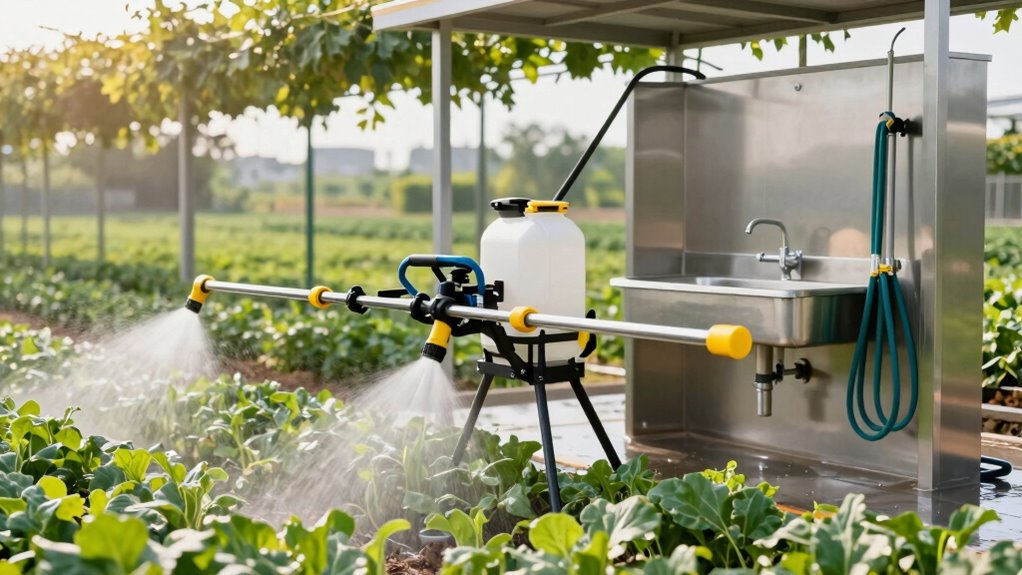

Sprayers and wash stations play a crucial role in preventing trouble by ensuring you can quickly and effectively decontaminate yourself, tools, and equipment after handling hazardous substances. They help you apply chemicals accurately, reducing waste and exposure risks. Well-maintained systems also catch malfunctions early, preventing accidents. Properly using and maintaining these safety tools keeps your environment safer and compliant with protocols. Keep exploring to uncover more ways these essential devices protect you and your team from hazards.
Key Takeaways
- Proper use and maintenance of sprayers and wash stations prevent chemical spills and cross-contamination.
- Regular inspection and calibration ensure accurate chemical application, reducing hazards.
- Strategically placed wash stations enable immediate decontamination, minimizing exposure risks.
- Routine cleaning and upkeep maintain equipment reliability, preventing malfunctions during critical operations.
- Adhering to safety protocols with these tools enhances overall safety and reduces operational trouble.
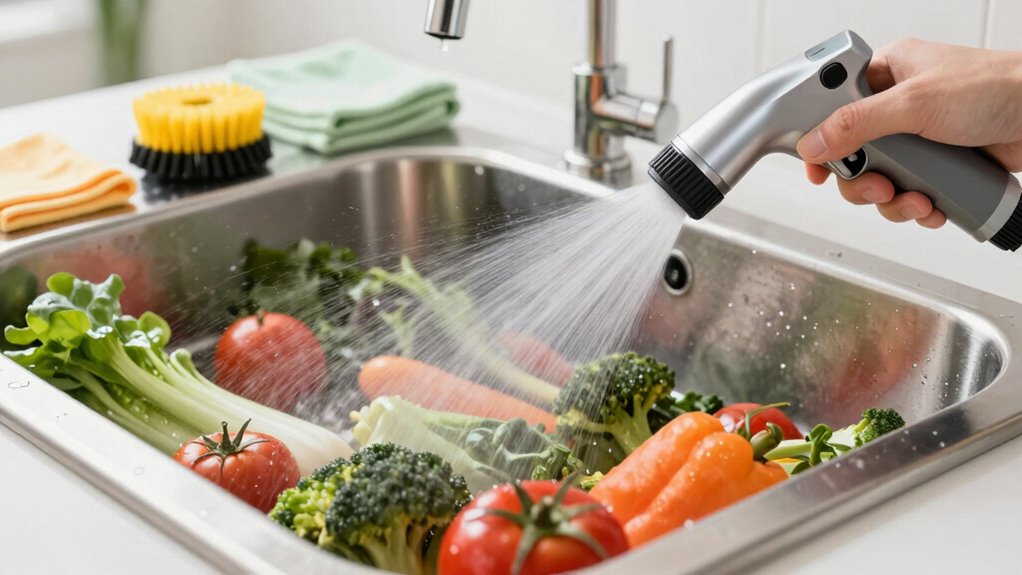
Sprayers and wash stations play a fundamental role in decontamination, especially in environments where exposure to hazardous substances is common. When you or your team finish handling chemicals, thoroughly washing hands, tools, or equipment helps remove residual contaminants. This simple act prevents cross-contamination and reduces the likelihood of accidental chemical exposure later on. Furthermore, wash stations should be strategically placed and regularly cleaned, so they’re always ready for immediate use. Properly maintained wash stations are indispensable for quick decontamination, which can be the difference between a minor incident and a serious safety hazard. Proper equipment maintenance is essential to ensure these safety measures remain effective and reliable. You also need to stay proactive with equipment maintenance. Regular checks, cleaning, and calibration of sprayers and wash stations ensure they operate as intended. Faulty equipment might not dispense chemicals evenly or could malfunction during use, increasing the risk of spills or exposure. By following a routine maintenance schedule, you keep your tools dependable and your safety measures effective. This proactive approach helps prevent trouble before it occurs, reducing downtime and avoiding costly repairs or safety violations. Additionally, proper chemical handling procedures are crucial for minimizing risks during decontamination, and understanding the importance of hazard communication can further improve safety practices. Implementing standard safety protocols** alongside these measures enhances overall protection. In essence, sprayers and wash stations are more than just tools—they’re a core part of your safety system. When you prioritize chemical safety and routine equipment maintenance, you create a safer, more efficient environment. You minimize hazards, protect your team, and ensure that safety protocols are consistently met. Maintaining these systems diligently isn’t just best practice; it’s an indispensable step in preventing trouble and ensuring smooth, safe operations. Regularly inspecting and calibrating sprayers** also helps ensure accurate chemical application, reducing waste and exposure.

Nanoskin 6-Pack Chemical Resistant Trigger Sprayer – Grey, 9 1/4" | High Output Spray Bottle, Adjustable Nozzle, Durable Construction, Ergonomic Design for Car Detailing, Cleaning, and Industrial Use
- Chemical Resistant Design: Withstands harsh chemicals including D-limonene
- High Output Spray: Delivers up to 40% more per stroke
- Durable Construction: Protects piston assembly for long-lasting use
As an affiliate, we earn on qualifying purchases.
As an affiliate, we earn on qualifying purchases.
Frequently Asked Questions
How Often Should Sprayers Be Cleaned and Maintained?
You should clean and maintain your sprayers regularly, ideally after each use, to guarantee peak performance. Follow your maintenance schedule and perform sprayer calibration periodically to keep applications accurate. Cleaning prevents clogs and buildup, extending equipment life and avoiding trouble during spraying. Establish a routine that includes thorough cleaning, inspection, and calibration, especially if you’re using different chemicals or working in varying conditions, to maintain efficiency and safety.
What Types of Contaminants Can Wash Stations Remove Effectively?
Wash stations effectively remove contaminants like chemical residues and biological agents from equipment surfaces. They help eliminate harmful chemicals, dirt, and organic matter, reducing the risk of cross-contamination. Regular use guarantees your sprayers stay clean and safe, preventing the spread of pests or diseases. By thoroughly rinsing equipment, you protect your crop quality and maintain a healthier environment, ultimately supporting consistent, trouble-free operations.
Are There Safety Guidelines for Using Sprayers and Wash Stations?
You should always follow safety guidelines when using sprayers and wash stations, as accidents can happen if mishandled. Did you know that 60% of chemical-related injuries occur due to improper use? Wear protective gear like gloves and goggles, and adhere to training procedures to guarantee safety. Regularly review safety protocols and stay updated on best practices to prevent injuries and maintain a safe working environment.
Can Wash Stations Be Used for Multiple Types of Equipment?
Yes, wash stations can be used for multiple types of equipment due to their universal applicability. However, you must consider equipment compatibility to prevent damage or contamination. Check if the wash station’s features suit each piece of equipment’s material and cleaning requirements. Properly adjusting settings and using compatible cleaning agents guarantees safe, effective cleaning across various tools and machinery, maximizing the station’s versatility and maintaining equipment integrity.
What Are the Costs Associated With Installing These Systems?
Installing sprayers and wash stations is like planting a seed; initial costs can vary widely. You’ll face installation costs, which depend on system size and complexity, plus ongoing maintenance expenses to keep them running smoothly. While upfront investment might seem steep, think of it as safeguarding your equipment and reducing trouble in the long run. Budget wisely, considering both initial setup and future upkeep, to guarantee maximum benefit.
Conclusion
By regularly using sprayers and wash stations, you considerably reduce the risk of trouble on the job. Some might think these tools are just extra steps, but they’re essential for keeping equipment clean and safe. Skipping them can lead to bigger issues down the line. So, don’t overlook their importance. Staying diligent with these simple practices keeps your work smooth, safe, and trouble-free—saving you time and headaches in the long run.