
To build a greenhouse care routine around your plants’ needs, focus on establishing consistent habits like regular watering, pest inspections, and monitoring environmental conditions. Pay attention to soil moisture, temperature, and light levels, adjusting your care based on changes rather than your mood. Prioritize plant health over fleeting feelings, creating routines that become second nature. Keep an eye on plant signals and environmental shifts—if you continue, you’ll discover how to fine-tune your approach for long-term success.
Key Takeaways
- Establish a consistent schedule based on specific plant requirements for watering, lighting, and pest control.
- Monitor environmental conditions regularly to adjust routines according to temperature, humidity, and light levels.
- Prioritize routine tasks over mood, ensuring plants receive consistent care regardless of personal feelings.
- Use automated systems and tools to maintain steady care routines despite fluctuating energy or motivation.
- Regularly review and adapt your routine based on plant health and growth patterns, not emotional cues.

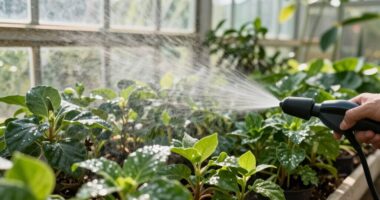
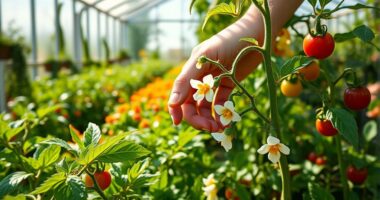
Creating a consistent greenhouse care routine is vital for healthy plants and a productive growing environment. When you base your routine on your plants’ needs rather than your mood, you set yourself up for success. Plants thrive when they receive regular attention, and establishing dependable habits ensures you catch problems early and promote steady growth. One of the most essential aspects of this routine is pest management. Instead of reacting to pests after they’ve taken hold, integrate proactive measures into your daily or weekly checks. Regular inspections allow you to identify early signs of pests like aphids, whiteflies, or spider mites. Use targeted treatments, such as organic insecticidal soap or introducing beneficial insects, at the first sign of trouble. Consistent pest management prevents infestations from escalating and keeps your plants healthy without relying on haphazard treatments.
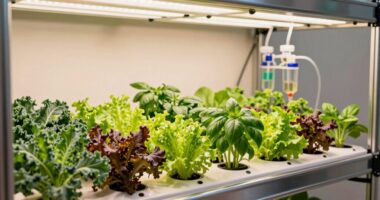
Equally important is developing a reliable watering schedule. Plants in a greenhouse often require specific moisture levels, which can fluctuate based on temperature, humidity, and plant type. Instead of watering based on how you feel or a rough guess, establish a schedule grounded in your plants’ actual needs. Use your observations—soil moisture levels, leaf health, and growth patterns—to determine when and how much to water. Stick to this routine as much as possible, adjusting only when environmental conditions change. This consistency prevents overwatering, which can lead to root rot, or underwatering, which causes stress and stunted growth. By aligning your watering habits with your plants’ requirements, you create a stable environment that encourages healthy development. Implementing climate control tools can further enhance this consistency by maintaining optimal conditions automatically. Additionally, understanding plant-specific needs helps tailor your routine more effectively, leading to healthier plants and a more efficient greenhouse operation. Regularly reviewing your routine and monitoring environmental changes ensures that your care approach remains effective over time.
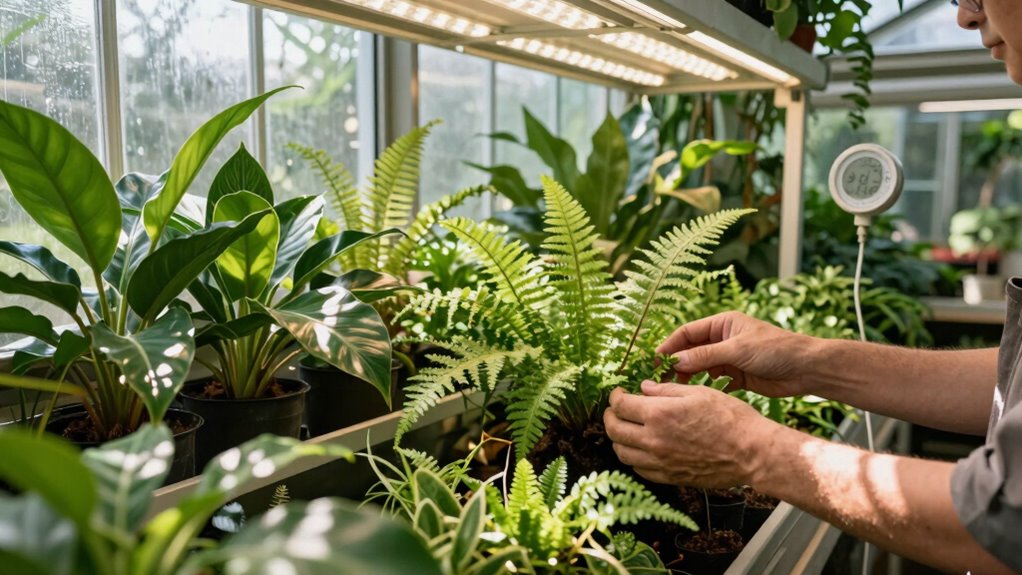
Building your care routine around plant needs also means paying attention to other factors like temperature, humidity, and light. When you prioritize these elements over fleeting moods, your plants flourish. Planning your watering and pest control tasks at predictable times helps create a rhythm that’s easy to maintain, even on busy days. It’s tempting to skip chores or delay treatments when you’re tired or distracted, but sticking to your routine ensures your plants don’t suffer from neglect. Incorporating smart appliances such as automated watering systems or climate controllers can further streamline this process and maintain optimal conditions. Regularly reviewing and adjusting your routine based on environmental factors ensures your greenhouse remains a thriving space. Over time, these disciplined habits become second nature, reducing stress and increasing your confidence as a grower. Remember, a routine rooted in your plants’ needs fosters a healthier, more productive greenhouse where both your plants and your skills can thrive.
greenhouse automatic watering system
As an affiliate, we earn on qualifying purchases.
As an affiliate, we earn on qualifying purchases.
Frequently Asked Questions
How Do I Adjust Watering Schedules for Different Plant Types?
To adjust watering schedules for different plant types, monitor soil moisture regularly using a moisture meter or finger test. Some plants prefer consistently moist soil, so water more frequently, while others thrive in slightly drier conditions, requiring less frequent watering. Observe how each plant responds and adjust water frequency accordingly. Remember, overwatering can harm your plants, so always let the soil dry out slightly between watering sessions for those that prefer it.
What Are Signs My Plants Need More or Less Light?
You’ll notice your plants need more or less light through their growth signs. If they’re stretching or leaning toward the light, they might need more, indicating their light requirements aren’t met. Conversely, yellowing or scorched leaves suggest too much light, requiring shade adaptation. Adjust your greenhouse environment accordingly, providing shade or increasing light exposure based on each plant’s specific light requirements, ensuring healthy, balanced growth.
How Can I Prevent Pests Without Harming My Plants?
To prevent pests without harming your plants, use biological controls like beneficial insects such as ladybugs and predatory mites that naturally target pests. Practice companion planting by pairing plants that repel pests with vulnerable species, creating a natural barrier. Keep your greenhouse clean and inspect regularly to catch issues early. These methods work harmoniously with your plants’ needs, reducing reliance on chemicals and ensuring healthy, pest-free growth.
When Is the Best Time to Fertilize Various Greenhouse Plants?
The best time to fertilize your greenhouse plants is during their active growth phase, typically in spring and early summer. Investigate if soil amendments and pest-resistant varieties are suitable for each plant, as these can reduce pest issues and improve nutrient uptake. Regular fertilization every few weeks guarantees healthy, vibrant growth, but avoid overfeeding. Watch your plants closely to adjust feeding schedules based on their specific needs and responses.
How Do I Manage Humidity Levels Effectively?
To manage humidity levels effectively, you should focus on humidity control and moisture regulation. Use a hygrometer to monitor humidity consistently, aiming for the ideal range for your plants. Increase humidity with a humidifier or misting system, especially during dry spells, and reduce it with exhaust fans or dehumidifiers during overly humid conditions. Proper airflow and ventilation are essential for maintaining balanced moisture levels, preventing mold, and supporting healthy plant growth.
Conclusion
By tuning into your plants’ needs rather than your mood, you create a care routine that’s as steady as the sunrise. Think of your greenhouse as an orchestra, where each plant’s requirements are a different instrument, harmonizing into vibrant growth. When you prioritize their well-being, your garden flourishes naturally, turning your greenhouse into a lush, thriving sanctuary. Remember, consistent care is the compass that guides your plants from sprout to splendor.