
The simple planning habit that cuts food waste at home is dedicating a few minutes each week to organize your inventory and plan meals based on what you already have. This helps you control portion sizes, use leftovers creatively, and avoid impulse grocery trips. By tracking expiration dates and making thoughtful menus, you’ll waste less food and save both money and space. Stay with us to discover how small habits can make a big difference in reducing waste.
Listen free for 30 days with Audible
Thousands of audiobooks and originals — cancel anytime.
As an affiliate, we earn on qualifying purchases.
Key Takeaways
- Develop a weekly meal plan based on existing ingredients to prevent overbuying and spoilage.
- Track inventory regularly to identify expiring items and prioritize their use.
- Use digital tools or apps to monitor food expiration dates and manage pantry organization.
- Dedicate a few minutes weekly to organize, plan, and update grocery lists, building sustainable habits.
- Incorporate leftovers creatively into new meals, reducing waste and maximizing ingredient use.
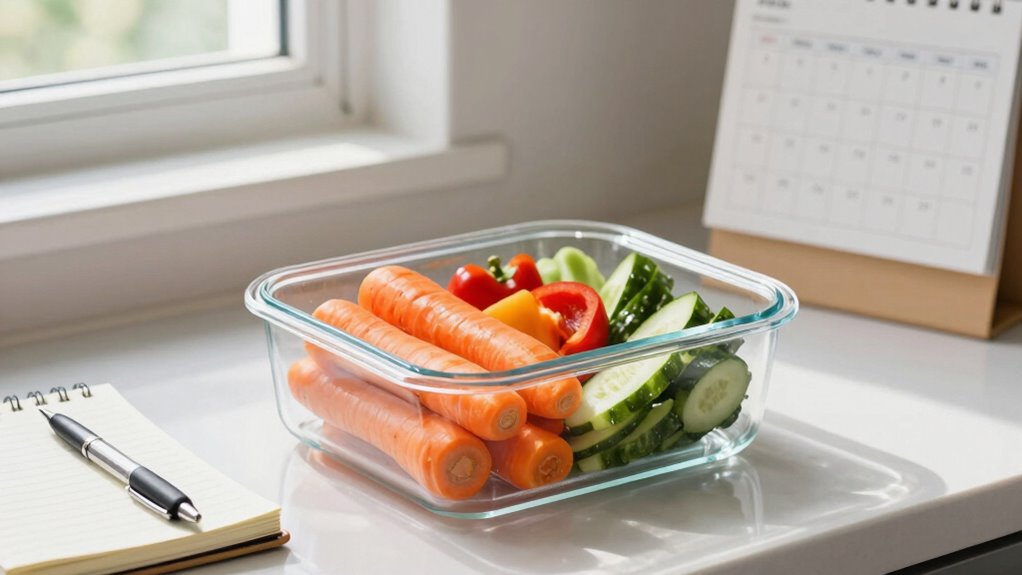
Reducing food waste doesn’t have to be complicated; sometimes, it just takes a simple planning habit. One of the most effective ways to do this is by incorporating regular meal prep into your routine. When you set aside time to prepare your meals in advance, you gain better control over what you’re cooking and how much you’re making. This helps prevent excess food from ending up in the trash because you’re more intentional about portion sizes and ingredients. Meal prepping also allows you to use leftovers efficiently, transforming what might have been wasted into new, tasty dishes. Plus, when you plan your meals ahead, you’re less likely to buy impulsively or pick up duplicate items at the store, which can lead to spoilage.
Another key component of reducing food waste is inventory tracking. Keeping an organized inventory of what you have in your pantry, fridge, and freezer means you’ll always know what’s available before shopping. This simple habit prevents you from buying items you already own but forgot about, reducing the chances of food expiring before you use it. When you regularly check your inventory, you can plan meals around what’s already there, minimizing unnecessary purchases. It also makes it easier to identify ingredients that need to be used soon, so you can incorporate them into your meal prep schedule before they spoil. By combining inventory tracking with meal planning, you create a streamlined process that keeps food moving rather than wasted. Establishing a routine for food management can further enhance your efforts and make these habits more sustainable over time. Incorporating technology tools such as apps can also help you stay on top of expiration dates and inventory updates. Additionally, understanding the shelf life of various foods can help you prioritize what to use first and prevent premature spoilage. Making these practices part of your kitchen organization helps reinforce their effectiveness and encourages consistency.
Getting into the habit of meal prep and inventory tracking doesn’t have to be overwhelming. Start small by dedicating 10 to 15 minutes weekly to organize your pantry and fridge. Make a list of what you have, and plan a few meals around those ingredients. When you prepare your meals ahead of time, you not only save time during busy weekdays but also reduce impulse buys and food that would otherwise go bad. As you get more comfortable, you can expand your system—maybe by using an app to track expiration dates or setting reminders to use perishable items. Over time, these habits become second nature, helping you cut down on waste and save money. Ultimately, a little planning goes a long way toward a more sustainable, clutter-free kitchen—and less food wasted.
As an affiliate, we earn on qualifying purchases.
Frequently Asked Questions
How Often Should I Review My Meal Plan?
You should review your meal plan weekly to stay on top of your goals and adjust as needed. During this review, incorporate meal prep strategies to streamline cooking and optimize your shopping list. This practice helps you avoid impulse buys, reduce food waste, and guarantee you’re buying only what you need. Regularly revisiting your plan keeps your food habits efficient, budget-friendly, and aligned with your lifestyle, making waste less likely.
What Tools Can I Use for Effective Meal Planning?
Think of tools as your trusty navigation compass for meal planning. Use apps like Paprika or AnyList to organize your grocery shopping lists and meal prep schedules. Digital calendars help you map out weekly menus, while meal planning templates streamline your prep process. With these tools, you’ll steer clear of food waste, stay organized, and make grocery shopping more efficient, turning meal planning into a breeze rather than a storm.
How Do I Handle Unexpected Food Leftovers?
When you have unexpected leftovers, start with proper leftover storage by refrigerating or freezing them promptly in airtight containers. Next, get creative with recipe repurposing—turn leftovers into new meals like soups, salads, or wraps. This approach minimizes waste and saves time. Regularly check your fridge for leftovers, and plan to use them soon to prevent spoilage. Embracing these habits helps you avoid unnecessary waste effortlessly.
Can Planning Reduce Food Waste in Large Households?
You can definitely reduce food waste in large households through planning. When you coordinate grocery shopping, you buy only what’s needed, preventing excess. Proper food storage keeps leftovers fresh longer, minimizing spoilage. It’s a coincidence that small adjustments—like meal planning and organizing your fridge—make a big difference. By being intentional about what you buy and how you store it, you’ll waste less and save money, even in a busy household.
How Do I Balance Meal Variety With Planning?
To balance meal variety with planning, focus on maintaining meal diversity while keeping ingredient flexibility. Plan a mix of different cuisines and dishes, but choose versatile ingredients that can be used in multiple recipes. This approach allows you to enjoy variety without overbuying or wasting food. Be adaptable—swap ingredients based on what’s available, ensuring your meals stay exciting yet efficient.
Conclusion
By adopting this simple planning habit, you’re planting seeds that will grow into a garden of less waste and more mindful eating. Every meal you plan is a brushstroke on the canvas of your home, shaping a cleaner, more sustainable future. When you take control of your food choices, you’re steering your ship away from the iceberg of waste, guiding toward a horizon where resources are cherished and preserved.
Flea & tick season Picks
flea and tick prevention
As an affiliate, we earn on qualifying purchases.