
TL;DR
California has implemented a policy change that lowers regulatory barriers for farmers seeking to install solar panels on farmland. This development aims to facilitate renewable energy adoption in agricultural areas, with confirmed details indicating a shift in local policy. The move could significantly impact farming and clean energy efforts, though some specifics remain unconfirmed.
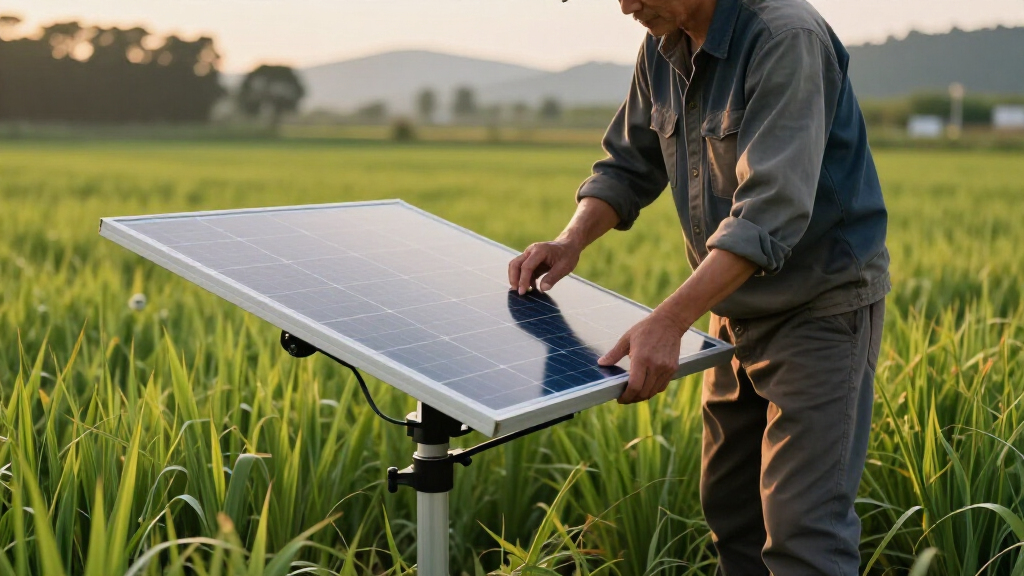
California has officially removed a key regulatory barrier for farmers wishing to install solar panels on their fields, according to local officials. The policy change aims to simplify the approval process and encourage renewable energy adoption in the agricultural sector, which is vital for the state’s climate goals and energy sustainability.
Under the new policy, farmers in California will face fewer regulatory restrictions when installing solar panels on farmland. The change was announced by state officials in March 2024 and is expected to streamline permitting procedures, reducing time and costs associated with solar projects. This initiative responds to growing interest among farmers to diversify income sources and contribute to California’s renewable energy targets.
While specific regulatory adjustments have not been detailed publicly, sources indicate that the policy may involve easing zoning restrictions and reducing environmental review requirements for solar installations on agricultural land. Industry experts and environmental advocates have welcomed the move, citing it as a significant step toward integrating renewable energy with farming practices.
Farmers, renewable energy companies, and local governments are now preparing for a potential increase in solar projects across California’s agricultural regions, which could lead to more sustainable farming practices and increased local renewable energy generation.
Potential Impact on California’s Renewable Energy and Agriculture
This policy change could accelerate the deployment of solar energy across California’s farmland, helping the state meet its climate commitments while providing farmers with new revenue streams. By lowering barriers, it may also set a precedent for other states to follow, promoting the integration of renewable energy infrastructure with agricultural land use. The move addresses both energy sustainability and economic resilience for farmers, aligning with broader environmental goals.
As an affiliate, we earn on qualifying purchases.
Growing Interest in Solar Farms on Farmland in California
California has seen a rising trend in installing solar panels on farmland, driven by the state’s aggressive renewable energy targets and farmers’ interest in diversifying income. Historically, regulatory and zoning restrictions have posed challenges, delaying or preventing solar projects on agricultural land. The recent spike in coverage interest reflects broader efforts to combine agriculture with renewable energy production, but regulatory hurdles have remained a significant obstacle.
In recent years, several local governments and environmental groups have advocated for policies that facilitate solar development on farmland, citing benefits such as reduced greenhouse gas emissions and increased farm income. However, the regulatory landscape has been complex, often requiring lengthy approval processes and environmental reviews, which have slowed project implementation.
The new policy signals a shift toward more streamlined procedures, although details on specific regulatory changes are still emerging. It is unclear whether this will apply statewide or be limited to certain regions or types of farmland.
Details of Regulatory Changes Still Unclear
It is not yet confirmed which specific regulations have been eased or eliminated, nor whether the policy applies uniformly across all California counties. The scope, implementation timeline, and potential limitations of the policy remain to be clarified by officials and regulatory agencies.
Additionally, it is unclear how local communities and environmental groups will respond to the changes, or if there will be any opposition or legal challenges to the new policy.
Next Steps in Policy Implementation and Monitoring
California regulators are expected to release detailed guidance on the new policy in the coming weeks, outlining specific regulatory adjustments and application procedures. Farmers and renewable energy developers will likely begin planning projects based on these updates.
Monitoring the policy’s impact on solar project deployment and farm income will be crucial, with state agencies and industry groups tracking progress over the next year. Public consultations and stakeholder feedback may also shape further policy refinements.
Key Questions
Will this policy apply to all farmland in California?
It is not yet confirmed whether the policy will be statewide or limited to specific regions or types of farmland. Details are still emerging.
What specific regulatory barriers are being removed?
Officials have indicated that zoning restrictions and environmental review requirements may be eased, but exact details are not yet publicly available.
How soon can farmers expect to start installing solar panels under this new policy?
Once detailed guidelines are released, farmers and developers could begin planning projects within a few months, depending on the approval process.
Could this lead to conflicts with local communities or environmental groups?
Potential opposition or concerns may arise, but specific reactions are not yet known. Stakeholder feedback will likely influence ongoing policy adjustments.
Does this mean California is officially promoting solar on farmland?
The policy indicates a move toward facilitating solar development on farmland, but the extent and specifics are still being clarified.
Source: local