
TL;DR

Get garden gear delivered free with Prime
- Fast, free delivery on millions of items
- Prime Video, Amazon Music and more included
- Member-only deals all year
A Country Living gardening report recommends three steps to reduce the risk of slug and snail damage to hostas next spring: remove yellowing or mushy leaves, look for overwintering pests and eggs nearby, and fit copper tape around pots. The measures may deter or reduce pests, but they cannot eliminate them; copper barriers do not kill slugs or snails.
Country Living has reported three steps gardeners can take now to reduce the risk of slug and snail damage to hostas next spring: remove yellowing or withered foliage, check nearby sheltered spots for overwintering pests and eggs, and put copper tape around container rims. The advice is aimed at reducing shelter and access, not eliminating slugs and snails.
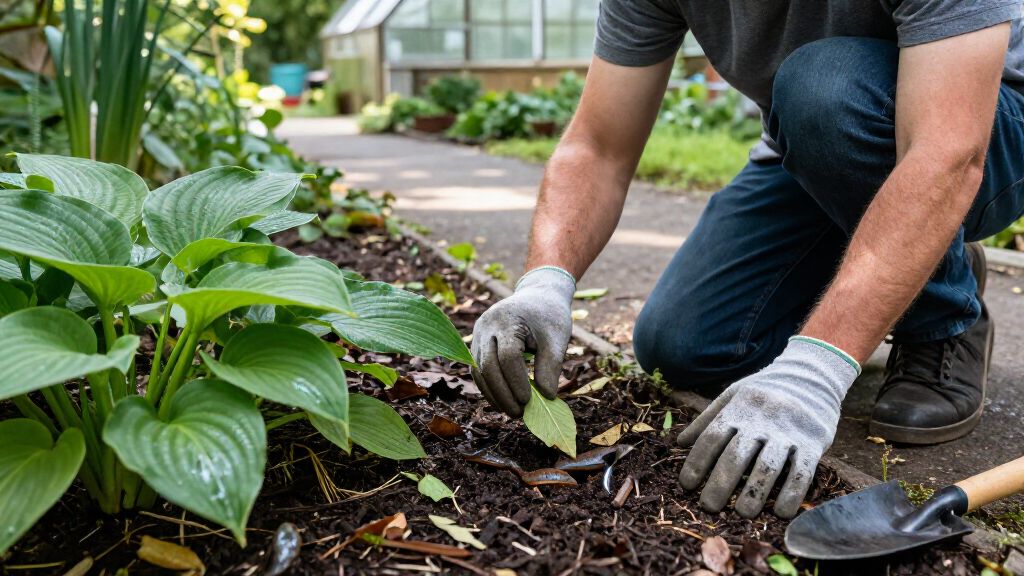
The report says autumn can be a period when slugs and snails lay eggs around hostas, particularly in cool, wet conditions, so these pest-prevention tasks may help reduce nearby shelter. It recommends using a rake to reach among plants and removing leaves that have turned yellow or withered. Soft, mushy leaves can be pulled away by hand. Clearing this older growth removes some of the cover pests may use near the plants.
Garden designer Andrew Marshall, founder of Go Wild Landscapes in Oxford, told Country Living that older hosta growth can offer slugs and snails shelter and warmth. The report also advises checking protected places close to hostas, including the undersides of pots, bricks, logs and boards, for snails or clusters of clear, bead-like eggs. Hand-picking snails at night is another suggested measure.
For potted hostas, the report recommends fitting copper tape completely around the rim. Andrew Salisbury, Head of Plant Health at RHS Garden Wisley, told the publication that copper has a repellent effect but does not kill the pests or reduce their numbers. He said barriers need to stay free of debris and fully encircle the container.
Reducing Shelter Around Hostas
Hosta leaves are vulnerable to feeding damage from slugs and snails, and damage can affect the appearance of foliage gardeners grow these perennials for. The advice focuses on preventive work before spring growth: clearing decaying leaves removes potential shelter, while checking nearby hiding places can reveal pests or eggs before the next growing season.
The measures have limits. The report says it is impossible to eradicate all slugs and snails through these steps. Copper tape is described as a barrier that may deter pests from reaching a potted plant, not as a treatment that kills them. Gardeners should treat the steps as ways to reduce risk, rather than a guarantee of undamaged hostas.
Products Worth Considering

Solo Stove Pi Prime Portable Propane Pizza Oven

Orbit B-hyve XD 4-Port Smart Hose Watering Timer with Wi-Fi Hub

EGO POWER+ Cordless Electric Leaf Blower 530 CFM with Battery (LB5302)
As an affiliate, we earn on qualifying purchases.
Autumn Checks Before Spring Growth
The report frames the recommendations as seasonal garden maintenance rather than a new pest-control product or a claim of guaranteed results. Its focus is on the period before hostas return to active growth in spring, when removing old foliage and inspecting nearby hiding places may help make the area less hospitable to pests.
Its advice distinguishes between hostas in beds and those in containers. In garden beds, the emphasis is on removing dying leaves and inspecting sheltered ground-level objects. For container plants, copper tape can provide a physical barrier, provided it forms a complete, unobstructed circuit around the pot.
“Slugs and snails love to hide around these plants as they provide great shelter as well as being a few degrees warmer than elsewhere.”
— Andrew Marshall, founder of Go Wild Landscapes in Oxford, speaking to Country Living
Limits of the Prevention Advice
The report does not quantify how much the three steps reduce hosta damage, or provide trial results comparing treated and untreated plants. It also does not establish that any one measure will prevent damage in a particular garden. Slug and snail activity depends on local conditions, and the source says gardeners cannot remove every pest through the suggested actions.
The advice does not specify how often to inspect beds or how long a copper barrier remains effective. It does state that tape should be kept clear of debris and should fully encircle the pot. Readers should not interpret the recommendations as a guarantee that hostas will be free of damage next spring.
Repeat Checks As Growth Returns
Gardeners following the report can remove decaying foliage and inspect sheltered spots during autumn, then check hostas again as spring growth begins. For potted plants, they can maintain the copper barrier by clearing debris and checking that there are no gaps around the rim.
The report offers no follow-up data on outcomes, so the effect of these steps will vary by garden and remain unmeasured in the source material. Ongoing observation of the plants and nearby hiding places will show whether additional pest management is needed.
Key Questions
What are the three recommended steps?
Remove yellowing or withered hosta leaves, inspect sheltered areas nearby for snails and eggs, and place copper tape around the rim of pots. These steps are intended to reduce shelter or deter access, not eliminate all pests.
When should gardeners remove old hosta leaves?
The Country Living report recommends doing this in autumn, before spring growth returns. Use a rake to reach between plants, or pull away leaves that are soft and mushy.
Does copper tape kill slugs and snails?
No. Andrew Salisbury of RHS Garden Wisley told Country Living that copper can have a repellent effect but does not kill the pests or reduce their numbers. The tape should fully encircle the container and be kept free of debris.
Where should gardeners look for overwintering snails or eggs?
The report suggests checking protected places near hostas, including beneath pots, containers, bricks, logs and boards. It describes the eggs as clear, bead-like clusters and also suggests hand-picking snails at night.
Source: countryliving.com