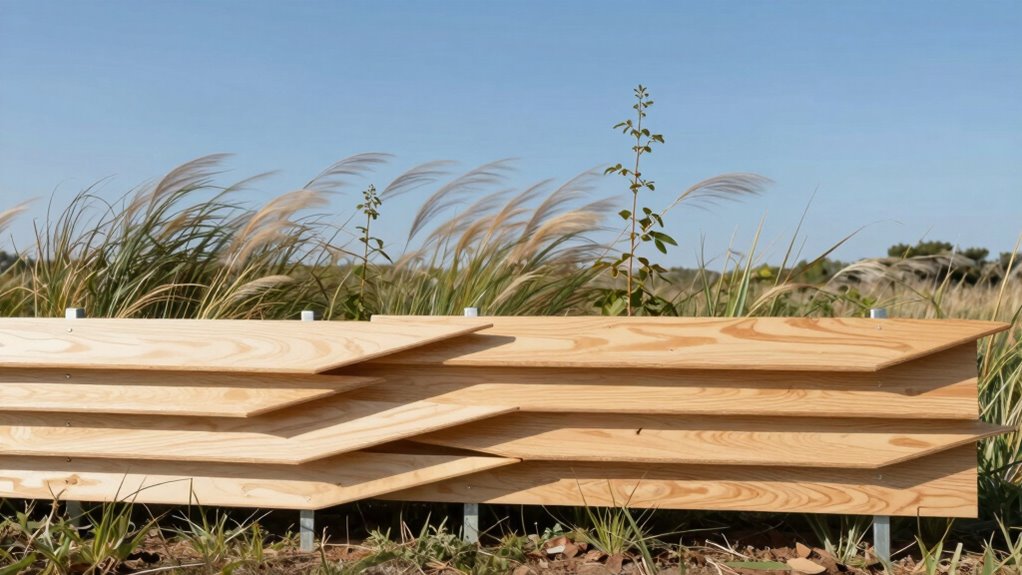

Many DIY builders forget key wind-proofing steps like properly anchoring foundations, reinforcing joints and edges, and choosing wind-resistant materials. Natural barriers such as shrubs, trees, or hills can also help deflect strong gusts, but they’re often overlooked. Regular checks and maintenance are essential to catch and fix weak spots before storms hit. If you want your project to withstand the wind, understanding these overlooked techniques will give you a stronger, safer build.

Get garden gear delivered free — and shop member deals
- Fast, free delivery on millions of items
- Access to Prime Big Deal Days deals on October 6–7
- Prime Video, Amazon Music and more included
Key Takeaways
- Reinforce foundation anchors and ensure deep, secure embedding to prevent shifting during strong winds.
- Use sturdy fasteners like bolts and heavy-duty nails for all structural connections to resist wind-induced movement.
- Incorporate natural windbreaks such as trees, shrubs, or landscape features to reduce wind impact on the structure.
- Seal joints and edges with weather-resistant sealants and additional bracing to prevent wind entry and material fatigue.
- Regularly inspect and promptly repair any loose panels, gaps, or damages to maintain windproof integrity over time.
Why Wind-Proofing Your DIY Projects Matters
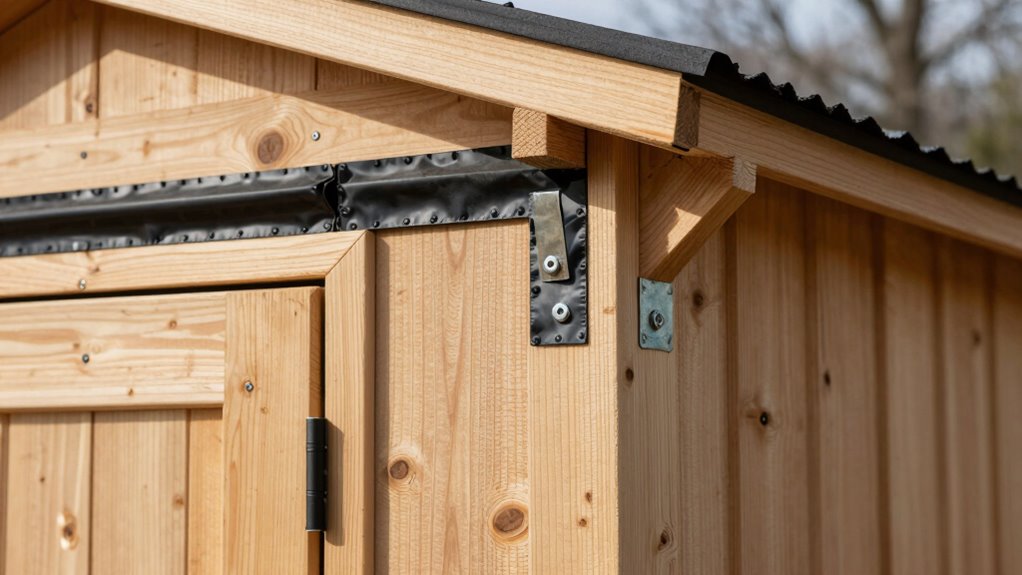
Wind-proofing your DIY projects is vital because strong gusts can easily damage or topple structures not built to withstand them. Ignoring wind resistance can lead to costly repairs or complete failure. Addressing ventilation concerns is essential, as poorly vented structures may build up pressure or moisture, weakening materials over time. Proper ventilation also helps prevent mold and maintains air quality. Additionally, aesthetic considerations matter — you want your project to look good without sacrificing durability. Thoughtful design choices, like aerodynamic shapes or windbreaks, can minimize wind impact while maintaining visual appeal. Incorporating wind-resistant features into your design can significantly enhance the stability of your structure during storms. Understanding the importance of material selection is crucial, as using appropriate materials can greatly improve your project’s wind resistance. Implementing proper construction techniques is also key to ensuring your build can withstand adverse weather conditions. Using reinforced joints and secure fastenings can further improve your project’s resilience against wind loads. Considering local wind patterns during planning can help you anticipate and mitigate potential issues. By prioritizing wind-proofing, you ensure your build remains stable, safe, and visually pleasing, even during storms. This proactive approach saves you time, money, and frustration in the long run.
How to Secure Anchor Points and Foundations Properly

To guarantee your structure stays put during strong winds, you need to choose the right anchor materials and place your foundations correctly. Reinforcing your connections will make everything more stable and resistant to movement. Paying attention to these key points helps you build a wind-proofed base that lasts. Using high-quality anchoring techniques and ensuring proper foundation placement will provide the necessary stability. Proper mount and tripod setup is also crucial for maintaining stability in adverse conditions. Incorporating load‑planning tools can help you determine the appropriate foundation size and anchoring method for your specific environment. Additionally, selecting appropriate materials designed for wind resistance enhances overall stability.
Selecting Strong Anchor Materials
Are you choosing the right materials to anchor your DIY structure securely? Your choice of anchor material selection directly impacts foundation integrity and overall stability. Use durable, weather-resistant materials like galvanized steel, concrete, or high-strength synthetic ropes to withstand wind forces. Avoid weak or corrodible options that can deteriorate over time, compromising your build’s safety. Consider the load-bearing capacity of your anchors and match them to your structure’s size and expected wind exposure. Properly selected materials ensure your foundation remains solid and resistant to shifting or failure. Remember, investing in high-quality anchors pays off by providing long-lasting support and peace of mind during storms. Additionally, choosing environmentally sustainable raw materials that are environmentally sustainable can contribute to a more resilient and eco-friendly build. Selecting the right anchor points and foundation materials is essential for wind-proofing and long-term durability. Incorporating tested and certified hardware can further enhance the safety and reliability of your anchoring system. To further enhance your building’s resilience, consider researching testing standards and certifications to ensure your materials meet industry safety requirements.
Proper Foundation Placement Techniques
Proper foundation placement is crucial for ensuring your anchors hold firmly against wind forces. You need to carefully select a level, stable surface and dig foundations deep enough to prevent shifting. When positioning anchors, consider the wind direction and load points, securing them with concrete or heavy-duty posts. Remember, the foundation’s integrity influences the overall strength of your structure, so proper placement minimizes movement and increases durability. While aesthetic enhancements and decorative finishes can improve your build’s look, they shouldn’t compromise stability. Confirm that your foundation work is precise before adding decorative elements, as improper placement can undermine wind resistance. Understanding soil stability and how it affects foundation performance is essential for long-term resilience. Properly assessing soil types can help you choose the best foundation method for your site. Taking these steps guarantees your DIY build remains resilient, protecting both your investment and your safety during strong gusts. Ensuring proper drainage around your foundation helps prevent erosion and maintains stability over time. Additionally, understanding how Glycolic Acid can improve skin texture and resilience might be beneficial for those working long hours on their builds, as healthy skin can help prevent irritation from environmental elements.
Reinforcing Structural Connections
Ever wondered how to guarantee your anchor points and foundations stay secure under strong wind forces? Reinforcing structural connections is essential for withstanding wind load. Start by ensuring all joints are properly reinforced with sturdy fasteners, such as bolts or heavy-duty nails, rather than relying on basic nails alone. Use joint reinforcement techniques like metal brackets or gussets to distribute wind load evenly across connections. Confirm that foundation anchor points are deeply embedded and securely fastened to resist uplift and lateral forces. Regularly check for signs of stress or loosening, especially after storms. Proper reinforcement of joints and secure foundations prevent weak spots that could fail under wind pressure, keeping your build stable and safe during high winds.
Reinforce Walls and Edges to Resist Strong Winds
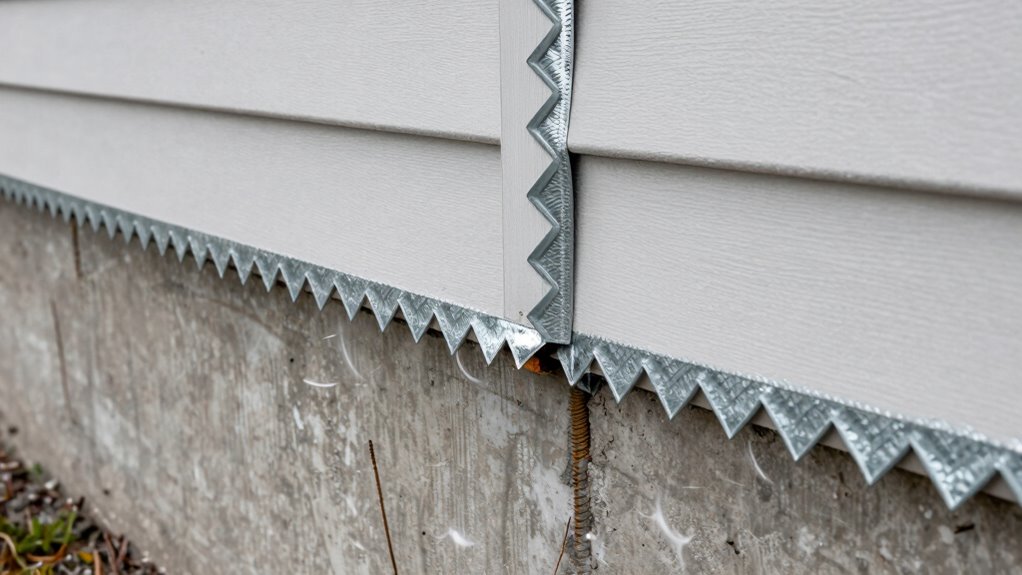
To effectively resist strong winds, reinforcing your walls and edges is essential. You need to guarantee these areas withstand gusts without compromising safety precautions or aesthetic considerations. Strengthen edges with additional bracing or sealants to prevent wind entry and structural failure. Be mindful of how reinforcement impacts the overall look; choose materials that blend seamlessly. Consider this table for deeper understanding:
| Reinforcement Method | Safety Precautions | Aesthetic Considerations |
|---|---|---|
| Metal Brackets | Secure tightly, avoid sharp edges | Discreet placement, matching paint |
| Reinforced Corners | Use safety gear during installation | Minimal visible hardware |
| Edge Sealants | Ventilate area properly | Clear or paintable finish |
| Additional Sheathing | Follow safety guidelines | Maintain clean, uniform surface |
| Wind Breaks | Ensure stability | Integrate naturally into design |
Proper reinforcement boosts wind resistance while respecting safety and style. Additionally, selecting appropriate materials that are both durable and visually appealing can significantly enhance the overall effectiveness of your wind-proofing efforts. For example, using high-quality sealants can improve longevity and weather resistance. Incorporating additional fastening techniques can further strengthen the structure against unexpected gusts. Moreover, staying informed about latest wind-resistant practices can help you adapt your strategies as needed, ensuring your build remains wind-proof over time.
Choose the Right Materials for Better Wind Resistance
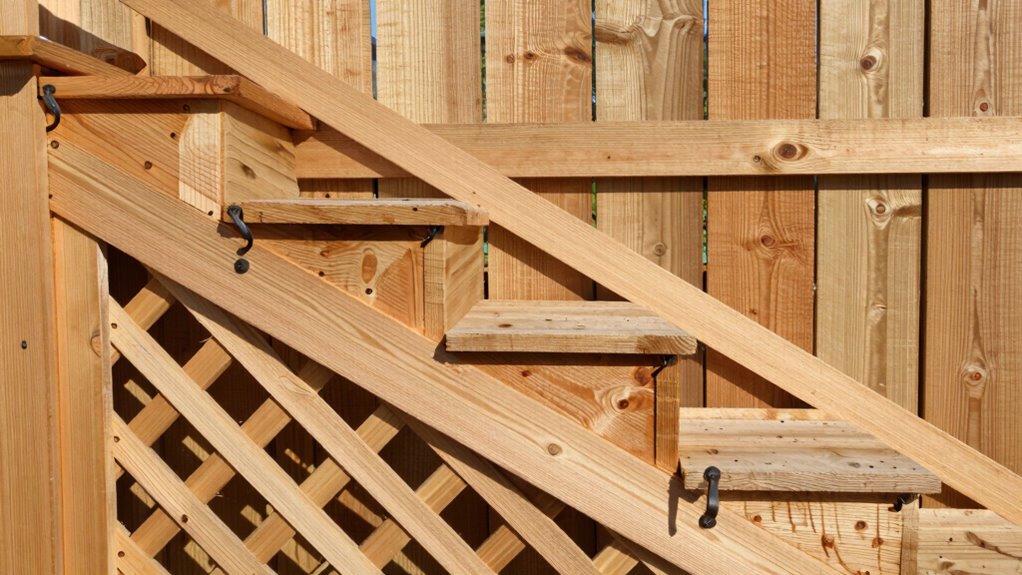
Selecting the right materials can markedly enhance your build’s wind resistance. Opt for materials known for their durability, such as treated wood, steel, or high-quality composites, which withstand strong gusts without damage. These materials maintain structural integrity over time, reducing the risk of failure during storms. Additionally, consider aesthetic appeal; choosing materials that blend well with your environment ensures your project looks good while performing effectively. Avoid lightweight or flimsy options that can easily falter under wind pressure. By choosing sturdy, weather-resistant materials, you create a resilient structure that stands firm against high winds. Investing in durable, visually appealing materials ultimately saves you time and money by reducing repairs and maintaining your build’s integrity in challenging conditions. Durability and strength are essential factors to consider when selecting materials for wind resistance.
Use Windbreaks and Natural Barriers Effectively

Utilizing windbreaks and natural barriers is one of the most effective ways to shield your DIY build from strong winds. By focusing on landscape integration, you can incorporate existing natural features like trees, shrubs, or hills to create natural sheltering. Strategically placing these barriers reduces wind speed around your structure, minimizing potential damage. Consider planting dense vegetation on the windward side or positioning your build behind a natural hill or rocky outcrop. These elements act as buffers, redirecting and dissipating wind energy before it reaches your build. Proper landscape integration not only enhances wind resistance but also blends your project seamlessly into the environment. Use natural sheltering to your advantage for a cost-effective, eco-friendly windproofing solution that complements your landscape.
Regularly Check and Maintain Your Build to Stay Wind-Resistant
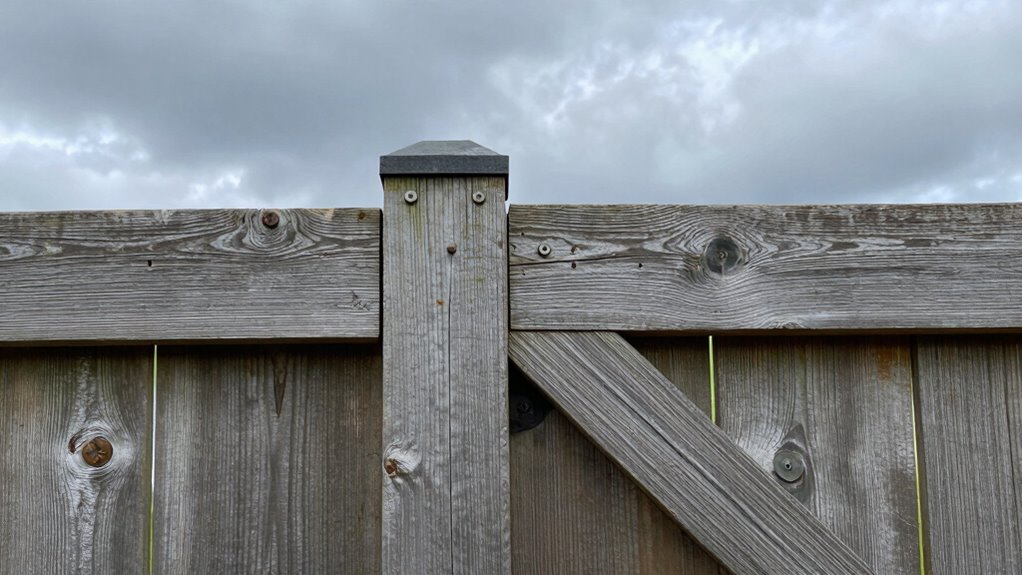
Maintaining your build’s wind resistance requires regular inspections and prompt repairs. Over time, wear and tear can compromise your DIY aesthetics, making your structure more vulnerable. Check for loose panels, gaps, or damaged seals that could let in wind. Pay attention to the integrity of your interior decor, as shifting or damage might indicate underlying issues. Staying proactive helps you catch problems early and keeps your build performing at its best. Regular maintenance doesn’t just improve durability; it also preserves the visual appeal of your project. Keep tools handy to seal cracks or reinforce weak points quickly. By staying diligent, you ensure your DIY build remains wind-resistant, safe, and visually appealing—ready to withstand gusts without compromising its aesthetic charm.
Frequently Asked Questions
How Do I Identify Potential Wind Weak Points in My Project?
You identify potential wind weak points by conducting a wind load analysis on your project. Look for areas where structural stress concentrates, such as joints, corners, and thin materials. Check for gaps or loose connections that could fail under strong wind. By carefully evaluating these areas, you can reinforce them, ensuring your build withstands wind pressure and avoids potential damage or collapse during storms.
What Tools Are Best for Reinforcing Wind-Resistant Structures?
Think of your project as a sturdy vessel facing a storm; the right tools are your anchor. Use storm-resistant fasteners like galvanized screws and bolts to secure joints. Incorporate reinforced sealing with weatherproof caulks and tapes to prevent air leaks. A power drill, impact driver, and caulking gun are essential. These tools help you strengthen connections, ensuring your structure withstands strong winds and keeps your efforts safe and durable.
Can Weather Conditions Affect the Durability of Wind-Proofing Materials?
Weather conditions definitely impact the durability of wind-proofing materials. Harsh conditions like heavy rain, snow, or extreme winds challenge their weather resilience, causing wear and tear over time. You should choose materials designed for longevity in your climate, ensuring they resist moisture, UV rays, and temperature fluctuations. Proper installation also boosts material longevity and overall wind resistance, helping your structure stay resilient despite changing weather patterns.
How Often Should I Reassess My Build’s Wind Resistance?
Like a trusty steed, your build needs regular care. You should reassess its wind resistance every six to twelve months, especially after severe weather. Stick to a maintenance schedule to catch any wear and tear early, ensuring material longevity. Keep an eye on the integrity of your wind-proofing measures, and don’t hesitate to reinforce or replace parts as needed. Consistent checks help your project withstand even the fiercest gusts.
Are There Specific Design Features That Improve Wind Resilience Naturally?
You can naturally improve wind resilience by choosing aerodynamic design features and considering aesthetic considerations that promote airflow, like streamlined shapes. Opt for sturdy material selection, such as reinforced wood or metal, to withstand strong gusts. Incorporate features like bracing and anchoring systems that blend with your design for both functionality and aesthetics. These choices help your build resist wind forces while maintaining visual appeal.
Conclusion
Think of your DIY project as a ship sailing through unpredictable storms. By wind-proofing it properly, you’re not just patching up cracks — you’re strengthening its hull against the fiercest gusts. Don’t forget to secure anchor points, reinforce walls, choose the right materials, and maintain regularly. With these steps, your build becomes a resilient vessel, ready to face whatever gusts come its way. Stay vigilant, and your project will stand tall against the winds of change.
Fall yard work Picks
leaf blowers
As an affiliate, we earn on qualifying purchases.