To keep your hydroponic reservoir stable without daily drama, focus on essential components like proper nutrient blending, aeration, and reliable pumps. Regularly monitor pH, EC, and temperature to catch issues early. Automate your system with sensors and automatic adjustments to minimize manual work and human error. Routine cleaning and water top-offs help prevent problems. Stay consistent, and you’ll enjoy a smoother, more productive setup—continue to explore these tips to master reservoir management.
Key Takeaways
- Regularly monitor and maintain pH, EC, and temperature to prevent nutrient imbalances and plant stress.
- Use automated sensors and systems for real-time adjustments, reducing manual oversight and errors.
- Keep the reservoir clean by routine cleaning and algae prevention to ensure stable water quality.
- Properly mix nutrients and top off water consistently to avoid stratification and fluctuations.
- Incorporate aeration and reliable circulation pumps to maintain oxygen levels and prevent stagnation.

pH Meter for Hydroponics PPM EC Meter for Plant Nutrients Simultaneous Measurement of pH Conductivity TDS Temperature for Reservoir Tank Water DWC Aeroponic Garden Indoor Outdoor Growing
{One-click access to the temperature pH EC value of hydroponic nutrients solution} YINMIK 4-in-1 pH EC tester is…
As an affiliate, we earn on qualifying purchases.
As an affiliate, we earn on qualifying purchases.
Identify the Essential Components of a Stable Hydroponic Reservoir

A stable hydroponic reservoir relies on several essential components working together to maintain ideal plant growth. First, effective nutrient blending ensures your plants receive the right balance of minerals and elements. Proper mixing prevents nutrient stratification and ensures consistent delivery. Reservoir aeration is also crucial; it introduces oxygen into the solution, promoting healthy root respiration and preventing stagnation. An aeration system, like air stones or diffusers, keeps oxygen levels high and the water well-oxygenated. Additionally, a reliable pump circulates the nutrient solution, avoiding dead zones. By focusing on nutrient blending and reservoir aeration, you create a balanced environment that supports vigorous growth, minimizes risks of disease, and reduces the need for constant adjustments. Incorporating modern automation technology can further optimize your reservoir management, making maintenance more efficient and reducing manual intervention. These components are vital for a resilient, low-maintenance hydroponic system.
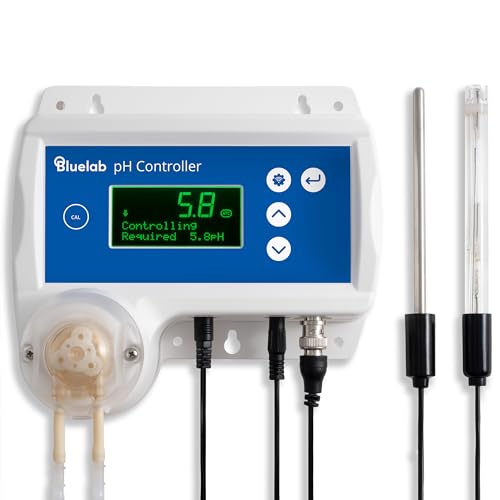
Bluelab pH Controller Wi-Fi 24/7 Reservoir Monitoring for pH with Automated Nutrient Dosing, Edenic Integration, Replaceable Probes Safety Features Optimal for Hydroponics & Indoor Plants
Remote pH Management System: This state-of-the-art system offers 24/7 control of your reservoir's pH levels directly from your…
As an affiliate, we earn on qualifying purchases.
As an affiliate, we earn on qualifying purchases.
Set Up Your Reservoir for Consistent Water and Nutrient Levels
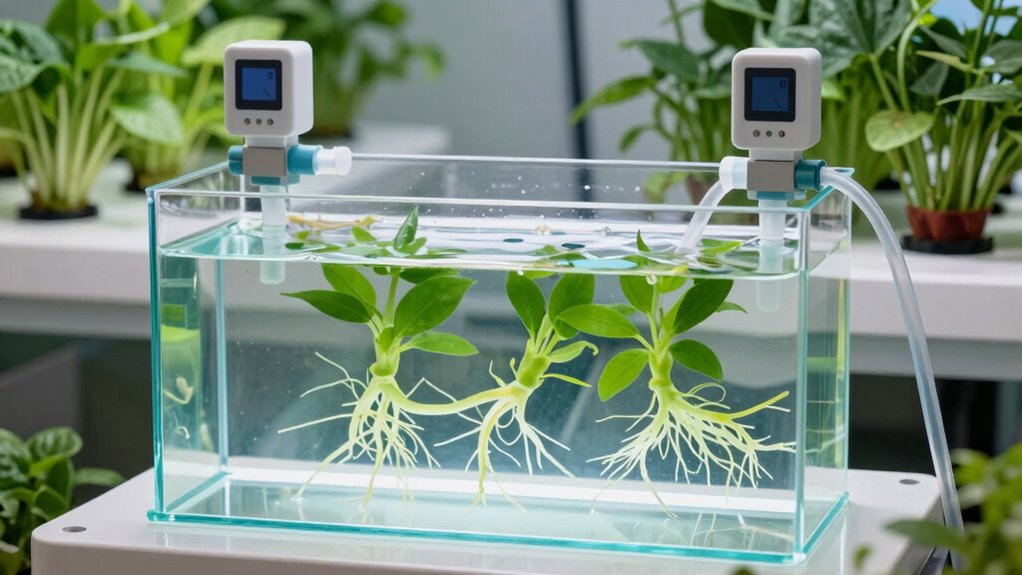
To maintain healthy plant growth in your hydroponic system, it’s important to set up your reservoir to keep water and nutrient levels steady. Start by ensuring proper nutrient mixing; thoroughly combine nutrients with water to prevent uneven distribution that could harm your plants. Regularly check and top off your reservoir to compensate for evaporation and plant uptake, maintaining consistent levels. Reservoir cleaning is essential—frequently remove algae, build-up, and debris that can clog pumps or alter nutrient balance. Use gentle cleaning agents and rinse thoroughly to avoid contaminating your solution. A well-maintained, clean reservoir promotes stable water and nutrient levels, reducing fluctuations and keeping your hydroponic system running smoothly. Consistent management minimizes stress on your plants and maximizes growth. Proper maintenance ensures your system remains reliable and efficient over time.

AQUANEAT Air Stones for Ponds 2 Inch, Long Lasting Aerator Oxygen Diffuser, Air Pump Accessories for Aquariums, Fish Tanks, Hydroponics and DWC Reservoirs 4 Pack
Fine bubble: Compared with ordinary bubble stone, creating more fine bubbles, makes the dissolved oxygen amount larger
As an affiliate, we earn on qualifying purchases.
As an affiliate, we earn on qualifying purchases.
Monitor pH, EC, and Temperature to Keep Conditions Stable

Regularly monitoring pH, EC (electrical conductivity), and temperature is essential for maintaining stable hydroponic conditions. Accurate pH balancing ensures nutrients are available to plants, preventing deficiencies or toxicities. Keep an eye on nutrient monitoring by checking EC levels; this tells you how concentrated your nutrient solution is, allowing you to adjust as needed. Maintaining proper temperature prevents stress and promotes healthy growth. Use reliable test kits or digital meters for quick, precise readings. Consistent checks help catch issues before they impact your plants. Remember, stable conditions mean fewer fluctuations and less daily drama. By staying vigilant with pH, EC, and temperature, you create an ideal environment for your hydroponic system to thrive effortlessly. Proper system maintenance is key to avoiding frequent disruptions and ensuring long-term success.

VIVOSUN 800GPH Submersible Pump(3000L/H, 24W), Ultra Quiet Water Fountain Pump with 10ft. High Lift with 6.5ft. Power Cord, 3 Nozzles for Fish Tank, Pond, Aquarium, Statuary, Hydroponics Green
Specs & Dimensions: 4.33*3.5*4.1 inches; Max flow rate: 800 GPH (3000L/H); Max lift height: up to 10 ft.;…
As an affiliate, we earn on qualifying purchases.
As an affiliate, we earn on qualifying purchases.
Automate Reservoir Management to Save Time and Reduce Errors

Automating reservoir management streamlines your hydroponic system and minimizes the risk of human error. With automated sensors, you can continuously monitor pH, EC, and temperature without manual checks, saving you time and effort. Regular sensor calibration ensures accurate readings, which are vital for maintaining proper nutrient formulation. Automated systems can adjust nutrient levels precisely based on real-time data, preventing nutrient deficiencies or toxicities. By integrating automation, you reduce the chance of inconsistent manual adjustments and ensure your plants receive a stable environment. This approach not only boosts efficiency but also enhances crop health and yields. With reliable automation, you gain peace of mind knowing your reservoir conditions are consistently optimized without daily intervention. Support Breakfast options are available to complement your setup if you’re seeking additional assistance or resources.
Troubleshoot Common Reservoir Problems Before They Worsen

Early detection of reservoir issues can save your crop from serious setbacks. Regularly check your pH balancing to guarantee it stays within the ideal range, preventing nutrient lockout or deficiencies. Sudden changes in pH often signal problems like algae growth or contamination. Watch for nutrient deficiencies, which can cause stunted growth or yellowing leaves; these often result from imbalanced nutrient levels or pH fluctuations. Keep an eye on your water temperature and oxygen levels, as these influence nutrient uptake. If you notice cloudy water, foul odors, or inconsistent plant health, act quickly. Adjust pH levels, clean the reservoir, and replenish nutrients as needed. Addressing these issues early prevents more severe problems and keeps your hydroponic system stable. Monitoring water quality helps ensure your system remains balanced and healthy.
Frequently Asked Questions
How Often Should I Replace the Nutrient Solution in My Reservoir?
You should replace your nutrient solution every 1 to 2 weeks for ideal hydroponic health. Regular reservoir cleaning helps prevent algae buildup and clogging, while nutrient testing ensures your plants get the right balance. Keep an eye on pH and EC levels, and replace the solution when you notice deviations or after two weeks to maintain stability and avoid daily drama. Consistent maintenance keeps your system running smoothly.
What Are the Signs of Nutrient Deficiencies or Toxicities?
You’ll notice nutrient deficiencies through pale leaves, stunted growth, or yellowing, while toxicities often show up as leaf burn, dark spots, or curling. Watch for pest infestations that weaken plants and root rot signs like slimy roots or foul smell. Stay vigilant—healthy plants thrive with balanced nutrients, free from pests and root issues, ensuring your hydroponic system remains stable and productive without daily drama.
Can I Use Natural or Organic Additives in My Reservoir?
Yes, you can use natural additives and organic alternatives in your reservoir. These options often include compost teas, kelp extracts, and beneficial microbes that support plant health without synthetic chemicals. Just guarantee they’re compatible with your hydroponic system and won’t clog filters or cause imbalances. Regularly monitor nutrient levels, and start with small doses to observe how your plants respond, maintaining stability and avoiding daily drama.
How Do I Prevent Algae Growth in My Hydroponic System?
Want to stop algae from taking over your hydroponic system? Act now by implementing algae prevention measures like reducing light exposure to your reservoir. Regular reservoir cleaning is essential; scrub surfaces and change water frequently to prevent algae buildup. Keep your system dark when not in use, and consider adding natural algae inhibitors. These steps will safeguard your crops, ensuring your hydroponics stay healthy and algae-free without daily drama.
What Safety Precautions Are Necessary When Handling Hydroponic Nutrients?
When handling hydroponic nutrients, always prioritize chemical safety by wearing protective gear like gloves, goggles, and a mask. These precautions shield you from potential skin and eye irritation or inhaling fumes. Always read labels carefully, work in a well-ventilated area, and store nutrients securely away from children and pets. Taking these steps guarantees safe handling and prevents accidents, keeping your hydroponic system running smoothly and safely.
Conclusion
By mastering these reservoir management tips, you’ll keep your hydroponic system as steady as a compass pointing north. Regular monitoring, automation, and quick troubleshooting help prevent daily drama and guarantee healthy plant growth. Think of your reservoir as the heart of your garden—keeping it alive and well means fewer surprises and more consistent results. With a little effort, you’ll enjoy a smooth, worry-free hydroponic experience that’s as reliable as the sunrise.