
TL;DR

Get garden gear delivered free with Prime
- Fast, free delivery on millions of items
- Prime Video, Amazon Music and more included
- Member-only deals all year
Tree of heaven can produce new shoots from its roots after cutting or mowing, so removing visible growth alone may worsen an infestation. Country Living’s guide recommends confirming the tree’s identity, choosing a control method based on its size, following herbicide labels and monitoring the area for regrowth.
Tree of heaven can respond to cutting or mowing by sending up new shoots from its roots, potentially spreading the problem, according to a removal guide from Country Living. The report recommends identifying the tree before treatment, choosing a method based on its size and continuing to monitor the area because one treatment may not kill the root system.
The guide warns that tree of heaven is often confused with native sumac and black walnut. It describes tree of heaven as having compound leaves with mostly smooth-edged leaflets, usually one to four small teeth near each leaflet’s base and a gland beneath each tooth. Crushed leaves or broken branches can have an unpleasant odor. Correct identification matters because the recommended treatments involve removing or applying herbicide to the plant.
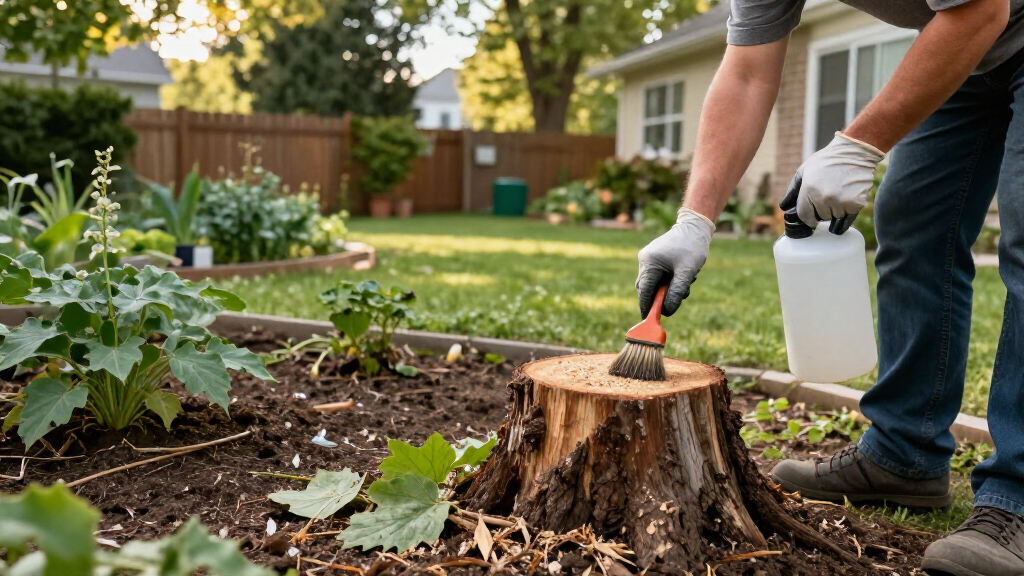
For very small seedlings, hand-pulling is recommended only when the soil is moist and the whole root system can be removed. The report cautions against pulling root suckers, which can be mistaken for seedlings and may leave root fragments behind. For larger seedlings or small trees up to 10 feet tall, it describes foliar herbicide application; for trunks up to 6 inches in diameter, basal-bark treatment; and for larger trees, hack-and-squirt treatment.
These methods involve different application techniques, and herbicides should be used only if the product label permits treatment of tree of heaven and the selected method. The guide says to follow label directions for protective equipment, mixing rates, weather and use-site restrictions, avoid drift onto desirable plants and check local rules. It recommends consulting a cooperative extension if label instructions are unclear. Treatment is generally described as most effective from mid- to late summer until fall color begins; flowering in spring or early summer is a reason, according to the guide, to hold off.
Why Cutting Can Spread Shoots
The central warning is that removing the visible trunk or shoots may not remove the tree’s root system. Cutting or mowing can prompt root suckers, leaving homeowners with more shoots to manage rather than lasting control. The guide says effective removal depends on addressing roots and returning to check for regrowth.
Tree of heaven is described in the report as a fast-growing invasive tree that competes with native plants and produces many seeds. It is also a preferred host for the invasive spotted lanternfly, according to the source. That makes accurate identification and sustained control relevant beyond a single yard, though the report does not quantify local ecological effects or the results of any particular treatment.
tree of heaven identification field guide native sumac black walnut
As an affiliate, we earn on qualifying purchases.
As an affiliate, we earn on qualifying purchases.
Choosing Treatment by Tree Size
The guide distinguishes four approaches rather than recommending one method for every plant: hand-pulling, foliar application, basal-bark treatment and hack-and-squirt. Its size thresholds are practical guidance from the report, not a substitute for a product label or local advice. The choice also depends on whether nearby vegetation could be affected by spray and whether the person treating the tree can do so safely.
Timing matters because the report says herbicide applications work best when the tree is moving carbohydrates toward its roots, from mid- to late summer until fall color. Pulling seedlings is a separate case: moist soil can make it easier to remove the full root. The source advises waiting if a tree is flowering in spring or early summer.
“Cutting or mowing can cause the tree to send up root suckers: new shoots that emerge from the root system.”
— Country Living removal guide
What Control Cannot Guarantee
The source does not provide a guaranteed eradication timeline, success rate or number of treatments for a given infestation. It says established trees may need continued control, but the amount of follow-up will depend on the site and the response of the root system. It also does not identify a specific herbicide product or provide a universal application rate; those details must come from the product label and local guidance.
Identification can also be uncertain, particularly where tree of heaven grows near look-alike species. The guide gives distinguishing features, but it does not replace expert identification. The extent of any spotted lanternfly risk at a particular property is not established by the source.
Monitor Regrowth and Seek Help
After treatment, check the area for new shoots and follow up as needed rather than assuming the first attempt removed the root system. Keep records of where shoots appear and use only label-approved treatments, with the specified protective equipment and site precautions.
The report recommends contacting an arborist or invasive plant specialist when a large tree is close to a home, power lines or valuable landscaping, or when the infestation covers a wide area. A local cooperative extension can help clarify identification and herbicide-label questions. The source sets no universal next treatment date; further action depends on observed regrowth and applicable product directions.
Key Questions
Why shouldn’t I simply cut down tree of heaven?
According to the Country Living guide, cutting or mowing can trigger root suckers—new shoots from the root system. Removing the trunk alone may not control the plant and can lead to more shoots.
How can I distinguish tree of heaven from sumac or black walnut?
The report describes tree of heaven leaflets as mostly smooth-edged, with one to four small teeth near the base and a gland beneath each tooth. It says sumac and walnut have serrated leaflets and lack those features. If identification remains uncertain, seek local expert advice before treatment.
When is the best time to apply herbicide?
The guide says applications are generally most effective from mid- to late summer until fall color begins. Always follow the product label for timing, application method, protective equipment and site restrictions; do not treat a flowering tree based on this guide’s advice.
When should I call a professional?
Contact an arborist or invasive plant specialist if the tree is large and near a home, power lines or valuable landscaping, or if the infestation covers a wide area. These situations can make treatment more difficult or hazardous.
Source: rss
Fall yard work Picks
leaf blowers
As an affiliate, we earn on qualifying purchases.