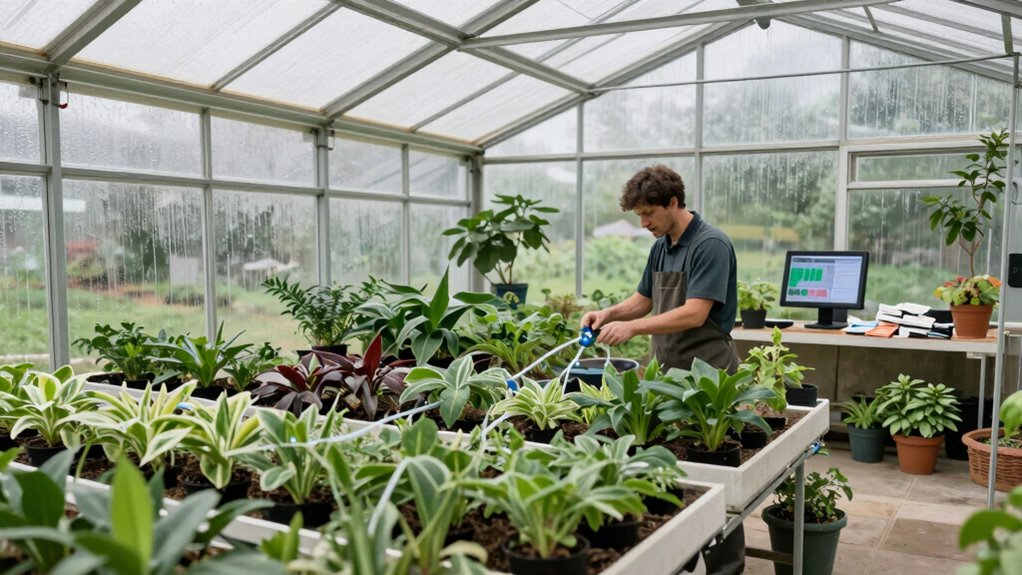

To stand out as a strategic grower, you focus on proactive decisions like designing your greenhouse environment for consistent conditions, installing automated climate controls, and implementing integrated pest management early. Instead of waiting for problems to occur, you monitor continuously and use biological and physical barriers to prevent issues. These choices save time and money, reduce crop disruptions, and improve yields. Keep exploring to discover more ways to elevate your greenhouse management.
Key Takeaways
- Strategic growers prioritize proactive environmental control and pest management to prevent issues before they arise.
- They implement automated systems for consistent climate regulation, reducing reactive interventions.
- Continuous monitoring and data analysis enable early detection of potential problems.
- They integrate biological controls and physical barriers to enhance resilience proactively.
- Reactive growers respond only after damage occurs, often leading to higher costs and crop losses.

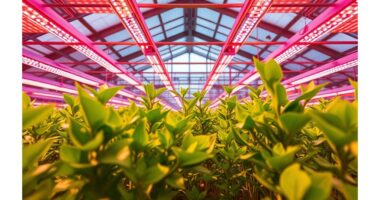
Choosing the right greenhouse setup is essential for your success as a grower, especially when it comes to maximizing plant health and enhancing yields. A well-designed greenhouse isn’t just about shelter; it’s about creating an environment that supports consistent growth and minimizes risks. One of the key factors in this is effective pest management. If you wait until pests become a major problem, it can be costly and disruptive. Instead, you should integrate preventive strategies into your greenhouse design—such as screens, natural predators, and regular monitoring—to stay ahead of infestations. A strategic approach allows you to identify early signs of pests and address them before they spread, reducing the need for harsh chemicals and protecting your crops’ quality.
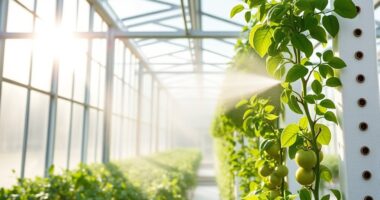
Climate control plays a pivotal role in this process. Maintaining a stable, ideal environment helps prevent stress on your plants, which can make them more vulnerable to pests and diseases. Proper ventilation, heating, cooling, and humidity regulation ensure your plants thrive, and these elements are directly tied to your ability to manage pests naturally. For instance, controlling humidity levels reduces fungal issues, and good airflow discourages pest infestations. When your climate is well-managed, you get fewer surprises, and your plants stay healthier, reducing the reactive measures you need to take later. Incorporating climate control systems that monitor conditions continuously enhances your ability to maintain optimal growing conditions. This proactive approach aligns with best practices in integrated pest management, helping to create a resilient and healthy environment. Additionally, understanding the environmental factors that influence pest behavior can further refine your preventive strategies. Recognizing how climate and environment impact pest activity enables you to anticipate and prevent potential outbreaks more effectively.
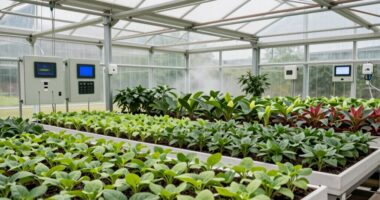
Strategic growers understand that proactive planning in climate control and pest management saves time, money, and effort. Instead of reacting to problems as they occur, they design their environment to prevent issues altogether. This might mean installing automated systems that adjust temperature and humidity or using integrated pest management (IPM) techniques that combine biological controls with physical barriers. These strategies create a resilient environment that minimizes the impact of pests and environmental fluctuations. Properly integrating technology into your greenhouse setup can significantly enhance your ability to maintain a stable environment. As a result, they can focus more on optimizing growth rather than constantly troubleshooting issues.
In contrast, reactive growers often find themselves fighting fires—treating pests after they’ve taken hold or trying to correct climate issues once damage has already been done. This approach leads to inconsistent yields, increased expenses, and sometimes compromised crop quality. Being strategic involves analyzing your greenhouse’s unique needs, implementing preventative measures, and continuously monitoring conditions. Over time, this shift from reactive to proactive management not only stabilizes your operation but also boosts your confidence as a grower, knowing you’re creating the best possible environment for your plants to flourish.

TrolMaster GCS-1 Green-X Controller with 4-in-1 Sensor (Temp / Humid / CO2 / Light ) and Cable Set, Free Phone App.
- Slim, space-saving design: Ultra-slim profile for easy installation
- Expandable system: Supports various modules and sensors
- Garden DLI management: Control Daily Light Integral efficiently
As an affiliate, we earn on qualifying purchases.
As an affiliate, we earn on qualifying purchases.
Frequently Asked Questions
How Do I Determine the Optimal Greenhouse Size for My Crops?
To determine your ideal greenhouse size, consider your crop rotation schedule and soil management needs. Assess how much space you need for efficient rotation, ensuring healthy soil and minimizing disease risk. Start small to manage costs and scale up as you gain experience. Keep in mind the growth habits of your crops and airflow requirements. Proper planning helps you balance investment with productivity, leading to sustainable, strategic greenhouse management.
What Are the Latest Technological Advancements in Greenhouse Automation?
Turbocharge your greenhouse with the latest tech! Automated systems now include smart sensors for precise climate control, hydroponic systems for efficient water use, and AI-driven pest management tools. These innovations help you optimize growth, minimize pest problems, and maximize yield. By integrating automation, you streamline operations, save resources, and stay ahead in sustainable, smart horticulture. Embrace these advancements to make your greenhouse more efficient and resilient.
How Can I Reduce Energy Costs Without Sacrificing Crop Quality?
You can cut energy costs by implementing energy-efficient lighting systems and integrating renewable energy sources like solar panels. Use LED lighting, which consumes less power and boosts crop quality, and consider solar or wind power to offset your energy consumption. Regularly monitor your energy use to identify inefficiencies, and optimize your climate control systems. These strategies help you lower costs without compromising crop health or yield.
What Are Common Mistakes in Greenhouse Climate Control Management?
You might overlook how essential precise climate monitoring is, which can lead to costly mistakes. Common errors include ignoring pest management signals or failing to adjust temperature and humidity proactively. These missteps cause unpredictable crop growth and increased resource use. To stay ahead, consistently monitor your environment, anticipate pest issues early, and adjust controls accordingly. Missing these steps risks compromising your crop quality and efficiency, turning a thriving greenhouse into a reactive challenge.
How Do Market Trends Influence Greenhouse Crop Selection?
Market trends greatly influence your greenhouse crop selection by highlighting shifts in consumer preferences and opportunities for market diversification. You adapt by choosing crops that meet current demand, such as organic or specialty varieties, ensuring your offerings stay relevant. Staying alert to these trends allows you to diversify your crops strategically, reducing risks and maximizing profits. This proactive approach keeps your greenhouse competitive and aligned with evolving consumer tastes and market dynamics.
Conclusion
Your greenhouse decisions are the compass guiding your success, steering you through unpredictable weather and market shifts. By thinking strategically, you’re planting seeds for long-term growth instead of just reacting to the storms. Remember, it’s not about dodging every raindrop but learning to dance in the rain. When you embrace a proactive mindset, you’re cultivating a thriving garden that stands tall through any season. Stay strategic, and watch your greenhouse flourish beyond expectations.