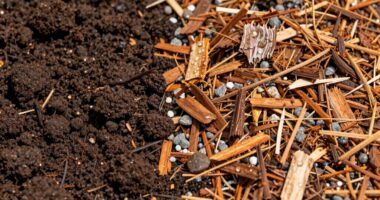
To make watering and feeding feel more responsible and controlled, focus on understanding your soil type—whether it’s sandy or clay—and adjust your practices accordingly. Use precise watering schedules that match your soil’s water retention and avoid overwatering, which can cause root problems. Regularly amend and improve your soil to support healthy growth. By paying attention to these details, you can take more intentional, mindful control over your plant’s health and progress. Keep exploring to learn more.

Get garden gear delivered free — and shop member deals
- Fast, free delivery on millions of items
- Access to Prime Big Deal Days deals on October 6–7
- Prime Video, Amazon Music and more included
Key Takeaways
- Tailor watering schedules based on soil type to prevent over- or under-watering.
- Use moisture sensors or soil probes to monitor soil moisture levels accurately.
- Adjust feeding routines according to soil nutrient needs and plant growth stages.
- Maintain a watering and feeding log to track practices and improve consistency.
- Regularly amend soil to enhance structure, drainage, and nutrient availability responsibly.
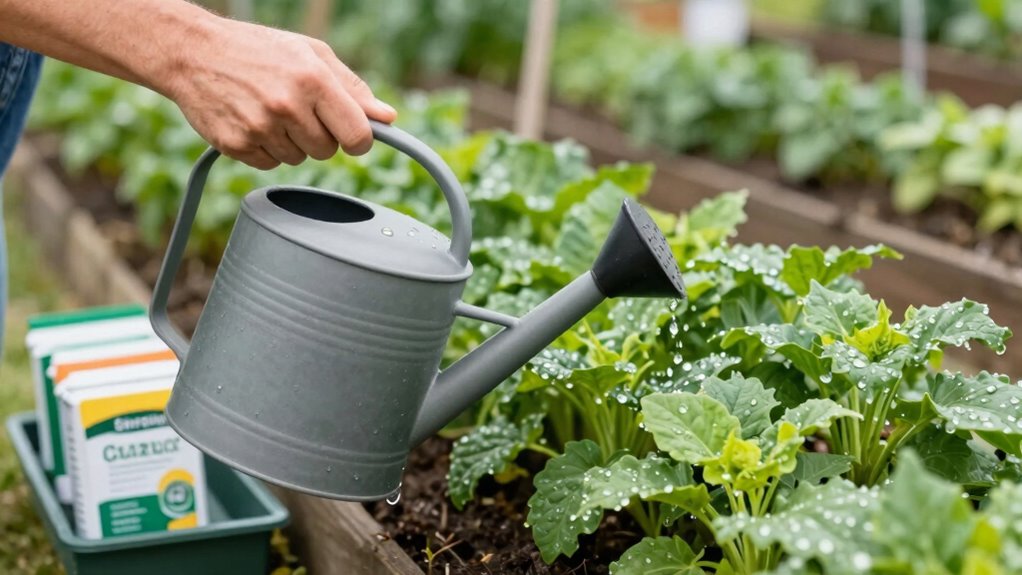
Keeping your plants healthy isn’t just about watering and feeding them—it’s about doing so responsibly and with control. When you approach plant care thoughtfully, you create an environment where your plants can thrive without unnecessary stress or harm. One of the key steps is understanding your soil composition. Knowing what your soil is made of helps you determine exactly what nutrients your plants need and how often to provide them. For example, sandy soils drain quickly, so you might need to water more frequently, but with less volume. Clay soils retain water longer, making overwatering a real risk. Adjusting your watering schedule based on soil type prevents water stress and promotes healthy root development. Proper soil management also involves amending your soil with organic matter or specific nutrients to improve its structure, fertility, and drainage. This way, you’re not just watering, but actively creating a balanced environment that supports your plants’ needs. Additionally, understanding the principles of soil health can guide you in maintaining an optimal growing environment for your plants. A well-maintained soil ecosystem encourages beneficial microbes that naturally support plant growth and resilience. Recognizing the impact of watering practices on overall plant health can also help you fine-tune your care routine for better results. Being mindful of soil composition allows you to tailor your watering and feeding strategies to prevent issues like root rot or nutrient deficiencies.
soil moisture sensor for gardening
As an affiliate, we earn on qualifying purchases.
As an affiliate, we earn on qualifying purchases.
Frequently Asked Questions
What Tools Are Best for Precise Watering and Feeding?
You should consider using automated systems like drip irrigation or self-watering planters for precise watering and feeding. These tools help you control the amount and timing effortlessly. Pair them with a gardening calendar to schedule regular feeding and watering routines, ensuring consistency. Automated systems minimize waste, prevent overwatering, and keep your plants healthy. This combination makes managing your garden more responsible, controlled, and hassle-free, giving you peace of mind.
How Often Should I Adjust Watering Schedules?
You should adjust your watering schedule whenever you notice changes in soil moisture or nutrient balance. For example, if your plants start wilting despite recent watering, it’s time to check soil moisture levels. During hot, dry months, increase watering frequency, but in cooler seasons, reduce it. Regularly monitoring these factors helps you maintain ideal health, preventing overwatering or underwatering, and guarantees your plants stay strong and vibrant.
What Signs Indicate Overfeeding or Overwatering?
You’ll notice signs of overfeeding or overwatering through nutrient imbalance, such as yellowing leaves, wilting, or stunted growth. Overwatering causes watering stress, leading to root rot and soggy soil, while overfeeding might result in salt buildup and leaf burn. Pay attention to your plant’s response; if it shows these symptoms, reduce feeding frequency or watering, and guarantee proper drainage to prevent future issues.
How Can I Track My Watering and Feeding Routines?
Imagine tracking your watering and feeding routines like a gardener monitoring plant growth and soil health. You can use a simple journal, app, or calendar to record each session, noting date, amount, and conditions. For example, if your plant shows vibrant growth, consistent routines likely boost soil health. Regularly reviewing these logs helps you adjust watering and feeding, ensuring your plants thrive without overdoing it, making your care feel more responsible and controlled.
Are There Eco-Friendly Options for Watering and Feeding?
Yes, eco-conscious gardening offers sustainable watering options like drip irrigation and rain barrels, which reduce water waste. You can also opt for organic fertilizers made from natural ingredients, minimizing environmental impact. These choices make your watering and feeding routines more responsible and controlled, helping you conserve resources and support healthier plant growth. Embracing sustainable watering methods and eco-friendly feeds keeps your garden thriving while protecting the planet.
Conclusion
By taking charge of watering and feeding your plants, you become the steward of their growth—much like a gardener tending a sacred garden. When you approach these tasks with intention and control, you’re not just nurturing your plants; you’re cultivating patience, responsibility, and a deeper connection to nature’s delicate balance. Remember, in the quiet act of care, you echo the timeless wisdom of those who nurture life, shaping a greener tomorrow with mindful hands.
Fall yard work Picks
leaf blowers
As an affiliate, we earn on qualifying purchases.