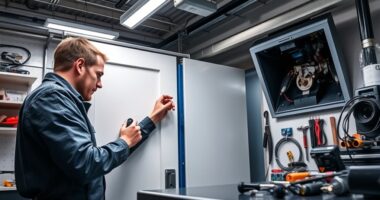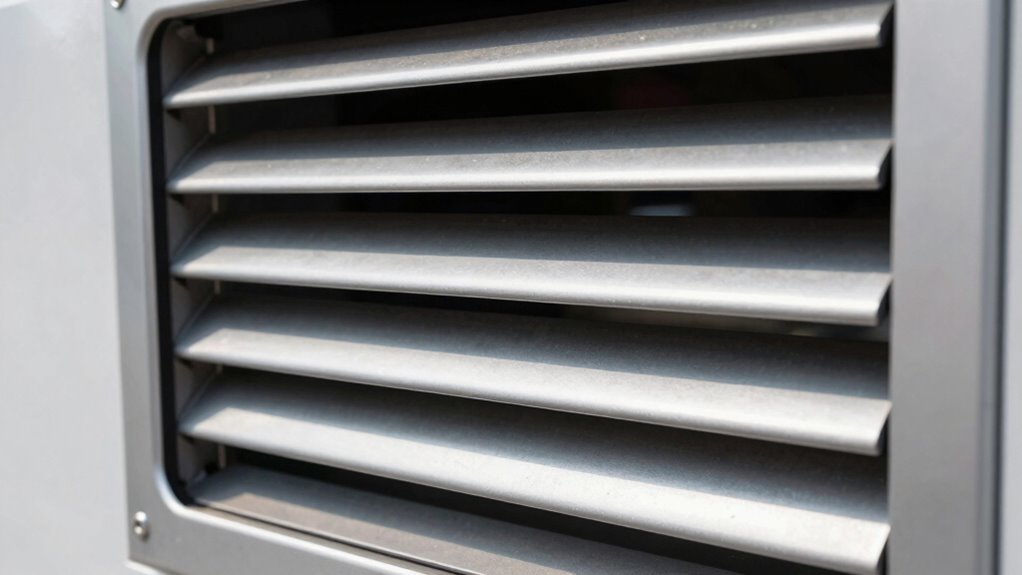

Intake shutters are simple devices that regulate incoming air to prevent negative pressure in buildings. When more air exhausts than supplies, it creates a vacuum that can cause drafts, discomfort, and higher energy bills. Installing adjustable shutters helps balance airflow, improving indoor comfort and air quality while reducing strain on your HVAC system. If you’d like to learn more about how these shutters work and proper setup, keep exploring the details below.
Key Takeaways
- Intake shutters regulate outside air entering the building, preventing negative pressure caused by excess exhaust airflow.
- Properly sized and installed shutters ensure balanced indoor pressure and improved airflow management.
- Automated or manual shutters adjust airflow dynamically to maintain pressure stability and indoor comfort.
- Regular maintenance of shutters, including cleaning and lubrication, keeps them functioning effectively.
- Using intake shutters reduces drafts, energy costs, and strain on HVAC systems by controlling pressure imbalances.
What Causes Negative Pressure in Buildings and HVAC Systems?
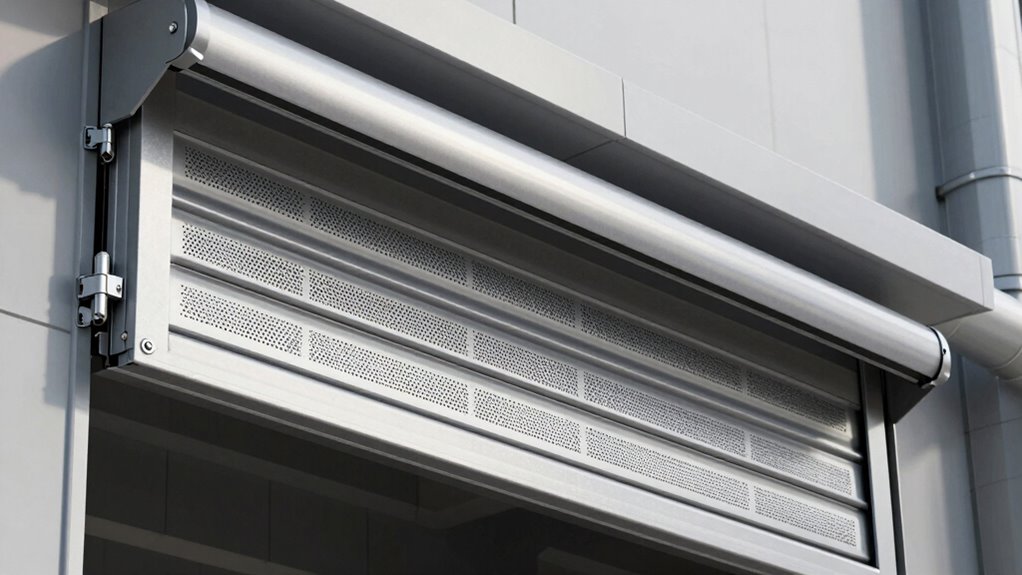
Negative pressure in buildings and HVAC systems occurs when more air is exhausted than is supplied, creating a vacuum effect that pulls air inward. This imbalance disrupts airflow control, making it harder to maintain a comfortable environment. Poor pressure regulation allows outside air to enter through gaps and leaks, increasing energy costs and reducing indoor air quality. When airflow isn’t properly managed, negative pressure develops, causing drafts and uneven temperature distribution. To prevent this, you need to make sure that supply and exhaust rates are balanced, maintaining consistent pressure levels. Proper pressure regulation helps keep indoor air stable and prevents unwanted infiltration. Additionally, airflow management is crucial for ensuring proper ventilation and maintaining a healthy indoor environment. Addressing these issues is essential for a healthy, comfortable, and energy-efficient building.
How Intake Shutters Help Balance Air Pressure
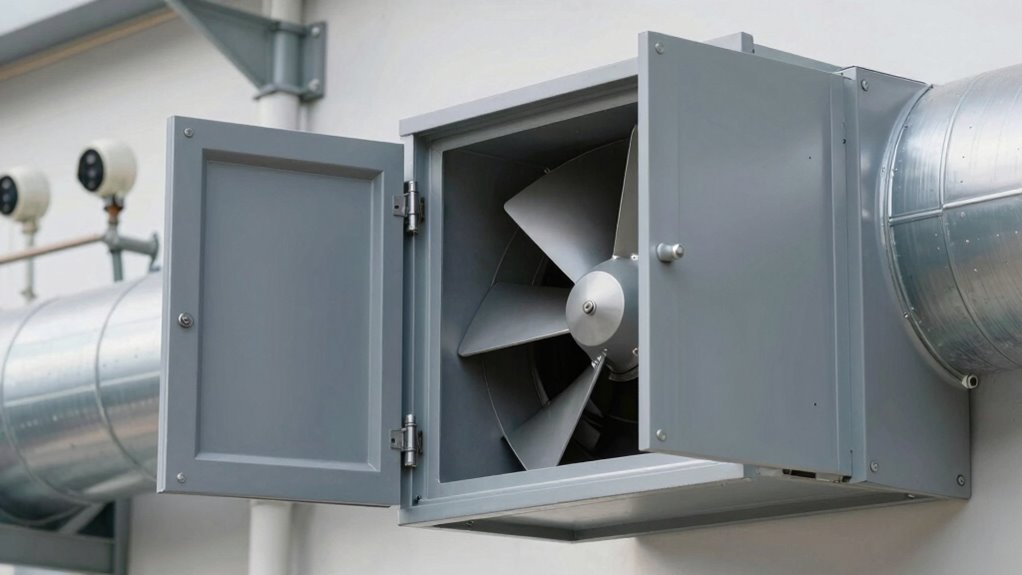
Intake shutters play an essential role in maintaining balanced air pressure within buildings and HVAC systems. They enable airflow control, ensuring that fresh air enters at the right rate, preventing negative pressure buildup. This pressure regulation keeps indoor environments comfortable and stable. By adjusting the shutters, you control how much air flows into the space, avoiding over- or under-pressurization. Proper airflow management minimizes strain on HVAC components and reduces energy costs. Here’s a quick overview of how intake shutters support pressure regulation:
| Function | Benefit | Result |
|---|---|---|
| Airflow control | Prevents negative pressure | Keeps indoor air balanced |
| Pressure regulation | Maintains stable pressure | Improves indoor comfort |
| Adjustable settings | Custom airflow as needed | Ensures efficient operation |
| Reduced strain | Less wear on HVAC systems | Longer equipment lifespan |
Additionally, understanding the pressure balance within the system helps optimize the overall airflow and energy efficiency.
Benefits of Installing Intake Shutters for Your Indoor Environment
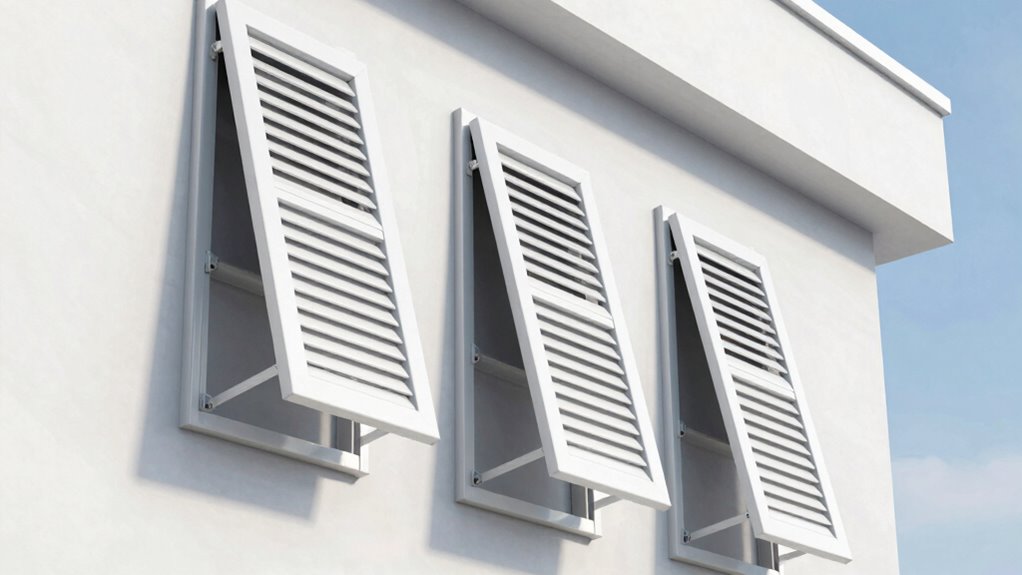
Installing intake shutters can markedly boost natural ventilation, helping fresh air flow into your space efficiently. They also lower your energy bills by reducing the need for constant heating or cooling. Plus, intake shutters improve indoor air quality, making your environment healthier and more comfortable. Additionally, air quality plays a crucial role in overall well-being, and proper ventilation with intake shutters supports healthier indoor air.
Natural Ventilation Enhancement
Enhancing natural ventilation in your indoor space can markedly improve air quality and comfort. Installing intake shutters helps optimize airflow patterns, ensuring fresh air enters smoothly while stale air exits. This controlled airflow maintains a balanced building pressure, preventing negative pressure issues that can pull in dust, pollutants, or even outside odors. By managing how air moves through your space, intake shutters support a healthier environment and reduce the reliance on mechanical ventilation. Properly designed intake shutters allow for natural cross-ventilation, which boosts indoor air freshness without increasing energy costs. As a result, your indoor environment becomes more comfortable, healthier, and better ventilated, all while maintaining the building’s airflow dynamics.
Energy Cost Reduction Benefits
By improving airflow with intake shutters, you can considerably cut down on your energy bills. This leads to significant energy savings and enhances your overall cost benefits. When airflow is optimized, your HVAC system doesn’t have to work as hard, reducing energy consumption. Additionally, intake shutters prevent heat loss during winter and heat gain in summer, further lowering heating and cooling costs. They also improve ventilation efficiency, reducing the need for supplemental fans or AC units. Installing intake shutters can result in:
- Lower monthly energy bills
- Reduced HVAC workload
- Minimized heat transfer losses
- Enhanced system efficiency
- Long-term cost savings
Understanding airflow management can help you make more informed decisions about home energy improvements.
Improved Indoor Air Quality
When intake shutters are properly installed, they markedly improve indoor air quality by controlling the flow of fresh air into your space. This means you can bring in cleaner, filtered air, reducing pollutants and stale odors. Adding indoor plants further enhances air quality, as they naturally filter toxins and increase oxygen levels. Air purifiers work in tandem with intake shutters to remove airborne particles, dust, and allergens, creating a healthier environment. Ensuring Free Floating air circulation is maintained prevents stagnant air pockets and promotes overall ventilation efficiency. With a well-designed setup, you’ll notice fresher air and fewer respiratory issues. Proper airflow management prevents negative pressure, which can draw in polluted air from outside or leaks. Overall, intake shutters help maintain a balanced, clean indoor environment, making your space more comfortable and healthier for everyone inside.
How to Pick the Right Intake Shutter for Your HVAC System
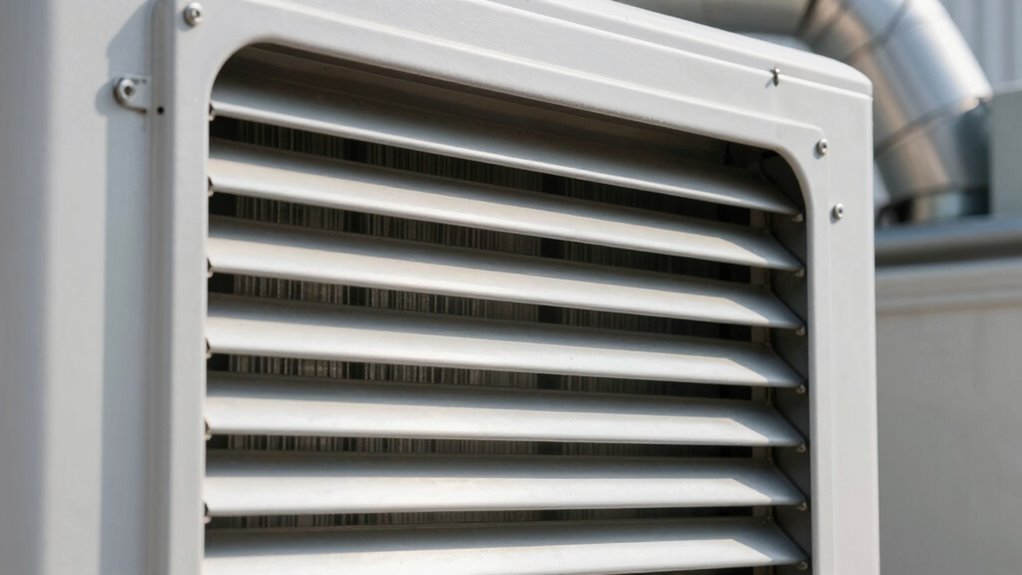
Choosing the right intake shutter for your HVAC system is essential to guarantee ideal airflow, energy efficiency, and system longevity. When selecting, consider factors like shutter material, which impacts durability and maintenance. Your installation location also matters; it should be accessible yet protected from elements. Look for shutters made from corrosion-resistant materials if exposed to moisture. Ensure the size fits your duct opening precisely to prevent leaks or airflow restrictions. Think about operation type—manual or automatic—to suit your needs. Additionally, consider noise levels and ease of cleaning. Keep these points in mind for a long-lasting, effective setup. Proper installation methods are crucial to prevent issues like negative pressure that can compromise system performance.
A Simple Guide to Installing Intake Shutters Effectively
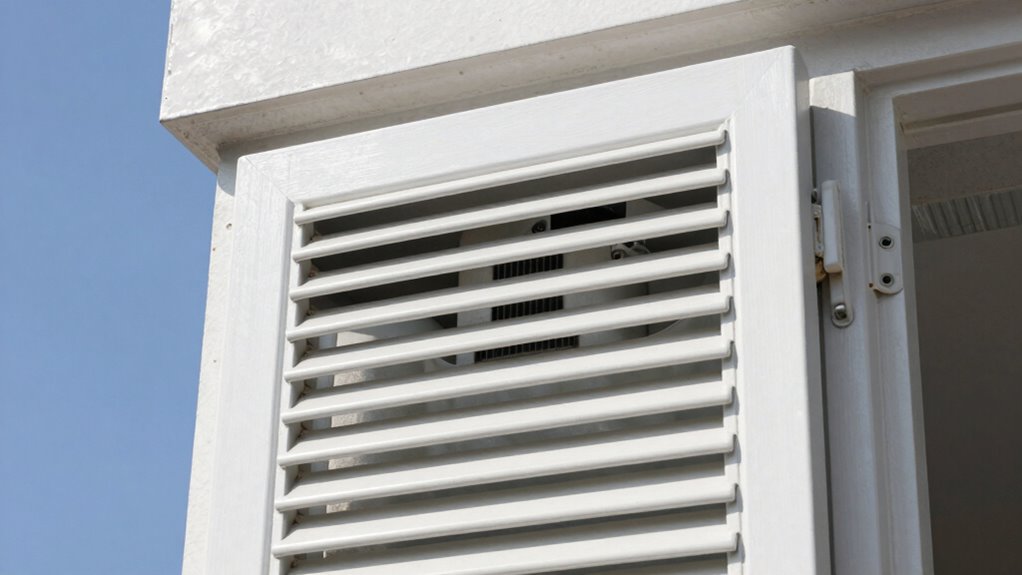
Installing intake shutters correctly guarantees they work efficiently and last longer. You’ll need to choose the right size, follow best installation practices, and keep up with regular maintenance. This guide will help you get it right every step of the way. Ensuring proper installation techniques can prevent issues like negative pressure problems and improve overall performance.
Choosing Proper Shutter Size
Selecting the right size for your intake shutters is essential to guaranteeing proper airflow and efficient ventilation. An appropriately sized shutter prevents negative pressure and maintains balanced air exchange. When choosing, consider factors like the shutter material, which affects durability and weather resistance. The installation height also impacts airflow; placing shutters too high or low can limit effectiveness. To get it right, keep these points in mind:
- Match shutter size to the vent opening for optimal airflow.
- Use durable shutter materials suited for your environment.
- Install shutters at a height that encourages steady airflow.
- Avoid undersized shutters that restrict air intake.
- Consider easy access for maintenance and adjustments.
- Ensuring correct shutter sizing helps prevent negative pressure issues and promotes proper ventilation throughout your space.
Getting the size right ensures your intake shutters work effectively, reducing pressure issues and improving ventilation.
Best Installation Practices
To guarantee your intake shutters function properly, proper installation is vital. First, ensure the shutters are mounted securely in a location that allows for maximum airflow without obstructions. Proper alignment is essential for maximizing ventilation efficiency and preventing air leaks that could compromise pressure regulation. Seal all edges tightly to avoid unwanted gaps that might allow drafts or debris inside. Use weatherproof materials if installing outdoors to withstand environmental elements. Confirm that the shutters open and close smoothly, enabling quick adjustment as needed. Avoid overly complex setups—simplicity enhances reliability. Always follow manufacturer instructions carefully, checking that all components are correctly fitted. Additionally, understanding airflow dynamics can help optimize your setup for better performance. Proper installation not only improves ventilation efficiency but also guarantees consistent pressure regulation, helping your system operate smoothly and efficiently.
Regular Maintenance Tips
Regular maintenance is essential to keep your intake shutters functioning smoothly and efficiently over time. Regularly inspecting and cleaning your shutters prevents dirt buildup that can hinder airflow and compromise performance. Focus on filter maintenance by replacing or cleaning filters as needed to guarantee ideal air quality. Shutter cleaning should be done at least once a season to remove dust and debris. Additionally, check for any signs of damage or rust, and lubricate hinges if necessary. Here are some tips to keep your shutters in top condition:
- Inspect filters regularly and replace when dirty
- Clean shutters with a damp cloth to remove dust
- Lubricate hinges to prevent sticking
- Check for rust or damage and repair promptly
- Ensure shutters open and close smoothly
How Intake Shutters Fix Negative Pressure Problems

Negative pressure problems occur when indoor air is pulled out faster than it can be replaced, leading to drafts, higher energy bills, and poor indoor air quality. Intake shutters help fix this by allowing fresh air to enter the space efficiently, maintaining proper airflow optimization. When the shutters are open, they automatically adjust to let in just the right amount of air needed to balance the pressure inside. This prevents negative pressure from developing, ensuring your climate control systems work more effectively. By maintaining consistent airflow, intake shutters stabilize indoor conditions, reducing strain on your heating or cooling systems. As a result, you experience a more comfortable environment while saving energy and protecting your indoor air quality from issues caused by negative pressure.
Troubleshooting Common Intake Shutter Issues and Maintenance Tips
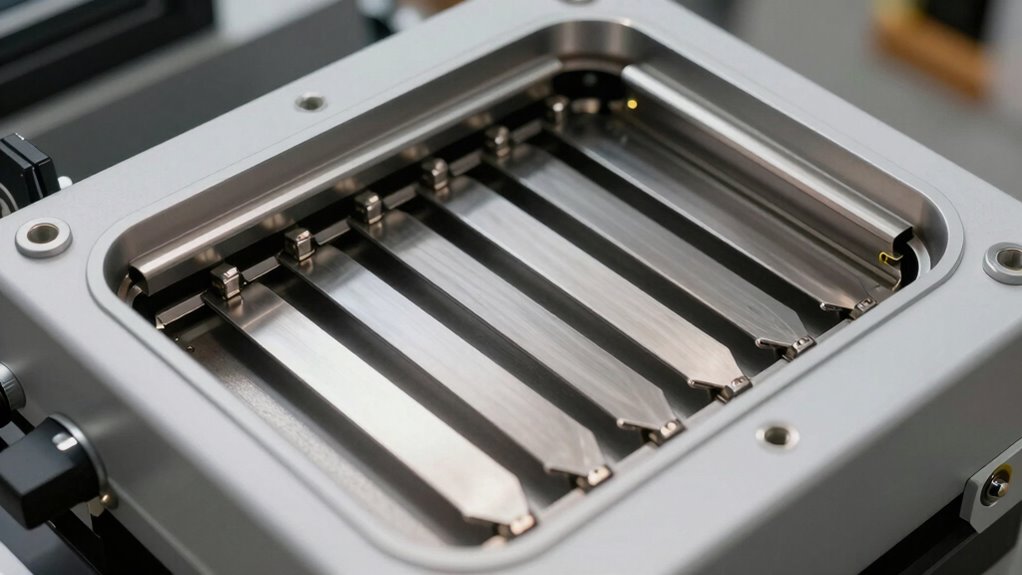
When intake shutters malfunction or become dirty, they can disrupt airflow patterns and compromise their ability to balance indoor pressure effectively. Common issues include stuck shutters, dirt buildup, or damaged shutter materials. To troubleshoot, start by inspecting the shutters for debris or corrosion. Make certain they move freely and aren’t obstructed. Regular cleaning with a gentle brush or compressed air helps maintain proper airflow. Check the shutter materials; some plastics or metals may degrade over time, affecting durability. If shutters are damaged, replace them promptly. Proper maintenance keeps airflow consistent and prevents negative pressure issues.
- Clear debris and dirt from shutter surfaces
- Lubricate moving parts if necessary
- Replace damaged shutter materials
- Check for obstructions that hinder movement
- Regularly inspect for corrosion or wear
Real Examples: How Intake Shutters Resolved Pressure Imbalances
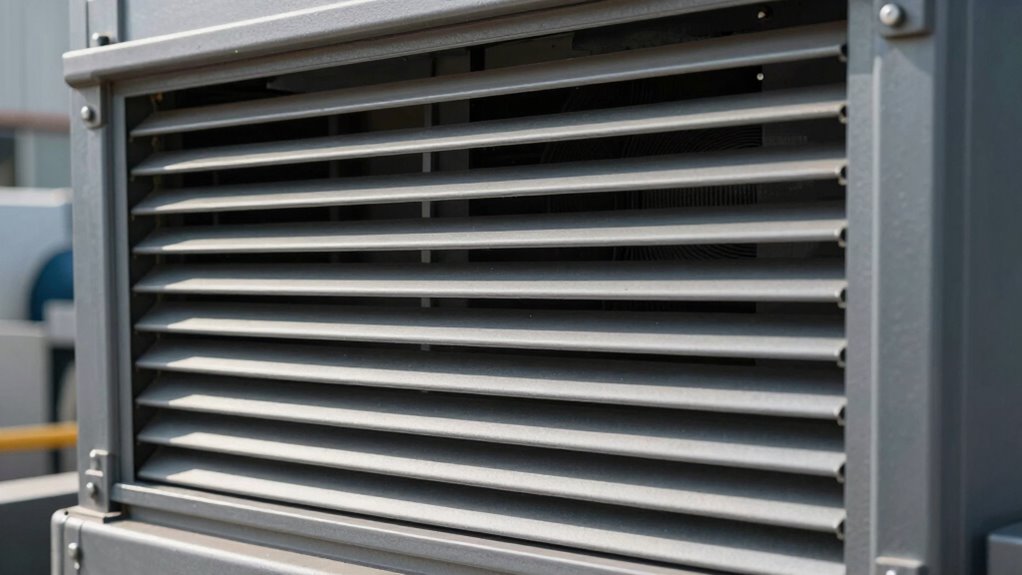
Properly functioning intake shutters play an essential role in maintaining balanced indoor pressure, especially when issues like dirt buildup or damaged components cause airflow disruptions. In real-world cases, installing or adjusting intake shutters improved airflow enhancement, preventing negative pressure from pulling in unfiltered air. For example, a homeowner faced uneven heating and increased dust, which was resolved by adjusting the shutters to allow adequate airflow and pressure regulation. Another case involved a commercial space where pressure imbalances caused uncomfortable drafts; installing shutters helped balance indoor pressure, reducing drafts and improving comfort. These examples highlight how intake shutters can directly address pressure imbalances, ensuring consistent airflow and indoor air quality. Proper setup and maintenance make all the difference in achieving optimal pressure regulation indoors.
When to Call a Professional for Intake Shutter Help
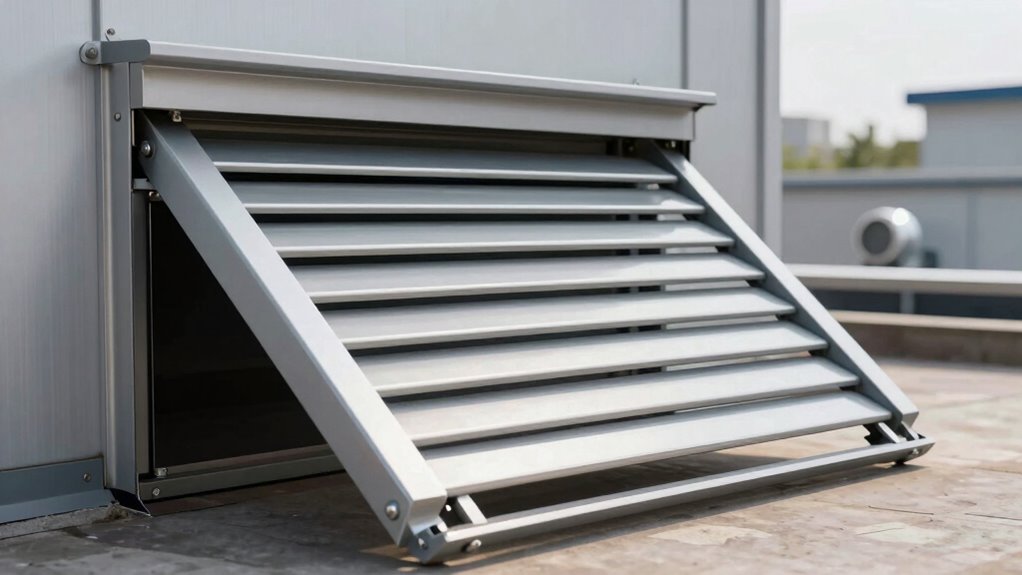
Knowing when to call a professional for intake shutter help is vital to prevent further damage and guarantee your system works efficiently. If you notice persistent pressure issues, unusual noises, or recurring blockages, it’s time to seek expert consultation. A professional assessment can identify underlying problems that DIY fixes might miss, saving you money and downtime. Consider calling a specialist if you experience any of these signs:
- Continual pressure imbalance despite adjustments
- Shutter damage or corrosion
- Unusual or loud noises during operation
- Inconsistent airflow or ventilation issues
- Visible debris or obstructions that won’t clear
Frequently Asked Questions
Can Intake Shutters Prevent Energy Loss in HVAC Systems?
Yes, intake shutters can prevent energy loss in HVAC systems by improving energy efficiency. They control ventilation effectively, opening only when needed and closing to minimize unwanted airflow. This helps maintain consistent indoor temperatures, reducing the workload on your heating or cooling units. As a result, intake shutters optimize ventilation control, cut down on energy consumption, and save you money while enhancing overall system performance.
Are Intake Shutters Suitable for Both Commercial and Residential Buildings?
Did you know that intake shutters are used in over 70% of modern buildings? They’re suitable for both commercial and residential buildings, offering versatile benefits. You’ll appreciate how they improve building aesthetics by seamlessly blending with design, while also reducing maintenance costs by preventing debris and pests. Whether for a small home or a large commercial complex, intake shutters provide an effective, low-maintenance solution that enhances energy efficiency and building integrity.
How Often Should Intake Shutters Be Inspected or Replaced?
You should inspect your intake shutters at least twice a year as part of your maintenance schedule. Replacement frequency depends on environmental conditions and usage; generally, shutters last 5 to 10 years. Regular inspections help identify wear, damage, or obstructions early, ensuring peak performance. If you notice persistent issues like sticking or cracks, consider replacing them sooner. Staying proactive keeps your building’s ventilation efficient and prevents negative pressure problems.
Do Intake Shutters Require Electrical Power or Battery Backup?
Think of intake shutters like a lighthouse—reliable without needing power. They don’t require an electrical power source or battery backup, making them low-maintenance and dependable. You only need to inspect them periodically to make certain they’re functioning properly. Their simplicity means fewer maintenance requirements, so you can count on them to operate smoothly without worrying about power failures, keeping your system safe and efficient.
Can Intake Shutters Be Automated or Connected to Building Management Systems?
Yes, intake shutters can be automated and connected to building management systems. You can integrate automation systems to control shutter operation based on indoor conditions or external factors, enhancing energy efficiency and ventilation. Building system connectivity allows for centralized monitoring and adjustments, making maintenance easier and ensuring ideal airflow. With automation integration, you gain precise control over intake shutters, improving overall building performance and comfort.
Conclusion
Now that you understand how intake shutters can prevent negative pressure problems, aren’t you ready to improve your indoor comfort? Installing the right shutters is a simple, effective step toward balanced airflow and better HVAC performance. With the right knowledge and maintenance, you can keep your space comfortable and energy-efficient. So, why settle for pressure issues when a straightforward solution is at your fingertips? Take control today and enjoy a more comfortable, healthier environment.