
TL;DR

Get garden gear delivered free with Prime
- Fast, free delivery on millions of items
- Prime Video, Amazon Music and more included
- Member-only deals all year
Gardening Know How has published a buying guide advising gardeners to choose a greenhouse based on the intended growing space, local weather, site conditions and budget—not appearance alone. The guide covers placement, size, glazing, ventilation, anchoring, utilities and local rules; its recommendations are guidance, not a guarantee that a particular model will suit every yard.
Gardening Know How has published a guide to choosing a greenhouse, urging home growers to weigh site, climate, size and construction before buying. The report says those choices affect whether a structure can support plants safely and comfortably, making the purchase a practical planning decision rather than a matter of appearance alone.
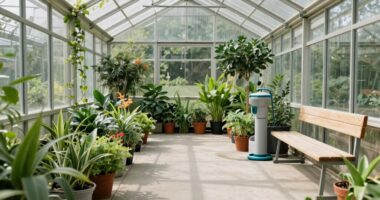
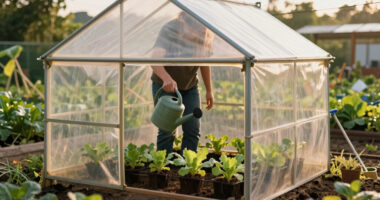
The guide says buyers should start with what they plan to grow and the space available. A small pop-up shelter may suit seed starting, while growers seeking year-round space or family food production may need a more durable kit. Buyers should allow room not only for plants but also for benches, supplies, a doorway and a usable walkway. The report cautions that an 8-by-10-foot footprint can feel crowded once benches and circulation space are accounted for.
Placement and weather exposure are central considerations. The guide advises northern gardeners to prioritize winter sunlight and shelter from prevailing winds. In hotter or humid areas, shade and ventilation can help limit excessive heat. It also recommends considering access to water and electricity, while checking local zoning, property setbacks and homeowners association rules before installation.
Materials and groundwork shape the structure’s performance and maintenance needs. The guide compares glass, twin-wall polycarbonate and polyethylene film as glazing options, noting that buyers must balance light, insulation and impact resistance. It also lists gravel, timber, concrete and brick among possible bases, and warns that uneven or inadequate preparation can create problems. Ventilation, airflow, seasonal shading and secure anchoring are included among the guide’s buying checks.
How Site Choices Shape Greenhouse Use
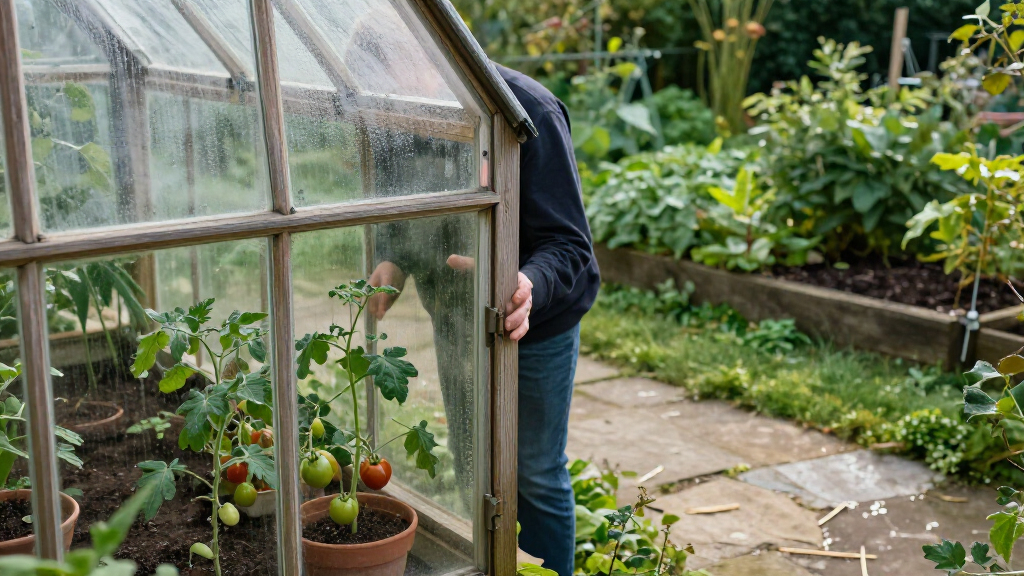
A greenhouse is an investment in a structure that must function in the conditions of a particular yard. Wind, intense summer heat, limited sunlight and poor drainage can affect how useful a model is, regardless of how appealing it looks in a product photo. Planning for those conditions can help buyers avoid choosing a size or construction type that does not suit their needs.
The guide also emphasizes everyday access. A greenhouse located far from a hose or power source may be harder to use for routine watering or equipment such as heat mats and timers. Its practical message is to weigh maintenance, utilities and working space alongside the initial price and appearance.
greenhouse kit for year-round gardening
As an affiliate, we earn on qualifying purchases.
As an affiliate, we earn on qualifying purchases.
The Guide’s Main Buying Factors
The source frames its advice around six considerations: size and placement, glazing, climate control, foundations, retailers and permits. It presents no single greenhouse as the right choice for all gardeners. Instead, the suggested trade-offs vary with intended use, available land and local weather.
For placement, the report draws on comments from horticulture expert Bethany Lakatos of Trees.com and master gardener and regenerative farmer Trisha Nieder of Nieder Farms. Lakatos discusses the potential for deciduous trees to provide summer shade while allowing more winter light, but cautions that tree health and falling limbs matter. Nieder says proximity to a house can make water and electrical access easier. The guide also recommends assessing the ground and anchoring method, especially where lightweight frames may face strong winds.
“If you have a space with a deciduous tree that can shade your greenhouse on summer afternoons, this will also allow maximum sunlight when the tree is dormant.”
— Bethany Lakatos, horticulture expert at Trees.com, as quoted by Gardening Know How
What the Guide Does Not Establish
The supplied report does not identify a publication date, compare named products or provide independent testing of greenhouse models. It also does not set out universal building specifications, cost estimates or permit requirements for particular locations. Local rules and weather risks vary, so readers will need to check requirements with the relevant authorities and assess conditions on their own property.
Several source sections are not included in the material provided, including the full discussion of foundations and the later buying considerations. The available text therefore does not support a complete comparison of brands, warranties or installation methods. Its recommendations should be treated as general guidance, not a product endorsement or engineering assessment.
Checks Before You Buy
The immediate next step for a prospective buyer is to measure the intended site and list the greenhouse’s purpose, expected growing season and space needs. The guide’s advice points to checking sunlight, prevailing winds, drainage, tree condition and utility access before settling on a model.
Buyers should then compare glazing, ventilation and anchoring options against their local climate, and confirm zoning, setback and homeowners association rules. The source does not announce a product launch or a scheduled follow-up; any purchase decision will depend on local checks and the buyer’s priorities.
Key Questions
What should I consider first when choosing a greenhouse?
Start with what you want to grow, your available space and your local climate. Then assess sunlight, wind exposure, access to water and electricity, and the floor area needed for benches and movement.
How much room does a greenhouse need?
The guide gives no universal minimum. It warns that an 8-by-10-foot greenhouse may feel crowded after adding benches and a walkway, so measure usable interior space rather than relying on the outside footprint alone.
Which greenhouse glazing material is best?
The source discusses glass, twin-wall polycarbonate and polyethylene film but does not name one as best. Buyers should compare light transmission, insulation and impact resistance against their needs and local conditions.
Do I need permission to install a greenhouse?
Requirements depend on location. The guide advises checking local zoning, property setback rules and homeowners association bylaws before building or ordering a structure.
Source: rss
Halloween Picks
halloween
As an affiliate, we earn on qualifying purchases.