TL;DR
A gardening guide recommends moving frost-tender plants indoors in November, before the first frosts. It discusses elephant ears, citrus trees, succulents, coleus and pelargoniums, with care depending on the plant and local conditions; the supplied material does not identify a sixth plant.
A seasonal gardening guide advises gardeners to move tender outdoor plants indoors in November, before the first frosts, to protect them through winter. Its supplied recommendations cover elephant ears, citrus trees, succulents, coleus and pelargoniums, with the right timing and care depending on local temperatures and each plant’s needs.

Get garden gear delivered free with Prime
- Fast, free delivery on millions of items
- Prime Video, Amazon Music and more included
- Member-only deals all year
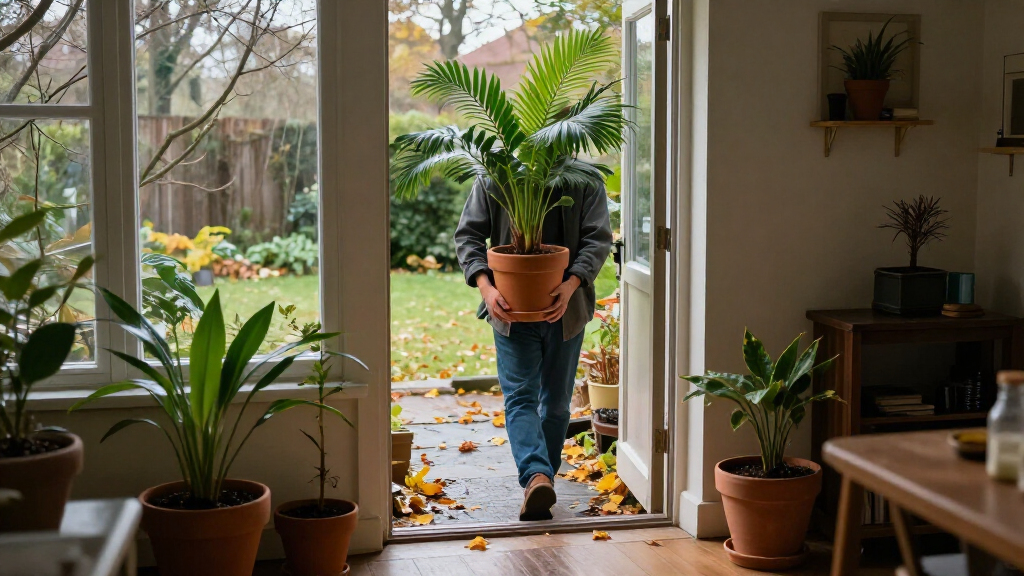
The guide says some tender flowering and foliage plants can grow indoors over winter and return outside in spring. It recommends checking plants before bringing them inside, since pests on leaves or stems can be carried to houseplants. For elephant ears, it suggests inspecting both sides of the leaves and treating visible pests with insecticidal soap or neem oil.
Elephant ears need a bright indoor position and limited watering, according to the guide. Those planted in the ground may need to be dug up and placed in a large container with fresh potting compost. The guide says they can remain outside in USDA Zones 8–11, while gardeners in other areas should bring them in for winter.
Citrus trees are described as needing a cool, bright place, such as a conservatory or a room with a south- or west-facing window. The guide advises keeping them away from heating and cold drafts, watering sparingly, and letting the top couple of inches of soil dry between waterings. It also recommends room-temperature rainwater and regular misting.
Move tender plants indoors before local frost
A November gardening guide outlines winter shelter for five plant categories. Timing and care depend on local weather and each plant’s needs.
The guide’s plant list
The headline promises six plants, but the supplied material names five.
Prepare before the move
Check plants and make room for their light, temperature and watering needs.
Inspect leaves and stems before bringing plants near houseplants.
Prepare a suitable indoor place and follow care suited to each plant.
Monitor light, temperature and soil moisture after the move.
Different plants, different care
Use these recommendations as a starting point and adapt them to local conditions.
Elephant ears
Give them a bright spot and limited water. In-ground plants may need digging up and potting.
Succulents
Move pots to a sunny windowsill; water only when soil is completely dry.
Coleus
Bring indoors where winter temperatures fall below 50°F (10°C). Keep poisonous plants away from cats and dogs.
Pelargoniums
The guide recommends bright, direct light indoors, but its care details end there.
Citrus needs a steady place
Protect trees from temperature swings while supporting their winter care.
Protecting Plants From Frost
Moving vulnerable plants before frost can help gardeners preserve plants they have grown outdoors and keep them available for indoor display over winter. The guidance also highlights that bringing a plant inside is not enough on its own: light, temperature, watering and pest checks all affect how well it adapts.
Preparation may differ substantially by plant. Coleus grown in the ground, for example, must be dug up and potted, while potted succulents can be cleaned and moved to a sunny windowsill. Gardeners should use the advice as a starting point and match it to their local weather and the plant’s specific requirements.
Products Worth Considering

Blackstone 22-Inch Tabletop Griddle with Stainless Steel Faceplate

Husqvarna Automower 435X AWD Robotic Lawn Mower

Greenworks 24V Cordless Brushless Leaf Blower, 515 CFM, 130 MPH, with 5.0Ah Battery and Charger
As an affiliate, we earn on qualifying purchases.
Different Plants, Different Winter Needs
The guide identifies a range of plants that may need winter shelter. Succulents such as house leeks, Echeveria and Aloe may tolerate outdoor temperatures down to about 42°F (6°C), but prolonged wet weather can damage them. Indoors, it recommends a bright, sunny place, watering only when the soil is completely dry, and rotating pots to encourage even growth.
Coleus should be brought inside where winter temperatures fall below 50°F (10°C), the guide says. Plants growing in the ground need potting in well-draining compost. It advises removing flower spikes, trimming up to half of the growth, then letting plants adjust for a few days in a sheltered outdoor spot or light garage. Once inside, place them by a bright window and water after the top couple of inches of compost dry. The guide warns that coleus are poisonous to cats and dogs, so they should be kept out of pets’ reach.
Pelargoniums, sometimes mistakenly called geraniums, are also described as frost-tender and suitable for indoor winter care with plenty of bright, direct light. The supplied source cuts off during its pelargonium advice, so it does not provide further care details or identify the sixth plant promised in the headline.
Missing Sixth Plant Details
The source material describes five plant categories, although its headline refers to six. It does not name a sixth plant, and the pelargonium section ends mid-sentence. The missing information cannot be filled in from the supplied material.
Recommendations also depend on local climate and plant variety. The source gives USDA hardiness-zone guidance for elephant ears and citrus, but does not provide a location-specific frost date or a complete set of instructions for every plant. Its advice should not be read as a substitute for checking conditions where a plant is growing.
Move Plants Before Local Frost
Gardeners can use the period before the first local frosts to decide which plants need shelter, inspect them for pests and prepare suitable indoor spaces. Before moving plants, check their leaves, stems and pots, then follow care instructions suited to their species. After the move, monitor light, temperature and soil moisture rather than following one watering schedule for every plant.
The supplied guide offers no dates for a follow-up or additional information completing its list of six. For now, its practical message is to plan ahead in November, while conditions still allow tender plants to be moved safely.
Key Questions
Which plants does the supplied guide name?
It names elephant ears, citrus trees, succulents, coleus and pelargoniums. Although the headline refers to six plants, the supplied text does not identify a sixth.
When should tender plants be moved indoors?
The guide recommends moving tender plants in November, before the first frosts. The exact timing depends on local weather and the plant.
How should succulents be cared for indoors?
Place them in a bright, sunny spot and water only when the soil is completely dry. The guide also advises clearing away dead leaves and rotating pots regularly.
Are coleus safe around pets?
No. The guide says coleus are poisonous to cats and dogs, and recommends keeping the plants out of pets’ reach.
Does the source explain how to overwinter pelargoniums?
Only partly. It says pelargoniums are frost-tender and need bright, direct sunlight indoors, but the supplied section ends before giving further instructions.
Source: homesandgardens.com