TL;DR

Get garden gear delivered free with Prime
- Fast, free delivery on millions of items
- Prime Video, Amazon Music and more included
- Member-only deals all year
Crabgrass is rapidly spreading across lawns due to seasonal conditions and soil disturbances. Experts recommend targeted control methods to prevent it from overtaking entire yards. This trend is gaining attention among homeowners and gardeners.
Crabgrass is currently spreading rapidly across lawns nationwide, prompting increased concern among homeowners and gardeners. Experts confirm that warm soil temperatures and recent rainfall have created ideal conditions for its growth, making effective control more urgent than usual. This development matters because unchecked crabgrass can quickly dominate a yard, affecting aesthetics and turf health.
Recent reports indicate a surge in crabgrass appearance across residential lawns, especially in regions experiencing warm, moist conditions typical of late spring and early summer. According to turf specialists, these environmental factors accelerate germination and growth of crabgrass seeds, which are prolific and resilient. Homeowners are noticing patches of the invasive weed, which can outcompete desirable grass species, leading to patchy, uneven lawns.
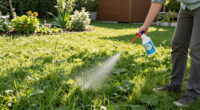
Experts advise that early intervention is crucial. Common control methods include applying pre-emergent herbicides before crabgrass seeds germinate, typically in early spring, and using post-emergent herbicides for existing patches. Proper lawn maintenance—such as mowing at the correct height, watering deeply but infrequently, and fertilizing appropriately—also helps strengthen turf and reduce susceptibility. Some experts note that recent increases in lawn care product sales reflect growing concern among homeowners about crabgrass invasion.
Impact of Crabgrass on Lawn Health and Aesthetics
The spread of crabgrass is significant because it can quickly overtake healthy turf, leading to patchy, unattractive lawns. Its aggressive growth habit means it outcompetes native grass species for nutrients, water, and sunlight, which can weaken the overall health of the yard. For homeowners, this not only diminishes curb appeal but can also increase maintenance costs and efforts. Furthermore, unchecked crabgrass can serve as a host for pests and diseases that threaten other plants.
As an affiliate, we earn on qualifying purchases.
Seasonal Trends and Lawn Care Practices Fueling Crabgrass Spread
Crabgrass is a warm-season annual weed that germinates when soil temperatures reach around 55-60°F, typically in late spring. Its proliferation is often linked to environmental conditions such as recent rainfall and soil disturbance from aeration or tilling. The trend of increasing crabgrass sightings coincides with the start of the growing season, which historically sees higher interest in lawn care and weed control among homeowners. While no specific event has been identified as the trigger, experts note that rising temperatures and wetter springs are plausible factors contributing to the current surge.
Unconfirmed Factors Behind the Sudden Surge in Crabgrass
While environmental conditions are believed to be a primary driver, the exact reasons for the recent spike in crabgrass coverage remain unconfirmed. It is unclear whether specific recent weather patterns, changes in lawn care habits, or other factors such as soil health or seed dispersal are contributing more significantly. Researchers and lawn care professionals continue to monitor the situation, but definitive conclusions have yet to be reached.
Upcoming Lawn Care Strategies and Monitoring Efforts
Experts recommend homeowners stay vigilant and begin applying pre-emergent herbicides early in the season, ideally before crabgrass seeds germinate. Continued monitoring of lawns for emerging patches is advised, along with timely spot treatments of post-emergent herbicides. Lawn care companies may increase outreach and guidance as the season progresses, and research into environmental factors influencing crabgrass growth is ongoing. Future updates are expected as more data on weather patterns and infestation levels become available.
Key Questions
When should I apply pre-emergent herbicide to prevent crabgrass?
Typically, pre-emergent herbicides should be applied in early spring, when soil temperatures reach around 55-60°F, before crabgrass seeds start germinating. Local climate conditions may influence the exact timing, so check with local extension services for precise recommendations.
Can I control crabgrass without chemicals?
Yes, maintaining a healthy, dense lawn through proper mowing, watering, and fertilization can help suppress crabgrass growth. Manual removal and overseeding with desirable grass species can also reduce weed presence, but chemical controls are generally more effective for large infestations.
Is crabgrass harmful to my lawn or just unsightly?
Crabgrass is primarily an invasive weed that competes with desirable turfgrass, leading to patchy and uneven lawns. While it is not directly harmful to the lawn in terms of toxicity, its presence weakens overall turf health and aesthetic appeal.
Will climate change affect crabgrass growth in the future?
Potentially, yes. Warmer temperatures and increased rainfall patterns associated with climate change could extend the growing season for crabgrass, making control more challenging and requiring adjustments in lawn care practices.
Source: rss
Evergreen bestsellers Picks
bestsellers
As an affiliate, we earn on qualifying purchases.