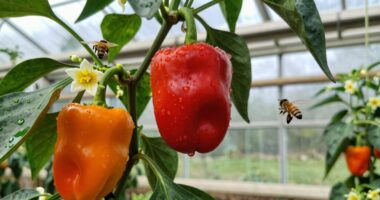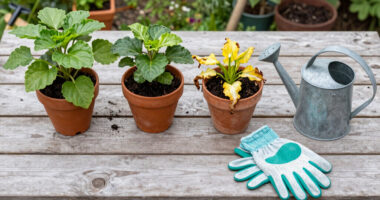
Healthy plants thrive when you maintain consistent care, especially with watering and soil management. Focusing on steady routines helps build strong roots and resilient growth, rather than constantly adding products. Fluctuations in watering or soil conditions can stress plants and make them vulnerable to pests or disease. By sticking to a reliable routine, you create a stable environment that promotes long-term health. Keep going, and you’ll discover how consistent care makes all the difference.

Get garden gear delivered free with Prime
- Fast, free delivery on millions of items
- Prime Video, Amazon Music and more included
- Member-only deals all year
Key Takeaways
- Consistent care ensures stable soil conditions and proper watering, promoting strong root development and overall plant health.
- Regular routines prevent shock and stress, allowing plants to adapt and thrive over time.
- Maintaining soil quality through routine testing and amendments creates a resilient environment for growth.
- Predictable watering habits support deep roots and reduce disease risks associated with irregular moisture levels.
- Focused consistency builds a healthy cycle of nutrient absorption and growth, rather than relying on excess products.
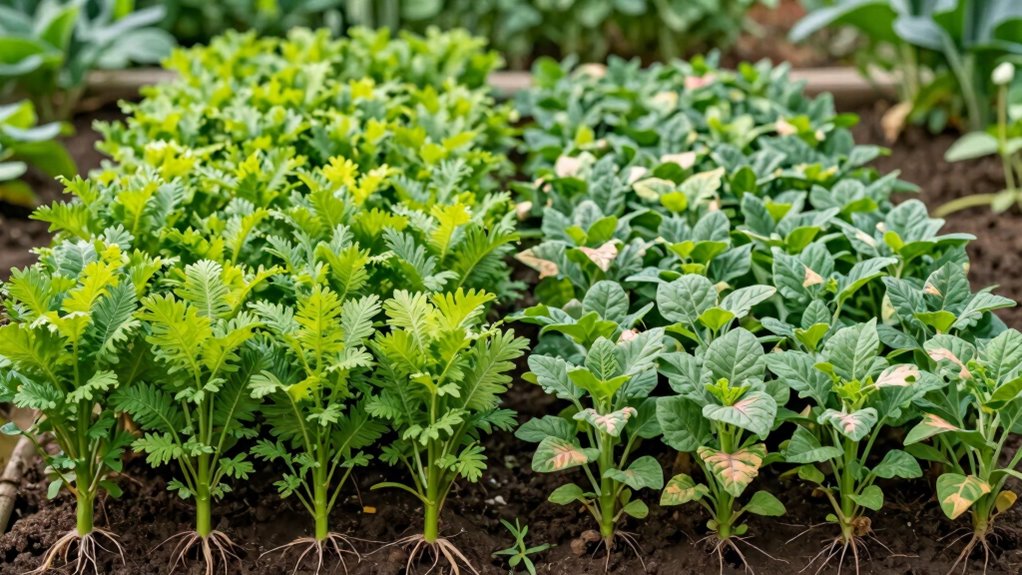
Have you ever wondered why some plants thrive while others struggle? The secret isn’t always in the number of products you use or how often you apply them. Instead, the key lies in consistency—particularly in your approach to soil quality and watering habits. When you focus on maintaining a steady routine, your plants develop stronger roots and healthier growth patterns, making them more resilient over time.
Soil quality plays a vital role in plant health. If your soil isn’t consistently healthy, no amount of fertilizers or supplements will produce lasting results. Regularly checking and improving your soil guarantees it provides the right balance of nutrients and proper drainage. This doesn’t mean you need fancy amendments every week, but rather, you should develop a routine: test your soil periodically, add organic matter when needed, and avoid abrupt changes that can shock your plants. By doing so, you create a stable environment where roots can grow deeply and access nutrients efficiently. This consistent care builds a solid foundation, making your plants less vulnerable to pests and diseases. Soil health is fundamental to supporting resilient plant growth and ensuring long-term vitality. Developing a routine that promotes soil stability can significantly enhance overall plant health. Additionally, understanding the importance of soil testing can help you better tailor your amendments and avoid unnecessary guesswork. Regular monitoring and adjustments are key to maintaining optimal conditions.
Watering habits are equally important. Many plant problems stem from irregular or improper watering. Overwatering can drown roots, while underwatering weakens the plant’s ability to transport nutrients. Instead of guessing how much water your plants need each day, establish a routine. Check the soil moisture regularly—stick your finger in the soil or use a moisture meter—and water only when the top inch feels dry. Keep your watering schedule consistent, avoiding drastic changes that can stress the plant. This steady approach helps roots grow deep and strong, and it encourages your plants to develop a robust internal system that can withstand environmental fluctuations. Consistent watering also minimizes the risk of disease development caused by overly moist conditions. Establishing a predictable watering pattern can be a simple yet effective way to support your plants’ overall health. Proper watering techniques are crucial for fostering healthy, resilient plants.
As an affiliate, we earn on qualifying purchases.
Frequently Asked Questions
How Does Soil Quality Affect Plant Health?
Soil quality directly impacts your plant health by providing essential soil nutrients that support growth. Healthy soil also boosts microbial activity, which helps break down organic matter, releasing nutrients your plants need. When your soil is rich and balanced, plants are more resilient and grow stronger. Consistently maintaining good soil quality guarantees your plants thrive, rather than relying on more products, which may not address underlying soil issues.
Can Healthy Plants Thrive With Minimal Watering?
Did you know that overwatering risks root rot and other issues, yet healthy plants can still thrive with minimal watering? By watering deeply but infrequently, you boost drought resilience and encourage strong roots. Consistent watering, rather than frequent, shallow doses, helps plants develop resilience. So, yes, healthy plants can thrive on minimal watering if you focus on balance, avoiding overwatering risks and promoting drought tolerance.
What Are Common Mistakes in Plant Maintenance?
You often make mistakes in plant maintenance by inconsistent watering habits, which stress your plants and hinder growth. Overwatering or underwatering can lead to root rot or dehydration. Additionally, neglecting pest management allows pests to thrive and damage your plants. To keep them healthy, establish a regular watering schedule, monitor moisture levels, and inspect for pests frequently. Consistency in these practices helps your plants stay strong and vibrant.
How Does Light Exposure Influence Plant Growth?
Light exposure directly impacts your plant’s growth by influencing photosynthesis efficiency. The right light intensity helps your plant produce energy effectively, promoting healthy development. Too little light slows growth, while too much can cause stress or leaf burn. You should monitor your plant’s response and adjust its light exposure accordingly. Consistent, suitable light levels guarantee maximum photosynthesis, resulting in healthier, more vigorous plants over time.
Are Organic Fertilizers Better for Plant Consistency?
Like a knight choosing his sword, you can see organic fertilizers as better for plant consistency. Organic benefits include improving soil health and providing steady nutrients, leading to healthier, more resilient plants. Fertilizer choices matter, and organic options often foster a balanced environment that encourages steady growth. While synthetic fertilizers might give quick results, organic ones support long-term health, helping your plants stay consistent and strong over time.
Conclusion
Remember, when it comes to healthy plants, consistency is the secret ingredient. Like a gentle rhythm guiding a dance, steady care nurtures roots and blossoms. More products might seem tempting, but they can drown out the simple magic of regular attention. Think of your plants as a trusted friend—what they need most is your constant presence, patience, and love. After all, isn’t it the steady hand that turns a sapling into a flourishing tree?
Halloween Picks
halloween
As an affiliate, we earn on qualifying purchases.