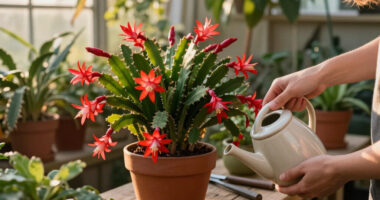
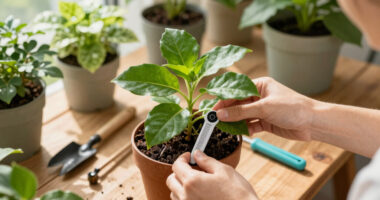
A well-designed propagation area boosts your plant care success by creating the perfect environment for roots to develop and cuttings to thrive. It helps you control moisture, temperature, and light, reducing stress and preventing issues like mold or root rot. With proper ventilation and climate management, you’ll see healthier, more resilient plants grow faster. Keep exploring to discover how to optimize your space even further and make propagation easier and more rewarding.
Listen free for 30 days with Audible
Thousands of audiobooks and originals — cancel anytime.
As an affiliate, we earn on qualifying purchases.
Key Takeaways
- A dedicated area ensures optimal environmental conditions, boosting propagation success and healthy plant development.
- It simplifies watering and lighting management, leading to more predictable and consistent results.
- Proper airflow and temperature controls prevent mold, root rot, and plant stress.
- Tailored setups reduce time and effort, making propagation more efficient and enjoyable.
- Controlled environments promote resilient plants, increasing overall propagation success rates.
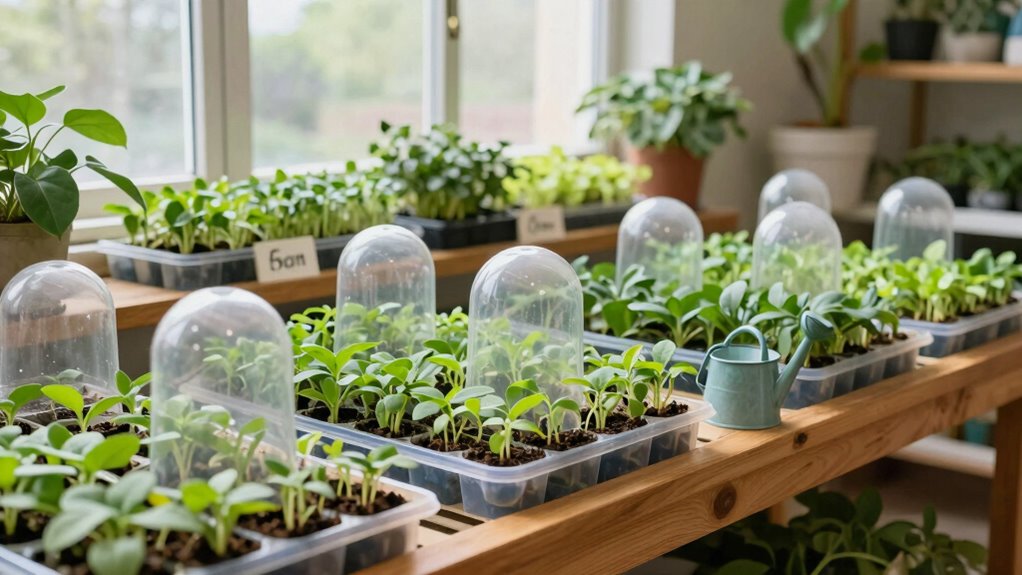
Have you ever wondered how to efficiently expand your plant collection? Creating a dedicated propagation area can transform your approach to plant care, making it easier to nurture new cuttings and seedlings. When setting up this space, the key lies in understanding the importance of proper watering techniques and lighting optimization. These elements are essential to ensuring your propagated plants develop strong roots and healthy growth from the start.
Creating a dedicated propagation space with proper watering and lighting boosts plant success and growth.
In your propagation area, mastering watering techniques is fundamental. Overwatering can drown delicate roots, leading to rot, while underwatering leaves your cuttings vulnerable and stunted. You’ll want to keep the soil consistently moist but not soaked. Using a spray bottle or gentle watering can help you maintain control, providing just enough moisture without disturbing the developing roots. Additionally, employing a humidity dome or plastic covering can create a humid environment, reducing water loss through evaporation and encouraging root growth. Regularly checking moisture levels and adjusting your watering schedule as needed guarantees your cuttings stay healthy and vigorous. Incorporating climate control strategies can further enhance plant health and growth in your propagation area. Maintaining proper air circulation is also crucial, as stagnant air can promote mold and disease, hindering your plants’ development. Proper temperature regulation is equally important, as fluctuations can stress young plants and impede root formation.
Lighting optimization is equally critical in your propagation space. Young plants and cuttings require bright, indirect light to thrive. Direct sunlight can scorch tender leaves, while insufficient light hampers photosynthesis and delays growth. Position your propagation area near a south or east-facing window or use grow lights that emit full-spectrum light tailored for plant development. Adjustable lighting allows you to customize intensity and duration, mimicking natural conditions that promote root formation and leaf development. Keep in mind that consistent light exposure helps prevent etiolation—a condition where plants become leggy and weak due to inadequate light. Proper ventilation and temperature control are also vital in maintaining an ideal environment, preventing issues like mold or heat stress that can hinder growth. By paying close attention to these factors, you create an environment where your plants can flourish early on, giving you a head start on building a thriving collection. Not only does this approach save you time and effort, but it also increases your success rate in propagating healthy, resilient plants. Over time, you’ll find that a dedicated space with tailored watering and lighting setups makes plant propagation more predictable and rewarding, turning your hobby into a more efficient and enjoyable process.
As an affiliate, we earn on qualifying purchases.
Frequently Asked Questions
What Are the Best Tools for Propagation?
You’ll want sharp pruning shears and clean scissors for taking cuttings, ensuring clean cuts that promote healthy roots. Use propagation media like moist soil, perlite, or water to support root growth. Applying rooting hormones helps speed up rooting and increases success rates. A spray bottle for humidity, labels to identify plants, and a sharp knife for precise cuts are also essential tools to make propagation easier and more successful.
How Do I Prevent Pests in the Propagation Area?
You can prevent pests by regularly inspecting your plants for pest identification early on. Use natural repellents like neem oil or insecticidal soap, which are safe and effective. Keep your propagation area clean, remove dead leaves, and guarantee good air circulation to deter pests. Quarantining new plants before introducing them also helps prevent pest spread. Consistent vigilance and natural deterrents will keep your propagation space healthy and pest-free.
What Lighting Is Ideal for Propagating Plants?
You should use bright, indirect light or fluorescent lighting for propagating plants. These lighting types promote healthy root development without stressing delicate cuttings. Position the lights about 2-4 inches above the plants to guarantee even light distribution, but avoid direct sunlight, which can scorch or dry out your seedlings. Proper light positioning and choosing the right lighting types help create a suitable environment for successful propagation.
How Often Should I Water New Cuttings?
You should water new cuttings when the top inch of soil feels dry, usually every few days, but avoid overwatering. Using rooting hormones can boost success, and placing your cuttings in propagation stations guarantees proper humidity and drainage. Consistent moisture is key, so monitor closely and adjust watering frequency as needed. Proper care and environment will help your cuttings develop strong roots quickly.
How to Maintain Humidity Levels Effectively?
Did you know that maintaining ideal humidity can boost rooting success by up to 50%? To effectively control humidity, focus on humidity control techniques like using a humidifier, placing water trays nearby, or covering cuttings with clear plastic. Misting techniques also help, but avoid overdoing it to prevent mold. Regularly monitor humidity levels with a hygrometer, and adjust your methods to keep conditions consistently perfect for healthy plant propagation.
Conclusion
A well-designed propagation area is like a nurturing nursery where your plants can grow strong and healthy. By giving your plants the right environment, you’re planting the seeds for a lush, thriving garden. Think of it as tending to a delicate symphony, where each detail plays an essential role in harmony. With care and attention, your propagation space becomes the foundation for a garden that blooms with beauty and vitality, flourishing like a vibrant tapestry of life.
Fall Picks
fall essentials
As an affiliate, we earn on qualifying purchases.