To care for soil and fertilize your greenhouse plants effectively, focus on maintaining healthy, well-draining soil rich in organic matter like compost. Avoid overwatering and practice deep, infrequent watering to promote strong roots. Mulch to retain moisture and regulate temperature. Use natural microbial boosters to suppress pests and diseases. Proper soil management supports resilient plants, making pest control easier. Keep exploring more tips to optimize your soil health and plant growth.
Key Takeaways
- Use well-draining, organic-rich soil mixes to promote healthy root development and microbial activity.
- Incorporate compost or organic fertilizers to supply essential nutrients and enhance soil fertility.
- Maintain consistent moisture levels with deep, infrequent watering to support plant resilience.
- Mulch around plants to retain moisture, regulate soil temperature, and suppress weeds.
- Regularly test soil nutrient levels and adjust fertilization accordingly to meet plant needs.

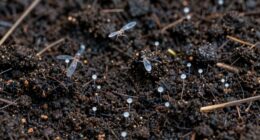
Maintaining healthy soil is essential for thriving greenhouse plants, as it directly impacts their growth and overall health. When your soil is in good condition, your plants are better equipped to absorb nutrients, resist pests, and withstand diseases. To achieve this, you need to pay close attention to pest management and watering techniques, which are vital in keeping your soil balanced and free of harmful organisms. Pest management involves more than just applying pesticides; it starts with healthy soil that naturally suppresses pests. Avoid overwatering, which can create damp, oxygen-poor conditions that attract fungal pathogens and pests like fungus gnats. Instead, focus on watering techniques that promote proper moisture levels—deep, infrequent watering encourages roots to grow deeper, making plants more resilient. Use well-draining soil mixes to prevent water from pooling and to reduce the likelihood of pests thriving in overly moist environments. Regularly inspecting your plants for signs of pests and acting promptly helps keep infestations under control before they spread and damage your soil’s health.
Additionally, incorporating organic matter such as compost into your soil improves its structure, enhances microbial activity, and boosts nutrient availability. Healthy soil rich in beneficial microbes naturally suppresses harmful pests and diseases, reducing your reliance on chemical controls. When watering, make sure to maintain consistent moisture levels—neither too dry nor overly saturated—as fluctuating moisture can weaken plant defenses and invite pests like aphids or whiteflies. Use watering cans or drip irrigation systems to deliver water efficiently, avoiding splashing that can spread pests or diseases. Mulching around your plants also helps retain soil moisture, regulate temperature, and prevent weed growth, which can be hosts for pests. Proper soil aeration and soil microbial health further contribute to a resilient plant environment, making pest management easier and more effective. Remember, good watering techniques not only keep your plants hydrated but also contribute to a healthier soil ecosystem, making pest management easier and more effective.
Frequently Asked Questions
How Often Should I Test Soil Ph Levels in My Greenhouse?
You should test your soil pH levels at least once every 4 to 6 weeks to guarantee ideal plant growth. Establishing a consistent pH monitoring schedule helps you catch any changes early, allowing for timely adjustments. Regular soil testing keeps your greenhouse plants healthy, preventing nutrient deficiencies or toxicities. If you’re growing sensitive plants or experiencing pH fluctuations, consider testing more frequently to maintain perfect soil conditions.
What Are the Best Organic Fertilizers for Greenhouse Plants?
Imagine your greenhouse bursting with healthy, lush growth. You can achieve this with organic fertilizers like worm castings, rich in nutrients that energize your plants. Add seaweed extract to boost resilience and stimulate root development. These natural options nourish your soil gently yet effectively, creating a vibrant green oasis. Your plants will thrive, their leaves shimmering, thanks to the nourishing power of organic fertilizers like worm castings and seaweed extract.
How Can I Improve Soil Drainage Naturally?
You can improve soil drainage naturally by adding compost amendments, which help break up compacted soil and enhance water flow. Incorporate organic matter thoroughly into your soil, and apply a layer of mulch around your plants to prevent soil compaction and retain moisture balance. These methods promote better drainage, support healthy root development, and create an ideal environment for your greenhouse plants to thrive.
Are There Specific Fertilizers for Different Greenhouse Plant Species?
A wise gardener knows that “one size doesn’t fit all.” You should use specialized fertilizers tailored to each greenhouse plant species, providing plant-specific nutrients that meet their unique needs. For example, flowering plants benefit from phosphorus-rich fertilizers, while leafy greens thrive with nitrogen-heavy formulas. By selecting the right fertilizers, you guarantee healthy growth and vibrant blooms, giving your plants exactly what they require to flourish.
When Is the Optimal Time to Fertilize During Plant Growth?
You should fertilize your greenhouse plants during their active growth stage for ideal results. The best timing of fertilization depends on the specific growth stage, typically when new leaves or stems are emerging. Apply a balanced fertilizer regularly, usually every 2-4 weeks, to support healthy development. Avoid over-fertilizing during dormant periods, and always adjust based on plant response and growth needs to promote vigorous growth.
Conclusion
Think of your greenhouse soil as a living partner—nurture it, and it rewards you with lush, vibrant plants. I once saw a gardener transform tired soil into a thriving oasis simply by consistent fertilization and care, much like tending a delicate garden of trust. Remember, healthy soil isn’t just a foundation; it’s the heartbeat of your greenhouse’s success. With attentive care, your plants will flourish, turning your greenhouse into a thriving sanctuary.