TL;DR

Get garden gear delivered free with Prime
- Fast, free delivery on millions of items
- Prime Video, Amazon Music and more included
- Member-only deals all year
Many gardeners notice tomato plants with flowers but no fruit. This article explains common causes, confirmed solutions, and what to do before the season ends to improve yields.
Many tomato growers are observing that their plants are producing flowers but no fruit, a common issue as the season progresses. Experts confirm that this phenomenon is often caused by environmental stresses or nutritional deficiencies, and addressing these factors can improve fruit set before the growing season ends. Experts confirm that this phenomenon is often caused by environmental stresses or nutritional deficiencies, and what to do with tomatoes in July to keep the harvests coming can help improve fruit set before the growing season ends. This development matters because it directly impacts gardeners’ yields and their ability to harvest ripe tomatoes this year.
According to horticultural specialists, the primary reasons tomatoes produce flowers but fail to set fruit include temperature fluctuations, inconsistent watering, and nutrient imbalances. High daytime temperatures above 85°F and night temperatures above 70°F can cause pollination failure, leading to flowers dropping without developing into fruit. Additionally, irregular watering—either too much or too little—can stress plants and inhibit fruit set, even when flowers are present.
Experts also point to nutritional deficiencies, especially a lack of calcium or insufficient potassium, which are critical for fruit development. Some gardeners have reported that excessive nitrogen fertilization encourages leafy growth at the expense of fruit production, further complicating the issue. To mitigate these problems, horticulturists recommend maintaining consistent watering, avoiding over-fertilization, and providing balanced nutrients.
While some claims suggest that certain pests or diseases could interfere with pollination, current confirmed information indicates that environmental stressors are the predominant causes. Gardeners are advised to monitor weather forecasts closely and adjust their care routines accordingly to maximize fruit set before the season ends.
Impacts on Garden Yields and Future Crops
This issue directly affects gardeners’ harvests, especially for those relying on homegrown tomatoes for fresh eating or preserving. Understanding and addressing the causes of flowers not turning into fruit can help maximize remaining yields before the season concludes. Additionally, learning these solutions can inform future planting strategies, improving success in subsequent seasons.
Failing to address environmental and nutritional issues may result in poor fruit development, leading to wasted effort and lost harvests. For commercial growers, these problems can impact profitability, making timely intervention critical. Overall, recognizing the factors behind flower drop and taking corrective steps can make the difference between a bountiful harvest and disappointment.
tomato plant fertilizer for fruit set
As an affiliate, we earn on qualifying purchases.
As an affiliate, we earn on qualifying purchases.
Common Causes of Flower Drop in Tomatoes
Tomato plants naturally produce flowers as part of their reproductive cycle, but environmental conditions heavily influence whether these flowers develop into fruit. Historically, growers have observed that high temperatures, inconsistent watering, and nutrient imbalances are the leading causes of flower drop without fruit formation.
In recent seasons, climate variability has increased the frequency of temperature extremes, making this issue more common. Experts note that during hot spells, pollination can be disrupted, as pollen becomes less viable or flowers close prematurely. Additionally, the timing and method of fertilization play a role; over-fertilizing with nitrogen encourages foliage growth but can suppress fruiting. Proper watering practices, such as deep, consistent watering and mulching, help reduce plant stress and support fruit development.
Previous research and expert advice emphasize that gardeners should monitor weather conditions, provide balanced nutrition, and avoid stressing plants to ensure better fruit set during the remaining weeks of the season.
“Temperature stress and nutritional imbalances are the most common reasons tomatoes produce flowers but no fruit. Addressing these issues can significantly improve your harvest.”
— Dr. Lisa Montgomery, Extension Horticulturist
Unconfirmed Factors and Ongoing Research
While environmental stressors are confirmed as primary causes, the exact impact of certain pests or diseases on flower-to-fruit transition remains less clear. Some claims suggest pests like thrips or diseases such as blossom end rot could play a role, but current scientific evidence does not definitively link these factors to flower drop without fruit. Researchers are still studying how specific pathogen interactions or microclimate variations influence pollination success.
Additionally, the effectiveness of certain home remedies or commercial products marketed to improve fruit set has not been conclusively proven, and further trials are needed to validate these claims.
Recommended Actions and Future Monitoring
Gardeners should focus on maintaining optimal growing conditions through consistent watering, providing balanced fertilization with adequate calcium and potassium, and protecting plants from extreme heat. Monitoring weather forecasts can help plan watering and shading strategies during heatwaves.
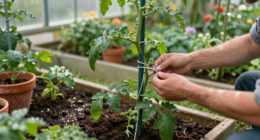
Experts advise continuing to observe flowering and fruiting patterns, adjusting care routines as needed, and removing stressed or diseased plants to prevent further issues. As the season progresses, gardeners can also experiment with pollination aids, such as gentle brushing of flowers or planting companion species to attract pollinators.
Research into more resilient tomato varieties and improved cultivation practices is ongoing, with future recommendations expected to help mitigate this problem more effectively.
Key Questions
Why are my tomato plants flowering but not producing fruit?
This is most often caused by environmental stressors such as high temperatures, inconsistent watering, or nutrient deficiencies, especially a lack of calcium or potassium. These factors interfere with pollination and fruit development.
Can I still improve fruit set before the season ends?
Yes. Maintaining consistent watering, avoiding excess nitrogen, providing balanced nutrients, and protecting plants from extreme heat can help improve fruit set in the remaining weeks of the growing season.
Are pests or diseases responsible for flower drop?
While some pests and diseases may contribute, current confirmed evidence indicates that environmental stresses are the primary causes. Proper plant care can mitigate these issues.
Should I use any special products to boost fruit set?
There is limited scientific evidence supporting the effectiveness of commercial products marketed for this purpose. Focus on environmental management and proper nutrition for best results.
What should I do if my plants continue to drop flowers without fruit?
Assess environmental conditions, adjust watering and fertilization routines, and consider providing shade during extreme heat. If problems persist, consult local gardening experts for tailored advice.
Source: rss
Fall yard work Picks
leaf blowers
As an affiliate, we earn on qualifying purchases.