To make your greenhouse more efficient without spending much, maximize sunlight by positioning it in a sunny spot and using reflective surfaces. Use simple water-saving methods like drip irrigation and mulch to reduce water use. Insulate with bubble wrap or thermal curtains at night to retain heat, and guarantee proper ventilation for airflow. Small tweaks like these can considerably boost efficiency—keep exploring to discover even more cost-effective tips.
Listen free for 30 days with Audible
Thousands of audiobooks and originals — cancel anytime.
As an affiliate, we earn on qualifying purchases.
Key Takeaways
- Maximize sunlight exposure by positioning the greenhouse in a sunny, unobstructed location and using reflective ground surfaces.
- Use simple insulation like bubble wrap or foam at night to retain heat without significant cost.
- Implement water-saving techniques such as drip irrigation and rainwater harvesting to reduce water expenses.
- Enhance airflow and humidity control with natural ventilation and shading to optimize climate conditions.
- Mulch beds and monitor soil moisture to improve plant health and reduce unnecessary watering.
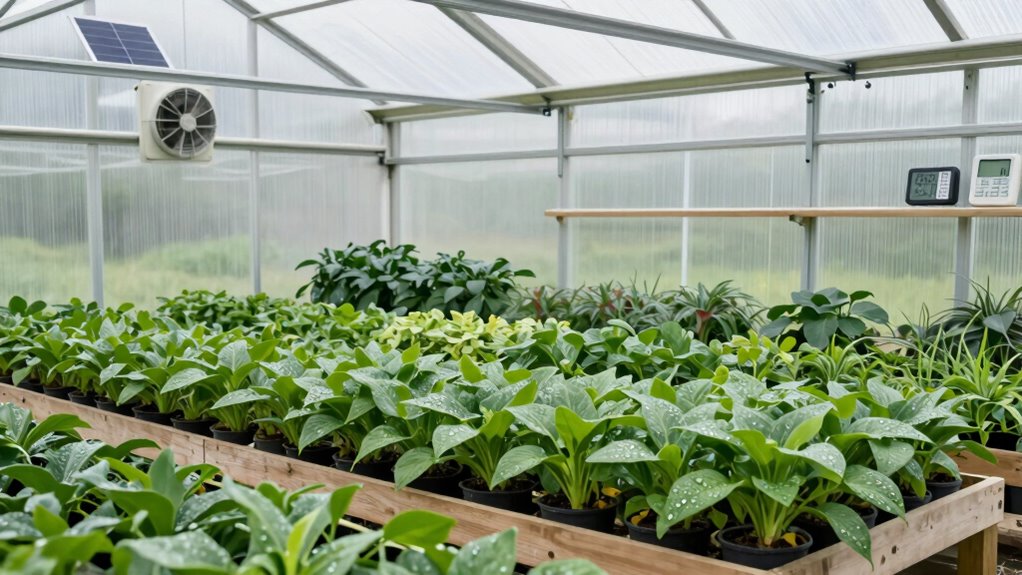
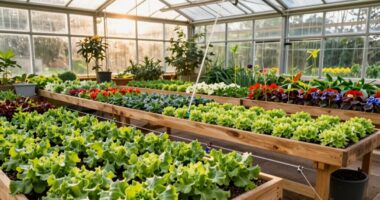
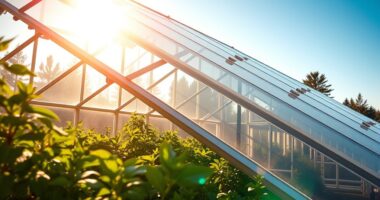
Creating an efficient greenhouse starts with understanding how to optimize its environment for plant growth. One of the most effective ways to do this without spending a lot is by leveraging natural resources and simple modifications. Solar heating plays a pivotal role here. By making your greenhouse more receptive to sunlight, you can reduce reliance on artificial heating systems. Confirm your greenhouse has ample transparent surfaces, like glass or clear plastic, to maximize sunlight penetration. Position it in a spot that receives direct sunlight for the majority of the day, and avoid shading structures or trees that could block sunlight. You can also consider installing reflective materials or using white paint on the ground inside to bounce light around, further enhancing heat distribution. These small steps help keep temperatures stable, especially during cooler months, reducing the need for supplementary heat sources. Additionally, understanding the importance of Solar heating can guide you in designing or modifying your greenhouse for better energy efficiency. Water conservation is another key aspect of making your greenhouse more efficient. Water is a precious resource, and conserving it not only saves money but also benefits your plants. Use drip irrigation or soaker hoses to deliver water directly to the plant roots, minimizing waste from evaporation or runoff. Mulching your beds with straw, bark, or other organic materials can considerably reduce water evaporation from the soil surface, keeping moisture levels consistent and reducing the frequency of watering. Collecting rainwater is an excellent cost-free method to supply your greenhouse, so consider installing a simple rain barrel system. This collected water can be used to maintain your plants, lowering your dependence on municipal water supplies. Additionally, monitor your soil’s moisture levels with a simple moisture meter to avoid overwatering, which can lead to root rot and other issues. Water-saving techniques like these not only cut costs but also promote healthier plant growth. Incorporating climate control strategies such as shading or misting systems can further optimize temperature and humidity levels efficiently. Using proper insulation, such as foam or bubble wrap, can help retain heat during colder months, making your greenhouse even more energy-efficient. To enhance insulation effectiveness, consider adding thermal curtains or plastic sheeting at night to trap warmth inside, especially during cold seasons. Ventilation is also essential; proper airflow helps regulate temperature and humidity, creating a healthier environment for your plants. By combining natural solar heating techniques with water conservation practices, you can considerably boost your greenhouse’s efficiency without breaking the bank. These low-cost adjustments not only save energy and water but also create a more sustainable, productive space for your plants to thrive year-round.

UBmove USA Reflective Insulation Bubble Roll, 48" x 125'
- Temperature Stabilization: Keeps indoor temperatures stable
- Made in the USA: High-quality American manufacturing
- Versatile Packaging Use: Suitable for business and personal use
As an affiliate, we earn on qualifying purchases.
As an affiliate, we earn on qualifying purchases.
Frequently Asked Questions
Can Insulation Alone Improve Greenhouse Efficiency?
Yes, insulation alone can improve your greenhouse’s efficiency. The insulation benefits include better temperature regulation and reduced energy costs. Proper insulation installation traps heat during colder months and keeps it out during warmer times, creating a stable environment for your plants. By focusing on insulation, you make your greenhouse more energy-efficient without significant expenses. This simple step helps you save money while maintaining ideal growing conditions year-round.
What Are the Best Low-Cost Ventilation Options?
You should consider passive cooling options like strategically placed vents and open windows to promote natural airflow, reducing the need for extra energy. Additionally, using low-cost ventilation fans can help circulate air effectively, especially during hot days. Combining passive cooling with affordable fans creates a cost-effective way to maintain ideal temperatures, improve plant health, and boost greenhouse efficiency without spending much.
How Often Should I Clean Greenhouse Glazing?
You should clean your greenhouse glazing at least once every six months to prevent plant disease and pest control issues. Regular cleaning removes dirt, algae, and grime that can harbor harmful pathogens. Clean more often if you notice condensation or dirt buildup. By maintaining clear, spotless glazing, you guarantee better light transmission, healthier plants, and reduce the risk of diseases spreading, keeping your greenhouse efficient and productive without extra spending.
Are Homemade Heating Solutions Effective?
DIY heating solutions can be quite effective if you use them wisely for energy conservation. You might consider homemade options like compost bins or solar heaters, which harness natural heat sources. These methods reduce your reliance on electric or gas heating, saving money and energy. While they might not fully replace traditional systems, they can substantially maintain warmth during colder days, making your greenhouse more efficient without extra expenses.
How to Monitor Greenhouse Temperature Economically?
You can monitor greenhouse temperature economically by using a simple digital thermometer or a DIY temperature sensor, which helps you maintain ideal conditions for plant growth and pest control. Regularly check these devices to prevent temperature fluctuations that could harm plants or encourage pests. Installing a basic, affordable thermometer in key areas guarantees you stay on top of temperature changes, ultimately boosting plant health and reducing the need for costly interventions.
Conclusion
By implementing these budget-friendly tips, you turn your greenhouse into a thriving oasis without breaking the bank. Think of it as nurturing a secret garden—each small change cultivates a bigger, more bountiful harvest. Remember, efficiency isn’t about spending more; it’s about working smarter. So, take these simple steps, and watch your greenhouse flourish like a well-tended masterpiece—proof that great things often come from humble beginnings.
College move-in / dorm season Picks
dorm essentials
As an affiliate, we earn on qualifying purchases.