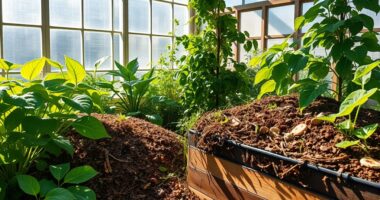
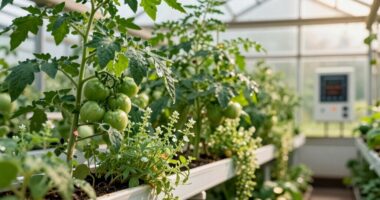
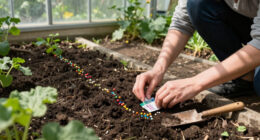
Building a green, eco-friendly greenhouse is easier by using recycled materials like reclaimed wood, recycled steel, and repurposed plastics. These options boost durability, reduce environmental impact, and save costs. Plus, they add unique aesthetic charm to your design. Proper treatment guarantees longevity and weather resistance. Incorporating recycled components supports sustainability and style. If you keep exploring, you’ll discover how to choose the best materials and make your project both eco-conscious and durable.
Listen free for 30 days with Audible
Thousands of audiobooks and originals — cancel anytime.
As an affiliate, we earn on qualifying purchases.
Key Takeaways
- Using recycled materials promotes eco-friendly construction and reduces waste in greenhouse projects.
- Reclaimed wood, steel, and plastics offer durable, weather-resistant options suitable for long-lasting greenhouses.
- Incorporating recycled bricks or tiles adds aesthetic character while supporting sustainability goals.
- Proper treatment and sourcing ensure recycled materials maintain strength and longevity over time.
- Building with recycled components enhances cost savings and aligns with eco-conscious, sustainable practices.

Have you ever considered how recycled materials can transform greenhouse construction? Using recycled materials isn’t just a trend; it’s a smart way to promote sustainability while building a durable structure that stands the test of time. When you prioritize sustainable sourcing, you’re choosing materials that have already served their purpose and can be repurposed rather than relying on new resources. This approach reduces environmental impact and minimizes waste. For example, reclaimed wood from old pallets, shipping crates, or demolished structures can become the framing for your greenhouse. These materials often possess excellent material durability, meaning they can withstand weather elements and wear over the years, making them a practical choice for long-term use. Additionally, considering the use of materials like steel, which can be recycled endlessly without losing strength, can further enhance your greenhouse’s resilience.
Recycled materials like reclaimed wood ensure durable, eco-friendly greenhouse construction with character and resilience.
Opting for recycled materials also means you can often find high-quality, sturdy components that have proven their resilience over time. Steel, for instance, can be recycled endlessly without losing strength, making it ideal for framing or support beams. When you source recycled steel, you’re not only reducing the need for new mining and manufacturing but also ensuring that your greenhouse has a robust skeleton. Similarly, recycled plastics can be used for panels or fittings. Modern recycled plastics are specially processed to enhance their durability, resistance to corrosion, and weatherproofing. These qualities mean your greenhouse will require less maintenance and last longer, saving you money and resources in the long run. Furthermore, using recycled materials can contribute to cost savings, making your project more affordable while maintaining quality.
Another benefit of using recycled materials is the potential for customization and unique aesthetics. Reclaimed bricks or tiles, for example, can add character and charm to your greenhouse, setting it apart from traditional designs. Plus, many recycled materials are versatile and adaptable, allowing you to get creative with your construction while sticking to eco-friendly principles. As you assemble your greenhouse, it’s important to focus on material durability—ensuring that each recycled component can handle the environmental conditions it will face. Proper treatment or sealing can enhance the longevity of reclaimed wood or other porous materials, giving you peace of mind that your investment is worthwhile. In addition, understanding the importance of material durability can help you make informed choices for long-lasting results.
Ultimately, building with recycled materials aligns with sustainable sourcing goals and results in a resilient, long-lasting greenhouse. It’s a practical choice that benefits the environment, your wallet, and the integrity of your structure. When you select durable, recycled components, you’re making a statement about your commitment to eco-friendly practices without sacrificing quality or functionality. This approach not only helps reduce waste but also demonstrates how innovation and sustainability can go hand in hand in modern construction. Incorporating recycled building materials can significantly improve the sustainability of your project and contribute to a greener future.
reclaimed wood for greenhouse framing
As an affiliate, we earn on qualifying purchases.
As an affiliate, we earn on qualifying purchases.
Frequently Asked Questions
Are Recycled Materials Durable Enough for Long-Term Greenhouse Use?
Recycled materials can be durable enough for long-term greenhouse use if you choose wisely. Many recycled options, like sturdy plastics and metals, have excellent recycled material longevity and can withstand weather and wear over time. Plus, using recycled materials reduces environmental impact, making your greenhouse eco-friendly. Just make certain you’re selecting high-quality, suitable materials, and you’ll enjoy a sustainable, durable structure that benefits both your project and the planet.
How Do Recycled Materials Impact Greenhouse Insulation?
Did you know that recycled materials like plastic and aluminum can improve your greenhouse’s insulation effectiveness? Their material thermal properties often help retain heat better than traditional options, reducing energy costs. Recycled materials typically have good insulation qualities, but their effectiveness depends on proper installation. Using these materials wisely can create a more energy-efficient greenhouse, keeping your plants warm and thriving while also supporting sustainability.
What Safety Considerations Exist When Using Recycled Materials?
When using recycled materials, you need to prioritize safety by conducting thorough hazard identification and material testing. Make sure the materials are free from harmful chemicals, mold, or pests. Always wear protective gear during installation and handle materials carefully. Check for structural integrity to prevent accidents. By identifying potential hazards early and testing materials properly, you guarantee a safe environment for your greenhouse and those working or visiting it.
Can Recycled Materials Be Customized for Specific Greenhouse Designs?
You can definitely customize recycled materials for your greenhouse design using various recycling techniques. These methods enable you to adapt materials like reclaimed wood, plastics, or metal to fit your specific needs. By carefully selecting and modifying these materials, you guarantee your greenhouse meets your style and functional requirements. Customization through recycling techniques also promotes sustainability, allowing you to create a unique, eco-friendly structure tailored precisely to your vision.
Are There Cost Benefits to Using Recycled Materials Over New Ones?
Imagine finding a treasure chest—using recycled materials can be your hidden gem. You often see cost savings and improved material availability when opting for recycled options, making your project more affordable. Recycled materials can reduce expenses on new supplies and often come from readily available sources. So, yes, choosing recycled options not only benefits the environment but also your budget, turning your greenhouse idea into a cost-effective reality.
Conclusion
Using recycled materials for your greenhouse not only benefits the environment but also saves you money. Did you know that incorporating recycled resources can reduce construction waste by up to 90%? By choosing eco-friendly options like reclaimed wood or repurposed plastic, you’re making a smart, sustainable choice. Plus, you’ll enjoy the satisfaction of building a greenhouse that’s both functional and environmentally responsible. Start integrating recycled materials today and help foster a greener, healthier planet for tomorrow.
NFL season / tailgating Picks
team gear
As an affiliate, we earn on qualifying purchases.