Small, consistent improvements in your greenhouse’s climate and water management quickly multiply because each tweak builds on the last, creating long-term benefits. Adjusting ventilation, shading, or watering schedules stabilizes conditions, reducing stress on equipment and plants. Over time, these small changes save energy and water, lower costs, and promote healthier growth. When you keep making tiny optimizations, they add up fast, transforming your greenhouse’s efficiency and productivity—if you want to discover more, keep exploring how these small tweaks work together.

Get garden gear delivered free with Prime
- Fast, free delivery on millions of items
- Prime Video, Amazon Music and more included
- Member-only deals all year
Key Takeaways
- Small adjustments in climate and water management compound over time, leading to significant overall improvements.
- Incremental tweaks optimize resource use, reducing waste and lowering operational costs rapidly.
- Continuous, minor system improvements enhance plant health and yields, amplifying productivity gains.
- Regular, consistent actions build upon each other, creating a cumulative effect on efficiency.
- Enhancing system performance incrementally extends equipment lifespan and sustainability, accelerating long-term benefits.

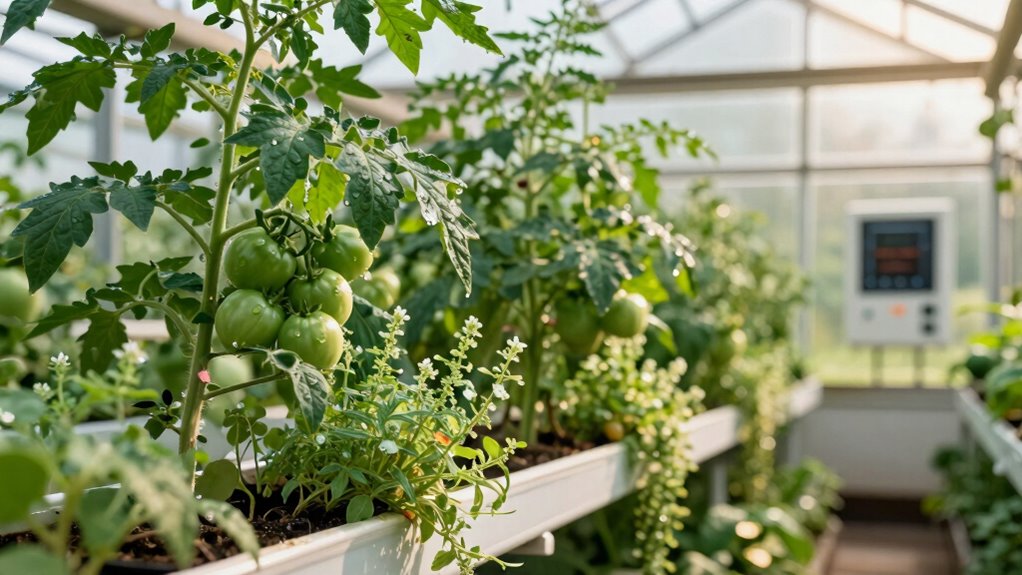
Have you ever wondered how small improvements can make a big difference in a greenhouse’s efficiency? It’s often the little tweaks that add up over time, transforming your setup into a more productive and sustainable space. When it comes to climate control, even minor adjustments can lead to notable energy savings and better plant health. For example, fine-tuning your ventilation system or installing a simple shade cloth can stabilize temperature and humidity levels. These small changes reduce stress on your heating and cooling systems, meaning you use less energy and cut costs. Over days, weeks, and months, these savings compound, making your greenhouse more cost-effective and environmentally friendly. Plus, more stable climate conditions promote healthier plant growth, resulting in higher yields. Incorporating biodiversity principles can further enhance the resilience and sustainability of your greenhouse environment.
Small adjustments in climate control can boost efficiency, save energy, and improve plant health over time.
Water management is another area where tiny improvements can snowball into major benefits. Efficient water use is essential in a greenhouse, not only to save on water bills but also to prevent overwatering or underwatering your plants. Installing drip irrigation or adjusting watering schedules based on precise moisture levels can seem minor at first, but the impact is considerable. Better water management ensures plants receive the right amount of moisture, reducing waste and preventing issues like root rot or drought stress. When you consistently optimize watering practices, you see healthier plants and improved productivity. These small, consistent adjustments add up, especially when combined with rainwater harvesting or soil moisture sensors, which help automate and refine watering routines. Regularly monitoring system efficiency can help identify areas where you might be losing energy or resources, further enhancing overall productivity.
The key is understanding that these small improvements are interconnected. Climate control adjustments can influence water needs; for instance, reducing excessive humidity can lower the risk of fungal diseases and decrease the need for fungicides. Conversely, better water management can help maintain consistent humidity levels, making climate control easier and more effective. You don’t need a complete overhaul to see benefits—simple, deliberate actions often yield the best results. Regularly monitoring and tweaking your systems ensures you’re making the most of every small gain, and paying attention to system efficiency can help maximize your efforts. These incremental changes can considerably reduce operational costs, improve plant health, and extend the lifespan of your equipment.
In essence, small efficiency gains are like building blocks. Each tweak, no matter how minor, contributes to a more resilient, productive greenhouse. By paying attention to details like climate control and water management, you set the stage for long-term success. As the benefits accumulate, you’ll find that these tiny improvements are well worth the effort, resulting in a healthier, more sustainable, and more profitable greenhouse operation.
As an affiliate, we earn on qualifying purchases.
Frequently Asked Questions
How Do Small Efficiency Gains Impact Overall Greenhouse Profitability?
Small efficiency gains markedly boost your greenhouse profitability by enhancing crop optimization and reducing energy costs. When you make minor improvements, such as better climate control or lighting adjustments, they accumulate over time, leading to substantial savings. These energy savings lower your expenses, while optimized crop practices increase yields. Together, these small gains create a ripple effect, improving your overall profitability faster than you might expect.
What Are the Initial Costs of Implementing Efficiency Improvements?
The initial costs of implementing efficiency improvements might seem like a drop in the ocean, but they’re a vital part of your cost analysis and investment strategies. Expect expenses for upgrading equipment, insulation, and automation systems, which vary depending on your greenhouse size. While the upfront investment can be significant, these costs are outweighed by long-term gains, making your greenhouse more productive and financially sustainable.
How Long Does It Take to See Returns From Efficiency Upgrades?
You can start seeing returns from efficiency upgrades within months, especially with quick climate adaptation and technology integration. As you implement small changes, such as better insulation or automated systems, your energy costs drop steadily. The faster you adopt these upgrades, the sooner you benefit from reduced operational expenses and improved crop yields. Over time, these small gains compound, making your greenhouse far more sustainable and cost-effective.
Are There Specific Crops That Benefit More From Efficiency Gains?
Think of your greenhouse as a thriving garden where some plants, like tomatoes and herbs, dance more enthusiastically with crop-specific optimization. These crops, benefiting from plant growth enhancement, respond quickly to efficiency gains, yielding faster and richer harvests. By tailoring your strategies, you maximize growth and quality for these crops, making your efforts more rewarding. Some plants truly thrive when you fine-tune their environment, turning small gains into big harvests.
What Are Common Barriers to Adopting Efficiency Improvements?
You might face barriers like resistance to technology adoption and reluctance to change established labor management practices. Cost concerns, lack of technical knowledge, and uncertainty about return on investment often hinder progress. Additionally, integrating new systems can disrupt daily routines, making it challenging for staff to adapt quickly. Addressing these issues through training, demonstrating clear benefits, and providing ongoing support helps overcome these common obstacles, encouraging smoother adoption of efficiency improvements.
Conclusion
So, next time you brush off a minor efficiency tweak, remember how quickly small improvements compound in a greenhouse. It’s almost amusing how tiny gains—like a slight temperature adjustment or a minor watering tweak—can turn into a greenhouse revolution. Ironically, what seems insignificant might be the very change that doubles your yield or cuts your costs in half. Sometimes, the smallest efficiency gains aren’t so small after all—they’re just waiting to surprise you.
Halloween Picks
halloween
As an affiliate, we earn on qualifying purchases.