As an advanced gardener, you closely monitor soil moisture to prevent water stress and root issues, using digital sensors or simple finger tests for accuracy. You keep a keen eye on pest activity, inspecting leaves and soil for signs like chewed edges or webbing, and using traps or magnifiers when needed. Environmental conditions like temperature, humidity, and sunlight are tracked to optimize plant growth. Staying vigilant about these metrics helps you manage your garden proactively—if you want to uncover more, you’re in the right place.

Get garden gear delivered free with Prime
- Fast, free delivery on millions of items
- Prime Video, Amazon Music and more included
- Member-only deals all year
Key Takeaways
- Soil moisture levels using digital sensors to prevent over- or underwatering.
- Pest activity signs like chewed leaves and webbing for early detection.
- Environmental conditions such as temperature, humidity, and sunlight exposure.
- Soil health indicators, including nutrient levels and microbial activity.
- Plant growth responses and flowering patterns to optimize care timing.
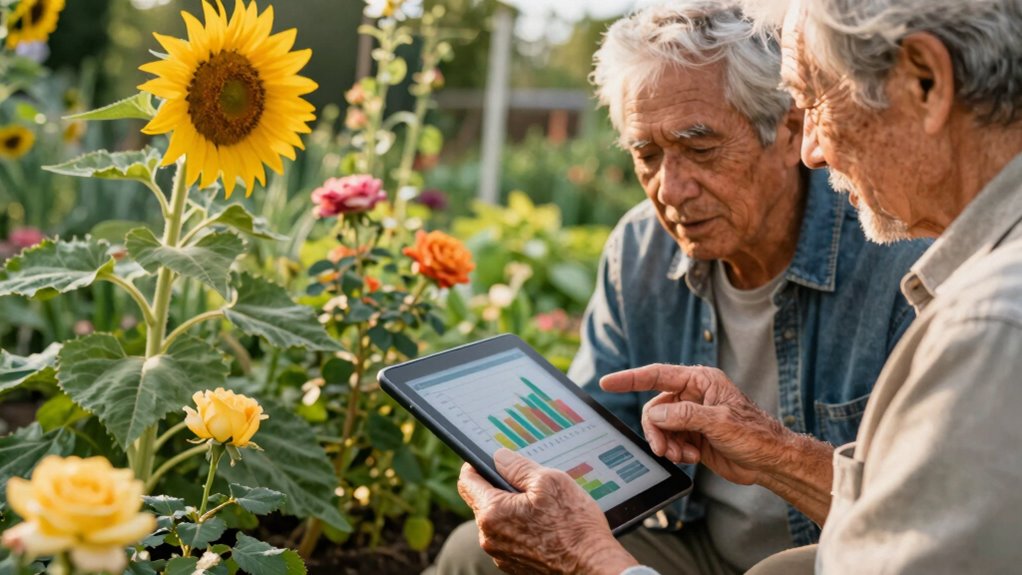
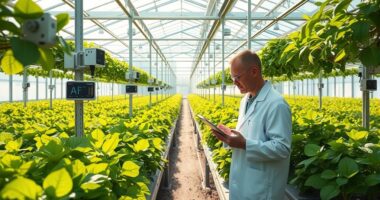
Monitoring metrics are fundamental tools that help gardeners track the health and progress of their gardens. When you pay close attention to key indicators, you gain valuable insights that allow you to make informed decisions and optimize your gardening efforts. One of the most pivotal metrics advanced gardeners keep an eye on is soil moisture. Maintaining the right soil moisture level ensures your plants receive adequate water without becoming waterlogged or dried out. Using a soil moisture meter or simply checking the soil’s feel with your fingers helps you determine when to water. Overwatering can lead to root rot and fungal issues, while underwatering stresses plants and stunts growth. By consistently monitoring soil moisture, you prevent these problems and promote healthy, vigorous plants. Digital sensors can provide real-time data, making it easier to maintain optimal conditions.
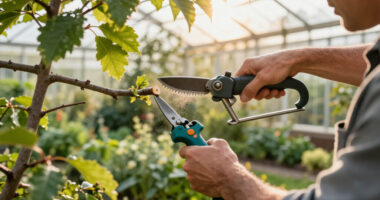
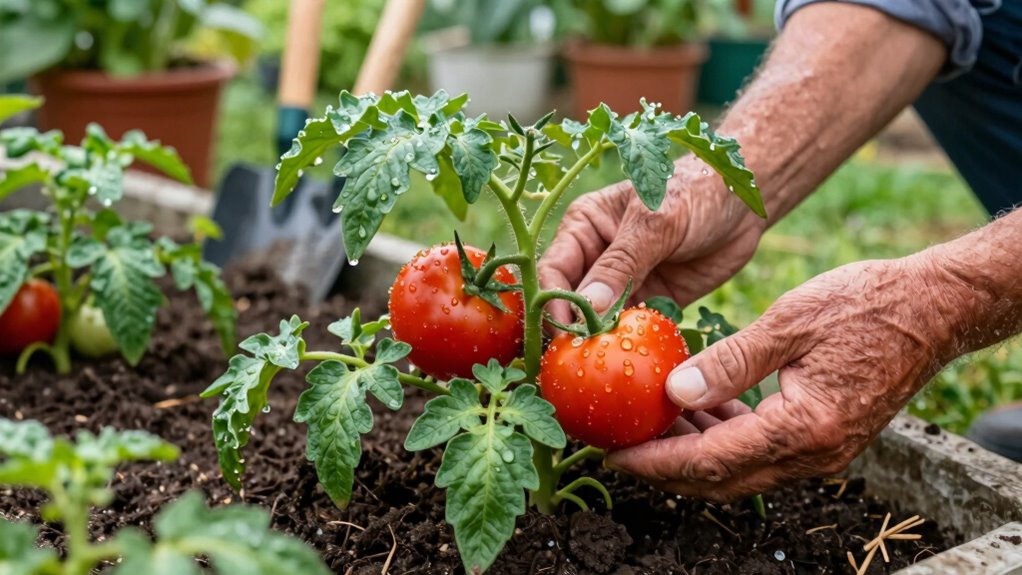
Another essential metric to track is pest activity. Pest infestations can quickly damage or destroy your crops if caught early. You don’t have to wait for visible signs of damage—regularly inspecting leaves, stems, and soil surface helps you detect pests before they cause significant harm. Advanced gardeners often use sticky traps or magnifying tools to identify pests early, enabling them to act swiftly with natural or organic control methods. Monitoring pest activity also involves observing signs like chewed leaves, webbing, or discolored patches, which signal an impending attack. Staying vigilant in this area allows you to prevent infestations from spreading and to protect your plants more effectively. Additionally, understanding the specific pests common to your region can help you implement targeted and sustainable control strategies. Monitoring pest activity is also enhanced by understanding the lifecycle and habits of pests, which can help in timing interventions more effectively. Moreover, paying attention to environmental conditions that favor pest development can give you an advantage in prevention.
In addition to soil moisture and pest activity, seasoned gardeners track other metrics like temperature, humidity, and sunlight exposure. Each of these factors influences plant growth and overall garden health. For instance, temperature fluctuations can affect flowering and fruiting, while humidity levels impact disease susceptibility. Regularly recording these metrics helps you understand your garden’s specific needs and adapt your care routine accordingly. The use of digital sensors or traditional methods like thermometers and light meters makes this process straightforward and precise. Understanding soil health and its role in supporting plant vitality is crucial for maintaining a thriving garden. Monitoring these environmental factors enables a more holistic approach to sustainable gardening practices that protect biodiversity and promote resilience.
Ultimately, the key to successful gardening lies in your ability to monitor these metrics consistently. With vigilant observation of soil moisture and pest activity, you can catch potential problems early and take corrective actions before they escalate. This proactive approach ensures your garden remains productive, healthy, and vibrant. When you prioritize monitoring, you’re not just reacting to issues—you’re anticipating them, giving your plants the best chance to thrive. Advanced gardeners know that tracking these fundamental metrics isn’t just about maintenance; it’s about cultivating a resilient, thriving garden that responds dynamically to its environment. Properly understanding and managing environmental conditions can significantly enhance your gardening success.
Products Worth Considering

Solo Stove Bonfire 2.0 Smokeless Wood-Burning Fire Pit with Stand, Silver

Orbit B-hyve XR 8-Zone Indoor/Outdoor Smart Sprinkler Controller

Orbit B-hyve Smart Indoor/Outdoor 12-Zone Sprinkler Controller
As an affiliate, we earn on qualifying purchases.
Frequently Asked Questions
How Often Should I Check My Garden’s Monitoring Metrics?
You should check your garden’s monitoring metrics daily, especially during peak growing seasons. This helps you stay on top of soil health and pest control issues before they escalate. Regular checks allow you to identify changes in moisture levels, nutrient deficiencies, or pest activity early. By staying vigilant, you can make timely adjustments, ensuring your plants remain healthy and productive throughout their growth cycle.
What Tools Are Best for Beginner Gardeners?
As a beginner gardener, you should start with simple tools like a basic soil pH tester and a plant growth chart. These help you monitor soil health and track how well your plants are growing. A moisture meter can also be useful to prevent overwatering. Using these tools, you can easily observe changes in plant growth and soil health, helping you develop your gardening skills effectively.
How Do Weather Changes Affect Monitoring Metrics?
Weather changes, like temperature fluctuations and shifts in rainfall, directly impact your monitoring metrics. You’ll notice soil moisture levels fluctuate with rain and heat, requiring you to adjust watering schedules. Temperature swings can affect plant health and growth rates, so keeping an eye on these metrics helps you respond promptly. By monitoring these changes closely, you guarantee your garden stays healthy, adapting your care as weather conditions evolve.
Can Monitoring Metrics Help Prevent Plant Diseases?
Monitoring metrics can indeed help prevent plant diseases by providing real-time data on plant health. You can detect early signs of disease through indicators like temperature, humidity, and soil moisture, enabling swift action. While not foolproof, tracking these metrics improves disease detection and management, reducing outbreaks. By staying vigilant with monitoring, you give your plants a better chance to stay healthy and thrive, preventing potential infestations before they escalate.
Are There Affordable Options for Advanced Gardening Sensors?
Yes, there are affordable options for advanced gardening sensors that monitor soil moisture and pH levels. You can find budget-friendly sensors online or at gardening stores, often with easy-to-use digital interfaces. These devices help you optimize watering and soil conditions, preventing overwatering or nutrient deficiencies. By investing in these sensors, you gain precise insights into your garden’s health without overspending, making your gardening efforts more efficient and productive.
Conclusion
By keeping a close eye on these monitoring metrics, you become as attuned as a musician to their instrument, sensing every subtle change. Your garden responds to your attentiveness, thriving like a well-conducted symphony. When you track soil moisture, temperature, and plant health, you’re not just observing—you’re guiding your garden’s growth. Stay vigilant and adapt your care, and your garden will flourish beautifully, like a masterpiece crafted with love and precision.