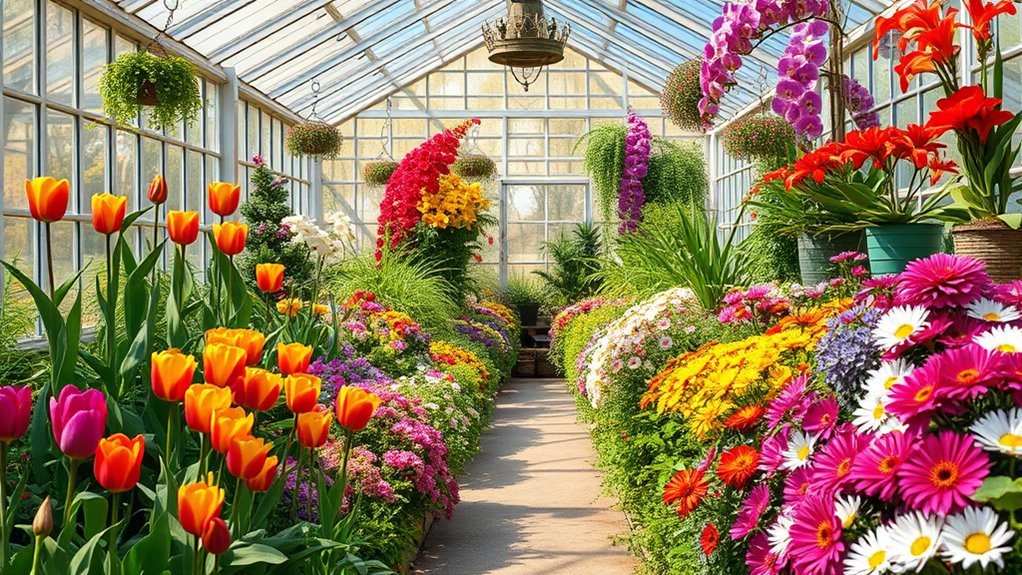

To maintain year-round color in your greenhouse, select seasonal bloomers suited for each time of year and create distinct zones with controlled lighting, temperature, and humidity. Spring bulbs like tulips thrive early, while summer plants such as petunias flourish under warm conditions. Fall favorites include chrysanthemums, and winter bloomers like cyclamen require cooler temperatures. Proper layout, environmental adjustments, and ongoing care help extend flowering seasons. Keep exploring to uncover tips for optimizing your greenhouse’s vibrant, continuous displays.

Get garden gear delivered free with Prime
- Fast, free delivery on millions of items
- Prime Video, Amazon Music and more included
- Member-only deals all year
Key Takeaways
- Select seasonal bloomers like tulips, daffodils, petunias, chrysanthemums, and cyclamen to ensure year-round color.
- Design separate zones with adjustable lighting, temperature, and humidity tailored to each season’s plants.
- Maintain proper environmental controls and soil conditions to support healthy growth across all seasons.
- Plan for plant dormancy periods and seasonal transitions to prolong bloom life and prevent stress.
- Regularly monitor and adjust greenhouse conditions to create optimal microclimates for continuous, vibrant flowers.
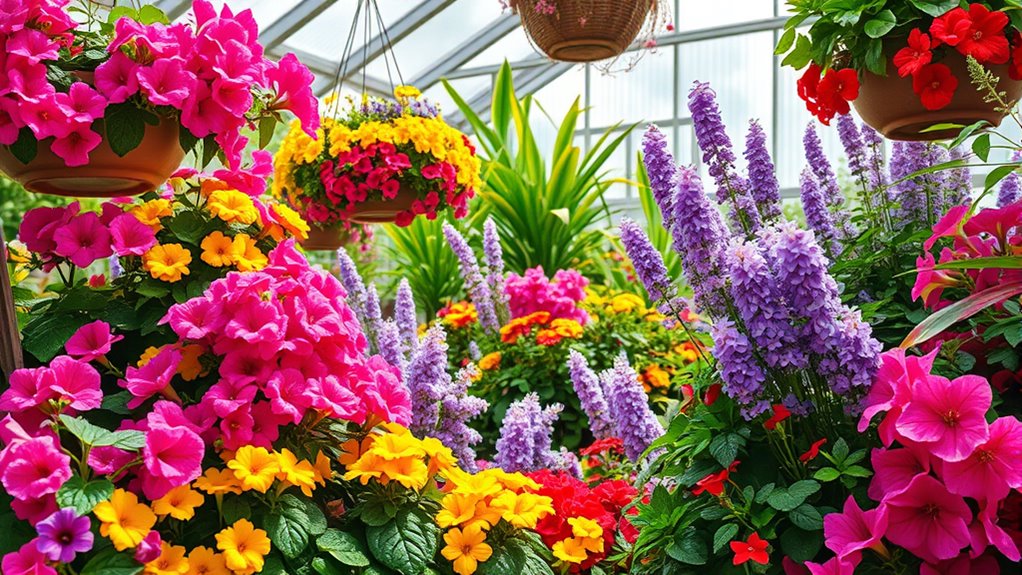
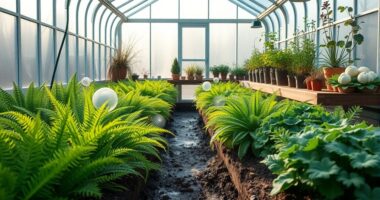
No matter the time of year, a well-maintained greenhouse can provide vibrant flowers to brighten your space year-round. To achieve this, understanding how to select and cultivate seasonal bloomers is essential. These plants are specially chosen for their ability to thrive during specific seasons, guaranteeing your greenhouse remains colorful and lively throughout the year. Proper greenhouse design plays a vital role in supporting these plants, allowing you to create distinct microclimates tailored to each plant’s needs. You might segment your greenhouse into zones that mimic natural conditions, with adjustable lighting, temperature, and humidity controls, so each seasonal bloomer gets what it needs to flourish.
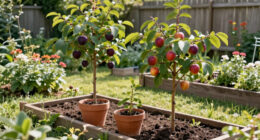
Your choice of seasonal bloomers depends on your local climate and your greenhouse’s setup. For spring, consider tulips, daffodils, and hyacinths. These bulbs are classic and reliable, offering bursts of color after a long winter. When designing your greenhouse, guarantee there’s sufficient space and ideal soil conditions for bulb planting, and plan for their dormancy period once flowering subsides. In summer, bright petunias, marigolds, and geraniums can fill your greenhouse with vibrant hues. These plants love warmer temperatures and plenty of sunlight, so allocate a sunny spot with good air circulation. For fall, chrysanthemums and asters are excellent choices—they’re hardy and provide rich, warm tones that mirror the changing season outside. Incorporate adjustable shading or supplemental lighting to help these plants reach their peak.
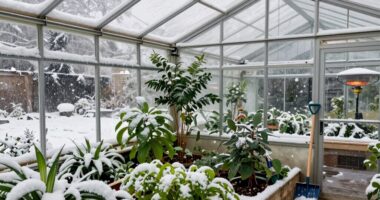
Winter bloomers like camellias, jasmine, and certain cyclamen varieties can also thrive indoors if you optimize your greenhouse design. These plants often prefer cooler, stable temperatures and less intense light, so you’ll want to set up climate controls accordingly. A well-thought-out greenhouse layout guarantees each plant group has its ideal environment, reducing stress and promoting healthy growth. Regular monitoring and adjustments are key to maintaining the right conditions, especially when shifting between seasons.
greenhouse flower bloomers for each season
As an affiliate, we earn on qualifying purchases.
As an affiliate, we earn on qualifying purchases.
Frequently Asked Questions
How Do I Control Pests in Greenhouse Flowers Year-Round?
To control pests year-round in your greenhouse flowers, start by practicing biological control, like introducing beneficial insects that naturally target pests. You should also choose pest-resistant varieties to reduce vulnerability. Regularly inspect your plants for early signs of pests, keep your greenhouse clean, and maintain proper humidity and airflow. Combining these strategies helps keep pests in check naturally, ensuring your flowers stay healthy and vibrant throughout every season.
What Are the Best Soil Types for Greenhouse Flowers?
Imagine giving your greenhouse flowers the perfect foundation. You should focus on soil composition that offers excellent drainage and aeration, like a well-balanced mix of organic matter and sand. Prioritize nutrient management by choosing soils rich in essential nutrients yet gentle on roots. This guarantees healthy growth all year, providing vibrant blooms. Your careful selection creates an environment where your flowers thrive, turning your greenhouse into a lush, colorful haven.
How Can I Extend Bloom Periods Indoors?
To extend bloom periods indoors, focus on seasonal plant selection that naturally has longer or staggered bloom cycles. Manage the bloom cycle by adjusting light, temperature, and watering schedules to mimic natural conditions and encourage continuous flowering. Regularly deadhead spent blooms and provide proper fertilization. This proactive approach keeps your flowers thriving longer, creating vibrant, year-round color indoors.
What Lighting Conditions Do Different Flowers Require?
Different flowers have specific lighting requirements, so you need to know whether they thrive in sunlight or artificial light. Some plants, like succulents, prefer direct sunlight, while others, like ferns, do better in low light. Always observe your flowers and adjust their lighting conditions accordingly. If natural sunlight isn’t enough, supplement with artificial light, ensuring you meet their needs for ideal growth and blooming.
How Do I Prevent Diseases in Greenhouse Plants?
To prevent diseases in your greenhouse plants, focus on proper sanitation, regular cleaning, and airflow management. Choose disease-resistant varieties to reduce vulnerability. Keep tools sanitized, remove plant debris promptly, and avoid overcrowding to promote healthy growth. Consistent monitoring helps catch issues early. By combining these practices, you create an environment less conducive to disease, ensuring your plants stay healthy and vibrant year-round.
Conclusion
Just like the seasons dance in endless harmony, your greenhouse can bloom year-round, offering vibrant color no matter the time. With a little care and planning, you turn your space into a timeless garden, echoing the eternal cycle of nature’s beauty. Embrace the rhythm of growth and renewal, and watch your world stay forever in bloom—an oasis of life, echoing the promise that every season holds its own wonder.
Fall Picks
fall essentials
As an affiliate, we earn on qualifying purchases.