
TL;DR

Get garden gear delivered free with Prime
- Fast, free delivery on millions of items
- Prime Video, Amazon Music and more included
- Member-only deals all year
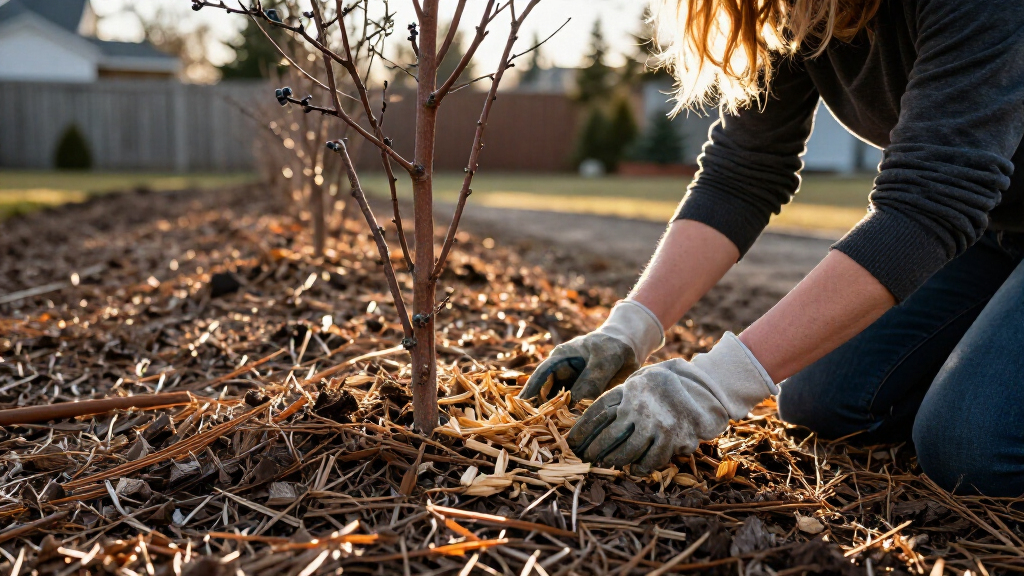
Homes & Gardens advises applying 3 to 4 inches of mulch around blueberry bushes in late fall or early winter to insulate their shallow roots and help retain soil moisture. The report recommends leaving space around stems and giving container-grown plants extra winter protection; the right approach depends on the variety and local conditions.
Homes & Gardens has published seasonal advice for protecting blueberry bushes from winter cold: apply a 3- to 4-inch layer of mulch over the soil, extending to the plant’s drip line while keeping mulch a few inches clear of the stems. The guidance focuses on blueberries’ shallow roots, which can be vulnerable to freezing soil, and says plants in pots need extra protection.
The report says most blueberry roots sit in the top 12 inches of soil, leaving them more exposed to deep frost and drying than deeper-rooted plants. A yearly layer of organic mulch can insulate the soil, help it retain moisture, suppress weeds and add organic matter as it breaks down. The recommended timing is late fall or early winter.
Suggested materials include pine bark, pine needles and wood chips. These are suited to blueberries’ preference for acidic soil, with a target pH of about 4.5 to 5.5, according to the report. It cautions that such mulch will not, on its own, dramatically lower soil pH and recommends testing soil every few years. Mulch should reach the drip line but not touch the plant’s base, where accumulated moisture may contribute to rot.
Cold tolerance varies by variety. The report says northern highbush blueberries can tolerate temperatures below -20°F, while southern highbush plants may be damaged below freezing. Newly planted bushes need protection through their first winter before they are fully established. In especially cold climates, growers can also wrap plants with frost cloth or burlap, the report says.
Why Shallow Roots Need Winter Cover
The advice addresses a specific vulnerability: blueberry bushes may tolerate cold above ground yet have roots close to the soil surface, where freezing and winter drying can cause stress. Mulching provides a layer of insulation and can help maintain moisture, while organic material also contributes to soil structure over time.
For home gardeners, matching protection to the plant and growing conditions matters. A hardy variety planted in the ground may need less intervention than a recently planted bush or one grown in a container. The report presents mulching as a practical seasonal measure, not a guarantee of a larger harvest: berry production also depends on factors such as variety, site and care through the rest of the year.
Products Worth Considering

EGO Power+ LB8803-2 Cordless Leaf Blower, 880 CFM, with Two 4.0Ah Batteries

Husqvarna 130L Gas String Trimmer, 18-Inch

Husqvarna 122C 22-cc 2-Cycle Gas String Trimmer, 17-Inch Curved Shaft
As an affiliate, we earn on qualifying purchases.
Variety and Growing Conditions Matter
Blueberries do not all respond to winter temperatures in the same way. The report describes northern highbush as among the hardiest types and says southern highbush varieties are better suited to milder winters. Those figures are general guidance, not a forecast for an individual plant; actual risk depends on the cultivar and local conditions.
Soil acidity is another relevant part of the guidance. Blueberries prefer a pH of about 4.5 to 5.5, and pine-based mulch may help support acidic conditions, but the report says gardeners should not rely on mulch alone to change pH substantially. It also distinguishes winter protection from pruning: pruning is best left until late winter or early spring, just before new seasonal growth begins.
“Most of a blueberry’s root system is in the top 12 inches of soil.”
— Homes & Gardens report
Protection Depends on Local Conditions
The report does not set a single winter-protection plan for every blueberry bush. Cold tolerance differs by variety, and the appropriate level of protection depends on local temperatures, whether a plant is newly established, and whether it is growing in the ground or a pot. It also does not provide a location-specific frost forecast or guarantee that mulching will prevent cold damage.
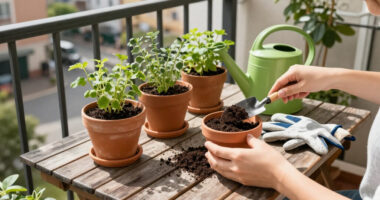
For potted blueberries, the report describes several options rather than one required method: grouping containers near a sheltered wall, covering the soil and wrapping pots, or using winter pot covers. The exact materials and timing needed for an individual garden remain dependent on its climate and setup.
Prepare Plants Before Deep Frost
Gardeners following the report’s advice can apply mulch in late fall or early winter, keep it a few inches away from stems and spread it to the drip line. Container-grown bushes can be grouped in a sheltered spot or have their pots wrapped; the report also advises raising pots on feet so water can drain during winter.
In regions with particularly harsh winters, growers can consider frost cloth or burlap for additional protection. Soil pH can be checked every few years, while pruning should wait until late winter or early spring. No follow-up results or crop outcomes are provided in the report, so the effect on any particular plant will depend on its condition and the weather ahead.
Key Questions
How much mulch should I put around a blueberry bush?
The Homes & Gardens report recommends a 3- to 4-inch layer, spread out to the drip line. Leave a gap of a few inches around the stems rather than piling mulch against the base.
Which mulch materials does the report recommend?
It lists pine bark, pine needles and wood chips. These materials are compatible with blueberries’ preference for acidic soil, but the report says they will not dramatically lower pH on their own.
Do blueberries in pots need extra winter protection?
Yes. The report says roots in containers are more exposed to cold than roots in the ground. Options include placing pots in a sheltered group, covering the soil, wrapping the containers, and raising them on pot feet for drainage.
When should blueberry bushes be pruned?
The report recommends pruning in late winter or early spring, just before the plant begins its new growth, rather than in early winter.
Source: homesandgardens.com