
As an advanced grower, you recognize that focusing solely on problems leads to reactive fixes that don’t address root causes. Paying attention to long-term patterns helps you spot trends in soil health, crop performance, and ecosystem interactions, allowing for proactive management. By understanding these patterns, you can build resilient systems that prevent issues before they happen. Keep exploring, and you’ll discover how mastering these insights can transform your farm’s future.
Listen free for 30 days with Audible
Thousands of audiobooks and originals — cancel anytime.
As an affiliate, we earn on qualifying purchases.
Key Takeaways
- Recognizing patterns enables proactive management, preventing issues before they escalate.
- Analyzing long-term trends reveals root causes and improves decision-making accuracy.
- Focusing on patterns promotes sustainable practices like crop rotation and soil health monitoring.
- Understanding ecosystem relationships enhances overall farm resilience and productivity.
- Pattern-based insights help avoid reactive fixes, ensuring healthier crops and stable yields over time.
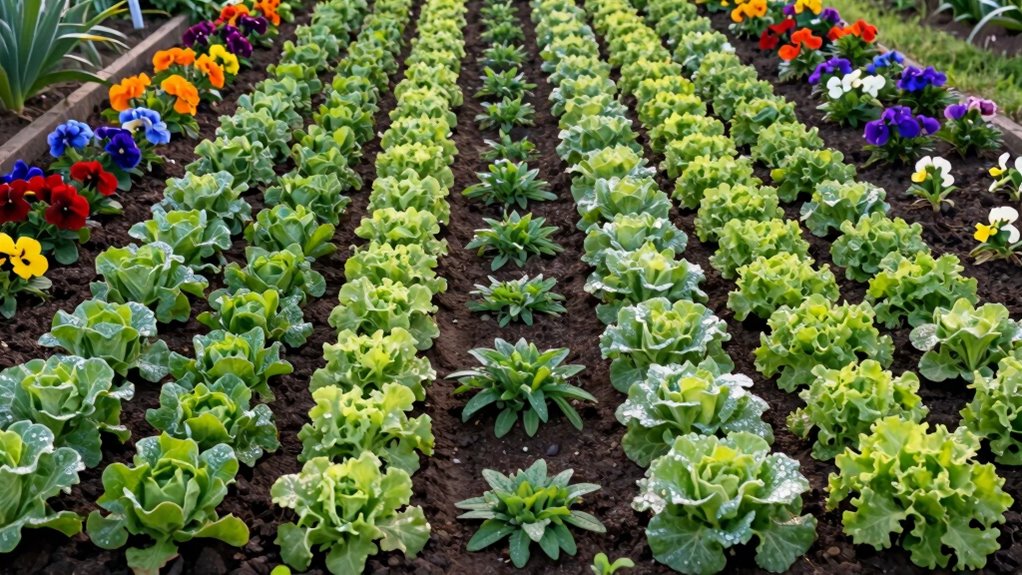
When facing challenges, it’s easy to get caught up in focusing solely on problems. You see an ailing crop or a sudden drop in yield and immediately zero in on fixing that issue. But advanced growers know that paying attention to patterns offers a deeper understanding of what’s really happening in your fields. Instead of reacting to each problem as it arises, you start observing recurring trends over time. This shift helps you identify underlying causes, enabling more effective and sustainable solutions.
Focusing on patterns reveals root causes, enabling proactive, sustainable farm management instead of just fixing immediate problems.
For example, crop rotation isn’t just a farming practice; it’s a pattern recognition tool. When you notice certain crops consistently struggle after specific others, you realize it’s a sign of soil fatigue or nutrient depletion. By observing these patterns, you can plan crop rotations that improve soil health and break the cycle of problems. Over time, you build a system that enhances soil resilience, reduces pest and disease pressure, and sustains productivity. It’s about understanding that the health of your soil isn’t just a one-time fix but a pattern of management that evolves with your cropping decisions.
Advanced growers pay close attention to soil health as a pattern. Instead of treating soil issues as isolated incidents, they track changes across seasons or years. If you notice a gradual decline in soil organic matter or moisture retention, it signals deeper issues that need addressing—perhaps through cover cropping, reduced tillage, or organic amendments. Recognizing these patterns allows you to proactively improve soil conditions rather than constantly battling symptoms. Noticing changes in soil health over time is key to implementing effective soil management practices, and understanding these trends can help prevent future problems. Additionally, observing the interconnections between soil and plant health can reveal ecosystem relationships that influence overall farm sustainability. Incorporating long-term monitoring enables you to see subtle shifts that might otherwise go unnoticed, leading to more timely interventions. Recognizing these patterns also helps in understanding the soil-plant relationship, which is essential for optimizing crop production.
The goal is to create a self-sustaining system where soil naturally supports healthy plant growth, making problems less likely to occur in the first place. What sets advanced growers apart is their ability to connect the dots over time. They don’t just fix problems when they appear—they analyze patterns to prevent future issues. When you start viewing your farm through this lens, you’re better equipped to adapt your practices, make informed decisions, and foster long-term productivity. It’s about shifting from reactive to proactive management, which ultimately leads to healthier crops and more resilient farmland. By focusing on patterns—whether crop rotation, soil health, or pest cycles—you develop a nuanced understanding of your land, helping you stay ahead of problems before they even surface. Understanding long-term trends is crucial for maintaining sustainable farming systems.

SONKIR Soil pH Meter, MS02 3-in-1 Soil Moisture/Light/pH Tester Gardening Tool Kits for Plant Care, Great for Garden, Lawn, Farm, Indoor & Outdoor Use (Green)
- Multi-Function Soil Tester: Measures moisture, pH, and sunlight
- No Batteries Required: Operates without batteries for convenience
- Easy to Use: Insert into soil and wait for results
As an affiliate, we earn on qualifying purchases.
As an affiliate, we earn on qualifying purchases.
Frequently Asked Questions
How Do Patterns Predict Future Crop Performance?
Patterns reveal your crop’s growth rhythms and overall crop cycle, helping you predict future performance. By observing recurring trends, you can anticipate how your plants will respond to environmental changes or interventions. Recognizing these patterns allows you to make proactive decisions, optimize conditions, and prevent problems before they happen. This focus on patterns gives you a clearer, more accurate view of your crop’s development, leading to higher yields and healthier plants.
What Tools Help Identify Planting or Growth Patterns?
Sure, you could rely on a crystal ball, or better yet, use tools like soil sensors and drone imaging to spot planting and growth patterns. These tools analyze soil composition and irrigation efficiency, revealing trends that predict future crop performance. By tracking these patterns, you avoid surprises—like crops throwing a tantrum—and instead, proactively optimize your farm’s health and yield. Who needs magic when you have data?
Can Pattern Analysis Improve Pest Management Strategies?
Pattern analysis can profoundly improve pest management strategies by helping you anticipate pest migration and disease cycles. When you recognize recurring patterns, you can implement targeted interventions before problems escalate. By studying how pests move and diseases spread over time, you gain insights that enable proactive measures, reducing crop damage. This approach leads to more efficient use of resources, minimizes chemical use, and ultimately results in healthier crops and higher yields.
How Do Environmental Factors Influence Plant Patterns?
Environmental factors like soil moisture and sunlight exposure profoundly influence plant patterns. When soil moisture is high, plants may grow densely or develop specific root structures, while low moisture can cause uneven growth or stress signs. Sunlight exposure affects leaf orientation and overall shape, leading to distinctive patterns. By observing these patterns, you can adjust watering schedules and positioning to optimize growth, ensuring healthier, more resilient plants.
Are Pattern Recognition Skills Trainable for Growers?
Yes, pattern recognition skills are trainable for growers. Studies show that experienced farmers can identify subtle soil variability and crop diversity signs with practice. By observing plant patterns consistently, you enhance your ability to detect issues early and optimize yields. Regular training, field walks, and analyzing crop responses sharpen this skill, making you more adept at recognizing meaningful patterns rather than just reacting to problems.
Conclusion
By focusing on patterns rather than just isolated problems, you open yourself to a broader understanding that guides you beyond immediate obstacles. Sometimes, what seems like a setback is simply a sign pointing toward a different path or a hidden opportunity. Embracing this perspective helps you navigate challenges with grace, turning potential stumbling blocks into stepping stones. Remember, it’s often the subtle cues that lead you to growth, if you’re willing to look a little deeper.
Flea & tick season Picks
flea and tick prevention
As an affiliate, we earn on qualifying purchases.