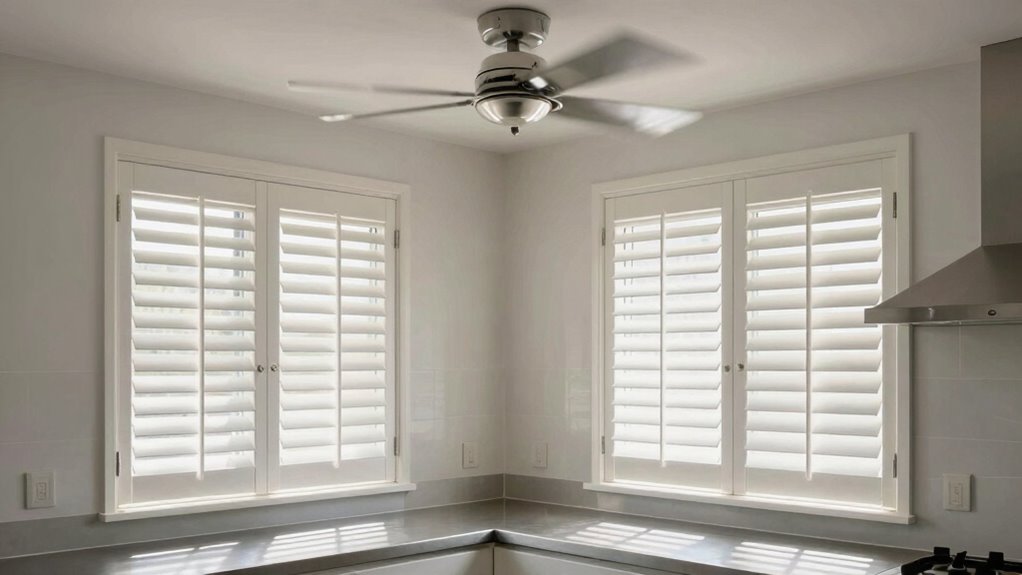

You need your intake shutters and exhaust fans to work together to guarantee good airflow and indoor air quality. Proper coordination helps fresh air enter while stale air exits, preventing drafts, humidity, and indoor pollutants. When these systems are balanced, your home stays comfortable and energy-efficient. If you keep them aligned correctly, you’ll avoid problems like heat loss or negative pressure. Stay with us to find out how to keep your ventilation system optimized all year round.
Key Takeaways
- They ensure balanced airflow, preventing negative pressure and indoor pollutant entry.
- Coordinated operation maintains indoor air quality and prevents drafts or excess humidity.
- Proper teamwork reduces energy consumption by optimizing heating, cooling, and ventilation efforts.
- It prevents pushing unfiltered or humid air into the environment, promoting healthier indoor conditions.
- Regular adjustment and synchronization sustain system efficiency and long-term indoor comfort.
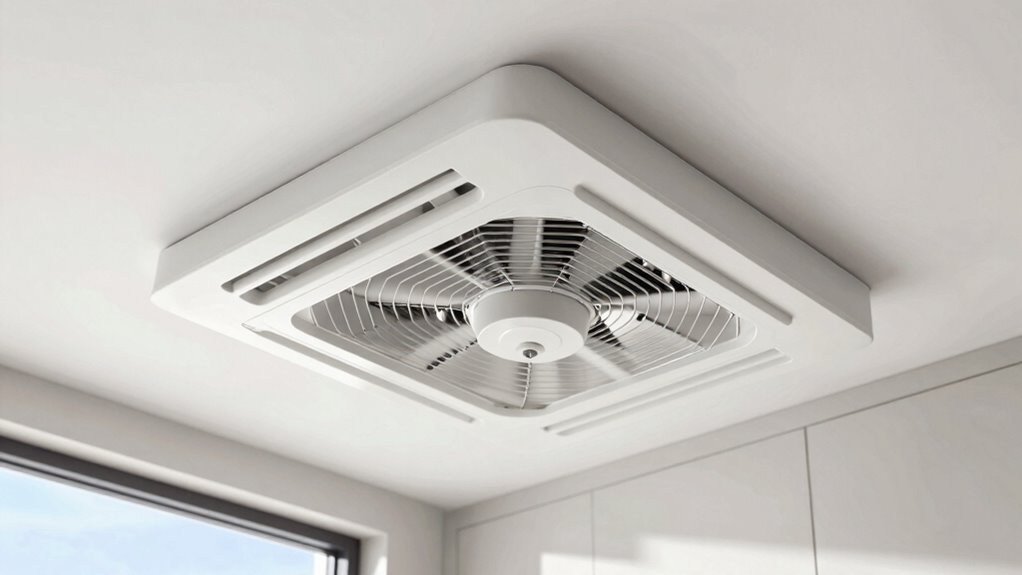
To guarantee proper airflow and maintain a healthy indoor environment, intake shutters and exhaust fans must work in harmony. When these components operate together effectively, they optimize airflow, ensuring fresh air enters your space while stale air exits. This balance is crucial for both indoor air quality and energy efficiency. If intake shutters are open too wide without a corresponding exhaust, you risk pushing unfiltered or humid air into your environment, which can lead to discomfort and potential damage. Conversely, if exhaust fans run without properly regulated intake shutters, you might create negative pressure, drawing in unconditioned or contaminated air from unwanted sources.
By coordinating the operation of intake shutters and exhaust fans, you enhance airflow optimization. This means you control the volume and direction of air movement, preventing drafts, reducing humidity, and maintaining a stable indoor temperature. When airflow is optimized, your heating and cooling systems don’t have to work as hard, resulting in lower energy consumption. Properly synchronized ventilation components help you achieve energy efficiency by minimizing unnecessary strain on HVAC systems, which translates into lower utility bills and a reduced carbon footprint. Proper ventilation also plays a key role in preventing indoor air quality issues caused by inadequate airflow. Maintaining airflow balance is essential for creating a safe and comfortable indoor environment. Achieving this balance often requires regular monitoring and adjustments based on seasonal or activity-related changes. Additionally, using sensors to monitor air quality can provide real-time feedback to help fine-tune your system more effectively. Regular checks ensure that the system remains effective and responsive, especially as conditions change throughout the year.
Coordinating intake shutters and exhaust fans improves airflow, reduces energy use, and enhances indoor comfort and efficiency.
Your goal should be to create a balanced system where intake shutters admit just enough air to meet your indoor needs, and exhaust fans remove air at a matching rate. This equilibrium prevents issues like pressure differentials, which can cause drafts or pull in outdoor pollutants. It also ensures that indoor air remains fresh and healthy, reducing the risk of mold growth, allergens, and other indoor air quality problems. When you regularly check and adjust these components, you can fine-tune your ventilation system for optimal performance. For example, during colder months, closing intake shutters slightly can prevent heat loss, while keeping exhaust fans active to remove excess moisture. In warmer weather, opening shutters wider can help cool the space with fresh air, while exhaust fans remove heat and humidity. Proper ventilation system maintenance is essential to sustain these benefits and prevent system failures over time.
In the end, your focus should be on maintaining a seamless interaction between intake shutters and exhaust fans. When they work together harmoniously, you don’t just improve indoor air quality—you also maximize energy efficiency. This balanced approach ensures you enjoy a comfortable, healthy environment without unnecessary energy waste or costly repairs. Proper coordination isn’t just a maintenance task; it’s a smart way to manage your home or building’s ventilation system for long-term benefits. Regularly assessing and adjusting these components based on indoor air quality feedback can help sustain optimal ventilation performance over time.

10 Inch Galvanized Sheet Spraying Automatic Exhaust Shutter Louver Vent (No Fan Blades and Motor) for Home Attics, Workshops, Barn, Greenhouse
- Material: High-grade galvanized sheet for durability
- Operation: Automatic gravity-based opening and closing
- Weather Resistance: Fully closes to block rain and dust
As an affiliate, we earn on qualifying purchases.
As an affiliate, we earn on qualifying purchases.
Frequently Asked Questions
Can Intake Shutters Function Effectively Without Exhaust Fans?
Intake shutters can’t function effectively without exhaust fans because proper airflow optimization relies on ventilation balance. Without exhaust fans, your intake shutters might allow unfiltered air or moisture in, causing poor air quality and potential damage. Exhaust fans help draw stale air out, maintaining a steady airflow. Together, they guarantee a well-ventilated space, preventing issues like mold and humidity buildup, and keeping your environment fresh and healthy.
What Maintenance Is Required for Synchronized Intake and Exhaust Systems?
You need to regularly inspect and clean your intake shutters and exhaust fans to guarantee smooth airflow regulation. Check for debris or obstructions that could disrupt system synchronization, causing inefficient airflow. Lubricate moving parts and replace worn components as needed. Schedule professional maintenance at least once a year to verify that both systems operate harmoniously, preventing issues like backdrafts or pressure imbalances. Proper upkeep ensures peak performance and energy efficiency.
How Do Weather Conditions Affect the Performance of Both Shutters and Fans?
Weather impact can considerably influence the performance of your intake shutters and exhaust fans, affecting system reliability. Heavy rain, snow, or strong winds may cause shutters to jam or fans to struggle, reducing airflow and efficiency. Cold temperatures can also lead to mechanical issues or freezing components. To maintain peak performance, you should regularly inspect and service these systems, especially during extreme weather conditions, ensuring they operate smoothly and reliably.
Are There Energy Efficiency Benefits to Pairing Intake Shutters With Exhaust Fans?
Pairing intake shutters with exhaust fans boosts energy efficiency by optimizing airflow, reducing the need for excessive fan power. This coordinated system guarantees fresh air enters smoothly while stale air exits efficiently, minimizing energy waste. Additionally, this setup helps with noise reduction, as shutters can dampen sound transmission, making your environment quieter. Overall, combining these components enhances airflow control, lowers energy costs, and creates a more comfortable, quieter space.
What Are Common Signs Indicating a Problem in the System?
You might notice poor air quality, strange odors, or inconsistent airflow, indicating a system problem. Ventilation myths often lead people to overlook regular maintenance, causing issues like stuck shutters or faulty exhaust fans. Maintenance misconceptions, such as thinking these components need no upkeep, can exacerbate problems. Regular inspections help identify issues early, ensuring your intake shutters and exhaust fans work effectively together, maintaining proper ventilation and energy efficiency.
Conclusion
When intake shutters and exhaust fans work in harmony, everything just clicks—like finding the perfect puzzle pieces that fit without effort. It’s no coincidence that your indoor air stays fresh and comfortable when both systems coordinate seamlessly. Think of it as a well-timed dance, where each move complements the other. So, next time you breathe easy, remember it’s no accident—it’s the magic of synchronized ventilation working behind the scenes.